
Lemon Curd Recipe – Smooth, Tangy, and Foolproof for Home Cooks
Introduction to Lemon Curd Recipe
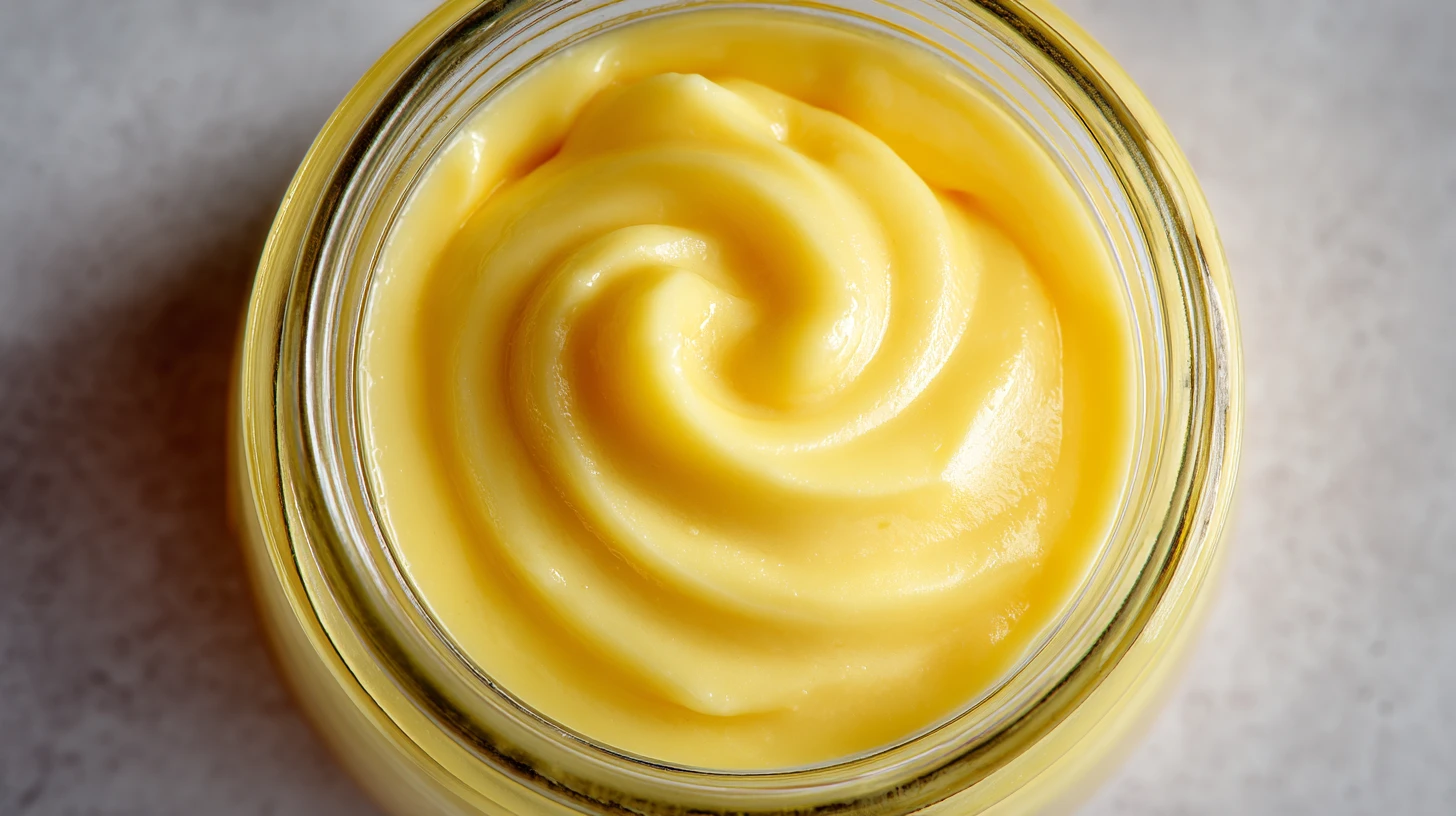
A well-made lemon curd recipe is one of the simplest ways to bring bright, fresh flavor into your kitchen. This classic spread is smooth, glossy, and perfectly balanced between tart and sweet. When done right, it has a silky texture that coats the spoon and a clean citrus taste that lingers without being overly sharp.
What makes this lemon curd recipe special is its ability to transform basic ingredients like eggs, sugar, butter, and lemons into something refined and versatile. It works beautifully as a tart and smooth lemon filling, a topping for cakes, or even as a base for desserts. Many people love it because it feels luxurious yet is surprisingly easy to prepare at home.
This guide is built as a complete lemon curd preparation guide, designed so even beginners can achieve professional results. Whether you are looking for a quick and easy homemade lemon curd or planning a small batch lemon dessert, this recipe will give you consistent, reliable results every time.
Why You’ll Love This Recipe
This lemon curd recipe is designed for real kitchens, not just professional ones. It is precise but not complicated, giving you control over texture and flavor.
You will appreciate how this recipe delivers a perfectly smooth finish without needing special equipment. The balance of acidity and sweetness is carefully adjusted so the lemon flavor stays fresh and vibrant instead of harsh.
It also adapts easily. You can use it as a lemon curd pie filling, fold it into creams, or even turn it into a small batch lemon buttercream. Because this is also a small batch lemon curd recipe, it avoids waste while still giving enough for multiple uses.
Another reason this stands out is speed. This is a super quick and easy homemade lemon curd recipe that comes together faster than most people expect, making it ideal for spontaneous baking or dessert planning.
Preparation and Cooking Time, also serving
This small batch lemon curd keeps the process efficient while still producing a rich, flavorful result.
Ingredients
Substitution notes
You can replace fresh lemon juice with bottled juice in emergencies, but the flavor will not be as bright.
Butter can be slightly reduced for a lighter version, though texture will be less rich.
For a slightly milder taste, reduce lemon juice by 10 to 15 ml and increase sugar slightly.
Step-by-Step Instructions
Step 1: Prepare the Base
In a heatproof bowl, whisk together the egg yolks and sugar until the mixture becomes pale and slightly thickened, then add the lemon juice, lemon zest, and a pinch of salt and whisk again until fully combined and smooth.
Step 2: Cook Gently Over Heat
Place the bowl over a saucepan of gently simmering water, making sure the bottom of the bowl does not touch the water, then cook the mixture while stirring constantly with a spatula until it thickens enough to coat the back of the spoon, keeping the heat controlled to avoid curdling.
Step 3: Add Butter for Texture
Once the mixture has thickened, remove it from heat and immediately add the butter cubes, stirring slowly until they fully melt and blend into the curd, creating a smooth and glossy consistency.
Step 4: Strain for Smoothness
Pour the lemon curd through a fine mesh sieve into a clean bowl to remove zest and any small cooked egg particles, ensuring a perfectly smooth and professional finish.
Step 5: Cool and Set
Cover the surface of the curd directly with plastic wrap to prevent a skin from forming and let it cool to room temperature before transferring it to the refrigerator to fully set.
How to Serve
Lemon curd is one of those preparations that instantly elevates even the simplest dishes because of its bright, silky, and rich flavor. When served in small jars, it becomes a charming homemade treat that feels both rustic and elegant at the same time. Spread over warm toast, soft scones, or fluffy pancakes, it melts slightly and creates a perfect balance between sweet and tangy. This makes it an ideal choice for breakfast spreads or afternoon tea, where something light yet flavorful is desired.
Beyond simple serving, lemon curd shines as a filling component in layered desserts. When spread between soft vanilla sponge cake layers, it adds a refreshing citrus contrast that cuts through the sweetness of frosting or buttercream. It also pairs beautifully with light whipped frostings, making cakes feel less heavy and more refined. In tarts, it becomes the star filling—smooth, glossy, and vibrant—especially when paired with crisp pastry shells that provide a satisfying crunch.
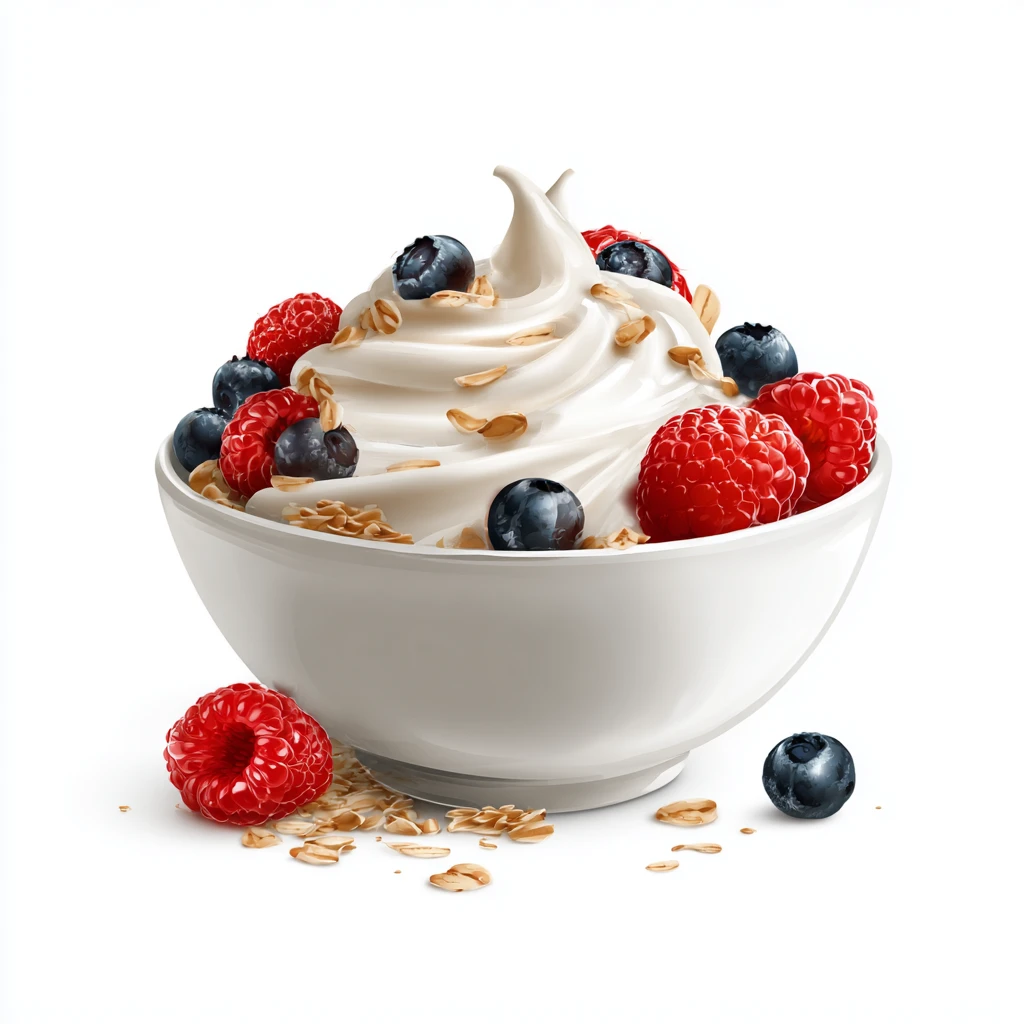
For a more elegant dessert presentation, lemon curd can be piped into mini tart shells or pastry cups and topped with fresh berries like raspberries, blueberries, or strawberries. This not only adds visual appeal but also enhances flavor complexity, combining tartness with natural fruit sweetness. A dusting of powdered sugar or a small mint leaf can further refine the look, making it suitable for parties, celebrations, or afternoon tea spreads where presentation matters as much as taste.
It can also be transformed into lighter, more modern desserts with minimal effort. Folding lemon curd into whipped cream creates a soft, airy mousse that feels luxurious yet simple to prepare. Similarly, swirling it into yogurt bowls or spooning it over cheesecake adds brightness and acidity that balances rich or creamy bases. This versatility is what makes lemon curd so valuable in the kitchen—it can shift effortlessly from casual everyday use to a sophisticated dessert component with just a few small changes.
Secret Behind This Recipe
Recipe Variations
You can easily adapt this lemon curd recipe into different styles depending on your needs.
Additional Tips
Freezing and Storage
Lemon curd stores quite well when it is handled and chilled correctly, making it a convenient make-ahead component for desserts. Once prepared, it should be transferred into a clean, airtight container while it is still slightly warm or fully cooled, depending on your method. Proper sealing is important because it prevents the curd from absorbing fridge odors and helps maintain its smooth, silky consistency. When stored in the refrigerator, it typically stays fresh for up to one week while retaining its bright citrus flavor.
If you want to keep lemon curd for a longer period, freezing is a reliable option. Place it into a freezer-safe container, leaving a small amount of headspace to allow for expansion as it freezes. This step helps preserve both texture and taste for up to three months without significant loss of quality. Labeling the container with the date is also helpful so you can track freshness easily, especially if you prepare it in batches for future baking or dessert use.
When you’re ready to use frozen lemon curd, the best method is slow thawing in the refrigerator overnight. This gradual process helps the mixture return to a more stable and creamy texture. After thawing, gently stirring it with a spoon or whisk is usually enough to bring back its smooth consistency. This step is important because freezing can sometimes cause slight separation in the emulsion of butter, eggs, and citrus.
It’s best to avoid reheating lemon curd over direct high heat, as this can cause the mixture to curdle or break, ruining its silky finish. If you need to warm it slightly for a recipe, do so very gently using low heat or a double boiler while stirring constantly. With proper storage and careful handling, lemon curd remains a versatile, ready-to-use ingredient that can instantly enhance desserts, breakfasts, and baked goods.
Nutritional Information
Approximate values per serving
These values may vary slightly depending on ingredient quantities and adjustments.
Final Words
Mastering a lemon curd recipe is one of the most rewarding skills for any home cook. It is simple yet refined, quick yet impressive. Once you learn this easy lemon curd tutorial, you will find countless ways to use it, from cakes to pastries and beyond.
This quick lemon curd recipe is not just about making a spread, it is about understanding balance, texture, and technique. Whether you are preparing a lemon curd pie filling or experimenting with homemade lemon curd ideas, this recipe gives you a strong foundation.
Take your time, follow the steps carefully, and enjoy the process. With practice, this super quick and easy homemade lemon curd recipe will become one of your most reliable kitchen skills.
FAQs

Lemon Curd Recipe: Smooth, Tangy, and Foolproof for Home Cooks
Course: Halloween Recipes6
servings10
minutes12
minutes120
kcalIngredients
4 large egg yolks
100 grams granulated sugar
80 ml fresh lemon juice
Zest of 2 lemons
60 grams unsalted butter, cut into small cubes
Pinch of salt
Directions
- In a heatproof bowl, whisk together the egg yolks and sugar until the mixture becomes pale and slightly thickened, then add the lemon juice, lemon zest, and a pinch of salt and whisk again until fully combined and smooth.
- Place the bowl over a saucepan of gently simmering water, making sure the bottom of the bowl does not touch the water, then cook the mixture while stirring constantly with a spatula until it thickens enough to coat the back of the spoon, keeping the heat controlled to avoid curdling.
- Once the mixture has thickened, remove it from heat and immediately add the butter cubes, stirring slowly until they fully melt and blend into the curd, creating a smooth and glossy consistency.
- Pour the lemon curd through a fine mesh sieve into a clean bowl to remove zest and any small cooked egg particles, ensuring a perfectly smooth and professional finish.
- Cover the surface of the curd directly with plastic wrap to prevent a skin from forming and let it cool to room temperature before transferring it to the refrigerator to fully set.