

Sauce for Pork Tenderloin – Juicy and Flavorful
Introduction to Sauce for Pork Tenderloin
A well-made sauce for pork tenderloin can completely transform a simple cut of meat into a rich and memorable meal. Pork tenderloin is naturally lean, tender, and mild in flavor, which makes it ideal for pairing with sauces that add depth, richness, and balance. When cooked correctly and matched with the right sauce, pork tenderloin becomes juicy, flavorful, and satisfying without feeling overly heavy.
What makes sauce for pork tenderloin so important is the role it plays in enhancing moisture and flavor. Pork tenderloin cooks quickly, and because it is lean, it benefits greatly from sauces that provide creaminess, acidity, sweetness, or spice. A balanced Dijon Sauce For Pork, for example, can add sharpness and richness at the same time, while a Pork Mustard Sauce introduces warmth and depth that complements the meat naturally.
This type of dish is highly versatile and fits many styles of cooking. Whether you are preparing a casual Pork Dinner at home or looking for elevated Pork Dishes for guests, a flavorful sauce creates a polished result. From creamy Dijon Pork Loin variations to richer Pork Diane inspired sauces, there are endless ways to build flavor around pork tenderloin.
Many cooks appreciate how approachable pork tenderloin recipes are. The meat cooks relatively quickly, the sauces can often be made in the same pan, and the ingredients are practical for everyday use. Once you understand the basics, you can adapt the recipe into different Tenderloin Recipes while maintaining consistent results.
Why You’ll Love This Recipe
This sauce for pork tenderloin recipe delivers flavor without requiring complicated methods. The sauce develops directly in the pan after cooking the pork, which means you build depth naturally from the browned bits left behind after searing.
The balance of flavors is another major advantage. A proper sauce for pork tenderloin should not overpower the meat. Instead, it should support it by adding richness, slight acidity, and enough seasoning to highlight the pork’s natural flavor.
This recipe also helps solve one of the most common problems with Pork Tenderloin Recipes, which is dryness. A good sauce keeps each slice moist and improves the overall texture of the dish. Whether you prefer Honey Dijon Pork Loin flavors or sharper Mustard Pork Loin profiles, the sauce creates a smoother and more satisfying bite.
Another reason this recipe stands out is flexibility. You can keep it elegant for dinner guests or pair it with casual sides for a relaxed meal. It works equally well with mashed potatoes, roasted vegetables, rice, or even comfort-style dishes like Poutine.

Preparation and Cooking Time
Ingredients
For the pork tenderloin
For the sauce
Substitution notes

Step-by-Step Instructions
Step 1: Prepare the pork tenderloin
Pat the pork tenderloin dry with paper towels, then season it evenly with salt, black pepper, garlic powder, and paprika so the surface develops flavor and color during cooking.
Step 2: Heat the pan
Heat olive oil in a heavy skillet over medium-high heat until hot but not smoking, which helps create a proper sear without burning the seasoning.
Step 3: Sear the pork
Place the pork tenderloin into the pan and cook on all sides until browned evenly, turning carefully so the surface develops a golden crust while the inside remains tender.
Step 4: Finish cooking the pork
Reduce the heat slightly and continue cooking until the pork reaches a safe internal temperature, then transfer it to a plate and let it rest so the juices redistribute properly.
Step 5: Start the sauce
In the same pan, melt butter and add minced garlic, cooking briefly until fragrant while scraping the browned bits from the bottom of the pan into the mixture.
Step 6: Build the sauce
Add chicken broth, Dijon mustard, honey, thyme, salt, and black pepper, stirring continuously so the ingredients combine into a smooth and balanced sauce.
Step 7: Finish with cream
Pour in the heavy cream and simmer gently until the sauce thickens slightly, creating a smooth texture that coats the back of a spoon without becoming overly heavy.
Step 8: Slice and serve=
Slice the rested pork tenderloin into even pieces and spoon the warm sauce over the top just before serving so the meat stays juicy and flavorful.
How to Serve
Serve sauce for pork tenderloin immediately while the meat is warm and the sauce remains smooth and glossy. Arrange sliced pork tenderloin slightly overlapping on a serving plate, then spoon the sauce carefully over the top rather than flooding the plate. This keeps the presentation clean while allowing the sauce to coat each slice evenly. Pair the dish with mashed potatoes, roasted vegetables, buttered rice, or creamy polenta for a balanced Pork Dinner. For a more rustic meal, serve alongside crispy potatoes or even Poutine for a richer comfort-food style presentation. Fresh herbs sprinkled on top help brighten the appearance and add freshness to the finished dish.
Secret Behind This Recipe
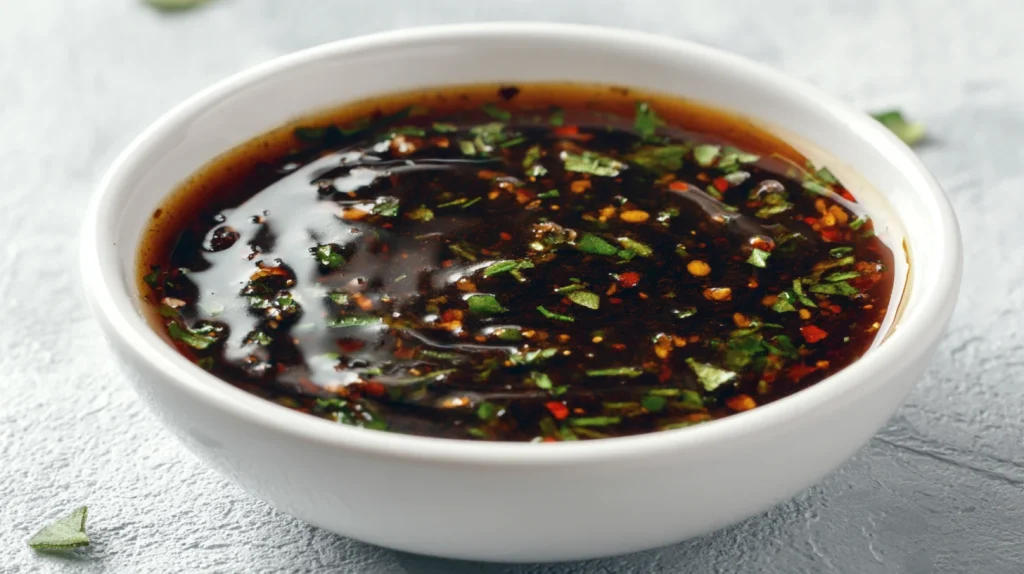
The secret to a great sauce for pork tenderloin lies in building flavor gradually and respecting the cooking time of the meat. Pork tenderloin should be seared over proper heat to create caramelization without overcooking the interior. The sauce gains depth from the browned bits left in the pan after searing, which is why using the same skillet matters. Another key detail is balance. Dijon mustard adds sharpness, honey softens acidity, and cream smooths the overall flavor. The result should feel rich but controlled rather than heavy.
Recipe Variations
Additional Tips
Freezing and Storage
Store leftover pork tenderloin and sauce separately in airtight containers in the refrigerator for up to three days. Reheat the pork gently in a covered pan or low oven to prevent drying out. Warm the sauce slowly over low heat while stirring occasionally to maintain a smooth consistency. If the sauce thickens too much during storage, add a small splash of broth while reheating. The pork can also be frozen for up to one month, though cream-based sauces are best enjoyed fresh because freezing may slightly affect texture.
Nutritional Information
Approximate values per serving
Final Words
A good sauce for pork tenderloin does more than add moisture. It creates balance, enhances flavor, and turns a simple cut of meat into a complete and satisfying dish. When prepared carefully, pork tenderloin becomes one of the most reliable and versatile proteins you can cook at home.
This recipe demonstrates how small details create major improvements. Proper searing builds flavor, resting the meat preserves juiciness, and a balanced sauce ties everything together. Whether you prefer a bold Pork Mustard Sauce, a smooth Dijon Sauce For Pork, or richer variations inspired by Pork Diane, the same core techniques continue to apply.
One of the strengths of Pork Tenderloin Recipes is their adaptability. You can prepare them for quick family dinners, elegant gatherings, or comforting weekend meals. The same recipe can feel refined when paired with vegetables and potatoes or relaxed when served with casual comfort sides.
Learning how to make sauce for pork tenderloin also improves broader cooking skills. You become more confident working with heat control, pan sauces, and balancing acidity with richness. These are valuable techniques that carry over into many other Pork Loin Recipes and meat dishes.
As you continue experimenting, you can create your own variations by adjusting herbs, sweetness, spice levels, or textures. Some cooks may prefer sharper mustard flavors, while others lean toward creamy or slightly sweet sauces. The flexibility of pork tenderloin makes it easy to adapt without losing quality.
In the end, sauce for pork tenderloin is worth mastering because it consistently delivers satisfying results with relatively simple ingredients. With good preparation and attention to detail, you can create juicy pork tenderloin and a flavorful sauce that feels comforting, polished, and dependable every time.
FAQs

Sauce for Pork Tenderloin That Makes Every Slice Juicy and Flavorful
Course: Halloween Recipes4
servings15
minutes30
minutes390
kcalIngredients
- For the pork tenderloin
Pork tenderloin 700 grams
Olive oil 2 tablespoons
Salt 1 teaspoon
Black pepper 1/2 teaspoon
Garlic powder 1 teaspoon
Paprika 1 teaspoon
- For the sauce
Butter 2 tablespoons
Garlic 3 cloves minced
Chicken broth 1 cup
Heavy cream 1/2 cup
Dijon mustard 2 tablespoons
Honey 1 tablespoon
Fresh thyme 1 teaspoon
Salt to taste
Black pepper 1/4 teaspoon
Directions
- Pat the pork tenderloin dry with paper towels, then season it evenly with salt, black pepper, garlic powder, and paprika so the surface develops flavor and color during cooking.
- Heat olive oil in a heavy skillet over medium-high heat until hot but not smoking, which helps create a proper sear without burning the seasoning.
- Place the pork tenderloin into the pan and cook on all sides until browned evenly, turning carefully so the surface develops a golden crust while the inside remains tender.
- Reduce the heat slightly and continue cooking until the pork reaches a safe internal temperature, then transfer it to a plate and let it rest so the juices redistribute properly.
- In the same pan, melt butter and add minced garlic, cooking briefly until fragrant while scraping the browned bits from the bottom of the pan into the mixture.
- Add chicken broth, Dijon mustard, honey, thyme, salt, and black pepper, stirring continuously so the ingredients combine into a smooth and balanced sauce.
- Pour in the heavy cream and simmer gently until the sauce thickens slightly, creating a smooth texture that coats the back of a spoon without becoming overly heavy.
- Slice the rested pork tenderloin into even pieces and spoon the warm sauce over the top just before serving so the meat stays juicy and flavorful.