

Asian Pork Tenderloin – Juicy and Tender
Introduction to Asian Pork Tenderloin
Asian pork tenderloin is one of the most satisfying dishes you can make when you want bold flavor, tender meat, and a balanced combination of sweet, savory, spicy, and aromatic ingredients. This dish transforms a simple cut of pork into something deeply flavorful by using ingredients like garlic, ginger, soy sauce, hoisin, sesame oil, and spices that coat the meat and create layers of flavor during cooking.
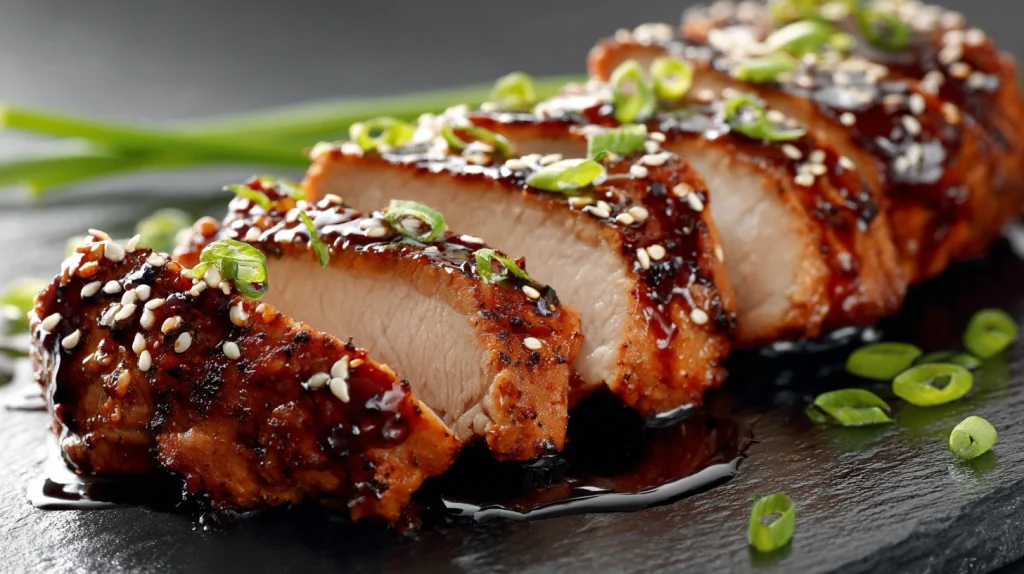
What makes asian pork tenderloin truly special is its versatility. It can be roasted in the oven, grilled, pan seared, or slow cooked depending on the texture and flavor you want. A properly cooked pork tenderloin asian style should be juicy inside with a glossy coating outside that carries all the seasoning without overpowering the natural flavor of the pork.
The flavor profile is balanced rather than heavy. You get saltiness from soy sauce, sweetness from honey or brown sugar, depth from garlic and ginger, and heat from chili if you prefer a spicy pork tenderloin variation. These flavors work together to create a dish that feels comforting yet exciting.
Another reason asian pork tenderloin is loved by home cooks is that it fits into many meal styles. It works for quick dinners, meal prep, holiday meals, or even casual gatherings. It can also adapt into recipes like teriyaki pork loin, thai pork tenderloin, or hoisin pork tenderloin crockpot versions with only small adjustments.
Whether you are looking for chinese pork tenderloin recipes asian pork loin recipes crockpot ideas or simply want a dependable dinner recipe with rich flavor and tender texture, this dish is one worth mastering.
Why You’ll Love This Recipe
This asian pork tenderloin recipe focuses on proper cooking technique rather than relying only on sauce for flavor. Pork tenderloin is naturally lean, which means it can become dry if cooked incorrectly. This recipe keeps the meat juicy by balancing marination time, cooking temperature, and resting properly before slicing.
The marinade is another major strength of this recipe. Instead of simply coating the outside, the ingredients absorb into the meat and create flavor throughout. Garlic and ginger provide freshness while soy sauce and hoisin bring savory depth. The result tastes rich without feeling overly heavy.
This recipe is also flexible. You can roast the pork for a caramelized exterior, prepare an asian pork loin crockpot version for extra tenderness, or create a slow cooker asian pork tenderloin for busy days when you want hands-off cooking. The same flavor foundation works across different cooking methods.
Another reason this recipe stands out is texture. Properly cooked asian pork roast should slice cleanly while remaining moist and tender inside. Each bite should feel juicy instead of dry or chewy. This recipe achieves that balance consistently.
Finally, asian pork tenderloin pairs easily with rice, noodles, vegetables, or salads. It fits naturally into everyday dinners while still feeling polished enough for guests. The leftovers are also excellent for wraps, bowls, or sandwiches, making it practical for meal preparation.
Preparation and Cooking Time
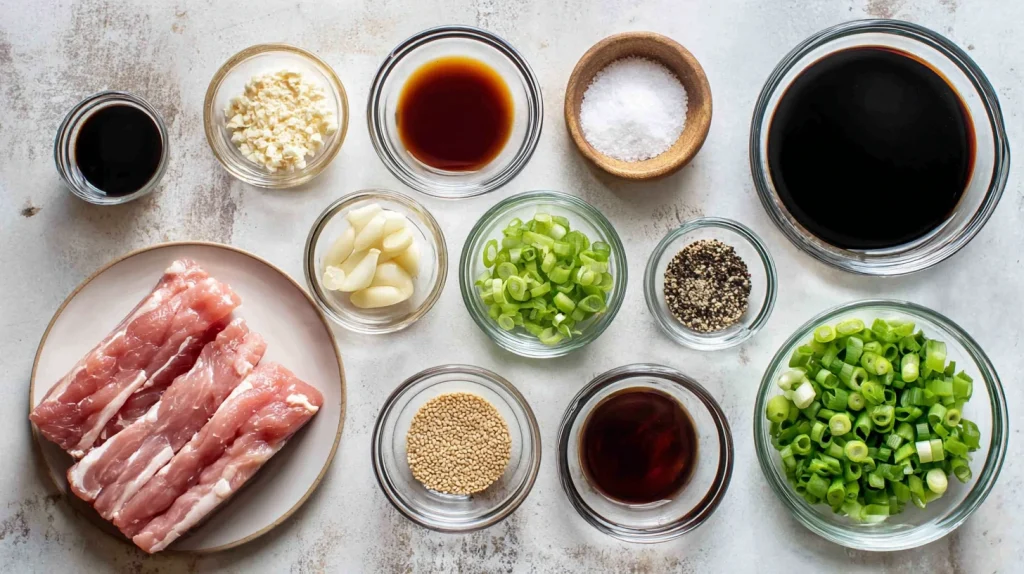
Ingredients
For the pork
For the marinade
For cooking
Optional serving ingredients
Substitution notes
Step-by-Step Instructions
Step 1: Prepare the Marinade
In a large bowl, combine soy sauce, hoisin sauce, honey, sesame oil, garlic, ginger, black pepper, chili flakes, and rice vinegar, mixing thoroughly until the marinade becomes smooth and evenly blended with all the aromatics distributed throughout.
Step 2: Marinate the Pork
Place the pork tenderloin into the marinade and coat it completely on all sides, then cover and refrigerate for at least one hour so the flavors absorb properly into the meat while maintaining the tender texture of the pork.
Step 3: Prepare for Cooking
Remove the pork from the refrigerator about 15 minutes before cooking to allow it to come closer to room temperature, helping it cook more evenly and preventing the outside from overcooking before the center is done.
Step 4: Sear the Pork
Heat oil in a large pan over medium-high heat and sear the pork tenderloin on all sides until lightly browned, creating a flavorful crust that helps lock in juices and improves the final texture of the asian pork tenderloin.
Step 5: Roast the Pork
Transfer the seared pork to a baking dish and roast in a preheated oven at 200 degrees Celsius for about 18 to 22 minutes, occasionally brushing extra marinade over the surface to build flavor and maintain moisture.
Step 6: Rest the Pork
Remove the pork from the oven and let it rest for at least 10 minutes before slicing so the juices redistribute throughout the meat and the texture remains moist and tender.
Step 7: Garnish and Finish
Slice the asian pork tenderloin into medallions and garnish with sesame seeds and green onions before serving, adding freshness and texture to the finished dish.
How to Serve
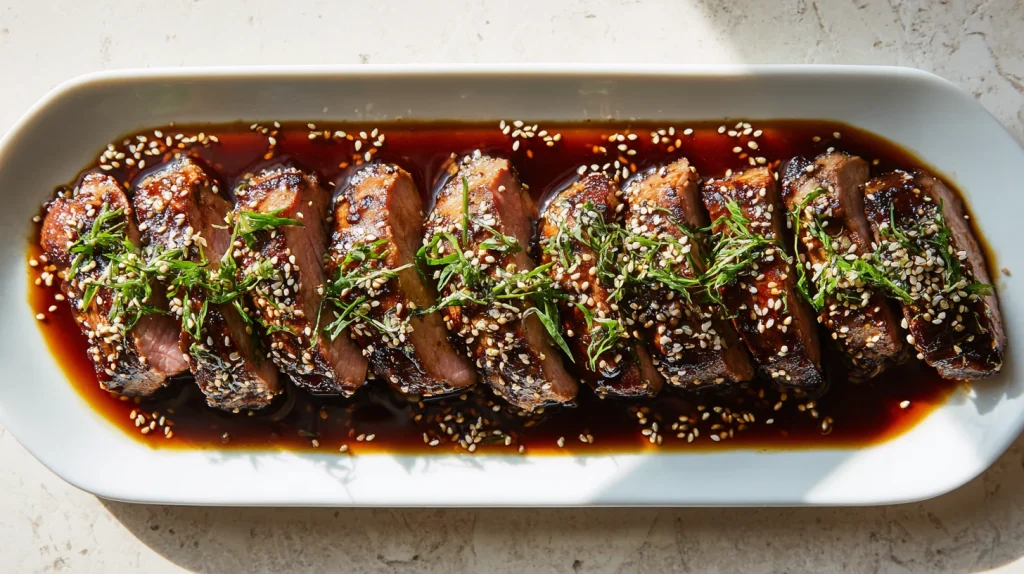
Asian pork tenderloin is best served sliced thinly and arranged neatly on a serving platter with some of the cooking juices spooned over the top. The glossy coating and caramelized edges create an attractive presentation that looks both comforting and refined. Serve it with steamed jasmine rice, stir fried vegetables, or noodles to absorb the flavorful sauce and balance the richness of the pork.
For a lighter meal, pair asian pork loin with fresh cucumber salad or sautéed greens. The freshness helps balance the sweet and savory glaze. If serving guests, arrange slices slightly overlapping on a platter and garnish with sesame seeds, green onions, and thin strips of fresh chili for a restaurant-style appearance.
This recipe also works beautifully for meal preparation. Pack slices alongside rice and vegetables for easy lunches during the week. The flavors continue to develop after resting, making leftovers especially enjoyable.
If you prefer a slow cooker approach, prepare a slow cooker ginger garlic pork tenderloin or tenderloin crockpot version and serve the shredded meat over rice bowls or noodles. A slow cooker pork loin filet style presentation works particularly well with extra sauce spooned over the top.
For gatherings, you can serve asian pork roast family-style with multiple side dishes such as stir fried vegetables, fried rice, dumplings, or salads. This creates a complete meal that feels generous and satisfying without requiring complicated preparation.
Secret Behind This Recipe
The key to perfect asian pork tenderloin is balancing moisture and heat. Pork tenderloin is naturally lean, so overcooking can quickly dry it out. Searing first creates flavor while protecting the surface, and finishing in the oven allows the inside to cook gently and evenly.
Marinating time is equally important. Too little time prevents proper flavor absorption, while excessive marinating can affect texture because of the salt and acidity. Around one hour creates the best balance for tenderness and flavor.
Resting the meat after cooking is another critical detail. Cutting too early releases juices and causes dryness. Allowing the pork to rest keeps the slices moist and flavorful.
The glaze also matters. A balanced mixture of soy sauce, garlic, ginger, and sweetness creates depth without making the pork overly salty or sugary. Proper balance is what separates average pork loin asian recipes from truly memorable ones.
Recipe Variations
Teriyaki pork loin
Replace hoisin sauce with teriyaki sauce for a sweeter and slightly thicker glaze inspired by classic teriyaki pork loin recipes
Thai pork tenderloin
Add lime juice, coriander, and chili paste for a thai pork tenderloin variation with brighter and spicier flavors
General Tso pork tenderloin
Increase chili flakes and add extra sweetness for a bold general tso pork tenderloin style version with rich sticky glaze
Slow cooker asian pork tenderloin
Place the marinated pork into a slow cooker and cook on low for 4 to 5 hours to create a tender asian pork tenderloin crockpot meal
Hoisin pork tenderloin crockpot
Use extra hoisin sauce and garlic in a slow cooker version for deeper sweetness and softer texture
Additional Tips
Freezing and Storage
Asian pork tenderloin stores very well when cooled properly and placed in airtight containers. Refrigerate leftovers for up to 4 days and reheat gently in a pan or oven with a small amount of sauce or broth to maintain moisture. For freezing, slice the pork and store it in freezer-safe bags with some sauce included to protect texture during freezing. Thaw overnight in the refrigerator before reheating slowly. Slow cooker asian pork tenderloin and asian pork loin crockpot versions also freeze exceptionally well because the extra moisture helps preserve tenderness.
Nutritional Information
Values are approximate per serving and may vary depending on ingredients used
Final Words
Asian pork tenderloin is one of the most dependable dishes for home cooks because it combines simple preparation with bold flavor and professional results. Once you understand the balance between marinating, searing, roasting, and resting, the process becomes easy and repeatable.
Whether you prefer a classic roasted version, spicy pork tenderloin, slow cooker ginger garlic pork tenderloin, or asian pork tenderloin crockpot variation, this recipe gives you a reliable foundation that can be adapted in many ways. The combination of juicy meat, rich glaze, and balanced seasoning makes it a dish worth adding permanently to your cooking routine.
FAQs

Asian Pork Tenderloin – A Flavor Packed Guide to Juicy and Tender Asian Pork Loin
Course: Halloween Recipes4
servings20
minutes30
minutes320
kcalIngredients
- For the pork
700 grams pork tenderloin
- For the marinade
4 tablespoons soy sauce
2 tablespoons hoisin sauce
2 tablespoons honey
1 tablespoon sesame oil
4 garlic cloves, minced
1 tablespoon fresh ginger, grated
1 teaspoon black pepper
1 teaspoon chili flakes
1 tablespoon rice vinegar
- For cooking
1 tablespoon oil
1 teaspoon sesame seeds
2 green onions, sliced
- Optional serving ingredients
Steamed rice
Roasted vegetables
Noodles
Stir fried greens
Directions
- In a large bowl, combine soy sauce, hoisin sauce, honey, sesame oil, garlic, ginger, black pepper, chili flakes, and rice vinegar, mixing thoroughly until the marinade becomes smooth and evenly blended with all the aromatics distributed throughout.
- Place the pork tenderloin into the marinade and coat it completely on all sides, then cover and refrigerate for at least one hour so the flavors absorb properly into the meat while maintaining the tender texture of the pork.
- Remove the pork from the refrigerator about 15 minutes before cooking to allow it to come closer to room temperature, helping it cook more evenly and preventing the outside from overcooking before the center is done.
- Heat oil in a large pan over medium-high heat and sear the pork tenderloin on all sides until lightly browned, creating a flavorful crust that helps lock in juices and improves the final texture of the asian pork tenderloin.
- Transfer the seared pork to a baking dish and roast in a preheated oven at 200 degrees Celsius for about 18 to 22 minutes, occasionally brushing extra marinade over the surface to build flavor and maintain moisture.
- Remove the pork from the oven and let it rest for at least 10 minutes before slicing so the juices redistribute throughout the meat and the texture remains moist and tender.
- Slice the asian pork tenderloin into medallions and garnish with sesame seeds and green onions before serving, adding freshness and texture to the finished dish.


