

Stir Fry Sauce Recipe for Bold Flavor and Perfect Homemade Meals
Introduction to Stir Fry Sauce
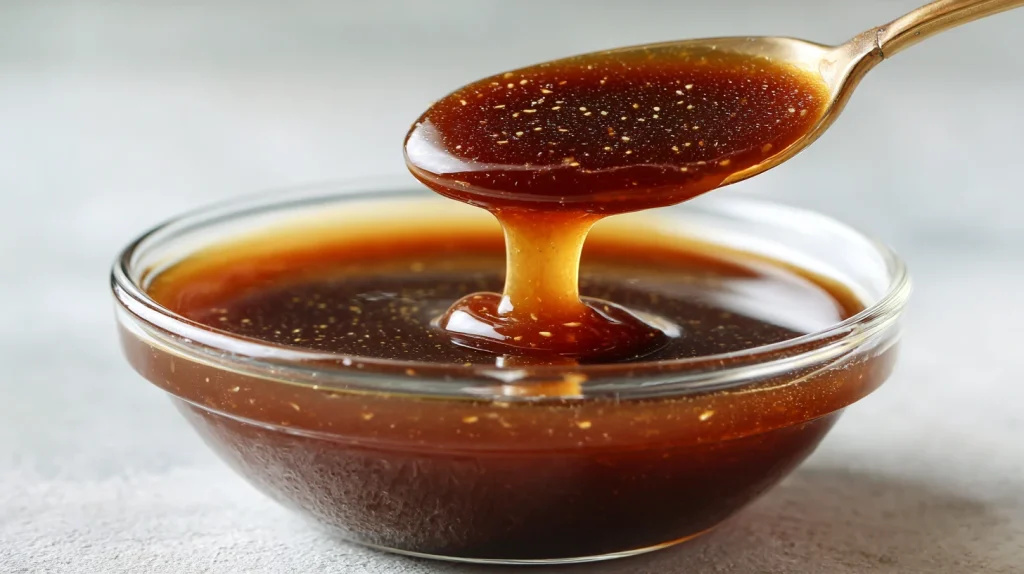
A great stir fry sauce can completely transform simple vegetables, noodles, rice, or protein into a flavorful and satisfying meal. While many people focus heavily on the ingredients inside a stir fry, experienced cooks know the sauce is what truly controls the final taste. A balanced stir fry sauce delivers savory depth, light sweetness, gentle acidity, and enough richness to coat every ingredient evenly without becoming heavy or sticky.
The best stir fry sauce should taste smooth, bold, and balanced. It should cling lightly to vegetables and noodles while enhancing their natural flavor instead of hiding them. A properly made stir fry sauce creates restaurant-quality flavor using simple pantry ingredients like soy sauce, garlic, ginger, broth, and sesame oil. These ingredients work together to create a sauce that feels layered and complex without requiring complicated cooking methods.
One reason people love homemade stir fry sauce is flexibility. The same base recipe can become mild, spicy, sweet, or deeply savory depending on how you adjust the ingredients. It can work as a vegan Chinese sauce for vegetables and tofu or as a rich glaze for chicken, shrimp, or beef. It also adapts beautifully into sauce for Szechuan dishes by adding chili paste, Sichuan pepper, or garlic for stronger heat and complexity.
Home cooks especially appreciate how practical stir fry sauce can be. Once prepared, it allows quick meals to come together in minutes. It is perfect for busy evenings, meal prep, or healthy homemade dinners. Whether you are searching for how to make Asian stir-fry sauce at home or exploring how to make Szechuan sauce for noodles and rice bowls, learning a reliable stir fry sauce recipe gives you endless possibilities in the kitchen.
Another reason stir fry sauce remains so popular is that it works across many cuisines and ingredients. It can coat noodles, flavor vegetables, glaze meats, or serve as a dipping sauce. From simple vegetable stir fries to spicy Szechuan sauce for rice dishes, this sauce becomes one of the most useful tools a home cook can master.
Why You’ll Love This Recipe
This stir fry sauce recipe is designed to create strong flavor while staying simple enough for everyday cooking. Many store-bought sauces taste too salty, overly sweet, or artificial. Homemade stir fry sauce gives you full control over balance, texture, and spice level while using fresh ingredients that create cleaner flavor.
One of the biggest strengths of this recipe is versatility. The sauce works with noodles, rice, vegetables, tofu, chicken, shrimp, and beef. You can keep it mild for family meals or turn it into a spicy Szechuan sauce recipe by adding chili garlic paste and crushed red pepper. That flexibility makes it useful for many different styles of cooking without needing multiple separate sauces.
Another advantage is texture. A good stir fry sauce should coat ingredients evenly without becoming watery or overly thick. This recipe achieves that balance by combining broth, soy sauce, and cornstarch carefully. The result is a glossy sauce that clings to vegetables and proteins beautifully.
This recipe is also ideal for meal prep because the sauce can be mixed in advance and stored in the refrigerator for quick cooking later. Once the sauce is prepared, a full stir fry meal can often be finished in less than 15 minutes. That makes this one of the most practical options for busy households looking for flavorful homemade meals.
For people exploring vegan Chinese sauce options, this recipe works especially well because it naturally supports plant-based ingredients. By using vegetable broth and avoiding oyster sauce, the sauce remains rich and savory while staying completely vegan. It also works beautifully as Szechuan sauce for stir fry dishes loaded with vegetables and tofu.
Preparation and Cooking Time
Ingredients
Substitution Notes
Step-by-Step Instructions
Step 1: Prepare the Base Ingredients
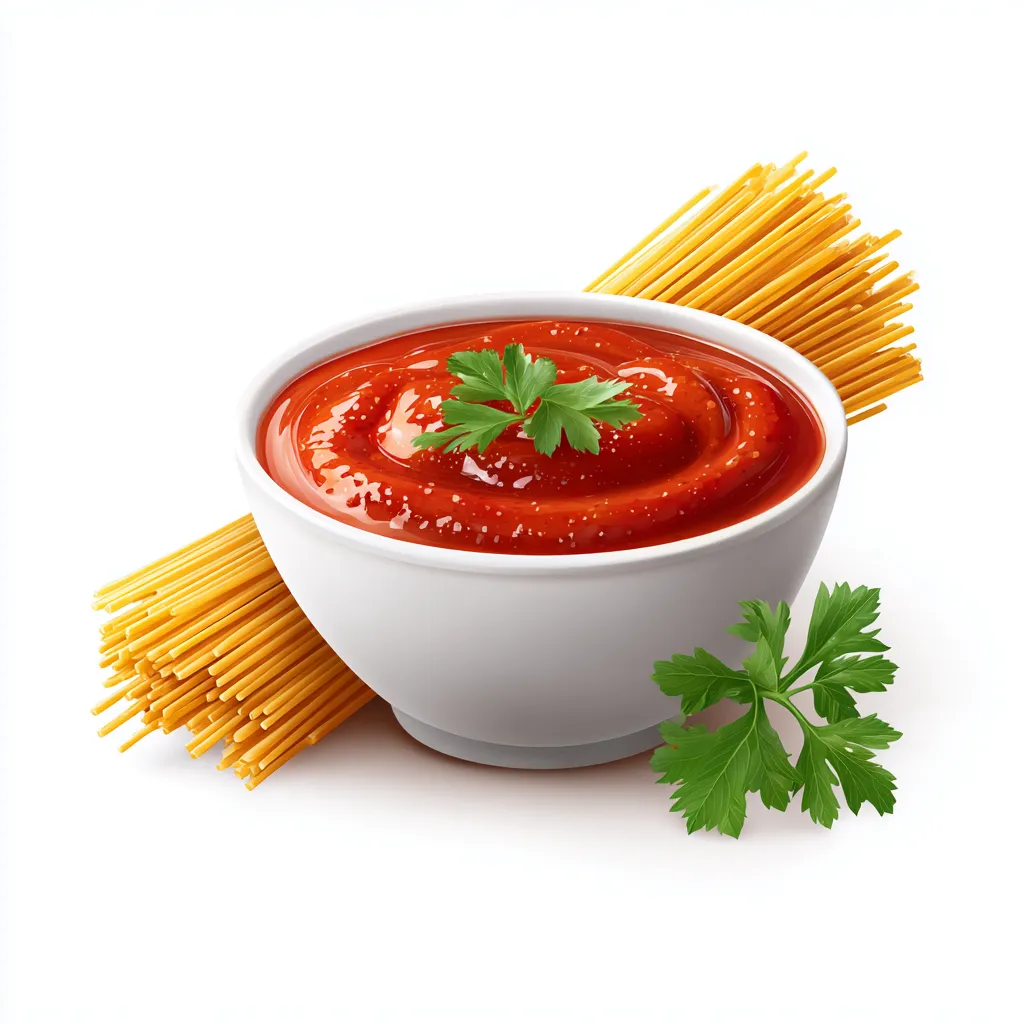
Measure the soy sauce, broth, rice vinegar, sesame oil, and sweetener carefully so the sauce develops balanced flavor without becoming too salty or too sweet.
Step 2: Mix the Thickener
Whisk the cornstarch into the broth thoroughly before heating so the sauce thickens smoothly without forming lumps during cooking.
Step 3: Combine the Sauce Ingredients
Add soy sauce, broth mixture, rice vinegar, sesame oil, garlic, ginger, black pepper, and optional chili ingredients into a bowl and whisk until fully combined.
Step 4: Heat the Sauce
Pour the stir fry sauce into a small saucepan over medium heat and cook gently while stirring continuously until the sauce becomes glossy and slightly thickened.
Step 5: Taste and Adjust
Taste the sauce carefully and adjust sweetness, spice, or saltiness depending on how you plan to use the stir fry sauce in your final dish.
Step 6: Use Immediately or Store
Add the finished stir fry sauce directly into cooked vegetables, noodles, rice, or proteins, or allow it to cool completely before storing for later use.
How to Serve
Stir fry sauce works best when tossed with freshly cooked vegetables, noodles, rice, or protein over high heat. For classic stir fry meals, add the sauce during the final minutes of cooking so it coats every ingredient evenly without overcooking the vegetables. This sauce pairs especially well with broccoli, carrots, mushrooms, snap peas, tofu, chicken, shrimp, and beef. For spicy meals, use the sauce as Szechuan sauce for stir fry dishes with noodles and chili oil. It also works beautifully as Szechuan sauce for rice bowls topped with roasted vegetables or grilled meats. To create balanced meals, serve stir fries with steamed rice, sesame seeds, green onions, or cucumber salad. The glossy finish and deep flavor make the dish look vibrant and restaurant quality even with simple ingredients.
Secret Behind This Recipe
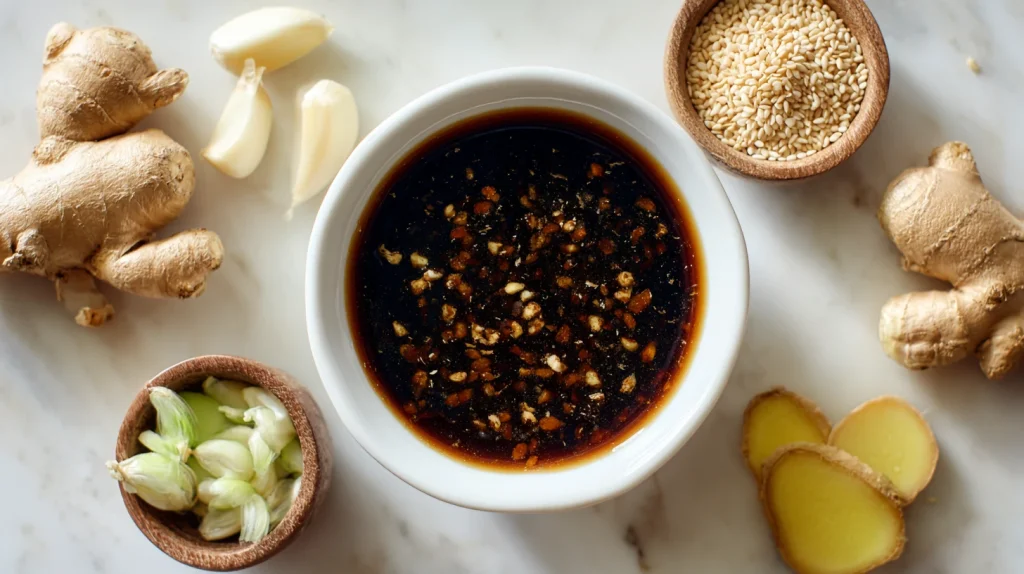
The secret to excellent stir fry sauce is balance. A sauce that is too salty overwhelms the vegetables, while too much sugar creates heaviness instead of depth. This recipe balances soy sauce, acid, sweetness, and aromatics carefully so every ingredient supports the others without dominating the final flavor.
Another important detail is cooking temperature. Stir fry sauce should thicken gently instead of boiling aggressively. Slow thickening allows the garlic and ginger flavors to blend naturally into the liquid while keeping the texture smooth and glossy.
Fresh aromatics also make a major difference. Fresh garlic and ginger provide sharper and cleaner flavor compared to powdered versions. The addition of sesame oil at the right stage creates richness and aroma that strengthen the entire dish. For people learning how to make Asian stir-fry sauce, understanding these small details creates a major improvement in flavor.
Adding chili garlic sauce transforms the base recipe into a strong Szechuan sauce recipe with deeper spice and warmth. That flexibility allows one simple stir fry sauce to support multiple meal styles without needing entirely separate recipes.
Recipe Variations
Szechuan Sauce Recipe
Add extra chili garlic sauce, crushed Sichuan peppercorns, and a small amount of chili oil for a stronger and spicier sauce for Szechuan dishes.
Vegan Chinese Sauce
Use vegetable broth, maple syrup, and extra mushrooms to create a rich vegan Chinese sauce perfect for tofu and vegetables.
Garlic Ginger Stir Fry Sauce
Double the garlic and ginger for a sharper and more aromatic stir fry sauce ideal for noodle dishes.
Peanut Stir Fry Sauce
Add creamy peanut butter and lime juice for a thicker and slightly creamy sauce inspired by Asian noodle bowls.
Sweet and Spicy Stir Fry Sauce
Increase honey and chili paste together to create a sauce with stronger sweet heat balance.
Additional Tips
Freezing and Storage
Stir fry sauce stores very well in airtight containers or glass jars in the refrigerator for up to 1 week. Before using refrigerated sauce, shake or stir it thoroughly because the cornstarch and seasonings may settle over time. For longer storage, freeze the sauce in portion-sized containers for up to 2 months. Thaw overnight in the refrigerator before reheating gently on the stove. If the sauce thickens too much after storage, add a small splash of water or broth while reheating. Fresh garlic and ginger flavors remain strongest during the first few days, so the sauce tastes best when used relatively soon after preparation.
Nutritional Information
Approximate values per serving
Final Words
Learning how to make homemade stir fry sauce is one of the most valuable skills for quick and flavorful cooking. A well-balanced stir fry sauce transforms simple vegetables, noodles, rice, and proteins into meals that feel satisfying and restaurant quality without requiring complicated techniques.
Whether you are exploring how to make Asian stir-fry sauce for meal prep, creating spicy Szechuan sauce for stir fry dishes, or preparing vegan Chinese sauce for plant-based meals, this recipe gives you a dependable and flexible foundation. The balance of soy sauce, garlic, ginger, broth, and sesame oil creates flavor that works across countless dishes while still remaining approachable for everyday cooking.
Once you make stir fry sauce at home, it becomes easier to customize meals exactly to your taste. You control the spice, sweetness, saltiness, and thickness while avoiding the overly processed flavor common in many bottled sauces. That combination of flexibility, flavor, and simplicity is what makes homemade stir fry sauce such an essential recipe for every kitchen.
FAQs

Stir Fry Sauce Recipe for Bold Flavor and Perfect Homemade Meals
Course: Halloween Recipes6
servings10
minutes5
minutes55
kcalIngredients
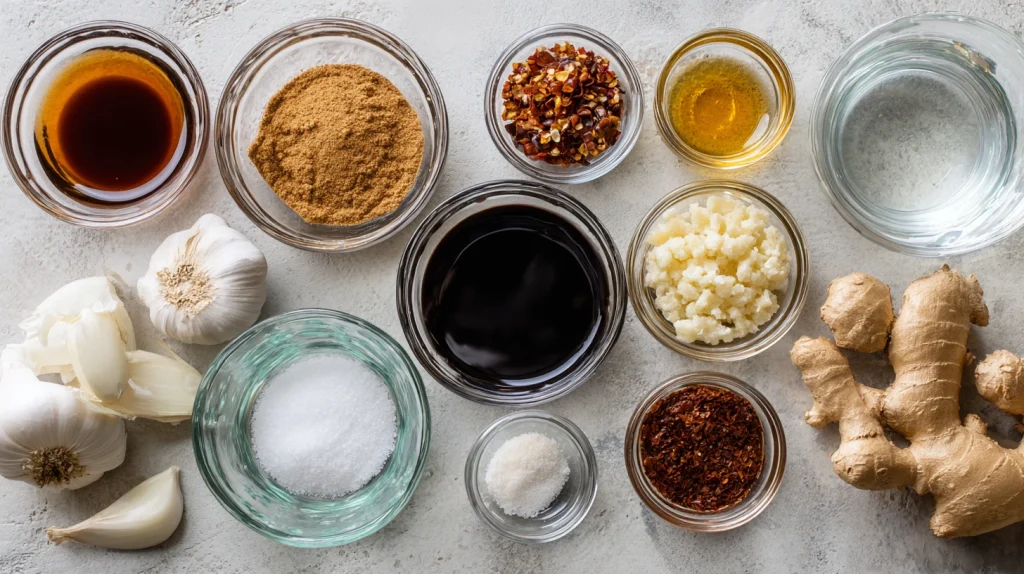
1/2 cup low-sodium soy sauce
1/2 cup vegetable or chicken broth
2 tablespoons rice vinegar
2 tablespoons brown sugar or honey
1 tablespoon sesame oil
1 tablespoon cornstarch
4 garlic cloves minced
1 tablespoon fresh ginger grated
1 teaspoon chili flakes optional
1 tablespoon chili garlic sauce optional for Szechuan flavor
1 teaspoon black pepper
1 tablespoon hoisin sauce optional
Directions
- Measure the soy sauce, broth, rice vinegar, sesame oil, and sweetener carefully so the sauce develops balanced flavor without becoming too salty or too sweet.
- Whisk the cornstarch into the broth thoroughly before heating so the sauce thickens smoothly without forming lumps during cooking.
- Add soy sauce, broth mixture, rice vinegar, sesame oil, garlic, ginger, black pepper, and optional chili ingredients into a bowl and whisk until fully combined.
- Pour the stir fry sauce into a small saucepan over medium heat and cook gently while stirring continuously until the sauce becomes glossy and slightly thickened.
- Taste the sauce carefully and adjust sweetness, spice, or saltiness depending on how you plan to use the stir fry sauce in your final dish.
- Add the finished stir fry sauce directly into cooked vegetables, noodles, rice, or proteins, or allow it to cool completely before storing for later use.