

Best Fried Eggplant Recipe – Crispy Golden Eggplant Cutlet
Fried Eggplant
Fried eggplant is one of those dishes that feels simple on the surface but delivers deep flavor when done correctly. At its best, fried eggplant is crispy on the outside, tender and creamy inside, and lightly seasoned so the natural taste of the eggplant comes through. It is the kind of recipe that transforms a humble vegetable into something that feels indulgent and satisfying without needing complicated ingredients.
The texture is what makes fried eggplant so special. When sliced properly and cooked in hot oil or baked with a crisp coating, the outside becomes golden and slightly crunchy while the inside turns soft like custard. This contrast is what makes people love it. It works as a snack, a side dish, or even a base for larger meals.
Many home cooks search for fried eggplant because they want a reliable way to cook eggplant without bitterness or sogginess. Eggplant has a reputation for absorbing oil, but when handled properly, it becomes rich rather than greasy. The trick lies in preparation, slicing, and controlling moisture. This dish also connects to many other popular eggplant recipes breaded or baked versions. Some people prefer fried baby eggplant for bite sized pieces, while others like larger slices that resemble eggplant cutlet style servings. No matter the style, fried eggplant remains a foundation recipe in many kitchens.
If you are wondering what to serve with fried eggplant, the answer is flexible. It pairs well with salads, rice dishes, pasta, grilled meats, or even simple yogurt based sauces. It can also be layered into sandwiches or served as part of a mezze style platter. Learning how to make fried eggplant also helps you understand related methods like baking breaded eggplant or making breading eggplant techniques work better. Once you master this, you can easily adapt it into baked or lighter versions without losing flavor.
Why You’ll Love This Recipe
Fried eggplant is one of the most rewarding vegetable dishes because it turns a simple ingredient into something crispy and flavorful without needing expensive items or complex steps.
Preparation and Cooking Time, also serving
Ingredients
Substitution Notes
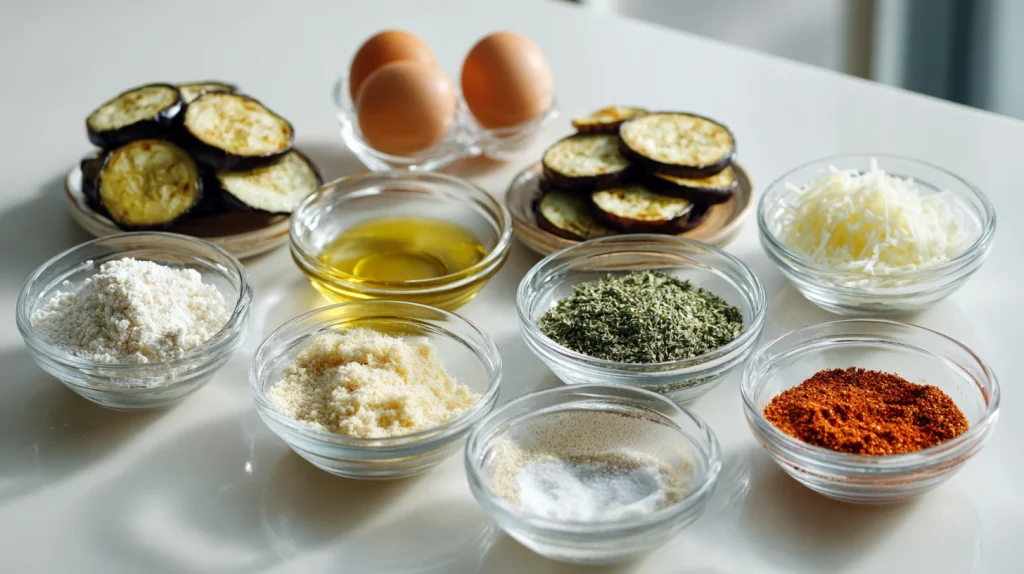
Step-by-Step Instructions
Step 1: Prepare the Eggplant
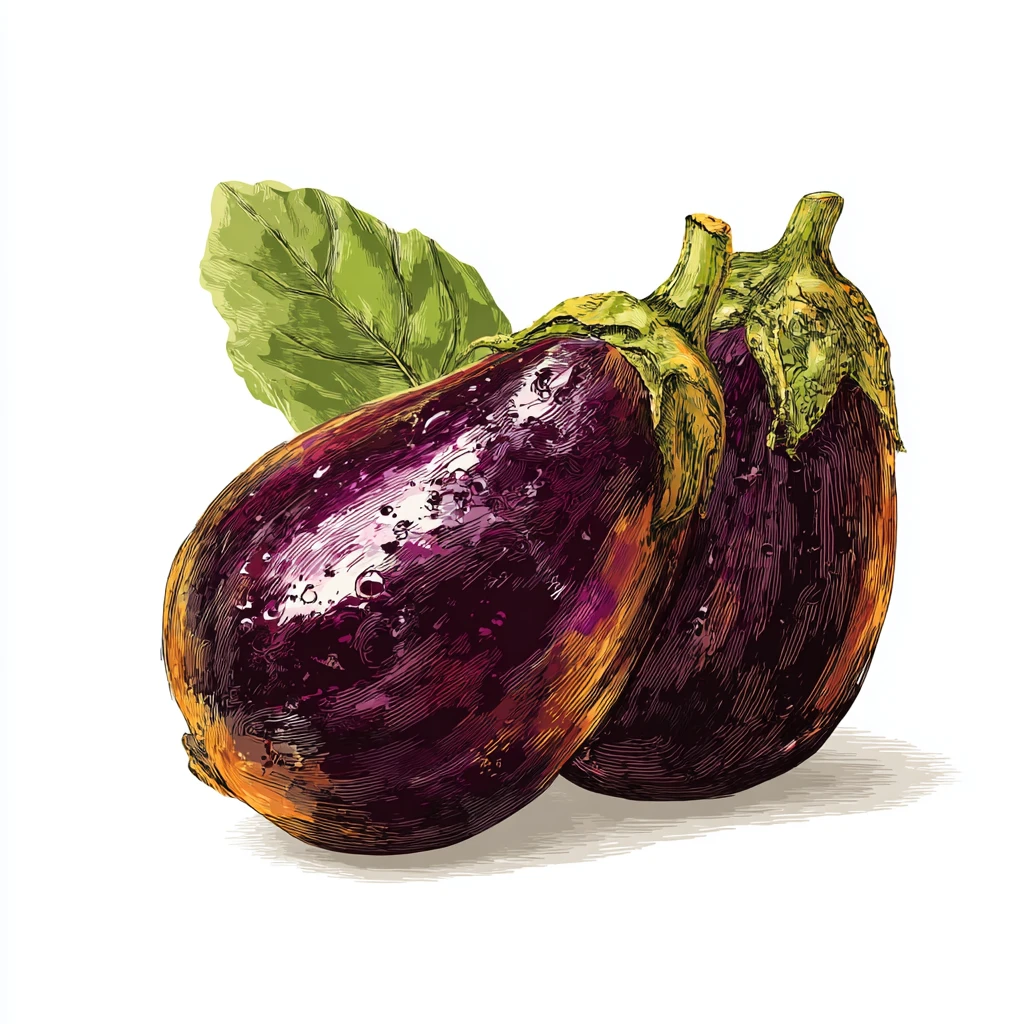
Slice the eggplants evenly so they cook at the same rate. Place them on a tray and sprinkle salt on both sides. Let them rest for 20 to 30 minutes so moisture can be drawn out. This step prevents soggy fried eggplant and helps improve texture. After resting, pat each slice dry using paper towels so the coating sticks properly.
Step 2: Set Up the Breading Station
Prepare three bowls. In the first bowl place flour. In the second bowl whisk eggs with milk until smooth. In the third bowl mix breadcrumbs with garlic powder, paprika, black pepper, and oregano. Organizing the station before frying makes the process smoother and keeps breading consistent across all slices.
Step 3: Coat the Eggplant Slices
Take each slice and coat it lightly in flour first. Then dip it into the egg mixture, allowing excess to drip off. Finally press it into the breadcrumb mixture, making sure both sides are fully covered. This breading eggplant method creates a crisp outer layer that holds during frying.
Step 4: Heat the Oil Properly
Pour oil into a deep pan and heat it over medium flame. The oil should be hot enough that a small breadcrumb sizzles immediately but not so hot that it burns the coating. Proper temperature control is key for evenly cooked fried eggplant without absorbing too much oil.
Step 5: Fry the Eggplant
Place coated slices carefully into the hot oil without overcrowding the pan. Fry each side until golden brown, usually 2 to 3 minutes per side. Remove and place on a paper towel lined plate to drain excess oil. This creates crisp fried eggplant with a light texture instead of heaviness.
Step 6: Rest and Finish
Let the fried eggplant rest for a few minutes before serving. This helps the coating set and keeps the inside soft but not mushy. Sprinkle with fresh parsley and serve warm for best flavor.
How to Serve
Fried eggplant can be served in many practical and delicious ways depending on the meal style.
If you are wondering what to serve with fried eggplant, the key is balance. Since fried eggplant is rich and crispy, it works best with fresh, acidic, or creamy sides.
Additional Tips

Recipe Variations
Freezing and Storage
Nutritional Information
Approximate values per serving
Final Words
Fried eggplant is a simple recipe that rewards careful preparation with outstanding texture and flavor. It shows how a basic vegetable can become something crispy, satisfying, and versatile when handled properly. Whether you enjoy it as a snack, side dish, or part of a larger meal, fried eggplant is a recipe worth mastering.
Once you understand the process, you can adapt it into many variations like eggplant cutlet dishes, baked alternatives, or lighter versions that still carry the same comfort. It also answers the common question of what to serve with fried eggplant because it fits into so many meal styles.
Cooking fried eggplant at home gives you full control over flavor, texture, and freshness. With a few simple techniques, you can turn everyday eggplant into a dish that feels both traditional and timeless.
FAQs

Best Fried Eggplant Recipe – Crispy Golden Eggplant Cutlet
Course: Snacks4
servings25
minutes20
minutes310
kcalIngredients
2 medium eggplants, sliced into 1/2 inch rounds
2 teaspoons salt
1 cup all purpose flour
2 large eggs
2 tablespoons milk
1 1/2 cups breadcrumbs
1 teaspoon garlic powder
1 teaspoon paprika
1 teaspoon black pepper
1 teaspoon dried oregano
1 cup vegetable oil for frying
Fresh parsley for garnish
Lemon wedges for serving
Directions
- Slice the eggplants evenly so they cook at the same rate. Place them on a tray and sprinkle salt on both sides. Let them rest for 20 to 30 minutes so moisture can be drawn out. This step prevents soggy fried eggplant and helps improve texture. After resting, pat each slice dry using paper towels so the coating sticks properly.
- Prepare three bowls. In the first bowl place flour. In the second bowl whisk eggs with milk until smooth. In the third bowl mix breadcrumbs with garlic powder, paprika, black pepper, and oregano. Organizing the station before frying makes the process smoother and keeps breading consistent across all slices.
- Take each slice and coat it lightly in flour first. Then dip it into the egg mixture, allowing excess to drip off. Finally press it into the breadcrumb mixture, making sure both sides are fully covered. This breading eggplant method creates a crisp outer layer that holds during frying.
- Pour oil into a deep pan and heat it over medium flame. The oil should be hot enough that a small breadcrumb sizzles immediately but not so hot that it burns the coating. Proper temperature control is key for evenly cooked fried eggplant without absorbing too much oil.
- Place coated slices carefully into the hot oil without overcrowding the pan. Fry each side until golden brown, usually 2 to 3 minutes per side. Remove and place on a paper towel lined plate to drain excess oil. This creates crisp fried eggplant with a light texture instead of heaviness.
- Let the fried eggplant rest for a few minutes before serving. This helps the coating set and keeps the inside soft but not mushy. Sprinkle with fresh parsley and serve warm for best flavor.