

No-knead Black Bread Recipe – Easy Artisan Dark Bread at Home
No-knead Black Bread
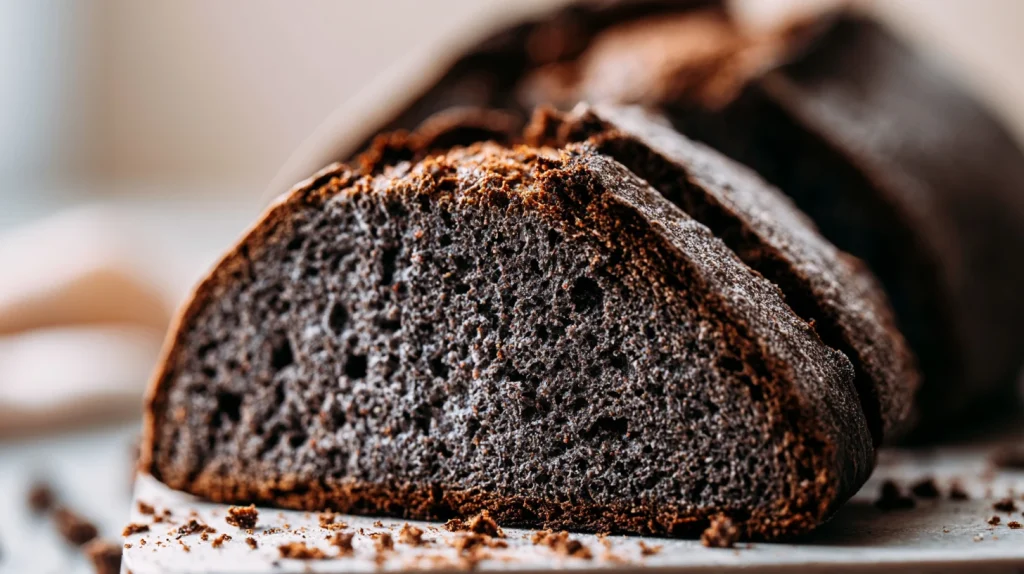
No-knead black bread is a deeply flavored, dark rustic loaf that relies on time instead of effort. Instead of traditional kneading, the dough develops strength slowly through long fermentation. This creates a loaf with a crisp crust, chewy interior, and a rich earthy taste that feels bakery made.
The flavor of No-knead black bread is bold and slightly tangy with subtle bitterness from cocoa or dark grains. The texture is hearty but not heavy, making it ideal for sandwiches, soups, or simple buttered slices. Home cooks love No-knead black bread because it removes complicated steps while still producing professional level results.
This style of bread also pairs well with creative home baking ideas. Many bakers who enjoy experimenting with No-knead black bread also explore soft baked goods like Banana Bread Recipe With 3 Bananas, Banana Bread With 3 Bananas, Banana Bread Recipe No Cinnamon, Banana Bread Recipe No Sour Cream, Banana Bread Recipe 5 Bananas, and Best Homemade Banana Bread. These recipes help understand moisture balance and texture, which also improves bread baking skill overall.
Why You’ll Love This Recipe
No-knead black bread is designed for simplicity without sacrificing quality. It gives you artisan style bread with minimal hands-on work, which makes it ideal for beginners and busy home cooks.
The long fermentation process naturally builds gluten structure and deep flavor, so you do not need advanced techniques. This makes No-knead black bread reliable and forgiving.
Another reason to love No-knead black bread is its versatility. You can adjust flour types, sweetness, or seeds without breaking the recipe. It adapts easily to personal taste while still maintaining structure.
It also fits into a flexible schedule. You can mix the dough at night and bake it the next day, which makes No-knead black bread practical for everyday baking.
Preparation and Cooking Time, also serving
Ingredients
Substitution notes
Step-by-Step Instructions

Step 1: Mix dry ingredients
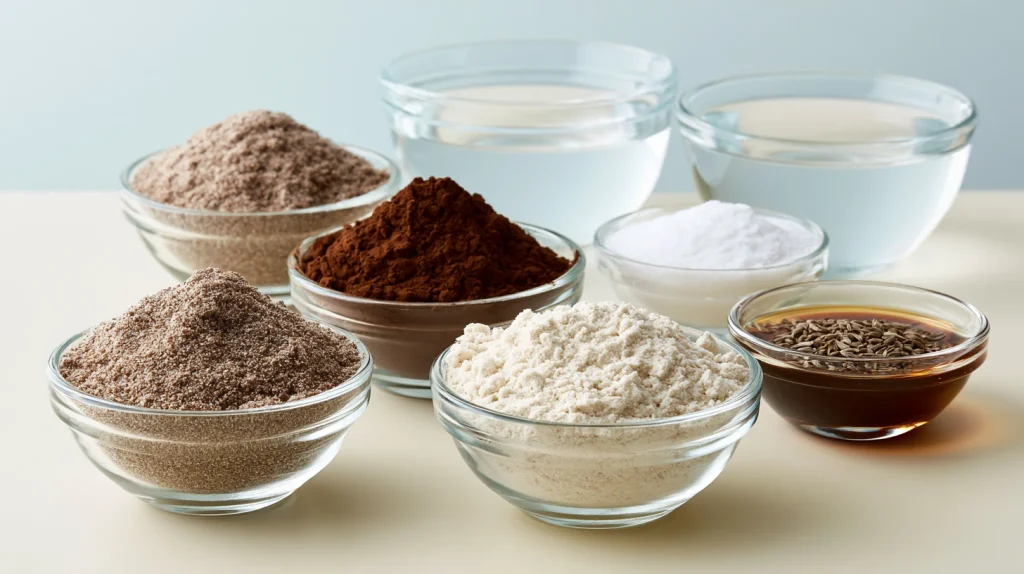
Combine bread flour, whole wheat flour, cocoa powder, yeast, salt, and sugar in a large bowl. Mix evenly so everything is well distributed for consistent No-knead black bread flavor.
Step 2: Add water and form dough
Add warm water and olive oil. Stir until a sticky, rough dough forms. The mixture should look shaggy and slightly wet, which is correct for No-knead black bread.
Step 3: First fermentation
Cover the bowl and leave it at room temperature for 12 to 18 hours. The dough will rise slowly and develop flavor without kneading.
Step 4: Shape the dough
Lightly flour a surface and gently shape the dough into a round. Handle softly to keep air bubbles inside the No-knead black bread structure.
Step 5: Second rise
Place dough on parchment paper, cover, and let rest for 30 to 60 minutes. This strengthens final texture before baking.
Step 6: Bake
Preheat oven to 220°C with a Dutch oven inside. Place dough in hot pot, cover, and bake for 30 minutes. Remove lid and bake another 15 to 20 minutes until dark crust forms.
Step 7: Cool
Let No-knead black bread cool for at least 1 hour before slicing to preserve crumb structure.
How to Serve
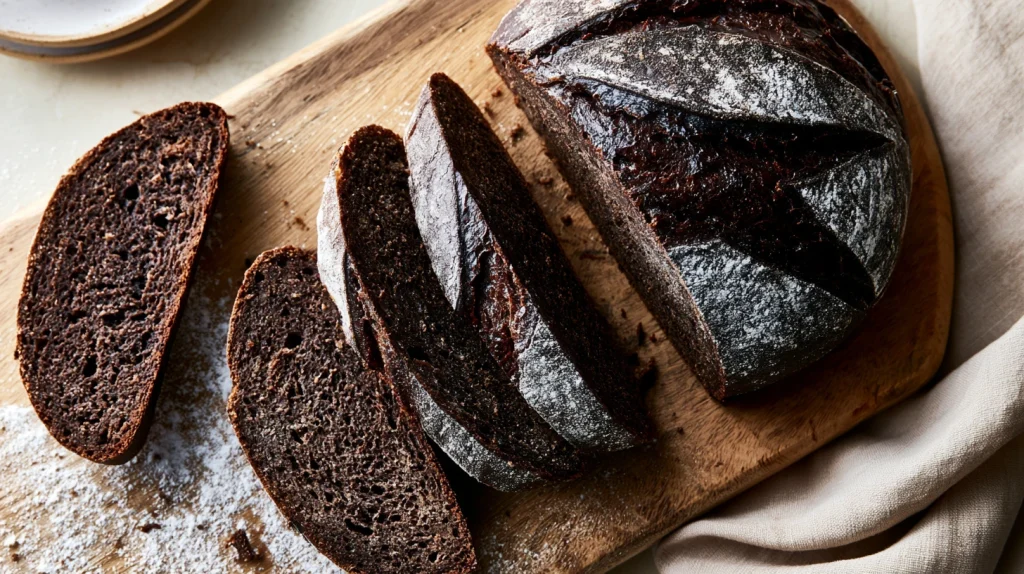
No-knead black bread is best served in simple and rustic ways that highlight its deep flavor.
Additional Tips
Recipe Variations
No-knead black bread is a flexible base recipe, and small adjustments can completely change its character. Once you understand how the dough behaves, you can tailor it for sweetness, depth, texture, or aroma without affecting its structure. These variations are designed to keep the same no-knead method while giving you different results depending on your mood or meal plan.
Freezing and Storage
Nutritional Information
Final Words
No-knead black bread is one of those recipes that quietly changes how you think about baking. At first glance it looks simple, almost too simple to produce something truly special, but that is exactly where its strength lies. The long fermentation replaces effort with patience, and in return you get a loaf with depth, structure, and flavor that feels like it came from a professional bakery. Once you bake No-knead black bread a few times, you start to understand that good bread is less about technique and more about timing and respect for the dough.
What makes No-knead black bread especially valuable for home cooks is how forgiving it is once you understand the basics. There is no constant kneading, no complicated shaping rules, and no need for expensive equipment beyond a basic baking pot. Even if your first attempt is not perfect, the results are still usually very edible and satisfying. Over time, you begin to notice small improvements in crust color, crumb texture, and flavor balance, which builds real confidence in your baking skills.
Another important aspect of No-knead black bread is how easily it fits into everyday life. You can mix the dough in the evening, leave it overnight, and bake it the next day with very little active effort. This makes it practical for busy schedules while still giving you the reward of fresh homemade bread. It also becomes a base recipe you can adapt depending on what you have at home, whether you want a deeper, darker loaf or a slightly softer version with subtle sweetness inspired by recipes like Banana Bread Recipe With 3 Bananas or Banana Bread Recipe No Sour Cream.
In the end, No-knead black bread is not just about producing a loaf, it is about building a habit of slow, mindful cooking. It teaches patience, observation, and trust in simple ingredients working together over time. Once you are comfortable with it, you will likely find yourself returning to it again and again, not because it is difficult, but because it is reliable, rewarding, and genuinely satisfying to make from scratch.
FAQs

No-knead Black Bread Recipe – Easy Artisan Dark Bread at Home
Course: Bread Recipes10
servings15
minutes50
minutes220
kcalIngredients
500 grams strong bread flour
50 grams whole wheat flour
20 grams unsweetened cocoa powder
10 grams instant yeast
10 grams salt
20 grams brown sugar or molasses
350 ml warm water
1 tablespoon olive oil
Optional: 1 tablespoon caraway seeds
Optional: 1 tablespoon coffee powder for deeper color and flavor
Directions
- Combine bread flour, whole wheat flour, cocoa powder, yeast, salt, and sugar in a large bowl. Mix evenly so everything is well distributed for consistent No-knead black bread flavor.
- Add warm water and olive oil. Stir until a sticky, rough dough forms. The mixture should look shaggy and slightly wet, which is correct for No-knead black bread.
- Cover the bowl and leave it at room temperature for 12 to 18 hours. The dough will rise slowly and develop flavor without kneading.
- Lightly flour a surface and gently shape the dough into a round. Handle softly to keep air bubbles inside the No-knead black bread structure.
- Place dough on parchment paper, cover, and let rest for 30 to 60 minutes. This strengthens final texture before baking.
- Preheat oven to 220°C with a Dutch oven inside. Place dough in hot pot, cover, and bake for 30 minutes. Remove lid and bake another 15 to 20 minutes until dark crust forms.
- Let No-knead black bread cool for at least 1 hour before slicing to preserve crumb structure.