

Best Chess Pie Recipe – Classic Southern Dessert Idea
Chess Pie
Chess Pie is a traditional Southern dessert known for its simplicity, rich sweetness, and custard like texture that forms from just a handful of pantry ingredients. At its core, it is a single crust pie filled with a mixture of eggs, sugar, butter, and a small amount of cornmeal or flour that helps the filling set as it bakes. Despite its short ingredient list, the final result is surprisingly deep in flavor and texture, with a lightly crisp top and a soft, almost creamy interior.
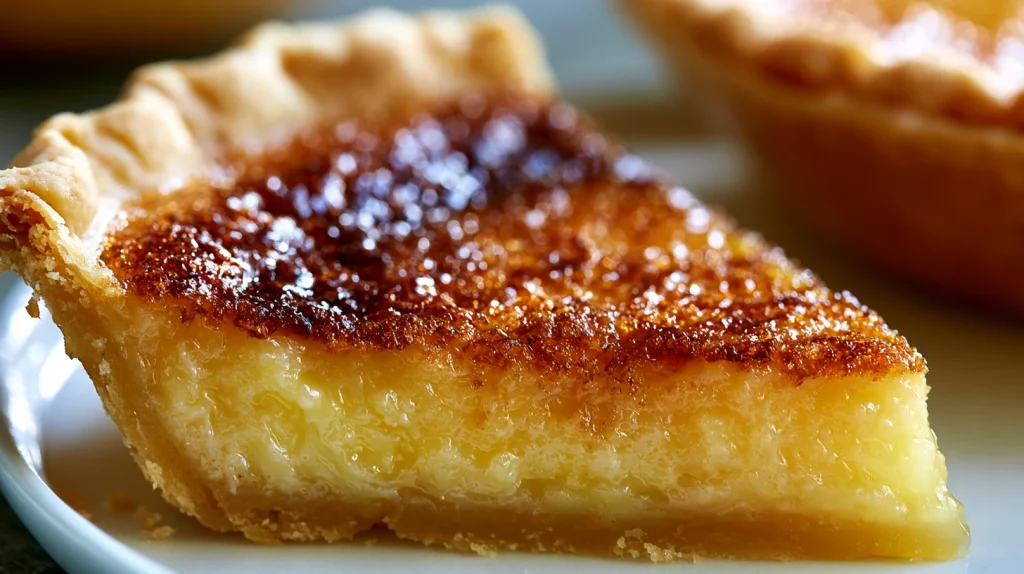
What makes Chess Pie unique is its balance between richness and structure. The sugar caramelizes slightly in the oven, creating a thin, delicate crust on top, while the inside remains smooth and custard soft. Some versions include vinegar or buttermilk, which adds a gentle tang that cuts through the sweetness and gives the pie more dimension. This is why many bakers prefer Chess Pie Recipe With Buttermilk variations for a more balanced flavor profile.
Chess Pie is also widely loved because it represents old fashioned baking at its simplest. It belongs to the category of One Crust Pies, meaning you only need a single pie shell, making it easier than layered or lattice pies. Over time, it has become known as one of the Best Southern Pie Ever due to its comforting texture and dependable results. Whether you follow a traditional Southern Chess Pie Recipe or explore modern adaptations like Chess Pie No Cornmeal or Sugar Free Chess Pie, the foundation remains the same and consistently reliable.
Why You’ll Love This Recipe
Chess Pie is a dessert that proves simplicity can still create depth. It does not rely on complex techniques or specialty ingredients, yet the final result feels like something carefully crafted.
Preparation and Cooking Time, also serving
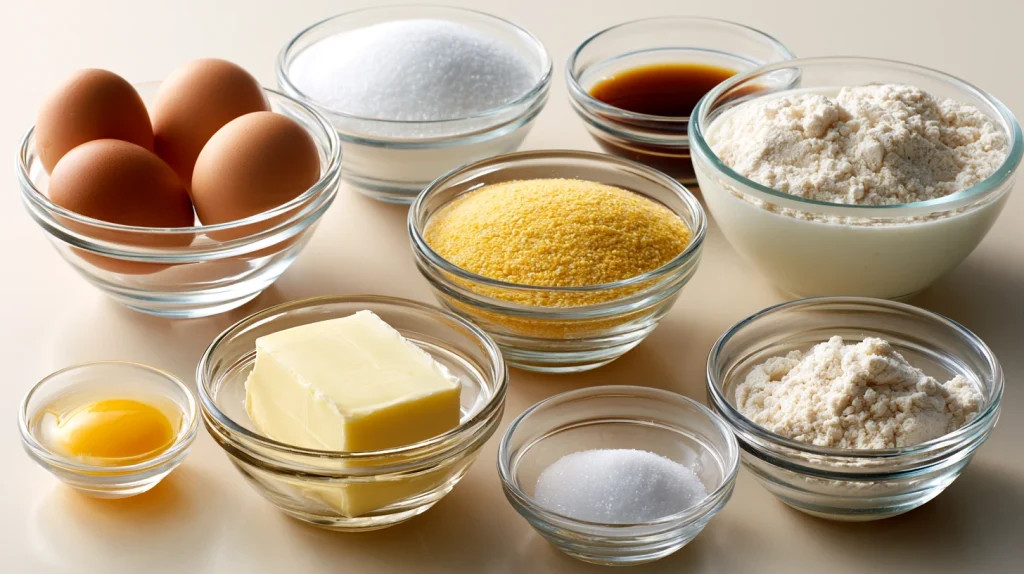
Ingredients
For the filling:
Substitution Notes:
Step-by-Step Instructions

Step 1: Prepare the pie crust
Start by combining flour and salt, then cut in cold butter until the mixture looks like coarse crumbs. Add cold water gradually until a dough forms, then shape it into a disk, wrap it, and chill briefly before rolling it out into a 9 inch pie dish so it forms a stable base for the filling.
Step 2: Prepare the filling base
In a mixing bowl, whisk melted butter and sugar together until smooth and glossy so the mixture becomes well blended and ready to incorporate eggs evenly without graininess or separation.
Step 3: Build the custard mixture
Add eggs one at a time while whisking continuously, then mix in vanilla, vinegar, and milk or buttermilk until the filling becomes smooth and slightly loose in texture, which is important for proper baking and custard formation.
Step 4: Finish and bake the pie
Stir in cornmeal or flour along with a pinch of salt, then pour the mixture into the prepared crust and bake in a preheated oven until the top turns golden and the center is just set with a slight gentle wobble.
Step 5: Cool and set
Remove the pie from the oven and allow it to cool completely at room temperature so the custard fully sets and develops its final texture, which helps the slices hold their shape cleanly when cut.
How to Serve
Chess Pie is best served at room temperature or slightly chilled depending on preference. When fully set, it slices cleanly and reveals a soft custard interior with a lightly caramelized top layer. For serving, it is often kept simple because the pie itself carries the flavor.
You can serve each slice with a small amount of whipped cream or a light dusting of powdered sugar to enhance presentation. It pairs well with coffee, black tea, or warm milk, making it a comforting dessert after meals.
In traditional Southern meals, Chess Pie often appears as a finishing dessert after savory dishes, where its sweetness provides balance to heavier foods. It is also suitable for casual gatherings where simple, familiar desserts are preferred.
Additional Tips
Recipe Variations
Freezing and Storage
Nutritional Information
Approximate per slice:
Final Words
Chess Pie is one of those desserts that shows how far simple ingredients can go when they are handled with care and understanding. It does not rely on complex steps or decorative finishes to make an impression. Instead, it builds its character through basic pantry staples like sugar, eggs, and butter, which transform during baking into a soft custard with a lightly crisp surface. This contrast is what makes Chess Pie feel comforting and familiar, even when you are making it for the first time.
What makes this pie especially valuable for home bakers is its reliability. Many desserts require precise timing or advanced technique, but Chess Pie is forgiving as long as you respect the baking process. The filling sets naturally in the oven, and even small variations in ingredients still produce a satisfying result. This is why so many people keep returning to Chess Pie Recipes when they want something dependable that does not create stress in the kitchen.
It is also a dessert that adapts easily to personal taste. Whether you prefer a richer version, a lighter one, or variations like Chess Pie Recipe With Buttermilk for a subtle tang, the base recipe remains stable. Even modern versions such as Chess Pie No Cornmeal or Sugar Free Chess Pie show how flexible this dessert can be without losing its identity. That adaptability is part of why it continues to be made in both traditional Southern kitchens and modern home kitchens.
In the end, Chess Pie is more than just a simple One Crust Pies recipe. It represents a style of cooking that values practicality, comfort, and flavor over complexity. Once you make it a few times, it becomes a recipe you can rely on for gatherings, family meals, or quiet weekends at home. It is the kind of Best Southern Pie Ever that stays relevant because it delivers consistency, warmth, and satisfaction every time it is baked.
FAQs

Best Chess Pie Recipe – Classic Southern Dessert Idea
Course: Desserts8
servings25
minutes45
minutes460
kcalIngredients
1 1/4 cups all purpose flour
1/2 teaspoon salt
1/2 cup cold unsalted butter, cubed
3 to 4 tablespoons cold water
- For the filling:
1 1/2 cups granulated sugar
1/2 cup unsalted butter, melted
3 large eggs
1 tablespoon cornmeal or flour
1 tablespoon vinegar or lemon juice
1 teaspoon vanilla extract
1/4 cup milk or buttermilk
Pinch of salt
Directions
- Start by combining flour and salt, then cut in cold butter until the mixture looks like coarse crumbs. Add cold water gradually until a dough forms, then shape it into a disk, wrap it, and chill briefly before rolling it out into a 9 inch pie dish so it forms a stable base for the filling.
- In a mixing bowl, whisk melted butter and sugar together until smooth and glossy so the mixture becomes well blended and ready to incorporate eggs evenly without graininess or separation.
- Add eggs one at a time while whisking continuously, then mix in vanilla, vinegar, and milk or buttermilk until the filling becomes smooth and slightly loose in texture, which is important for proper baking and custard formation.
- Stir in cornmeal or flour along with a pinch of salt, then pour the mixture into the prepared crust and bake in a preheated oven until the top turns golden and the center is just set with a slight gentle wobble.
- Remove the pie from the oven and allow it to cool completely at room temperature so the custard fully sets and develops its final texture, which helps the slices hold their shape cleanly when cut.