

Scones Recipe – Easy, Soft & Buttery Homemade Scones
Scones
Scones are one of the most loved baked treats because they combine a crisp golden exterior with a soft, tender interior that feels light without being overly sweet. They are traditionally enjoyed for breakfast, brunch, afternoon tea, or as a simple homemade dessert. Unlike cakes, which are usually soft throughout, or biscuits, which are often flaky, scones have a unique crumb that is slightly crumbly yet moist enough to melt in your mouth. When baked correctly, they develop a beautifully browned top while remaining delicate and buttery inside.
The flavor of scones is simple but satisfying. Butter provides richness, while a small amount of sugar adds gentle sweetness without overpowering the dough. This balanced taste makes them incredibly versatile because they pair well with fruit jams, whipped cream, butter, honey, or even savory toppings. A classic Plain Scone highlights the natural buttery flavor, while additions like dried fruit or citrus zest create new layers of taste without changing the comforting character of the recipe.
One of the reasons people continue baking scones at home is their flexibility. Once you understand how to prepare a reliable Scone Base, you can create dozens of different varieties by adding fruit, nuts, chocolate, spices, herbs, or cheese. Some bakers prefer Craisin Scones filled with dried cranberries for a sweet and slightly tart bite, while others enjoy Low Sugar Scones that allow the buttery flavor to stand out. The same base recipe also works for many creative baking styles, including Scones In Muffin Pan, making it easy to adapt to the equipment available in your kitchen.
From a professional chef’s perspective, scones are all about technique rather than complicated ingredients. The quality of the butter, the temperature of the dough, and careful handling all play an important role in producing tall, tender, and flaky results. When these simple principles are followed, homemade scones become bakery quality with very little effort. That is why they remain one of the most dependable baking recipes for beginners and experienced home cooks alike.
Why You’ll Love This Recipe

Preparation and Cooking Time, also serving
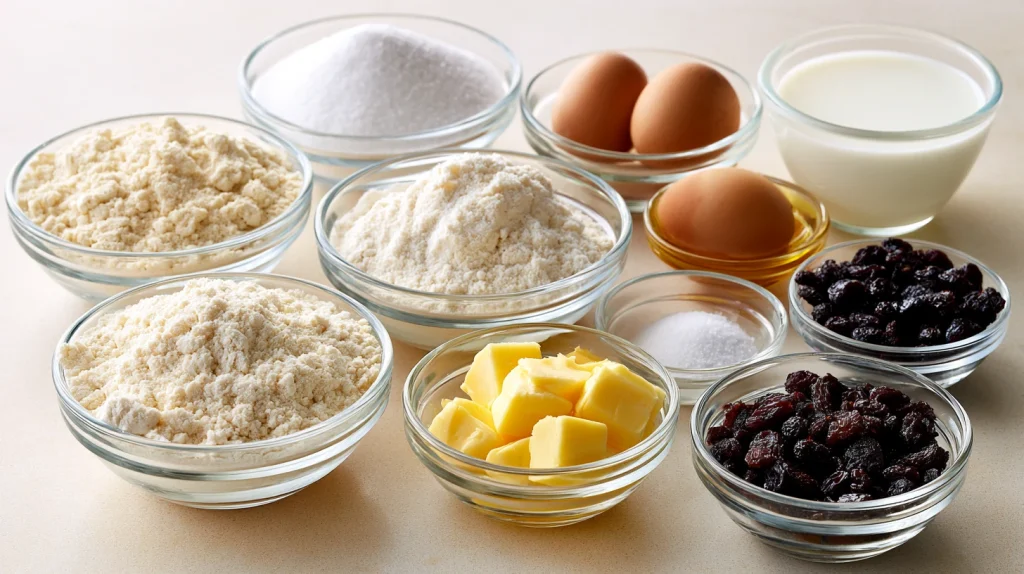
Ingredients
Dry Ingredients
Wet Ingredients
Optional Add-ins
Optional Simple Icing
Substitution notes:
Step-by-Step Instructions

Step 1: Prepare the baking equipment
Preheat the oven to 400°F (200°C) and line a baking tray with parchment paper. If making Scones In Muffin Pan, lightly grease the muffin pan instead. Having everything prepared before mixing helps keep the butter cold, which is essential for tender scones.
Step 2: Mix the dry ingredients
In a large mixing bowl, combine the flour, sugar, baking powder, and salt. Stir well so the baking powder is evenly distributed throughout the flour. Even mixing at this stage helps the scones rise evenly during baking.
Step 3: Cut the butter into the flour
Add the cold butter cubes to the flour mixture and work them in using your fingertips or a pastry cutter. Continue until the mixture resembles coarse crumbs with a few pea-sized butter pieces remaining. These small pieces of butter create steam during baking, producing the light layers that make Perfect Scones.
Step 4: Combine the wet ingredients
In a separate bowl, whisk together the heavy cream, egg, and vanilla extract until smooth. Pour the mixture into the flour and gently stir until the dough just comes together. If using dried cranberries, fold them in at the end without overmixing.
Step 5: Shape the dough
Transfer the dough onto a lightly floured surface and gently press it together into a circle about one inch thick. Avoid kneading the dough because excessive handling develops gluten and creates dense scones instead of tender ones.
Step 6: Cut the scones
Use a sharp knife or bench scraper to cut the dough into eight equal wedges. Alternatively, use a round cutter for traditional bakery-style shapes. Place the pieces onto the prepared baking tray with enough space between each one for even baking.
Step 7: Chill before baking
Refrigerate the shaped scones for about twenty minutes before baking. This keeps the butter firm, allowing the scones to rise higher and develop flaky layers instead of spreading too much in the oven.
Step 8: Bake until golden
Brush the tops lightly with additional cream and sprinkle with coarse sugar if desired. Bake for eighteen to twenty-two minutes until the tops become golden brown and the centers are fully baked. Allow the scones to cool slightly before serving or decorating with your favorite Scone Icing Recipe.
How to Serve
Additional Tips
Recipe Variations
Freezing and Storage
Nutritional Information
Approximate values per serving
Final Words
Scones are one of those timeless baked goods that prove simple ingredients can create something truly satisfying when handled with care. Flour, butter, cream, and a few pantry staples come together to produce pastries that are tender, buttery, and wonderfully comforting. Whether you enjoy a traditional Plain Scone, a fruity version filled with dried cranberries, or a lightly glazed treat with a homemade Scone Icing Recipe, the basic technique remains easy enough for any home baker to master.
One of the greatest strengths of this recipe is its flexibility. Once you become comfortable preparing the Scone Base, you can experiment with countless flavor combinations while still achieving reliable results. Fresh berries, dried fruit, citrus zest, herbs, cheese, spices, and even nuts can all transform the recipe into something new without changing the core method. This versatility means one dependable recipe can become the foundation for many different breakfasts, snacks, desserts, and holiday treats throughout the year.
Making homemade scones also teaches valuable baking skills that improve many other recipes. Learning how to keep butter cold, avoid overmixing, and handle dough gently will help you produce lighter pastries, biscuits, and pie crusts in the future. Small details such as chilling the dough before baking and measuring flour accurately may seem simple, but together they create the soft texture that people expect from Perfect Scones. With a little practice, these techniques quickly become second nature.
Most importantly, baking scones at home brings a sense of satisfaction that is difficult to find in store bought pastries. Freshly baked scones fill the kitchen with a warm buttery aroma and can be customized exactly the way your family enjoys them. Whether you are preparing Craisin Scones for afternoon tea, baking Low Sugar Scones for a lighter breakfast, or serving warm pastries with fresh jam on a relaxing weekend morning, this recipe is one you will return to again and again because of its simplicity, reliability, and delicious results.
FAQs

Scones Recipe – Easy, Soft & Buttery Homemade Scones
Course: Desserts8
servings20
minutes22
minutes310
kcalIngredients
- Dry Ingredients
2½ cups (315 g) all-purpose flour
¼ cup (50 g) granulated sugar
1 tablespoon baking powder
½ teaspoon salt
- Wet Ingredients
½ cup (113 g) cold unsalted butter, cubed
⅔ cup (160 ml) cold heavy cream
1 large egg
1 teaspoon vanilla extract
- Optional Add-ins
½ cup dried cranberries for Craisin Scones
1 teaspoon lemon zest
2 tablespoons coarse sugar for topping
- Optional Simple Icing
1 cup powdered sugar
2 to 3 tablespoons milk
½ teaspoon vanilla extract
Directions
- Preheat the oven to 400°F (200°C) and line a baking tray with parchment paper. If making Scones In Muffin Pan, lightly grease the muffin pan instead. Having everything prepared before mixing helps keep the butter cold, which is essential for tender scones.
- In a large mixing bowl, combine the flour, sugar, baking powder, and salt. Stir well so the baking powder is evenly distributed throughout the flour. Even mixing at this stage helps the scones rise evenly during baking.
- Add the cold butter cubes to the flour mixture and work them in using your fingertips or a pastry cutter. Continue until the mixture resembles coarse crumbs with a few pea-sized butter pieces remaining. These small pieces of butter create steam during baking, producing the light layers that make Perfect Scones.
- In a separate bowl, whisk together the heavy cream, egg, and vanilla extract until smooth. Pour the mixture into the flour and gently stir until the dough just comes together. If using dried cranberries, fold them in at the end without overmixing.
- Transfer the dough onto a lightly floured surface and gently press it together into a circle about one inch thick. Avoid kneading the dough because excessive handling develops gluten and creates dense scones instead of tender ones.
- Use a sharp knife or bench scraper to cut the dough into eight equal wedges. Alternatively, use a round cutter for traditional bakery-style shapes. Place the pieces onto the prepared baking tray with enough space between each one for even baking.
- Refrigerate the shaped scones for about twenty minutes before baking. This keeps the butter firm, allowing the scones to rise higher and develop flaky layers instead of spreading too much in the oven.
- Brush the tops lightly with additional cream and sprinkle with coarse sugar if desired. Bake for eighteen to twenty-two minutes until the tops become golden brown and the centers are fully baked. Allow the scones to cool slightly before serving or decorating with your favorite Scone Icing Recipe.