Apple Pie Crust

Apple Pie Crust – Easy Flaky Homemade Pie Recipe

Special Apple Pie Crust

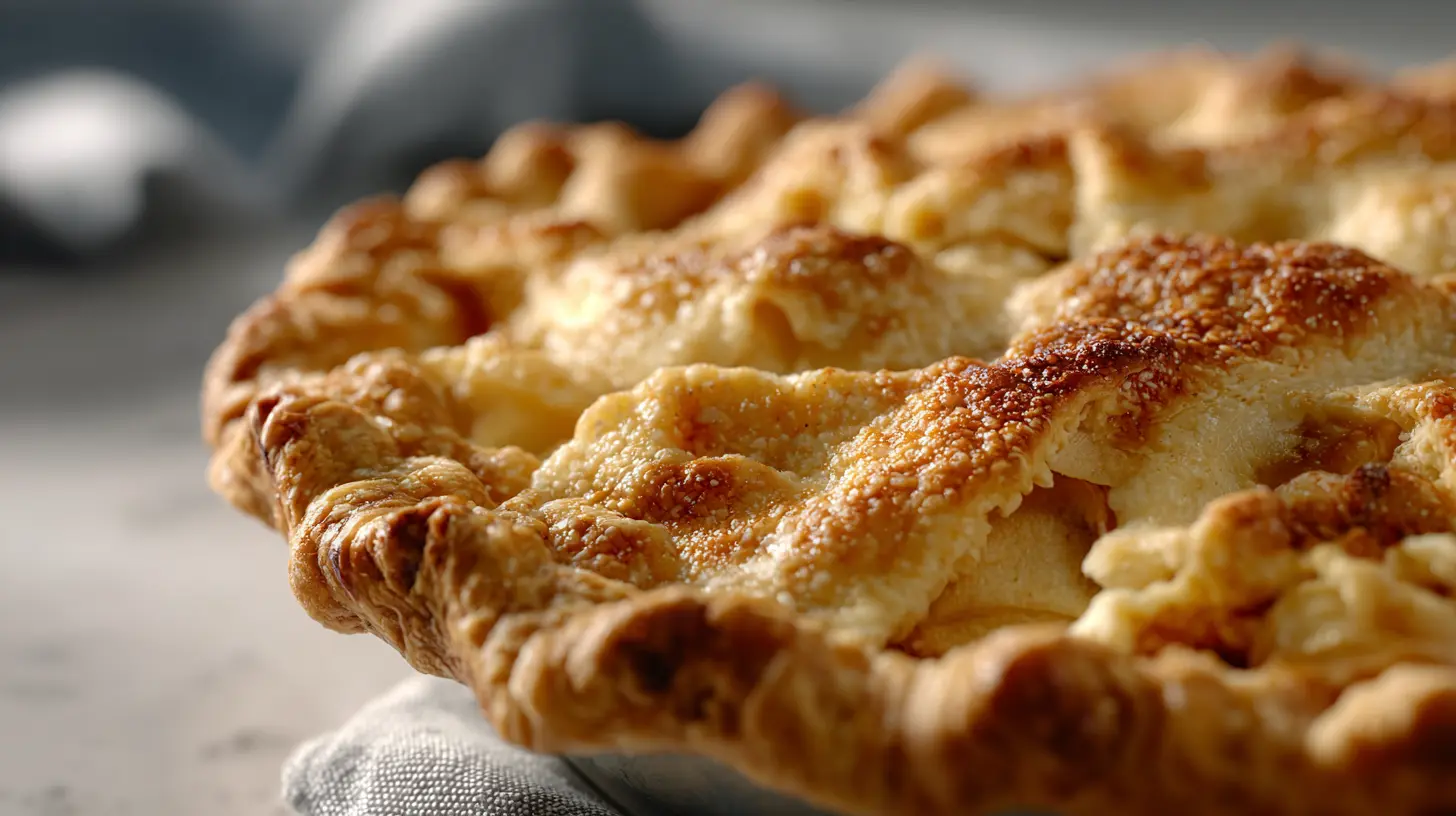
A great apple pie crust is the foundation of every perfect pie golden, crisp, and buttery enough to hold the filling without getting soggy. The best crust doesn’t just taste good; it feels right. It’s tender when you cut into it and shatters slightly as you bite through. That contrast of crisp edges and soft apple filling is what makes every bite memorable. Many home cooks think making an apple pie crust from scratch is intimidating, but it’s simpler than it seems. With the right ingredients, technique, and temperature control, you can make a pie crust that rivals any bakery.

Whether you’re preparing an Apple Pie Recipe Homemade Crust or pairing your Apple Pie Recipe Filling with a Pie Crust Recipe For Apple Pie, this method delivers professional results with home kitchen simplicity. The beauty of a homemade crust lies in control. You decide how buttery, flaky, or crisp it turns out. You can adapt it for an Easy Homemade Apple Pie, a Fall Apple Pie Recipe, or even an Apple Pie Recipe With Store Bought Crust if you prefer convenience but once you’ve made it from scratch, you’ll never look back.

Why You’ll Love This Recipe
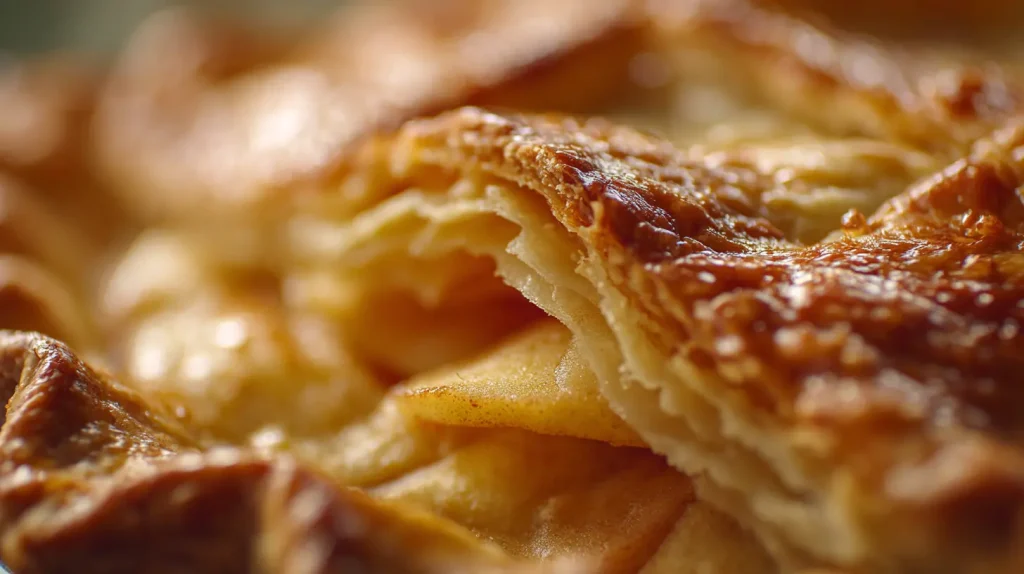
  • Flaky and Buttery Texture: This apple pie crust combines cold butter and shortening to create layers that flake beautifully with every bite. The crust is tender yet sturdy enough to hold your favorite Apple Pie Recipe Filling without becoming soggy, giving you the perfect balance between crispness and softness.
  • Versatility for Any Pie Style: Whether you’re making a classic double-crust apple pie, a lattice-topped Fall Apple Pie Recipe, mini tarts, or even experimenting with other fruit pies, this crust adapts seamlessly. Its neutral flavor enhances the filling while providing a satisfying, buttery base.
  • Simple Ingredients, Professional Results: You don’t need fancy or hard-to-find ingredients. With just flour, butter, shortening, water, and a pinch of salt, you achieve a professional-quality crust. The method mirrors how chefs handle pastry dough in bakery kitchens, but it’s broken down for home cooks to follow easily.
  • Easy for Beginners: Even if it’s your first time making an apple pie crust, this recipe guides you step by step. By keeping fats cold, handling dough gently, and resting it properly, you’ll consistently produce a tender, flaky crust. It’s a reliable method that builds confidence for any home baker.
  • Customizable for Taste and Occasion: You can tweak the dough to match your preferences or seasonal ingredients. Add a bit of sugar or spices to the dough for a subtle flavor boost, or experiment with whole wheat or gluten-free flours. It’s perfect for creating a homemade pie for holidays, family dinners, or special occasions.
  • Make-Ahead Friendly: The dough can be prepared in advance, refrigerated, or frozen for convenience. This flexibility allows you to plan ahead for busy days or holidays without sacrificing the quality of your pie.
  • A Sense of Accomplishment: Beyond the taste, making your own apple pie crust is deeply satisfying. Watching a simple dough transform in the oven into a golden, crisp shell elevates the home baking experience and makes every slice feel rewarding.
Apple Pie Crust

Preparation and Cooking Time, Also Serving

  • Prep Time: 25 minutes
  • Chill Time: 60 minutes
  • Bake Time: 45-50 minutes (when baking with filling)
  • Total Time: About 1 hour 45 minutes (including chilling)
  • Yield: 1 double pie crust (enough for one 9-inch pie)
  • Servings: one pie, 8 slices

Ingredients

  • 2 ½ cups (315 g) all-purpose flour
  • 1 teaspoon salt
  • 1 tablespoon granulated sugar (optional, enhances browning and flavor)
  • ¾ cup (170 g) unsalted butter, cold and cubed
  • ½ cup (100 g) vegetable shortening, chilled
  • 6-8 tablespoons ice water (as needed)

Substitution Notes

  • Use all butter for richer flavor; shortening improves flakiness.
  • Gluten-free flour works if it contains xanthan gum for structure.
  • Coconut oil or lard can replace shortening, but chill well before using.
  • A teaspoon of vinegar or lemon juice can help keep the dough tender.
Apple Pie Crust

Step-by-Step Instructions

Special Apple Pie Crust

Step 1: Combine Dry Ingredients

In a large mixing bowl, whisk together the flour, salt, and sugar to ensure even distribution. This creates a consistent base for your apple pie crust.

Special Apple Pie Crust

Step 2: Cut in Butter and Shortening

Add the cold butter cubes and chilled shortening into the flour. Use a pastry cutter, two forks, or your fingertips to combine until the mixture resembles coarse crumbs with pea-sized pieces of fat. This is the key to creating a flaky texture.

Special Apple Pie Crust

Step 3: Add Ice Water Gradually

Sprinkle in 6 tablespoons of ice water, one tablespoon at a time. Use a fork to gently mix until the dough begins to come together. Add extra water if the dough feels dry. Handle the dough lightly to avoid overworking it.

Special Apple Pie Crust

Step 4: Form Dough Discs

Divide the dough into two equal portions. Flatten each into a disc about 1 inch thick. Wrap individually in plastic wrap and refrigerate for at least 1 hour. Chilling helps relax gluten and keeps the fats solid, which is crucial for flakiness.

Special Apple Pie Crust

Step 5: Roll Out the Dough

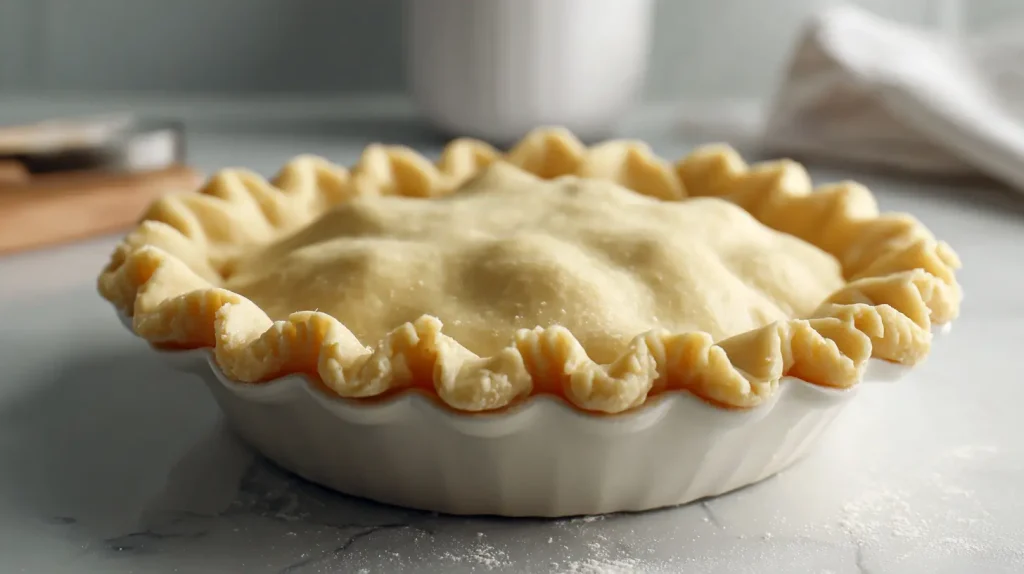
Lightly flour a clean surface and roll one disc into a circle about 12 inches in diameter. For a double-crust pie, roll the second disc similarly. Gently transfer the bottom crust into a 9-inch pie pan. Trim excess edges, leaving a small overhang for crimping.

Special Apple Pie Crust

Step 6: Add Filling and Top Crust

Fill the pie with your preferred Apple Pie Recipe Filling. Roll out the top crust and place over the filling. Crimp edges together, and cut small slits to allow steam to escape during baking.

Special Apple Pie Crust

Step 7: Bake the Pie

Preheat the oven to 425°F (220°C). Place the pie on a baking sheet to catch any drips. Bake for 15 minutes at 425°F, then reduce to 350°F (175°C) and continue baking for 30-35 minutes or until the crust is golden brown and the filling is bubbling.

How to Serve

Serving your apple pie with a homemade crust is just as important as baking it. Presentation can elevate the experience and make each slice feel special. Here’s how to serve it like a professional:

  • Classic Warm Slices: Serve the pie slightly warm, fresh from the oven or reheated. This enhances the buttery crust and brings out the flavors of your Apple Pie Recipe Filling.
  • With Ice Cream or Whipped Cream: Pair slices with a scoop of vanilla ice cream or a dollop of freshly whipped cream. The cold cream contrasts beautifully with the warm pie and adds richness.
  • Elegant Plating: Use simple, modern plates to showcase the pie. A drizzle of caramel sauce or a light dusting of powdered sugar can make it look dessert-shop worthy.
  • Accompanying Beverages: Serve with tea, coffee, or spiced cider to complement the fall flavors. For a celebratory touch, pair with dessert wine like a sweet Riesling.
  • Casual Serving: For family meals, cut the pie into wedges and serve on a wooden or marble board with a knife for easy sharing. No fancy plating needed the rustic appeal adds charm.
  • Mini or Individual Portions: If you made mini pies, serve them in small bowls or on dessert plates. Garnish each with a small mint leaf or a sprinkle of cinnamon for a refined look.
  • Add Texture and Color: Garnish with thin apple slices, a cinnamon stick, or a few toasted nuts around the plate for visual interest and an extra layer of flavor.
  • Storage-Friendly Serving: Leftovers can be served cold or gently reheated in the oven. This keeps the crust crisp while maintaining the delicious apple filling’s texture.

Additional Tips

  • Keep everything cold: butter, shortening, and water this is crucial for a flaky crust.
  • Handle the dough gently; overworking develops gluten and makes the crust tough.
  • Roll from the center outward, rotating the dough for even thickness.
  • Use a pastry shield or foil if edges brown too quickly.
  • Freeze unused dough discs for up to 3 months; thaw overnight before rolling.

Recipe Variations

  • All-Butter Crust: Replace the shortening with all butter for a richer, more flavorful crust. This creates extra buttery layers that brown beautifully and enhance any Apple Pie Recipe Homemade Crust.
  • Whole Wheat Apple Pie Crust: Substitute ½ cup of all-purpose flour with whole wheat flour for a nutty, slightly denser crust. Works perfectly with classic apple pie fillings for a wholesome twist.
  • Gluten-Free Crust: Use a 1:1 gluten-free flour blend with xanthan gum. Chill the dough thoroughly before rolling to maintain flakiness. Ideal for those with gluten sensitivities.
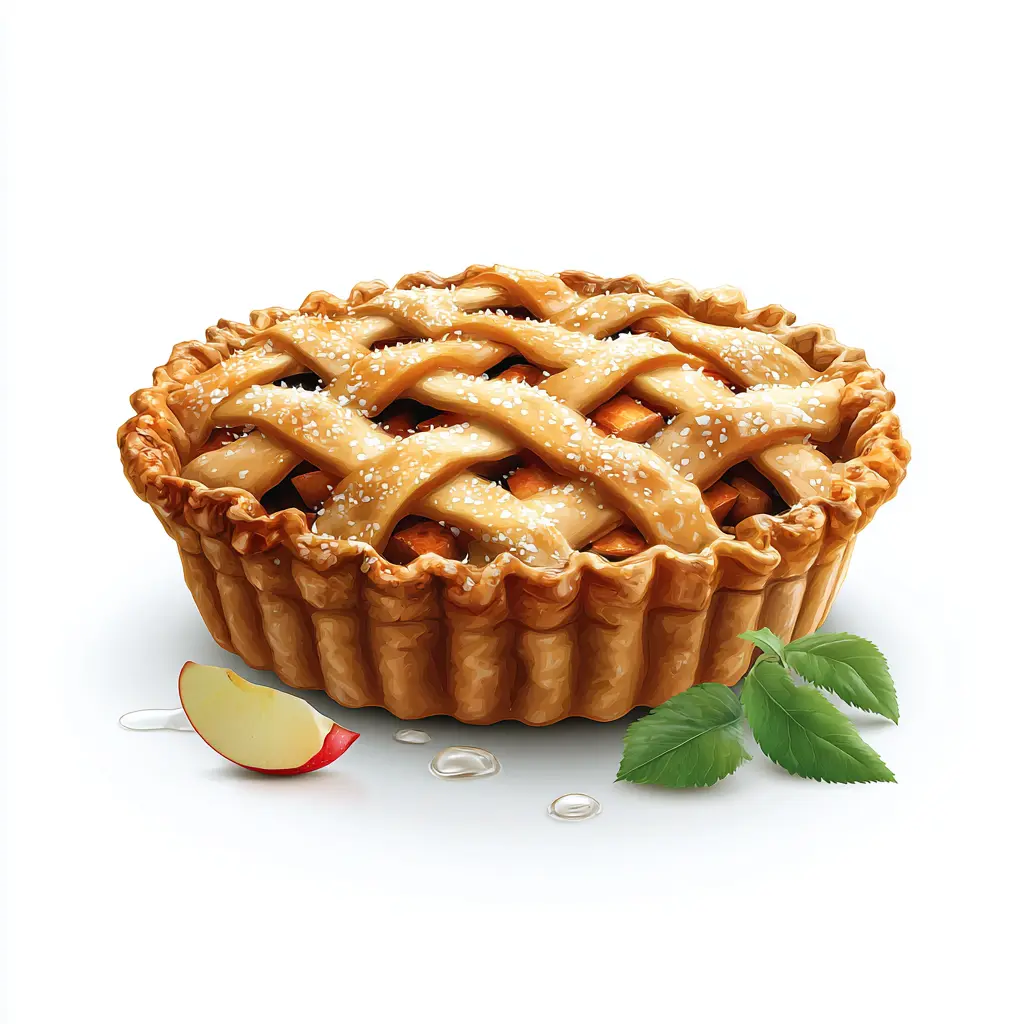
  • Lattice Top Apple Pie: Roll out the top crust and cut into strips, weaving them into a lattice pattern over the filling. This variation adds a classic, visually stunning touch to your pie.
  • Mini Apple Pies: Roll the dough thinly and use muffin tins or small tart pans to create individual pies. Perfect for portion-controlled desserts or gifts.
  • Spiced Crust: Add ½ teaspoon ground cinnamon or nutmeg to the dry ingredients for a subtly spiced crust that complements Fall Apple Pie Recipes.
  • Cheese-Infused Crust: Incorporate 2 tablespoons of finely grated sharp cheddar into the dough. This variation works especially well with apple pies for a slightly savory, rich layer of flavor.
  • Brown Butter Crust: Gently brown the butter before cutting it into the flour and shortening. This adds a nutty, deep flavor that elevates any Apple Pie Recipe Filling.

Freezing and Storage

  • Refrigerate unused dough discs for up to 3 days, wrapped tightly.
  • Freeze dough discs for up to 3 months. Thaw in refrigerator before rolling.
  • Bake the pie, cool completely, then freeze for up to 2 months. Reheat at 350°F until warm.
  • Keep baked pie in the fridge for 3-4 days, covered.

Nutritional Information (Per Slice, 1/8 of Pie)

  • Calories: 320
  • Protein: 3 g
  • Carbohydrates: 45 g
  • Fat: 16 g
  • Saturated Fat: 8 g
  • Fiber: 2 g
  • Sugar: 15 g
  • Sodium: 210 mg

Final Words

Mastering a homemade apple pie crust is more than just a baking skill it’s the key to creating pies that are golden, flaky, and full of flavor. Every step, from cutting in cold butter and shortening to gently rolling out the dough, contributes to a crust that elevates any apple pie, whether it’s a classic double-crust, a lattice-topped Fall Apple Pie Recipe, or mini individual pies. Even if you’ve relied on store-bought crusts in the past, the buttery richness and crisp texture of homemade dough quickly become unmatched.

Baking your own crust also offers flexibility and confidence. You can experiment with variations, prepare it ahead of time, or freeze it for future use, making it convenient for any occasion. More than the final pie, the process itself is rewarding seeing a dough you crafted transform in the oven into a golden shell holding spiced apple filling is deeply satisfying.

Creating a homemade crust allows you to control every detail, from flavor to texture. You can adjust sugar, fat ratios, or even try alternative flours for different effects, turning each pie into a personalized creation. This attention to detail makes your pies stand out and impress anyone who tastes them, whether for family gatherings, holidays, or simple everyday enjoyment. Homemade apple pie crust adds warmth, care, and a sense of accomplishment to every slice.

FAQ’s

Yes, premade crusts work well and save time, though homemade provides superior flakiness and flavor.

Use a blind bake or sprinkle a thin layer of breadcrumbs or cornstarch before adding the filling.

Yes, dough can be refrigerated up to 3 days or frozen up to 3 months.

Overworking dough or not chilling it properly can cause shrinking. Always let the dough rest before baking.

Use a pie shield or foil to cover edges during the last 15-20 minutes of baking.

Absolutely, this recipe works for pears, peaches, cherries, and mixed fruit pies.

Apple Pie Crust – Easy Flaky Homemade Pie Recipe

Recipe by Bella SkyeCourse: Desserts
Servings

8

servings
Prep time

25

minutes
Cooking time

45

minutes
Calories

320

kcal

Ingredients

  • 2 ½ cups (315 g) all-purpose flour

  • 1 teaspoon salt

  • 1 tablespoon granulated sugar (optional, enhances browning and flavor)

  • ¾ cup (170 g) unsalted butter, cold and cubed

  • ½ cup (100 g) vegetable shortening, chilled

  • 6-8 tablespoons ice water (as needed)

Directions

  • In a large mixing bowl, whisk together the flour, salt, and sugar to ensure even distribution. This creates a consistent base for your apple pie crust.
  • Add the cold butter cubes and chilled shortening into the flour. Use a pastry cutter, two forks, or your fingertips to combine until the mixture resembles coarse crumbs with pea-sized pieces of fat. This is the key to creating a flaky texture.
  • Sprinkle in 6 tablespoons of ice water, one tablespoon at a time. Use a fork to gently mix until the dough begins to come together. Add extra water if the dough feels dry. Handle the dough lightly to avoid overworking it.
  • Divide the dough into two equal portions. Flatten each into a disc about 1 inch thick. Wrap individually in plastic wrap and refrigerate for at least 1 hour. Chilling helps relax gluten and keeps the fats solid, which is crucial for flakiness.
  • Lightly flour a clean surface and roll one disc into a circle about 12 inches in diameter. For a double-crust pie, roll the second disc similarly. Gently transfer the bottom crust into a 9-inch pie pan. Trim excess edges, leaving a small overhang for crimping.
  • Fill the pie with your preferred Apple Pie Recipe Filling. Roll out the top crust and place over the filling. Crimp edges together, and cut small slits to allow steam to escape during baking.
  • Preheat the oven to 425°F (220°C). Place the pie on a baking sheet to catch any drips. Bake for 15 minutes at 425°F, then reduce to 350°F (175°C) and continue baking for 30-35 minutes or until the crust is golden brown and the filling is bubbling.

Notes

  • Keep everything cold: butter, shortening, and water this is crucial for a flaky crust.
  • Handle the dough gently; overworking develops gluten and makes the crust tough.
  • Roll from the center outward, rotating the dough for even thickness.
  • Use a pastry shield or foil if edges brown too quickly.
  • Freeze unused dough discs for up to 3 months; thaw overnight before rolling.

Similar Posts