

Ramen Egg Recipe – Japanese Soy Sauce Eggs Made Easy
Introduction to Ramen Egg
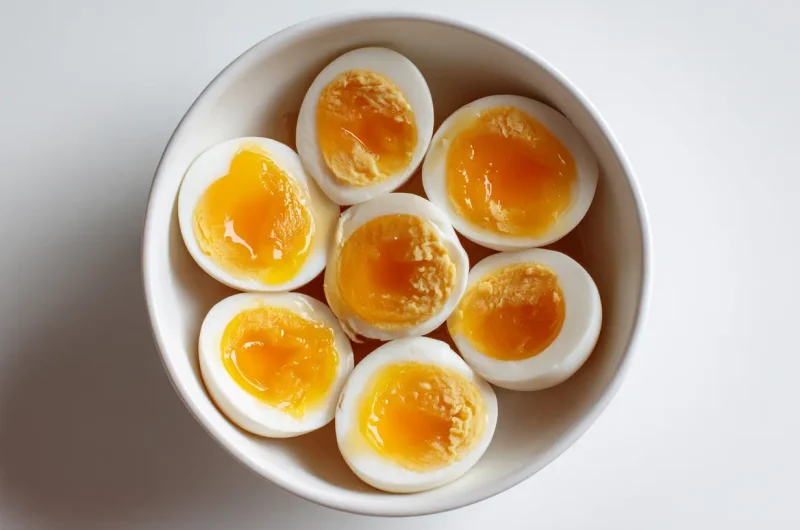
A perfectly made ramen egg is one of the most iconic elements in Japanese cooking. Known for its soft jammy center and flavorful soy rich exterior, this Japanese savory egg dish elevates simple ingredients into something memorable. When you slice into it, the yolk is glossy and custard like, sitting inside a tender white that has absorbed a deep savory color from the marinade. Even though ramen eggs are traditionally served in bowls of steaming noodles, they have become popular as a small standalone treat, a topping for rice bowls, or even a quick protein snack.
What makes a ramen egg so special is the way it balances simplicity with technique. The egg is gently cooked so the center stays soft, then placed in a seasoned mixture that adds layers of flavor without overwhelming its natural taste. This process transforms the egg into something richer and more complex than any ordinary boiled egg. That is why people often return to this dish whenever they crave something satisfying that requires very little equipment or time.
The taste of a ramen egg comes from the marinade, which blends soy sauce, aromatics, and sometimes miso to create depth. A proper ramen egg marinade soaks gradually into the egg white, giving it a gentle salty umami tone while keeping the yolk creamy and mellow. This is why ramen eggs appear in Japanese cuisine as well as in variations found in Chinese soy sauce eggs and other Asian cooking soy sauce eggs. Whether you enjoy them inside a bowl of broth or on their own, the flavor is always balanced, clean, and satisfying.
People love ramen eggs because they are flexible, inexpensive, delicious, and suitable for every level of cooking skill. With the right guidance, you can easily prepare ramen eggs at home that rival the ones served by top ramen shops. Their texture alone is reason enough to make them regularly. The moment you cut into one and see the glowing jammy center, you will understand why this Japanese egg dish has become such a global favorite.
Why You’ll Love This Recipe
You will appreciate this ramen egg recipe because it focuses on precision without complexity. Every step is written with the intention of helping home cooks achieve the proper texture. The method is streamlined so you do not need specialized equipment. The ingredients are simple, but their combination creates an impressive result. As long as you follow the timing closely, the eggs will always come out soft and jammy, which is the hallmark of a good Japanese boiled egg dish.
This recipe also teaches you how to control saltiness through the marinade ratio and timing. Many people try to guess how long to marinate soy sauce eggs, which often leads to eggs that are either bland or oversoaked. This guide explains the balance clearly so you can replicate the same results each time.

You will also love how versatile these eggs are. A good ramen egg recipe works not only for ramen bowls but for meal prep, snacks, rice dishes, salads, and even breakfast plates. Because the marinade is flavorful but not too strong, the eggs pair well with a wide range of savory ingredients.
Preparation and Cooking Time, also serving
Serving size: This recipe makes 6 ramen eggs
Ingredients
For the eggs:
For the marinade:
Substitution Notes

Step by Step Instructions

Step 1: Prepare the eggs
Begin by bringing a medium pot of water to a full rolling boil. The water should be deep enough to completely submerge all of the eggs so they cook evenly. Once the water reaches a strong boil, carefully place the eggs into the pot using a ladle or a spoon. Avoid dropping them directly to prevent cracking. Maintain a steady boil and cook the eggs for exactly seven minutes for a jammy center. This timing ensures the yolk becomes glossy and soft but not runny. If you prefer a firmer center, you can increase the cooking time by one minute.
Step 2: Cool the eggs for clean peeling
As soon as the cooking time ends, transfer the eggs immediately to an ice bath. This step stops the cooking process and helps the whites set properly. Leave the eggs in the ice bath for at least ten minutes. Do not rush this part because cooling the eggs fully ensures smooth peeling later. Once the eggs are completely cold, gently peel each one. The shell should detach easily if the eggs were cooled properly.
Step 3: Mix the marinade
Combine soy sauce, water, mirin, sugar, rice vinegar, garlic, ginger, and optional miso paste in a medium bowl or container. Stir until the sugar dissolves. Taste the mixture to evaluate the balance. It should be savory with a hint of sweetness and a soft acidic note. This marinade is the key to creating authentic Japanese ramen eggs. It is also the foundation for many versions of soft boiled soy sauce eggs found across Asian cooking.
Step 4: Marinate the eggs correctly
Place the peeled eggs into the marinade. The eggs should be fully submerged so they absorb the flavor evenly. If they float, place a small clean plate or lid on top to keep them below the surface. Refrigerate the eggs for at least eight hours. Ten to twelve hours will create a deeper color and more intense flavor. If the eggs stay in the marinade longer than twenty four hours, they will become too salty because soy sauce eggs continue to absorb liquid over time.
Step 5: Slice and serve with precision
After marinating, remove the eggs from the liquid and gently pat them dry. When slicing, use a very sharp knife for a clean cut. Wipe the blade after each slice to preserve the glossy jammy yolk appearance. Your ramen eggs are now ready for serving as part of your ramen egg recipe or enjoyed alone as a flavorful protein side.
How to Serve
A ramen egg pairs beautifully with a wide variety of dishes. The most classic way is to place it on top of a bowl of ramen. Cut the egg in half and nestle it gently into the noodles so the warm broth surrounds it lightly. This gentle warming enhances the creamy texture without overheating the yolk.

You can also serve ramen eggs with rice bowls, stir fries, udon dishes, or cold noodle salads. A halved ramen egg looks beautiful on a plate with sautéed vegetables or grilled chicken. For a simpler presentation, place a halved egg on a small white dish and drizzle a teaspoon of the ramen egg marinade over the top to create a glossy finish. This highlights the deep golden color of the yolk and shows off its soft texture.
Additional Tips
Recipe Variations
Freezing and Storage

Nutritional Information (Approximate per egg)
Final Words
Making a ramen egg at home is one of the most satisfying ways to elevate simple ingredients into a restaurant-quality experience. The process may seem precise, but once you understand the timing, temperature, and marinade balance, it becomes second nature. The soft, jammy yolk combined with the subtly flavored, savory egg white creates a texture and taste that is difficult to find in store-bought alternatives. Preparing these eggs yourself allows you to enjoy the freshness and control the flavors exactly to your liking, making each bite rewarding and memorable.
Ramen eggs are incredibly versatile, adding depth and richness to a wide range of dishes. Whether served atop a steaming bowl of ramen, nestled in a rice bowl, or paired with lightly sautéed vegetables, they instantly transform a simple meal into something more special. The visual appeal alone – the glossy, amber-colored yolk and perfectly marinated exterior – is enough to impress guests or simply delight yourself. By mastering this Japanese savory egg dish, you also gain the confidence to explore variations and incorporate them creatively into other meals.
Finally, cooking ramen eggs at home offers a sense of culinary accomplishment that goes beyond flavor. It teaches patience, precision, and the value of thoughtful preparation, all while being achievable for home cooks of any skill level. Once you experience the satisfaction of slicing into a perfectly cooked, marinated egg and tasting its silky yolk, you will understand why these eggs are beloved around the world. Keep experimenting, enjoy the process, and let ramen eggs become a staple in your home kitchen repertoire.
FAQ’s
Ramen Egg Recipe – Japanese Soy Sauce Eggs Made Easy
Course: Noodle Recipes6
servings10
minutes7
minutes130
kcalIngredients
- For the eggs:
6 large eggs
- For the marinade:
1 cup soy sauce
1 cup water
3 tablespoons mirin
2 tablespoons sugar
1 tablespoon rice vinegar
1 clove garlic, lightly crushed
1 small piece fresh ginger, sliced
1 tablespoon miso paste optional for soy miso marinated ramen eggs
Directions
- Begin by bringing a medium pot of water to a full rolling boil. The water should be deep enough to completely submerge all of the eggs so they cook evenly. Once the water reaches a strong boil, carefully place the eggs into the pot using a ladle or a spoon. Avoid dropping them directly to prevent cracking. Maintain a steady boil and cook the eggs for exactly seven minutes for a jammy center. This timing ensures the yolk becomes glossy and soft but not runny. If you prefer a firmer center, you can increase the cooking time by one minute.
- As soon as the cooking time ends, transfer the eggs immediately to an ice bath. This step stops the cooking process and helps the whites set properly. Leave the eggs in the ice bath for at least ten minutes. Do not rush this part because cooling the eggs fully ensures smooth peeling later. Once the eggs are completely cold, gently peel each one. The shell should detach easily if the eggs were cooled properly.
- Combine soy sauce, water, mirin, sugar, rice vinegar, garlic, ginger, and optional miso paste in a medium bowl or container. Stir until the sugar dissolves. Taste the mixture to evaluate the balance. It should be savory with a hint of sweetness and a soft acidic note. This marinade is the key to creating authentic Japanese ramen eggs. It is also the foundation for many versions of soft boiled soy sauce eggs found across Asian cooking.
- Place the peeled eggs into the marinade. The eggs should be fully submerged so they absorb the flavor evenly. If they float, place a small clean plate or lid on top to keep them below the surface. Refrigerate the eggs for at least eight hours. Ten to twelve hours will create a deeper color and more intense flavor. If the eggs stay in the marinade longer than twenty four hours, they will become too salty because soy sauce eggs continue to absorb liquid over time.
- After marinating, remove the eggs from the liquid and gently pat them dry. When slicing, use a very sharp knife for a clean cut. Wipe the blade after each slice to preserve the glossy jammy yolk appearance. Your ramen eggs are now ready for serving as part of your ramen egg recipe or enjoyed alone as a flavorful protein side.
Notes
- Use eggs that are a few days old because they peel more easily than very fresh eggs.
- Keep the eggs cold before boiling to reduce the chance of cracking.
- If you want a more intensely flavored Japanese ramen egg recipe, warm the marinade slightly before adding the eggs, then cool it completely. This helps dissolve the aromatics more effectively.
- Always refrigerate the eggs while marinating to maintain food safety.
- If you want to make soy eggs ahead of time, marinate them overnight and keep them in the fridge for up to three days without changing texture.