
Leftover Pork Chop Recipe – Easy Weeknight Dinner Idea
Leftover Pork Chop Recipe
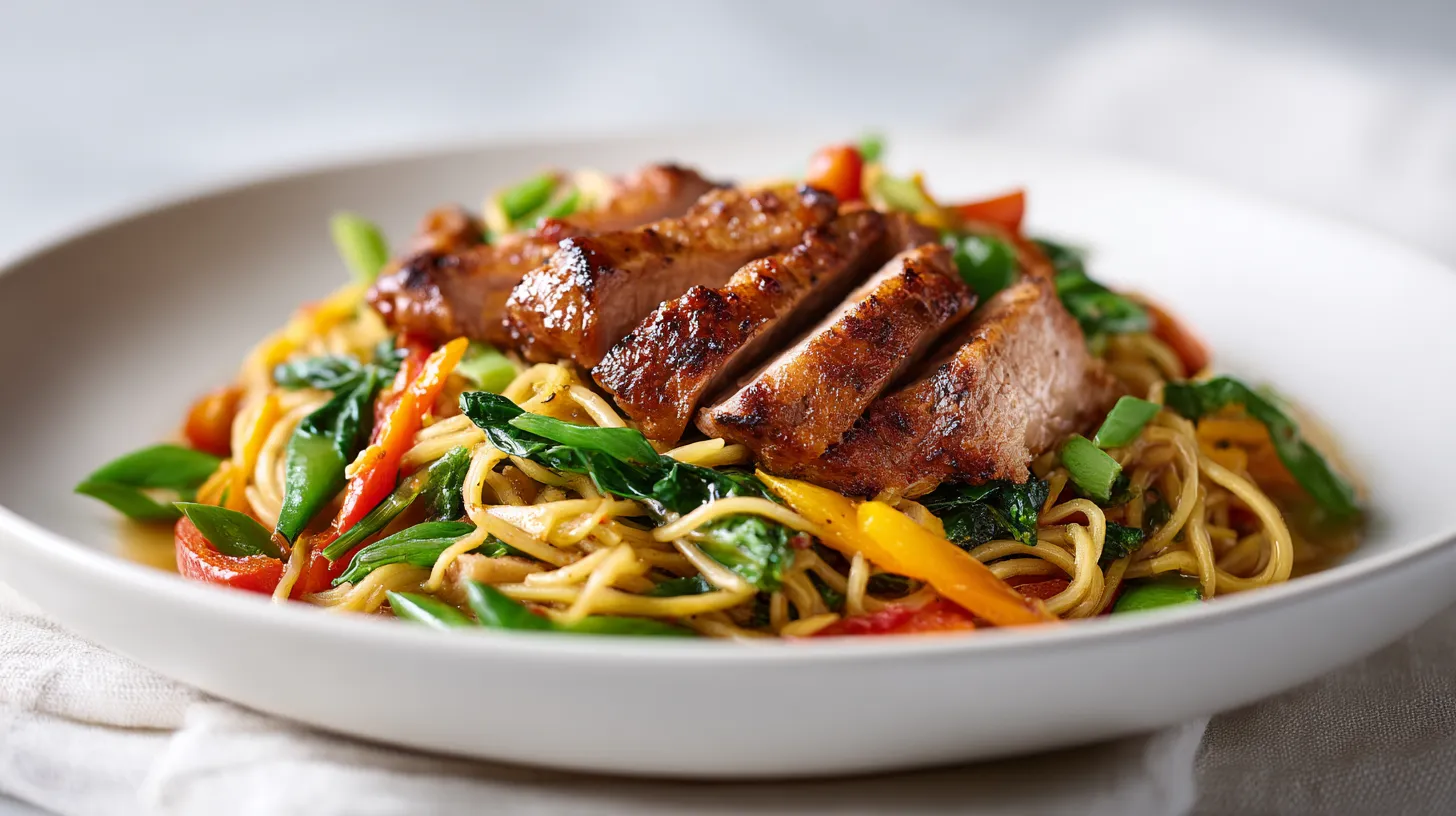
A good leftover pork chop recipe is not about hiding leftovers. It is about transforming them into something that tastes intentional, balanced, and freshly cooked. Pork chops hold flavor extremely well after cooking, especially when they have been seasoned properly the first time. When handled with care, leftovers can become tender, savory, and deeply satisfying rather than dry or forgettable. This dish delivers rich pork flavor with a soft interior and lightly crisp edges, combined with aromatics that bring everything back to life.
The texture is comforting, the taste is familiar but improved, and the method respects the work already done in the original cook. That is why people love this approach. It saves time, reduces waste, and still feels like a real meal rather than reheated scraps. Home cooks appreciate this leftover pork chop recipe because it solves a common problem. Leftover pork often dries out when reheated incorrectly. This method avoids that entirely by layering moisture, controlled heat, and thoughtful timing. The result is pork that tastes just as good, if not better, than it did the day before.
Why You’ll Love This Recipe
This recipe treats leftover pork with the same care as a fresh cut. Instead of blasting it with heat, it gently warms and rehydrates the meat, allowing it to stay juicy and flavorful. It works with many cuts. Whether your leftovers come from thick pork chops, pork roast, pork loin, or tenderloin, the technique adapts easily. That makes it useful for anyone looking for pork leftovers ideas that do not require starting from scratch.
The flavor profile is flexible. You can keep it classic and savory or lean into richer notes depending on how the pork was originally cooked. This makes it one of the most reliable recipes for leftover pork recipes easy enough for busy nights. Most importantly, this dish feels complete. It does not feel like a compromise or a backup plan. It tastes like something you meant to cook.

Preparation and Cooking Time, also serving
Ingredients
Substitution notes
Step by Step Instructions

Step 1: Prepare the pork
Slice leftover pork chops into bite sized pieces. If the pork is very thick, slice against the grain to maintain tenderness. Let the pork sit at room temperature for 5 minutes before cooking.
Step 2: Build the base flavor
Heat olive oil and butter in a wide skillet over medium heat. Add diced onion and cook slowly until soft and lightly golden. This step rebuilds aroma and sweetness that leftovers often lose.
Step 3: Add garlic and seasonings
Stir in garlic, salt, black pepper, paprika, and thyme. Cook for 30 seconds until fragrant. Do not brown the garlic.
Step 4: Create the sauce
Sprinkle flour over the onion mixture and stir well. Slowly pour in chicken broth while stirring to avoid lumps. Add leftover gravy if using. Bring to a gentle simmer until slightly thickened.
Step 5: Warm the pork gently
Add pork to the skillet and stir to coat with sauce. Lower heat to medium low and cook just until the pork is heated through. Avoid boiling.
Step 6: Finish and rest
Turn off heat and sprinkle with parsley. Let the dish rest for 3 minutes before serving to allow moisture to redistribute.
How to Serve
This leftover pork chop recipe is best served warm in a shallow bowl or wide plate so the sauce can spread evenly and coat each piece of pork. Spoon the pork and sauce together rather than piling the meat dry on the plate. This keeps every bite moist and flavorful. For a classic and comforting presentation, serve it over creamy mashed potatoes, buttered rice, or soft egg noodles. These bases absorb the sauce and highlight the richness of the pork without competing with it.
If you prefer a lighter or more balanced meal, pair the pork with roasted vegetables, steamed green beans, or a crisp side salad with a simple vinaigrette. The freshness of the vegetables balances the savory sauce and keeps the dish from feeling heavy. For added visual appeal, finish with a sprinkle of fresh herbs or cracked black pepper just before serving. This small step makes the dish look intentional and restaurant worthy while keeping the focus on the pork.

Additional Tips
Recipe Variations
Freezing and Storage
Nutritional Information
Values are approximate and depend on original pork preparation.
Final Words
A thoughtful leftover pork chop recipe changes the way you look at cooked meat sitting in the refrigerator. Instead of seeing it as food that needs to be used up quickly, you start to see it as a base for another complete and satisfying meal. When pork is reheated with care, layered with gentle seasoning, and protected with moisture, it keeps its tenderness and develops even deeper flavor. This approach respects both the ingredient and the effort that went into cooking it the first time.
What makes this recipe especially valuable is its flexibility. It works whether your leftovers come from simple pan seared chops, a Sunday pork roast, or even recipes using leftover pork loin or tenderloin. The method adapts to what you already have, which is why it fits so well into real home cooking. Instead of searching for new recipes for leftover pork every time, you can rely on one technique that delivers consistent results. That reliability is what turns a recipe into a habit.
Cooking this way also helps reduce food waste without sacrificing quality. Pork leftovers ideas often feel like shortcuts, but this dish feels intentional and complete. It allows you to stretch your grocery budget while still serving food that tastes freshly made. Over time, this kind of cooking builds confidence and efficiency in the kitchen.
Once you get comfortable with this leftover pork chop recipe, it becomes more than just a solution for leftovers. It becomes a mindset. You cook pork knowing it will shine again the next day. That is the mark of a practical, skilled home cook who knows that good food does not stop being good just because it was cooked yesterday.
FAQ’s

Leftover Pork Chop Recipe – Easy Weeknight Dinner Idea
Course: Pork Recipes4
servings10
minutes20
minutes360
kcalIngredients
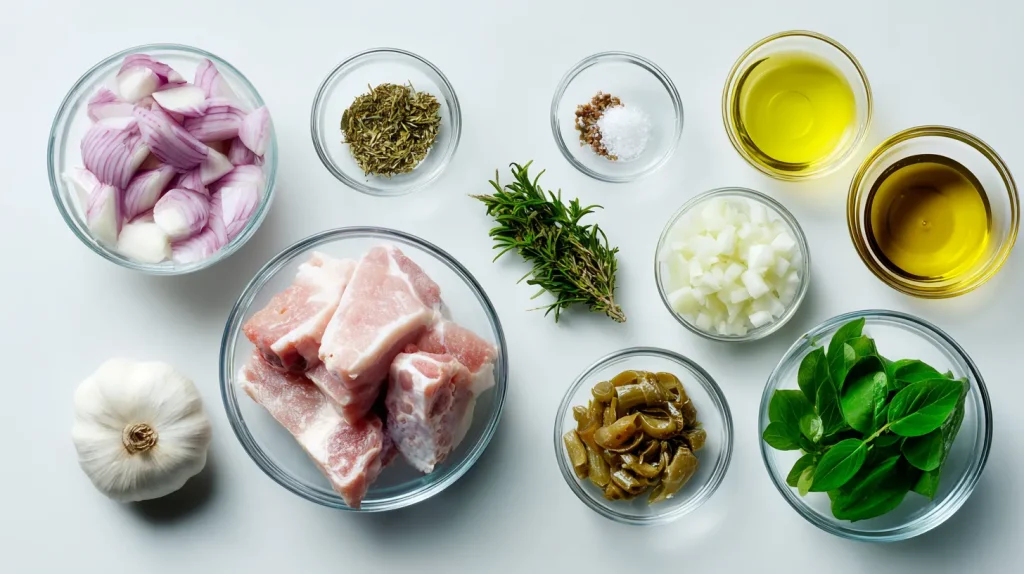
2 cups leftover pork chops, sliced or chopped
1 tablespoon olive oil
1 tablespoon unsalted butter
1 small onion, finely diced
2 cloves garlic, minced
1 cup low sodium chicken broth
1 half cup leftover gravy or pan sauce if available
1 tablespoon flour
1 teaspoon salt
1 half teaspoon black pepper
1 half teaspoon paprika
1 quarter teaspoon dried thyme
1 tablespoon chopped parsley
Directions
- Slice leftover pork chops into bite sized pieces. If the pork is very thick, slice against the grain to maintain tenderness. Let the pork sit at room temperature for 5 minutes before cooking.
- Heat olive oil and butter in a wide skillet over medium heat. Add diced onion and cook slowly until soft and lightly golden. This step rebuilds aroma and sweetness that leftovers often lose.
- Stir in garlic, salt, black pepper, paprika, and thyme. Cook for 30 seconds until fragrant. Do not brown the garlic.
- Sprinkle flour over the onion mixture and stir well. Slowly pour in chicken broth while stirring to avoid lumps. Add leftover gravy if using. Bring to a gentle simmer until slightly thickened.
- Add pork to the skillet and stir to coat with sauce. Lower heat to medium low and cook just until the pork is heated through. Avoid boiling.
- Turn off heat and sprinkle with parsley. Let the dish rest for 3 minutes before serving to allow moisture to redistribute.
Notes
- Always reheat pork gently. High heat is the fastest way to dry it out. Use a wide pan so the pork warms evenly.
- If your pork is already heavily seasoned, reduce added salt. Taste the sauce before finishing.
- Leftover pork roast and gravy recipes benefit from adding broth slowly. You can always add more liquid, but you cannot remove it.