

Salmon Pasta – Creamy, Flavorful, and Easy to Make
Salmon Pasta
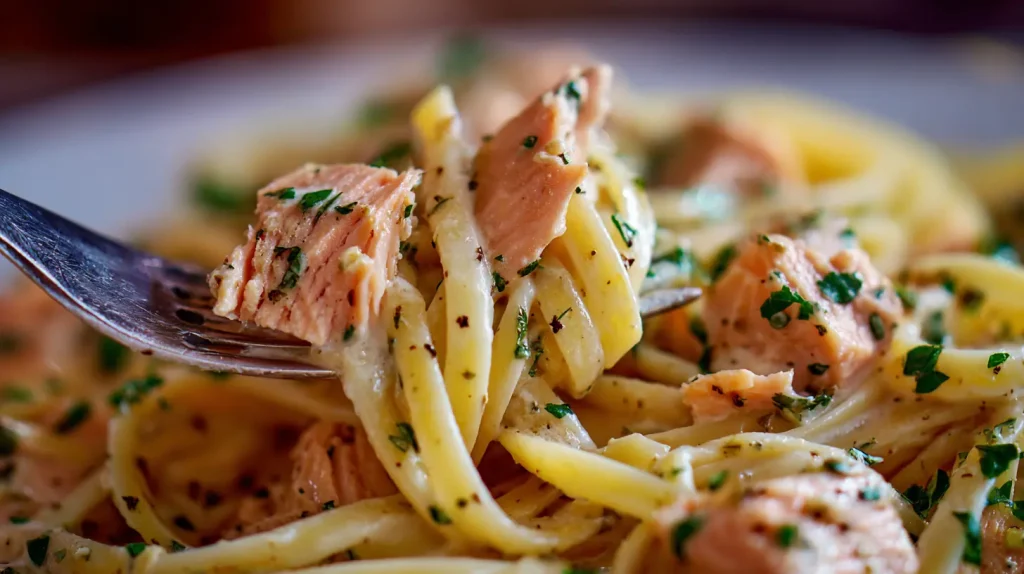
Salmon pasta is a dish that brings together the richness of fresh salmon and the comforting familiarity of perfectly cooked pasta. It’s special because it combines the delicate, slightly sweet flavor of salmon with creamy, savory sauces that coat every strand of pasta. The textures are equally delightful the tender, flaky salmon, al dente pasta, and smooth, velvety sauce create a mouthfeel that is both luxurious and satisfying.
What makes salmon pasta a favorite among home cooks and seafood lovers alike is its versatility. Whether you’re preparing a quick weeknight dinner or a special meal for guests, this dish feels elegant while remaining approachable. The sauce can be rich and indulgent or light and herbaceous, and the pasta perfectly absorbs the flavors, giving every bite balance and depth. Salmon pasta isn’t just a meal it’s comfort food elevated, offering both warmth and sophistication in every forkful.
People love salmon pasta because it’s a one-dish meal that is visually appealing, nutrient-rich, and adaptable. The combination of omega-3-packed salmon with protein and carbs from pasta makes it both satisfying and wholesome. Whether paired with fresh herbs, sun-dried tomatoes, or a touch of cream, salmon pasta consistently delivers bold flavors with minimal fuss.
Why You’ll Love This Recipe
This salmon pasta recipe is crafted to provide maximum flavor with minimal effort. Every step is designed to make the home cook feel like a professional chef, without requiring complicated techniques.
With this recipe, you get a reliable method to produce creamy pasta with salmon every time, combining flavor, texture, and presentation in one satisfying dish.
Preparation and Cooking Time
This timeline assumes using fresh salmon fillets and dried pasta. Frozen salmon or thicker fillets may require slight adjustments in cooking time.
Ingredients
Substitution notes:
Step-by-Step Instructions
Step 1: Prepare the Pasta
Bring a large pot of salted water to a boil. Cook pasta according to package instructions until al dente. Reserve 1/2 cup of pasta water, then drain the rest. Toss the pasta with a small amount of olive oil to prevent sticking. Cooking the pasta al dente ensures it will hold up when combined with the creamy salmon sauce.
Step 2: Sear the Salmon
Heat 2 tablespoons of olive oil in a large skillet over medium-high heat. Pat salmon dry and season lightly with salt and black pepper. Place salmon in the skillet and sear for 2-3 minutes on each side until golden brown. Remove salmon from the skillet and set aside. Properly seared salmon maintains a tender, flaky interior while developing a flavorful crust.
Step 3: Sauté Aromatics
In the same skillet, reduce heat to medium and add butter. Once melted, sauté garlic and shallots for 1-2 minutes until fragrant. Be careful not to burn the garlic, as it can turn bitter. Aromatics create the flavor foundation for the creamy pasta sauce.
Step 4: Make the Creamy Sauce
Pour in the heavy cream and broth, stirring gently. Add red pepper flakes, lemon juice, and lemon zest. Let the sauce simmer for 3-4 minutes until slightly thickened. Stir in Parmesan cheese until melted and smooth. Taste and adjust salt and pepper. The cream sauce should be silky and coat the pasta without being too heavy.
Step 5: Combine Pasta and Sauce
Add the cooked pasta to the skillet, tossing to coat each strand with the creamy sauce. If the sauce is too thick, add reserved pasta water a little at a time until desired consistency is reached.
Step 6: Add Salmon and Greens
Gently fold in the seared salmon, sun-dried tomatoes, and fresh spinach or arugula. Allow the heat from the pasta and sauce to wilt the greens while keeping the salmon intact. The greens add freshness and color, balancing the richness of the sauce.
Step 7: Serve Immediately
Plate the salmon pasta and garnish with fresh parsley and an additional sprinkle of Parmesan if desired. Serve hot to maintain the creaminess and highlight the flavors of the dish.
How to Serve
Salmon pasta can be served in individual bowls or family-style on a large platter. Pair it with:
Presentation tips: twist the pasta into nests on the plate and arrange salmon chunks on top for a professional look.
Additional Tips
Recipe Variations
Freezing and Storage
Nutritional Information (Approximate per serving)
Final Words
Cooking salmon pasta at home is both rewarding and approachable. It allows you to combine fresh ingredients, balance flavors, and present a dish that feels restaurant-quality without requiring advanced techniques. The creamy sauce, tender pasta, and perfectly cooked salmon provide a satisfying meal that appeals to both adults and children. This recipe encourages experimentation with flavors, whether incorporating sun-dried tomatoes, arugula, or garlic-forward sauces. Mastering this dish equips you with a versatile framework to create quick salmon meals, salmon comfort food, or elegant dinners for guests.
Homemade salmon pasta is not only delicious but also nutrient-rich, offering protein, healthy fats, and vitamins from the salmon and greens. It’s an ideal dish for weeknight dinners, special occasions, or when you want a quick, healthy, and satisfying meal. Finally, salmon pasta embodies the perfect balance of comfort and sophistication. With this recipe, you can confidently cook a meal that looks beautiful, tastes incredible, and will impress anyone who sits down at your table.
FAQ’s

Salmon Pasta – Creamy, Flavorful, and Easy to Make
Course: Pasta Recipes4
servings15
minutes25
minutes550
kcalIngredients
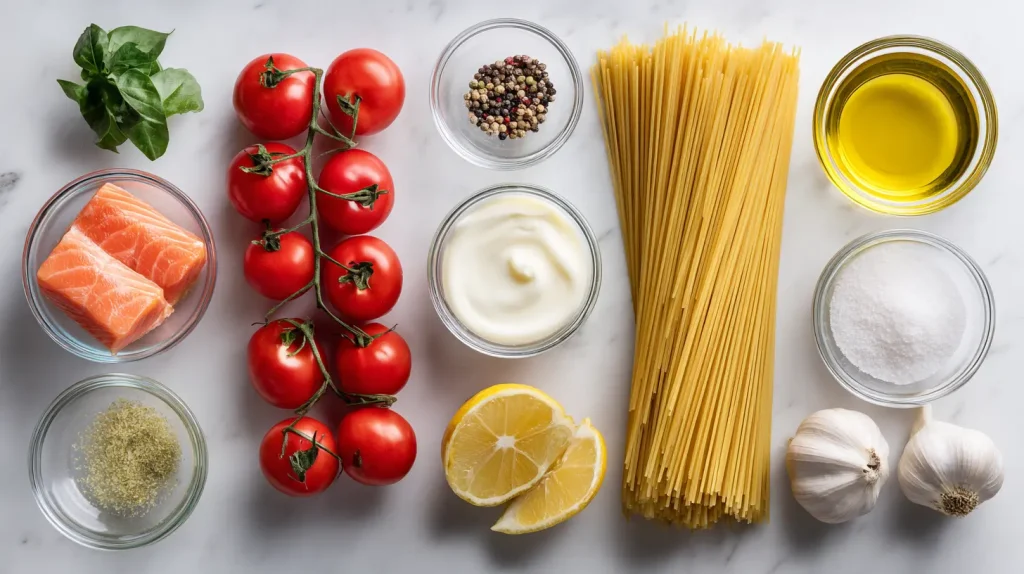
12 ounces pasta (fettuccine, penne, or your preferred type)
1 pound fresh salmon fillets, skin removed and cut into chunks
2 tablespoons olive oil
3 tablespoons unsalted butter
4 cloves garlic, minced
1 small shallot, finely chopped
1 cup heavy cream
1/2 cup chicken or vegetable broth
1/2 cup grated Parmesan cheese
1/4 teaspoon red pepper flakes (optional)
1 tablespoon lemon juice
1 teaspoon lemon zest
Salt and black pepper to taste
1 cup fresh spinach or arugula
1/4 cup sun-dried tomatoes, chopped
Fresh parsley, chopped for garnish
Directions
- Bring a large pot of salted water to a boil. Cook pasta according to package instructions until al dente. Reserve 1/2 cup of pasta water, then drain the rest. Toss the pasta with a small amount of olive oil to prevent sticking. Cooking the pasta al dente ensures it will hold up when combined with the creamy salmon sauce.
- Heat 2 tablespoons of olive oil in a large skillet over medium-high heat. Pat salmon dry and season lightly with salt and black pepper. Place salmon in the skillet and sear for 2-3 minutes on each side until golden brown. Remove salmon from the skillet and set aside. Properly seared salmon maintains a tender, flaky interior while developing a flavorful crust.
- In the same skillet, reduce heat to medium and add butter. Once melted, sauté garlic and shallots for 1-2 minutes until fragrant. Be careful not to burn the garlic, as it can turn bitter. Aromatics create the flavor foundation for the creamy pasta sauce.
- Pour in the heavy cream and broth, stirring gently. Add red pepper flakes, lemon juice, and lemon zest. Let the sauce simmer for 3-4 minutes until slightly thickened. Stir in Parmesan cheese until melted and smooth. Taste and adjust salt and pepper. The cream sauce should be silky and coat the pasta without being too heavy.
- Add the cooked pasta to the skillet, tossing to coat each strand with the creamy sauce. If the sauce is too thick, add reserved pasta water a little at a time until desired consistency is reached.
- Gently fold in the seared salmon, sun-dried tomatoes, and fresh spinach or arugula. Allow the heat from the pasta and sauce to wilt the greens while keeping the salmon intact. The greens add freshness and color, balancing the richness of the sauce.
- Plate the salmon pasta and garnish with fresh parsley and an additional sprinkle of Parmesan if desired. Serve hot to maintain the creaminess and highlight the flavors of the dish.
Notes
- Pat salmon dry before searing to ensure a golden crust
- Use fresh lemon juice and zest for brightness in the sauce
- Avoid overcooking the salmon; it should flake easily but remain moist
- Stir the pasta gently to prevent breaking the noodles or salmon pieces
- Reserve pasta water to adjust sauce consistency perfectly
- For deeper flavor, add a splash of white wine when making the cream sauce