

Italian Spaghetti Sauce – Easy & Delicious Pasta Sauce
Introduction to Italian Spaghetti Sauce
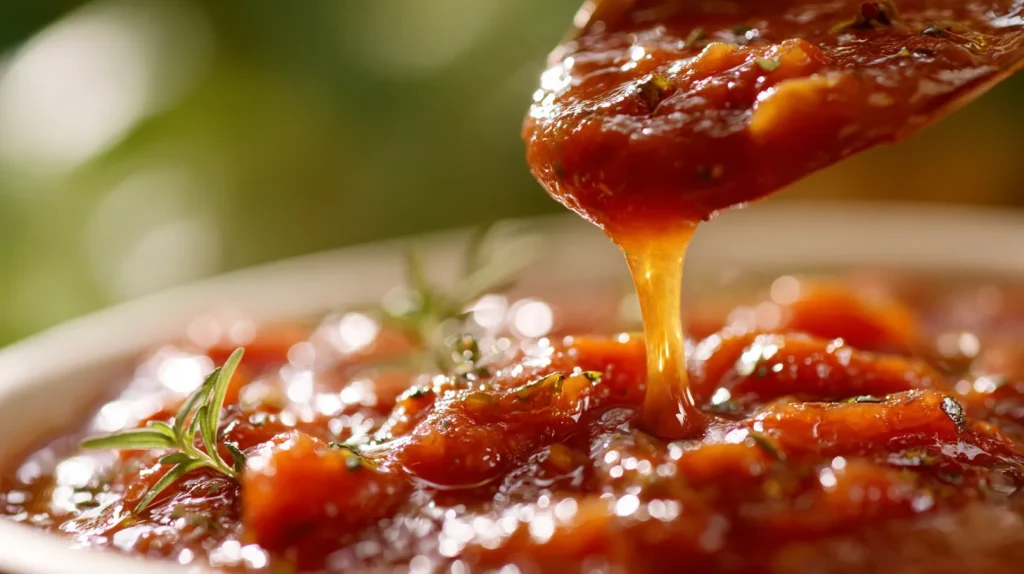
Italian spaghetti sauce is the heart of classic pasta dishes, a simple yet flavorful tomato based sauce that transforms plain spaghetti into a comforting, satisfying meal. What makes this sauce special is its balance of sweetness, acidity, and herbaceous aroma. It simmers slowly, allowing flavors to deepen and meld together, creating a rich, full bodied taste that is perfect for family dinners, casual weeknight meals, or special occasions.
Homemade Italian spaghetti sauce has a freshness and depth that store bought sauces cannot match. Using ripe tomatoes, aromatic garlic, onions, and a blend of herbs results in a sauce that is vibrant, naturally sweet, and perfectly seasoned. This sauce can be paired with spaghetti, penne, or any pasta of your choice, and serves as the base for countless variations like spaghetti meat sauce, vegetable pasta sauce, or Italian sauce recipes with seafood.
People love Italian spaghetti sauce because it is versatile, comforting, and deeply satisfying. The tomato base provides natural sweetness and acidity, while the herbs add layers of flavor. It can be a simple tomato sauce for quick pasta or the foundation for elaborate homemade spaghetti meat sauce that impresses guests.
Why You’ll Love This Recipe
This Italian spaghetti sauce recipe is designed to capture the authentic flavors of Italy while being approachable for home cooks.
First, it’s easy to follow. Even beginners can achieve a deeply flavorful sauce without complicated steps. Using fresh ingredients ensures natural taste without relying on prepackaged mixes.
Second, it’s flexible. You can make it a classic marinara style, a rich homemade spaghetti sauce with meat, or a hearty Italian sauce recipes variant with extra vegetables. The base works for any pasta, giving you options for weeknight meals, family dinners, or Sunday spaghetti traditions.
Third, the slow simmering technique unlocks maximum flavor. Allowing the sauce to cook gently develops a rich, balanced taste with a slightly caramelized sweetness and robust tomato flavor.
Finally, it’s a foundational recipe. Once you master this Italian spaghetti sauce, you can adapt it into the best spaghetti sauce for lasagna, baked pasta dishes, or even freezer friendly portions for quick dinners.
Preparation and Cooking Time
Ingredients
Seasonings and Herbs
Optional Additions
Substitution Notes
Step-by-Step Instructions
Step 1: Sauté the Aromatics
Heat olive oil in a large saucepan over medium heat. Add chopped onion and cook until soft and translucent, about 5 minutes. Stir occasionally to prevent burning.
Add minced garlic and cook for another 1–2 minutes until fragrant. Be careful not to brown the garlic, as it will create a bitter flavor.
Step 2: Add Tomato Paste and Tomatoes
Stir in tomato paste and cook for 1–2 minutes to deepen the flavor. This step enhances the richness of the sauce.
Add canned tomatoes. If using whole peeled tomatoes, crush them with a spoon or your hands as you add them to the pan. Include the juices from the can.
Step 3: Season the Sauce
Add dried oregano, basil, thyme, red pepper flakes (if using), sugar, salt, and pepper. Stir to combine. If adding red wine, pour it in at this stage and allow it to simmer for a few minutes to reduce slightly.
Step 4: Simmer and Reduce
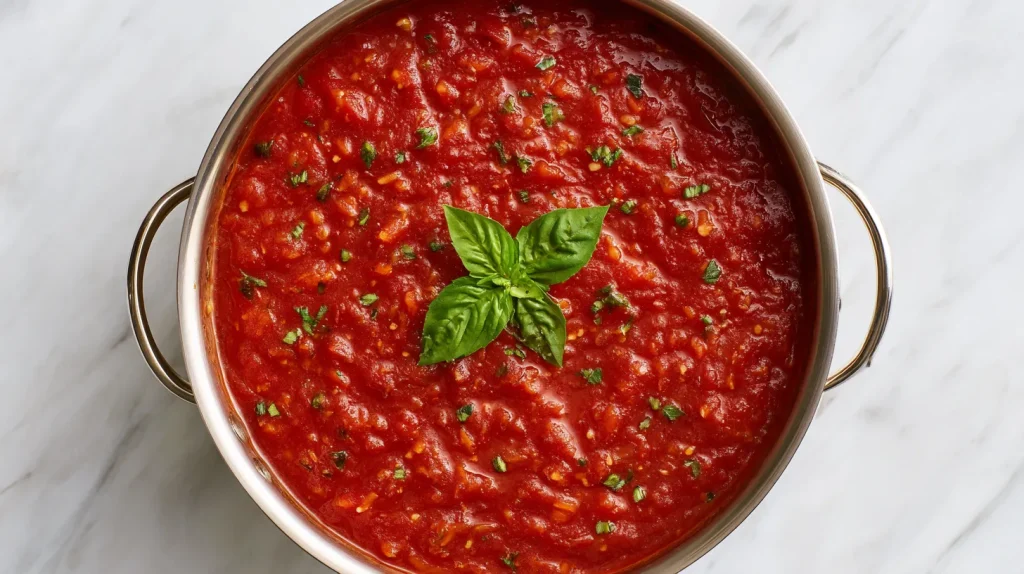
Bring the sauce to a gentle simmer over low heat. Cook uncovered for 35–45 minutes, stirring occasionally. The sauce should thicken slightly and develop a deep, rich flavor.
For a smoother sauce, use an immersion blender or carefully blend in batches once the sauce has cooled slightly.
Step 5: Add Optional Meat
If making spaghetti meat sauce, cook ground beef or Italian sausage in a separate pan until browned. Drain excess fat and stir into the sauce at the end of simmering.
Step 6: Finish and Adjust Seasoning
Taste the sauce and adjust salt, pepper, or sugar as needed. Tear fresh basil leaves and stir in just before serving for added aroma and freshness.
How to Serve
Serve Italian spaghetti sauce over freshly cooked pasta, preferably al dente. Spoon the sauce generously over the pasta and toss gently to coat each strand evenly.
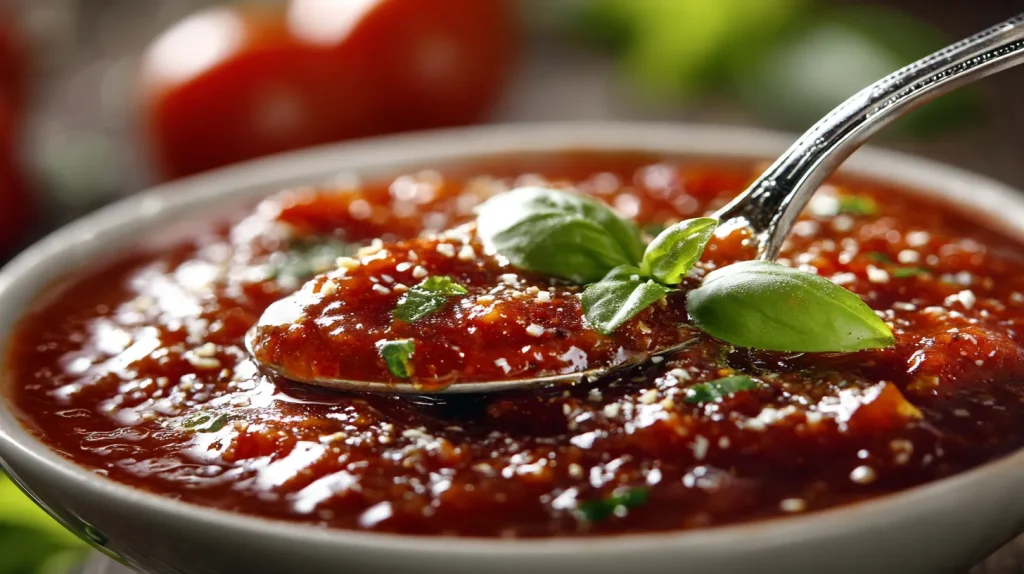
Top with freshly grated Parmesan or vegan cheese for a finishing touch. Garnish with fresh basil leaves for aroma and color.
Pair the dish with a simple green salad, roasted vegetables, or garlic bread to create a complete meal. For dinner parties, present the sauce in a warm serving bowl alongside a plate of cooked spaghetti, allowing guests to serve themselves.
Leftover sauce can be used in baked dishes like lasagna, stuffed shells, or baked ziti. You can also use it as a base for homemade pizza, adding an Italian flair to other meals.
Additional Tips
Recipe Variations
Freezing and Storage
Nutritional Information
Approximate values per 1 cup serving:
Values will vary based on added meat, oil, or optional ingredients.
Final Words
Italian spaghetti sauce is more than just a simple pasta accompaniment; it is a cornerstone of Italian cooking and a recipe every home cook should master. Its versatility allows you to adapt it for any occasion, whether you want a quick weeknight meal, a comforting weekend dinner, or an elegant dish for entertaining guests.
Making your own Italian spaghetti sauce also provides a sense of accomplishment that prepackaged sauces can never match. You can adjust the seasoning to your taste, experiment with additional ingredients like red wine, vegetables, or fresh herbs, and create a sauce that is tailored to your family’s preferences. It’s a recipe that encourages creativity while teaching fundamental techniques like sautéing aromatics, simmering, and balancing acidity and sweetness.
This recipe is also practical. By preparing a large batch, you can have homemade sauce ready for multiple meals throughout the week, making it a time saver while still providing wholesome, nutritious ingredients. It’s freezer friendly, so you can preserve portions for future pasta dishes, casseroles, or even as a base for homemade pizza, which adds incredible convenience without compromising flavor.
Finally, mastering Italian spaghetti sauce opens the door to endless culinary possibilities. You can make a classic marinara, a hearty spaghetti meat sauce, a vegetable loaded pasta sauce, or even a wine infused gourmet version. Each variation becomes a new opportunity to explore flavors, techniques, and presentation, allowing every plate of pasta to be unique, delicious, and memorable.
Once you understand the fundamentals of Italian spaghetti sauce, it becomes a foundational skill that enhances your confidence in the kitchen. From casual family dinners to festive gatherings, this sauce transforms ordinary pasta into something extraordinary, embodying the essence of homemade Italian cooking: simple, flavorful, and deeply satisfying.
FAQs

Italian Spaghetti Sauce – Easy & Delicious Pasta Sauce
Course: Sauces8
servings15
minutes45
minutes120
kcalIngredients
2 tablespoons extra virgin olive oil
1 medium onion, finely chopped
4 cloves garlic, minced
2 cans (28 ounces each) whole peeled tomatoes or crushed tomatoes
1 tablespoon tomato paste for depth
- Seasonings and Herbs
1 teaspoon dried oregano
1 teaspoon dried basil
1/2 teaspoon dried thyme
1/2 teaspoon red pepper flakes (optional for a hint of heat)
1 teaspoon sugar (optional, adjusts acidity)
Salt and freshly ground black pepper to taste
- Optional Additions
1/2 cup red wine (adds richness, optional)
1/2 pound ground beef or Italian sausage for spaghetti meat sauce
Fresh basil leaves for finishing
Directions
- Heat olive oil in a large saucepan over medium heat. Add chopped onion and cook until soft and translucent, about 5 minutes. Stir occasionally to prevent burning.
Add minced garlic and cook for another 1–2 minutes until fragrant. Be careful not to brown the garlic, as it will create a bitter flavor. - Stir in tomato paste and cook for 1–2 minutes to deepen the flavor. This step enhances the richness of the sauce.
Add canned tomatoes. If using whole peeled tomatoes, crush them with a spoon or your hands as you add them to the pan. Include the juices from the can. - Add dried oregano, basil, thyme, red pepper flakes (if using), sugar, salt, and pepper. Stir to combine. If adding red wine, pour it in at this stage and allow it to simmer for a few minutes to reduce slightly.
- Bring the sauce to a gentle simmer over low heat. Cook uncovered for 35–45 minutes, stirring occasionally. The sauce should thicken slightly and develop a deep, rich flavor.
For a smoother sauce, use an immersion blender or carefully blend in batches once the sauce has cooled slightly. - If making spaghetti meat sauce, cook ground beef or Italian sausage in a separate pan until browned. Drain excess fat and stir into the sauce at the end of simmering.
- Taste the sauce and adjust salt, pepper, or sugar as needed. Tear fresh basil leaves and stir in just before serving for added aroma and freshness.
Notes
- Use high quality canned tomatoes for the best flavor; San Marzano style is ideal.
- Simmer slowly over low heat to allow flavors to meld; avoid boiling, which can break down the sauce and make it taste flat.
- Adjust herbs and seasoning gradually, tasting frequently to balance flavors.
- For a richer flavor, let the sauce rest overnight in the refrigerator; the flavors deepen and improve.