

Spaghetti Sauce From Fresh Tomatoes – Easy Recipe
Spaghetti Sauce from Fresh Tomatoes
Spaghetti sauce from fresh tomatoes captures the essence of homemade Italian cooking in every spoonful. Unlike jarred sauces, fresh tomato sauce has a bright natural sweetness, vibrant color, and a rich depth of flavor that comes from using ripe tomatoes and fresh aromatics. Each batch tastes slightly different depending on the tomatoes you select, giving the cook full control over the flavor profile. The texture can range from silky smooth to slightly chunky, creating a satisfying mouthfeel that coats pasta evenly and pairs perfectly with meatballs, grilled vegetables, or fresh basil.
People love spaghetti sauce from fresh tomatoes because it feels wholesome and authentic. The aroma of simmering tomatoes, onions, and garlic fills the kitchen, creating an inviting atmosphere. Homemade spaghetti sauce offers a flexibility that store-bought sauces cannot match. You can adjust the seasoning, include herbs you prefer, and balance the acidity naturally without preservatives or excess sugar. Its versatility allows it to be used in numerous dishes from simple spaghetti pasta to lasagna, baked ziti, or even as a base for pizza sauce.
Fresh tomato sauce also highlights the quality of ingredients. When tomatoes are in season, the sauce has a natural vibrancy and a sweet acidity that makes every bite refreshing and balanced. The combination of slow cooking, seasoning, and fresh herbs ensures a complex flavor that is approachable for home cooks but tastes as though it came from an Italian trattoria.
Why You’ll Love This Recipe
This recipe offers a hands-on experience with fresh ingredients while delivering professional results. Using fresh Roma tomatoes or other firm varieties ensures a rich, balanced base that holds up during simmering. The recipe allows you to taste and adjust seasonings gradually, so the final sauce can be perfectly suited to your palate.
Simmering the sauce slowly allows natural sugars in the tomatoes to develop fully and creates a velvety texture. The inclusion of fresh garlic, onions, and herbs adds layers of flavor that are impossible to replicate with pre-made sauces. This method of cooking highlights the authentic Italian approach to spaghetti sauce, without requiring complicated techniques or long ingredient lists.
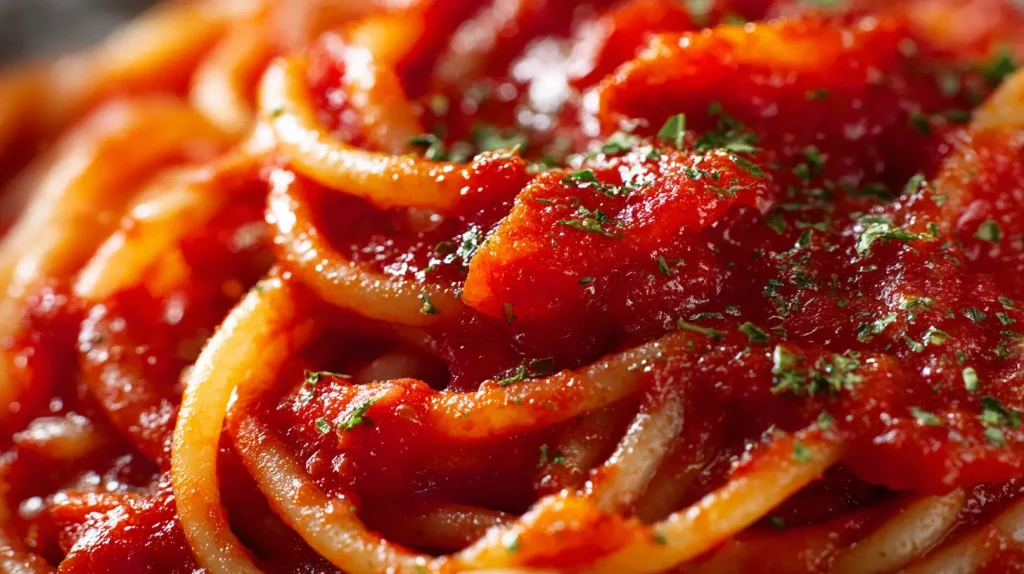
Additionally, this recipe is adaptable. It works in a traditional stovetop pot or in a slow cooker, making it convenient for busy home cooks who want a hands-off approach. The sauce can be made in large batches, frozen, and used throughout the week for quick meals. It also complements a wide range of pasta shapes, from spaghetti to penne, fusilli, and beyond.
The experience of making spaghetti sauce from fresh tomatoes is both satisfying and empowering. Home cooks gain confidence as they see how fresh ingredients transform into a vibrant, aromatic sauce. By preparing it yourself, you achieve a balance of flavor and texture that elevates any pasta dish.
Preparation and Cooking Time, also serving
Ingredients
Substitution Notes
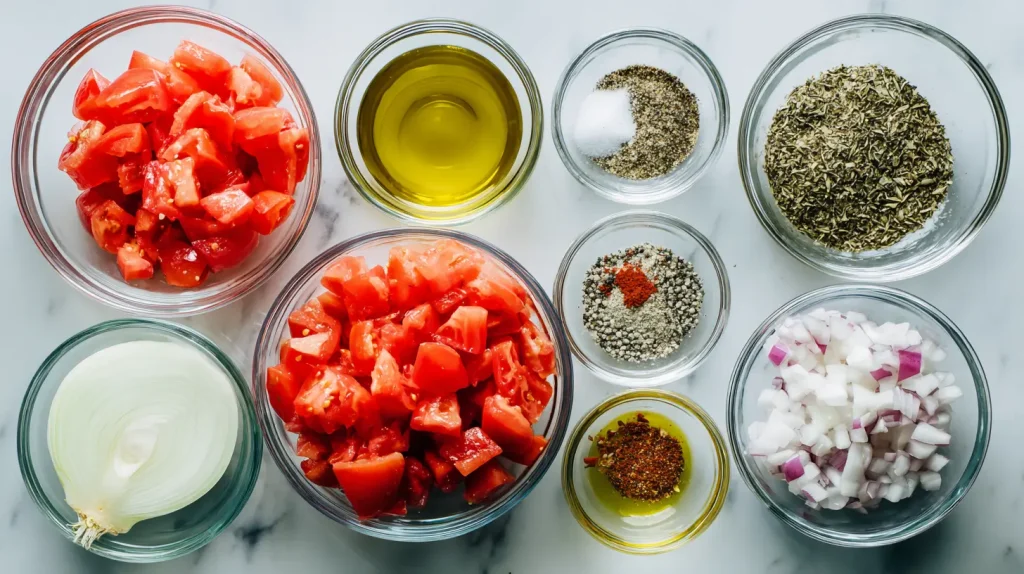
Step-by-Step Instructions
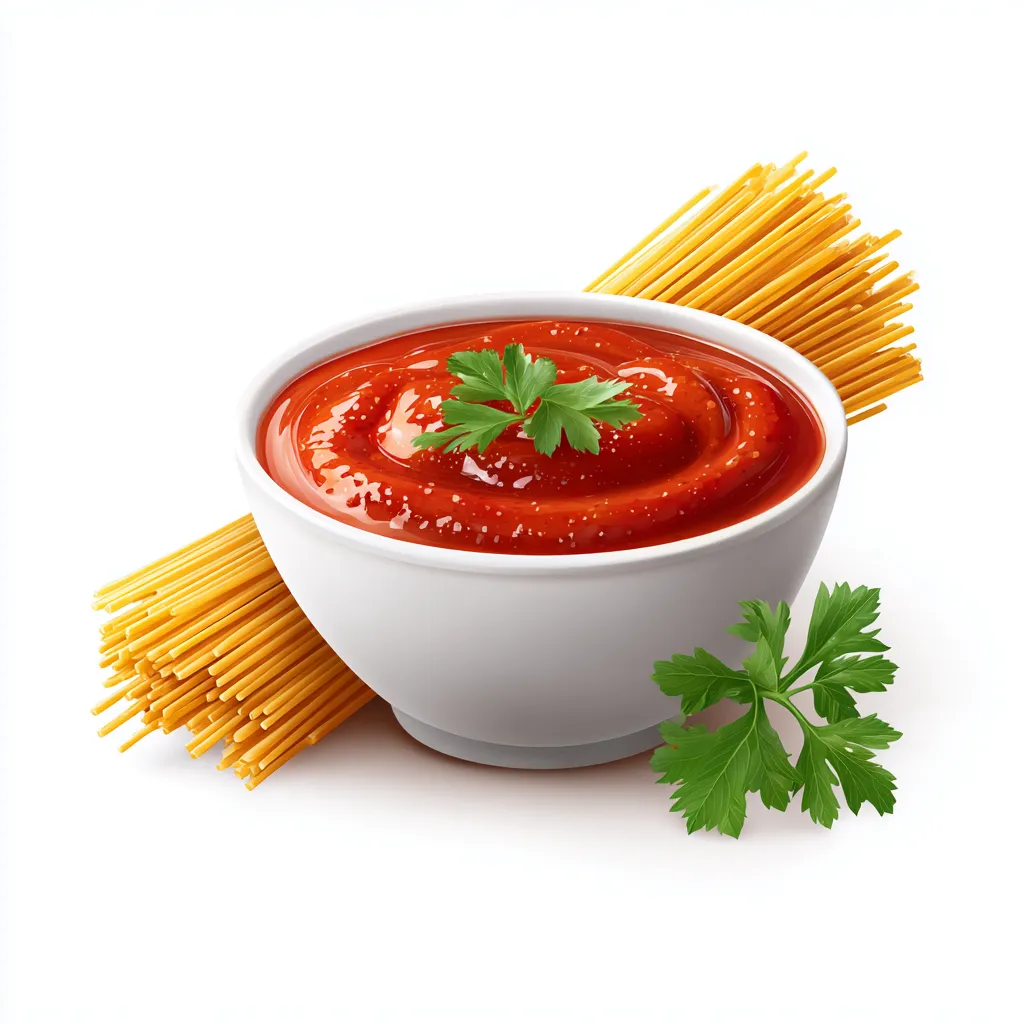
Step 1: Prepare the tomatoes
Score the bottoms of the tomatoes with a small X, blanch in boiling water for 30 seconds, then transfer to ice water. Peel the skins and chop tomatoes into medium pieces.
Step 2: Sauté vegetables
Heat olive oil in a large pot over medium heat. Add onions, garlic, celery, and carrot. Sauté until vegetables are softened.
Step 3: Add tomato paste
Stir in tomato paste and cook for 1 to 2 minutes until slightly caramelized.
Step 4: Add fresh tomatoes
Add chopped tomatoes to the pot. Stir to combine with the sautéed vegetables and tomato paste.
Step 5: Season
Add salt, black pepper, and optional sugar or red pepper flakes. Stir thoroughly.
Step 6: Add herbs
Add chopped basil and oregano to the pot. Stir gently to combine.
Step 7: Simmer
Reduce heat to low and cover partially. Simmer for 1 to 1.5 hours, stirring occasionally until sauce thickens and flavors meld.
Step 8: Blend (optional)
For a smooth sauce, use an immersion blender to blend sauce to desired consistency. Alternatively, leave slightly chunky.
Step 9: Adjust seasoning
Taste the sauce and adjust salt, pepper, or sugar if needed. Remove from heat.
Step 10: Cool and store
Allow sauce to cool slightly before using or transferring to containers for storage.
How to Serve
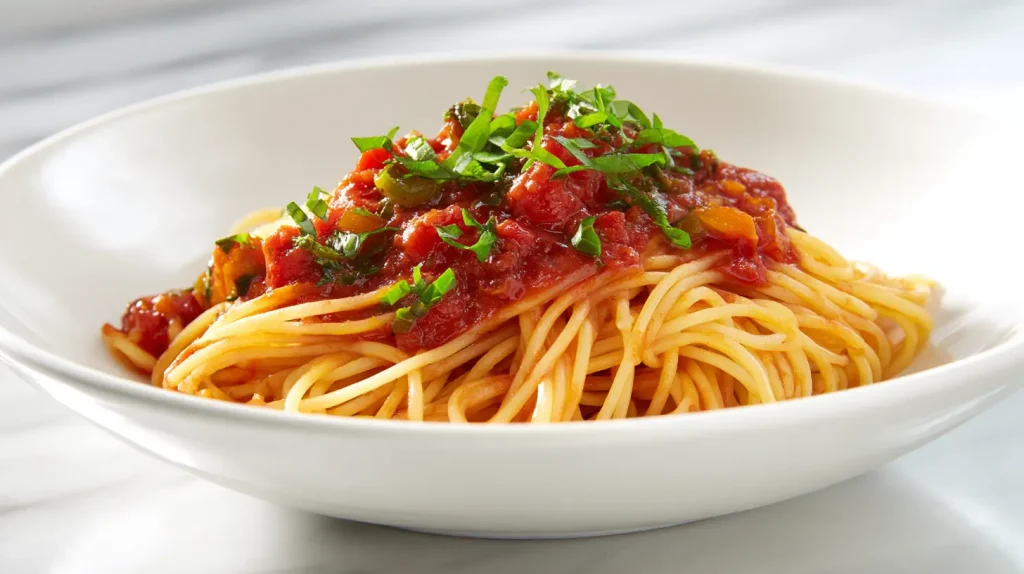
Serve spaghetti sauce from fresh tomatoes over cooked pasta, gently tossing to coat each strand or piece. Sprinkle with freshly grated Parmesan or Pecorino cheese for added flavor. Add fresh basil leaves as a garnish for color and aroma. Pair with garlic bread, a side salad, or roasted vegetables for a complete Italian-style meal. The sauce can also be used as a base for baked dishes such as lasagna or ziti, layered with cheese and meats. For a rustic presentation, ladle sauce into a shallow bowl over pasta, then drizzle with olive oil and top with finely chopped herbs.
Additional Tips
Recipe Variations
Freezing and Storage
Nutritional Information
Approximate values per 1 cup serving:
Final Words
Spaghetti sauce from fresh tomatoes is more than just a condiment; it is the foundation of countless meals and a showcase of the flavor depth that fresh ingredients can bring to your kitchen. By making your own sauce from ripe, high-quality tomatoes, you gain full control over sweetness, acidity, and seasoning, allowing each batch to reflect your taste preferences. Unlike store-bought options, this sauce offers a vibrant color, rich aroma, and complex flavor layers that only develop when fresh tomatoes, garlic, onions, and herbs are cooked carefully and patiently. Home cooks can truly experience the satisfaction of turning simple ingredients into a sauce that tastes like it came from a professional Italian kitchen.
Preparing spaghetti sauce from fresh tomatoes also builds confidence in the kitchen. The process encourages attentiveness to ingredient quality, timing, and seasoning, and introduces techniques such as sautéing, simmering, and balancing flavors that are fundamental to Italian cooking. Because the sauce is versatile, it can be adapted for multiple dishes, from classic spaghetti pasta and lasagna to baked ziti, meatball subs, and even homemade pizza bases. This versatility means that mastering this recipe equips you with a reliable sauce that can elevate everyday meals and special occasion dishes alike.
Finally, making your own spaghetti sauce is deeply rewarding. It provides not only flavor but also a sense of accomplishment and culinary independence. You can make large batches, freeze portions for future meals, or adjust herbs and seasonings to create variations such as slow cooker spaghetti sauce fresh tomatoes or roasted garlic versions. Each batch delivers a fresh, authentic taste, encourages experimentation, and makes dining at home feel like an Italian feast. By investing time in making spaghetti sauce from fresh tomatoes, you enrich both your meals and your cooking experience, proving that homemade truly tastes better and offers unmatched satisfaction in every bite.
FAQ’s

Spaghetti Sauce From Fresh Tomatoes – Easy Recipe
Course: Sauces8
servings20
minutes1
hour15
minutes120
kcalIngredients
Fresh Roma tomatoes 2 kg peeled and chopped
Extra virgin olive oil 60 ml
Yellow onion 1 medium, finely chopped
Garlic 4 cloves, minced
Carrot 1 medium, grated
Celery stalk 1, finely chopped
Tomato paste 2 tablespoons
Fresh basil 6 leaves, chopped
Fresh oregano 1 teaspoon chopped
Salt 2 teaspoons
Black pepper 1 teaspoon
Sugar 1 teaspoon optional
Red pepper flakes ¼ teaspoon optional
Directions
- Score the bottoms of the tomatoes with a small X, blanch in boiling water for 30 seconds, then transfer to ice water. Peel the skins and chop tomatoes into medium pieces.
- Heat olive oil in a large pot over medium heat. Add onions, garlic, celery, and carrot. Sauté until vegetables are softened.
- Stir in tomato paste and cook for 1 to 2 minutes until slightly caramelized.
- Add chopped tomatoes to the pot. Stir to combine with the sautéed vegetables and tomato paste.
- Add salt, black pepper, and optional sugar or red pepper flakes. Stir thoroughly.
- Add chopped basil and oregano to the pot. Stir gently to combine.
- Reduce heat to low and cover partially. Simmer for 1 to 1.5 hours, stirring occasionally until sauce thickens and flavors meld.
- For a smooth sauce, use an immersion blender to blend sauce to desired consistency. Alternatively, leave slightly chunky.
- Taste the sauce and adjust salt, pepper, or sugar if needed. Remove from heat.
- Allow sauce to cool slightly before using or transferring to containers for storage.
Notes
- Use ripe, firm tomatoes for best flavor and texture.
- Do not overcrowd the pot; ensure vegetables have space to sauté evenly.
- Simmer sauce on low heat to avoid burning and develop depth of flavor.
- Peeling tomatoes is optional, but it produces a smoother final sauce.
- If sauce is too acidic, a small pinch of sugar balances the flavor.
- Stir occasionally to prevent sticking and ensure even cooking.
- Fresh herbs added at the end preserve their aroma.
- For richer flavor, roast tomatoes in the oven at 200°C for 20 minutes before adding to the sauce.