
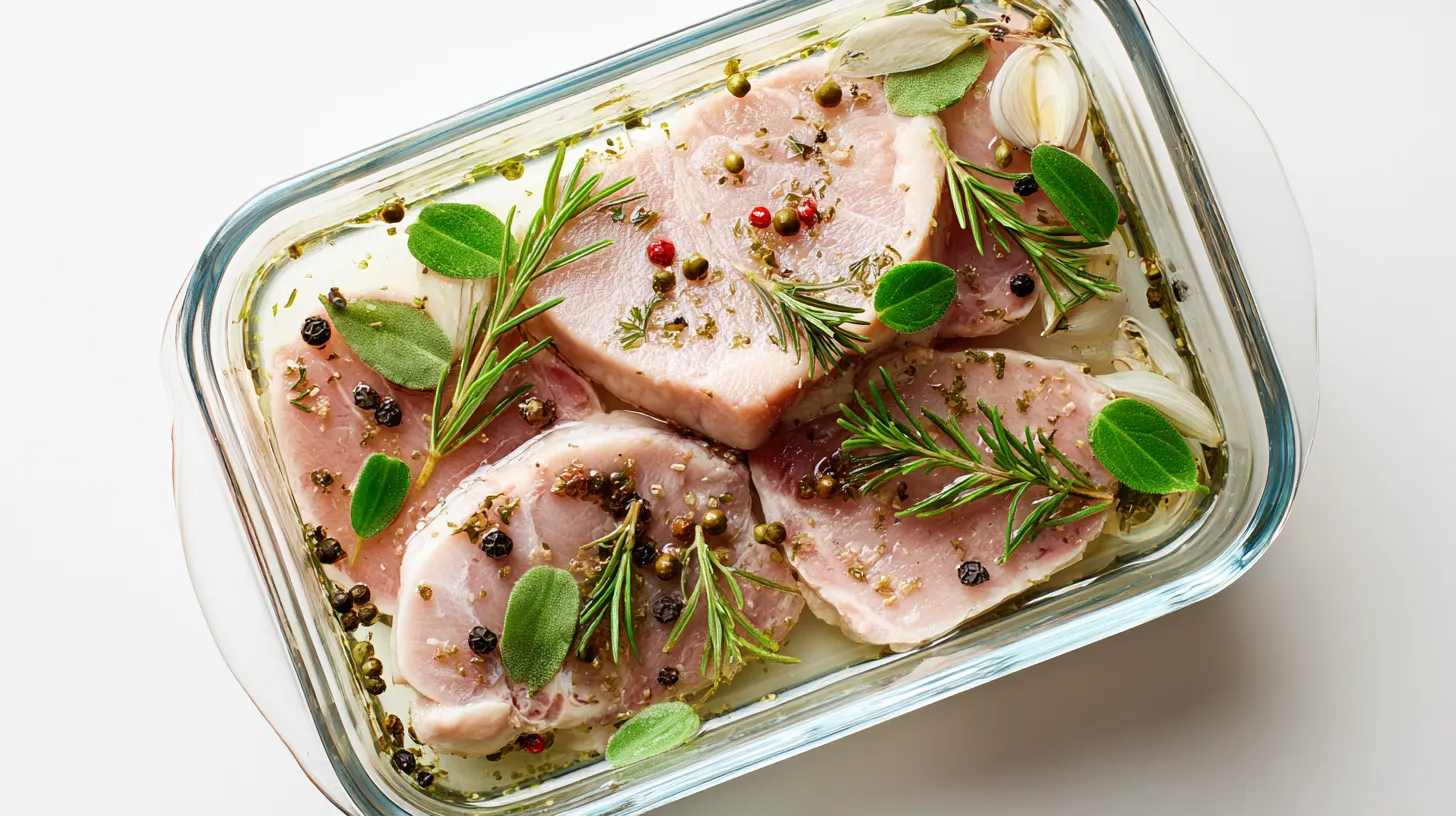
Pork Chop Brine – Juicy Tender Pork Chops Recipe
Pork Chop Brine
Pork chop brine is one of the most effective ways to transform everyday pork chops into restaurant level results. Home cooks often struggle with pork because it can dry out quickly and become chewy instead of tender. Brining solves this by helping the meat retain moisture during cooking while also seasoning it from the inside. This technique has been used in professional kitchens for decades, and once you try it at home, it becomes second nature. The taste is savory, well seasoned, and balanced. The texture is noticeably juicier and more tender compared to unbrined pork. The brining liquid also gives the pork a subtle complexity that works with many side dishes and sauces, making it an excellent option for a pork chop dinner.
People love pork chop brine because the improvement is undeniable, and it works with both boneless pork chops and bone in cuts. With the right brining recipe, you can elevate simple pork into an impressive meal without resorting to complicated cooking techniques. Brining pork chops gives you flexibility. You can cook them on the stove, bake them, grill them, or sear and roast them in the oven. The flavor profile you get from a brine for pork depends on the aromatics and sweet elements you choose.
Apple cider brined pork loin has a mild sweetness that pairs beautifully with herbs and mustard sauces, while herb infused brining pork chops recipes produce a more savory flavor with hints of garlic and bay leaf. Because of the versatility of the method, pork chop brine has become a staple in many professional kitchens and is equally accessible to home cooks willing to try a simple brine recipe that delivers reliable results. When done properly, brined pork chops recipes provide deeply seasoned meat that stays moist even if you accidentally cook it a few extra minutes. That is one of the main reasons chefs advocate for brining pork chops and brine pork chops recipes in general.
Why You’ll Love This Recipe
Brining is predictable. The technique guarantees better pork because the salt in the brine changes the protein structure, allowing the meat to hold on to more moisture during cooking. This is extremely helpful for lean cuts like pork chops where there is not much fat to provide lubrication. Another reason to love this recipe is that it enhances flavor evenly throughout the chop instead of just seasoning the outside. You also get improved browning because the exterior surface dries better before cooking after the pork chop brine is rinsed and patted dry, allowing the sugars to caramelize.
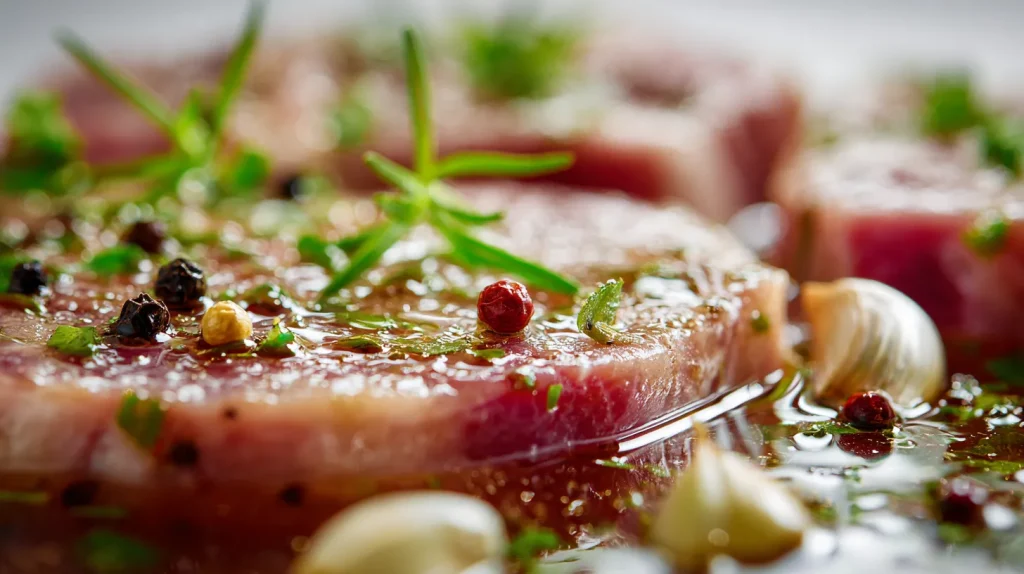
This recipe is built around balance. It does not rely on heavy marinades or complicated spice blends. It respects the flavor of pork and elevates it without overwhelming it. Home cooks who have previously struggled with dry pork will notice a significant improvement, which makes this technique worth learning and mastering. It also allows you to prepare several chops ahead of time, which is useful for entertaining or weekly pork dinner meal prep. Brining pork chops is also flexible in terms of cooking methods so you can bake brined pork chops, pan sear them, grill them, or roast them in the oven.
Preparation and Cooking Time, also serving
Serving: This recipe makes enough brine for 4 large pork chops or 6 small pork chops
Ingredients
Substitution Notes
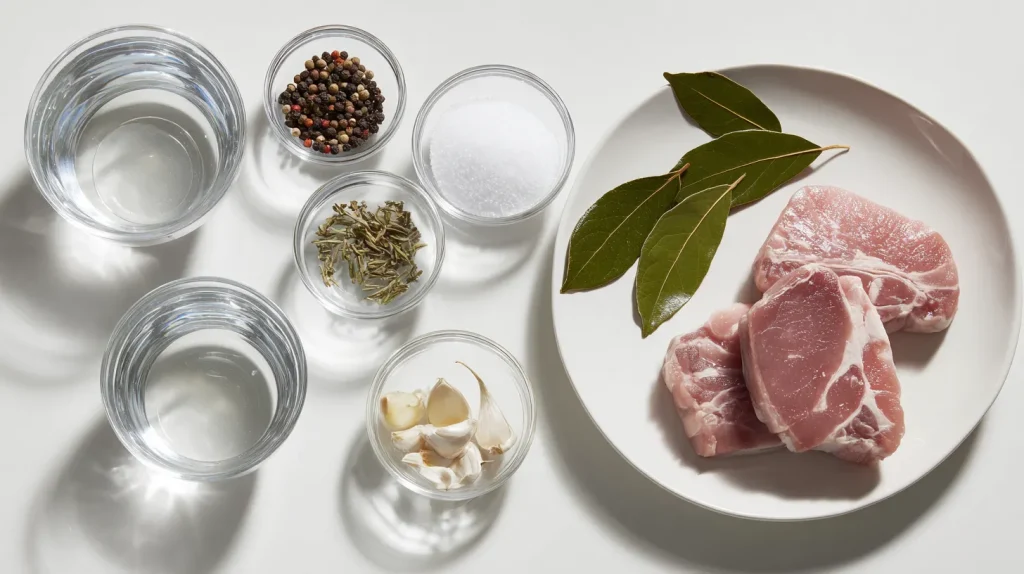
Step-by-Step Instructions

Step 1: Build the Brine Base
In a medium saucepan add 2 cups of the water, the apple cider, salt, brown sugar, garlic, peppercorns, bay leaves, and herbs. Bring the mixture to a light simmer and stir to dissolve the salt and sugar completely. Heating helps dissolve the solids and extract flavor from the aromatics. Once dissolved remove from heat and add the remaining 2 cups of cold water. This cools the brine down so it does not start cooking the pork prematurely. Let the brine reach room temperature or chill it in the refrigerator if needed.
Step 2: Prepare the Pork
Place the pork chops in a non reactive container such as a glass bowl or resealable bag. Pour the cooled pork chop brine over the meat making sure the pork chops are fully submerged. If the chops float place a small plate on top to weigh them down.
Step 3: Brining Time
Refrigerate for at least 4 hours. Thicker chops benefit from 8 to 12 hours. Do not brine beyond 18 hours or the texture can change too much and become overly firm. This applies to brining pork chops recipes across the board including brined boneless pork chops and brined pork chops variations in restaurants.
Step 4: Rinse and Dry
Remove the pork from the pork chop brine and discard the liquid. Rinse each chop briefly under cold water to remove excess brine on the surface. Pat dry thoroughly with paper towels. This step is critical for good browning. If the surface is too wet the pork will steam instead of sear.
Step 5: Cook the Pork
Season lightly because the brine has already seasoned the interior. Preheat a skillet over medium high heat with a little oil. Sear the pork chops on each side until golden brown. Reduce heat to medium and continue cooking until the internal temperature reaches 140 degrees Fahrenheit. Remove from heat and rest for 5 minutes. The carryover heat will take the final temperature to around 145 degrees Fahrenheit which is ideal for pork. This approach also works for pork chop recipes baked if you prefer to finish in the oven instead of the stovetop.
Step 6: Resting Period
Resting after cooking is essential. It allows the juices to redistribute through the meat rather than spilling out when cut. This is the same principle used for larger cuts such as pork loin recipes that rely on resting to maintain tenderness.
How to Serve
Brined pork chops are extremely versatile and can be served with sauces, pan reductions, or simple accompaniments like compound butter. For a savory profile serve them with mustard cream sauce or homemade pan gravy made with stock and a touch of white wine. For a sweeter profile pair them with reduced apple cider glaze or sautéed apples. Side dishes for brined pork chops can include mashed potatoes, roasted vegetables, polenta, rice pilaf, or a fresh salad.
For a polished restaurant style pork chop dinner plate the chop at a slight angle, spoon sauce around instead of over the top, and finish with a sprinkling of fresh herbs for visual interest. Brined pork also pairs well with roasted onions, fennel, or root vegetable purées.
Additional Tips
Use thicker pork chops for best results. Thicker cuts benefit more from pork chop brine because they have more interior moisture to protect. Bone in chops are ideal because bones help conduct heat and keep the meat tender. When preparing a brine for pork remember that salt does the heavy lifting. Adding sweet elements contributes browning and flavor. Always pat dry before cooking to encourage caramelization. For grilling let the chops air dry in the refrigerator for 1 hour after brining and drying to form a tacky surface which browns better.
For pan sauces reserve the fond and deglaze with stock or cider. This technique works across brining recipes including pick chop recipes and other brined pork chops recipes. Use a thermometer for accuracy because brining will reduce the margin of error but not eliminate it.
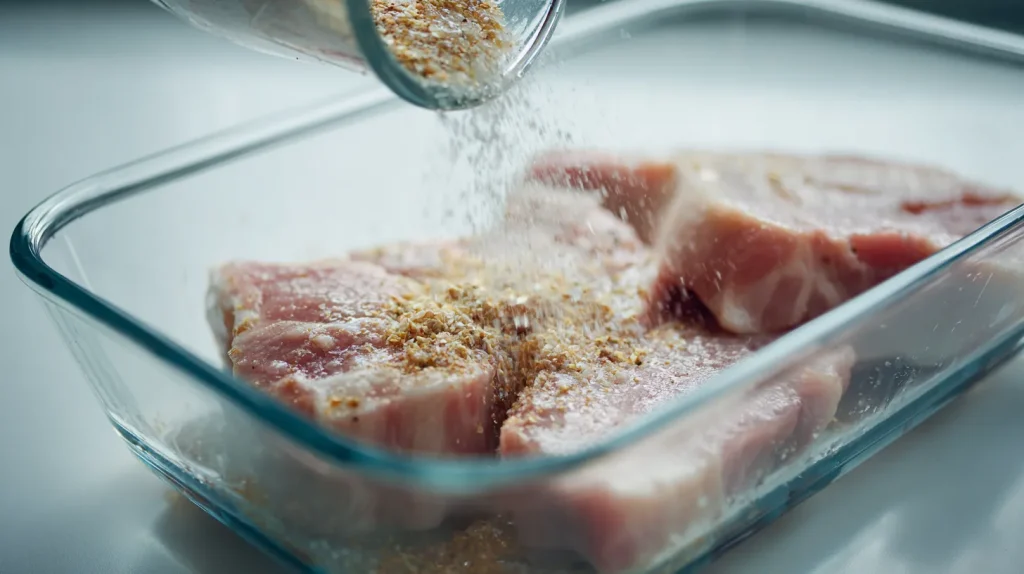
Recipe Variations
Apple cider brined pork loin variation: Use whole pork loin or tenderloin instead of chops. Increase brining time to 12 to 24 hours depending on size. Roast or grill until internal temperature reaches 140 degrees Fahrenheit before resting.
Herb and garlic brining pork chops variation: Replace cider with water and increase herbs. Add thyme, rosemary, sage, and bay leaf for a more savory flavor profile. Pair with mustard cream sauce for classic restaurant style pork dinner.
Brown sugar and citrus variation: Add orange zest and a splash of orange juice to the pork chop brine along with brown sugar. This adds brightness and sweetness to balance the savory notes. Finish with a citrus pan reduction for enhanced acidity.
Freezing and Storage
Store cooked brined pork chops in an airtight container for up to 3 days in the refrigerator. For reheating use gentle methods such as low oven or covered skillet with a small splash of stock to prevent drying. For freezing store cooked chops tightly wrapped for up to 2 months. Thaw overnight in the refrigerator and reheat gently. Do not freeze raw pork in the brine because the texture can change.
Nutritional Information
Approximate per chop:
Final Words
Learning how to make pork chop brine changes the way you cook pork at home. This technique gives you control over moisture, flavor, and texture with minimal effort. Instead of dry or bland pork chops you get juicy and seasoned results that are satisfying and consistent. Once mastered you can apply the same approach to other cuts like pork loin or tenderloin. Whether you are cooking a simple pork chop dinner for your family or preparing a more elaborate meal for guests, brining provides a reliable foundation that elevates pork without making the process complicated.
The best part is that once you taste brined pork chops side by side with unbrined versions, the difference is so noticeable that it becomes difficult to go back. Home cooks often search for brined pork chops recipes or bone in pork chop marinade ideas when they want extra flavor and tenderness.
Brining offers both without masking the natural taste of the meat. Because the technique is easy to adapt, you can build your own signature brine recipe over time by adjusting aromatics, herbs, sweeteners, or acidic components. The technique is also cost effective and flexible enough to use for meal prep, entertaining, or weeknight pork dinner ideas. If you appreciate cooking methods that maximize flavor without complicated steps, pork chop brine is worth keeping in your repertoire.
With practice you will develop an intuitive understanding of how long to brine, how much seasoning to use, and which flavors complement pork best. Experiment with seasonal ingredients and use leftovers creatively. Many professional chefs rely on brining because it works and because it gives them predictable control over one of the most delicate aspects of pork which is moisture retention. Now you can use the same tools at home and enjoy the results without needing a restaurant kitchen or specialized equipment.
FAQ’s

Pork Chop Brine – Juicy Tender Pork Chops Recipe
Course: Pork Recipes4
servings15
minutes15
minutes300
kcal4
hoursIngredients
4 large pork chops about 1 to 1.5 inches thick
4 cups water
1 cup apple cider or apple juice
3 tablespoons kosher salt
3 tablespoons brown sugar
4 garlic cloves peeled and smashed
1 teaspoon whole black peppercorns
2 bay leaves
1 small sprig fresh thyme optional
1 small sprig rosemary optional
Directions
- In a medium saucepan add 2 cups of the water, the apple cider, salt, brown sugar, garlic, peppercorns, bay leaves, and herbs. Bring the mixture to a light simmer and stir to dissolve the salt and sugar completely. Heating helps dissolve the solids and extract flavor from the aromatics. Once dissolved remove from heat and add the remaining 2 cups of cold water. This cools the brine down so it does not start cooking the pork prematurely. Let the brine reach room temperature or chill it in the refrigerator if needed.
- Place the pork chops in a non reactive container such as a glass bowl or resealable bag. Pour the cooled pork chop brine over the meat making sure the pork chops are fully submerged. If the chops float place a small plate on top to weigh them down.
- Refrigerate for at least 4 hours. Thicker chops benefit from 8 to 12 hours. Do not brine beyond 18 hours or the texture can change too much and become overly firm. This applies to brining pork chops recipes across the board including brined boneless pork chops and brined pork chops variations in restaurants.
- Remove the pork from the pork chop brine and discard the liquid. Rinse each chop briefly under cold water to remove excess brine on the surface. Pat dry thoroughly with paper towels. This step is critical for good browning. If the surface is too wet the pork will steam instead of sear.
- Season lightly because the brine has already seasoned the interior. Preheat a skillet over medium high heat with a little oil. Sear the pork chops on each side until golden brown. Reduce heat to medium and continue cooking until the internal temperature reaches 140 degrees Fahrenheit. Remove from heat and rest for 5 minutes. The carryover heat will take the final temperature to around 145 degrees Fahrenheit which is ideal for pork. This approach also works for pork chop recipes baked if you prefer to finish in the oven instead of the stovetop.
- Resting after cooking is essential. It allows the juices to redistribute through the meat rather than spilling out when cut. This is the same principle used for larger cuts such as pork loin recipes that rely on resting to maintain tenderness.