

Sourdough Cornbread Recipe – Tender & Flavorful Bread
Sourdough Cornbread Recipe
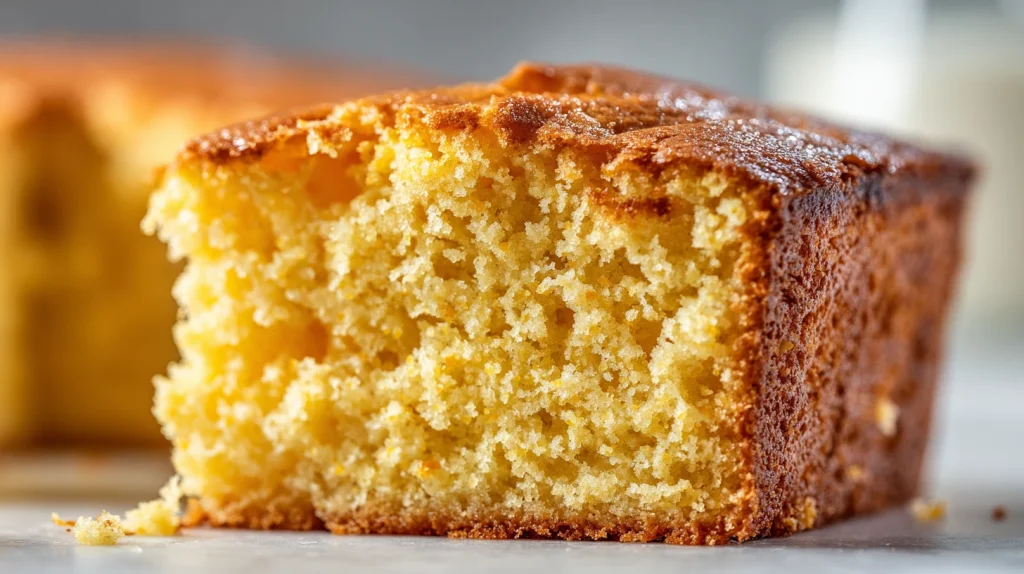
Sourdough cornbread is a comforting twist on a classic Southern staple, combining the rich, nutty flavor of cornmeal with the subtle tang of a naturally fermented sourdough starter. This combination elevates traditional cornbread into a complex, deeply flavorful bread that is moist, tender, and slightly crumbly with a golden crust.
What makes this sourdough cornbread recipe special is the unique depth provided by the sourdough starter. The fermentation not only adds a mild tang that balances the sweetness of the cornmeal but also improves the texture, giving the bread a soft, moist crumb while maintaining a light, airy structure. People love this cornbread because it can be enjoyed on its own, paired with hearty stews, or used as a base for breakfast sandwiches. Its versatility and rich flavor make it a favorite for both everyday meals and special occasions.
For home cooks looking to explore sourdough cornbread muffins or quick sourdough muffins, mastering this recipe opens doors to a range of baking adventures. Whether you are using your sourdough starter in sourdough discard muffin recipes or experimenting with sourdough Mcgriddle muffins, this cornbread is a foundational recipe that delivers consistently delicious results.
Why You’ll Love This Recipe
This recipe is designed to make the sourdough cornbread experience approachable yet refined. Here’s what sets it apart:
By following this recipe, you can transform a simple combination of flour and cornmeal into a bakery-quality bread that is both rustic and refined.
Preparation and Cooking Time, also serving
These times account for proper fermentation of the sourdough starter, ensuring maximum flavor and optimal texture.
Ingredients
For the Sourdough Cornbread:
Optional Add-ins:
Substitution Notes:
Step-by-Step Instructions

Step 1: Prepare the Sourdough Starter
Ensure your sourdough starter is active and bubbly. If using discard, feed it a few hours in advance or proceed directly, understanding the flavor will be slightly milder. Stir the starter gently to incorporate air and check for consistency; it should be smooth and pourable. This starter is what gives your cornbread its signature tang.
Step 2: Mix Dry Ingredients
In a large bowl, whisk together the cornmeal, all-purpose flour, sugar, baking soda, baking powder, and salt. Whisking ensures the leavening agents are evenly distributed and prevents clumping, providing a uniform crumb texture. If adding optional corn kernels or cheese, fold them lightly into the dry mixture at this stage.
Step 3: Combine Wet Ingredients
In a separate bowl, whisk the sourdough starter with buttermilk, eggs, melted butter, and vanilla extract. Ensure the mixture is smooth and free of lumps. Properly combining wet ingredients ensures even hydration of the cornmeal, which contributes to a tender texture.
Step 4: Incorporate Dry and Wet Mixtures
Pour the wet ingredients into the dry mixture and gently fold until just combined. Overmixing can result in a dense texture, while undermixing leaves streaks of flour. The batter should be thick but pourable, holding its shape while still soft enough to spread into the pan or muffin tin.
Step 5: Prepare Baking Pan
Grease a 9-inch square baking pan or a 12-cup muffin tin with butter. For a rustic crust, line the pan with parchment paper and brush lightly with butter. This ensures easy removal and contributes to a golden, slightly crisp bottom.
Step 6: Pour and Smooth Batter
Pour the batter into the prepared pan or spoon into muffin cups, filling each about two-thirds full. Smooth the surface with a spatula for even baking. This step ensures uniform rise and creates an attractive finished appearance.
Step 7: Bake the Cornbread
Preheat the oven to 375°F (190°C). Bake for 25–30 minutes, or until the top is golden brown and a toothpick inserted into the center comes out clean. Muffins may require slightly less time, around 20–25 minutes. Check frequently during the last 5 minutes to avoid overbaking. For extra texture, broil for 1–2 minutes to crisp the tops lightly.
Step 8: Cool and Slice
Allow the cornbread to cool in the pan for 10–15 minutes. For muffins, transfer to a wire rack immediately. Slicing too early can cause crumbling; cooling sets the structure and makes the bread easier to cut.
Step 9: Optional Glaze or Topping
Brush the top lightly with melted butter while still warm for a rich sheen and added flavor. Sprinkle additional cheese or corn kernels on top for presentation. These small touches enhance both taste and appearance, especially if serving as part of a brunch or dinner spread.
How to Serve
This cornbread is versatile, complementing both sweet and savory dishes, and elevates any meal with its golden color and tender crumb.
Additional Tips
These professional tips ensure consistent, tender, and flavorful results every time.
Recipe Variations
These variations demonstrate the versatility of sourdough cornbread muffins and sourdough corn muffins while maintaining tender texture and rich flavor.
Freezing and Storage
Proper storage retains moisture, flavor, and the tender crumb of your sourdough cornbread.
Nutritional Information (Approximate per serving)
These values vary depending on add-ins like cheese, corn kernels, or butter.
Final Words
Baking a sourdough cornbread recipe at home is a rewarding experience that combines tradition, flavor, and the subtle complexity of natural fermentation. The golden crust, tender crumb, and slightly tangy flavor create a bread that is comforting yet sophisticated. This recipe is perfect for home cooks who want to explore the versatility of sourdough starter muffin recipes and expand into quick sourdough muffins or sourdough corn muffins. Whether served alongside a hearty dinner, as part of a brunch spread, or as a snack with butter and honey, this cornbread elevates any meal.
Once you master the techniques of mixing, folding, and baking this bread, it opens the door to endless creative variations. Experiment with cheeses, herbs, or even sweet additions like honey or maple syrup. Your kitchen becomes a place of both learning and indulgence, producing bread that is not only delicious but also deeply satisfying to make from scratch. With practice and patience, your sourdough cornbread will become a staple recipe, celebrated by family and friends, and a proud representation of your baking skills.
FAQ’s

Sourdough Cornbread Recipe – Tender & Flavorful Bread
Course: Bread Recipes8
servings20
minutes25
minutes200
kcalIngredients
- For the Sourdough Cornbread:
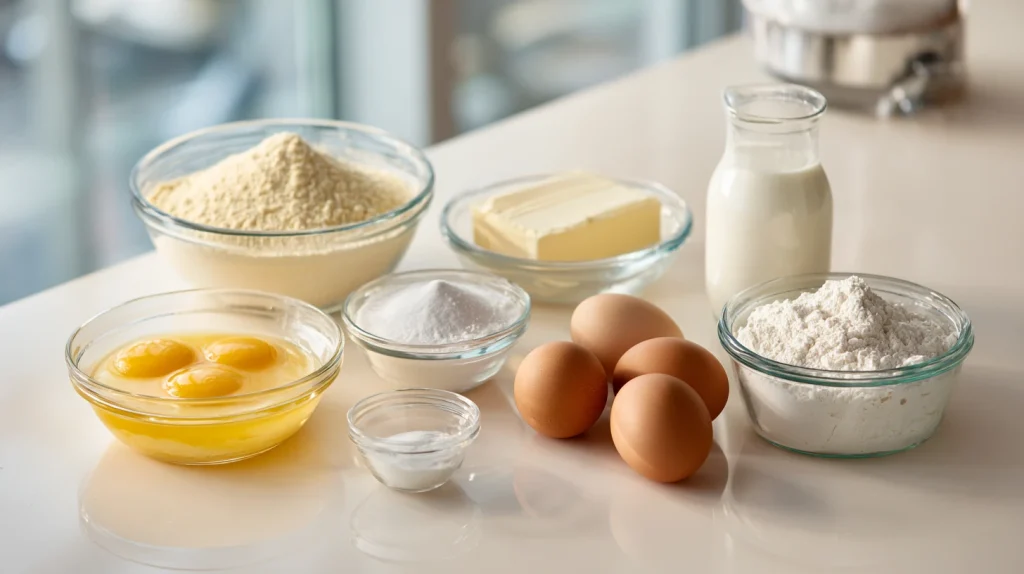
1 cup (240 g) active sourdough starter (fed or discard)
1 cup (120 g) yellow cornmeal
1 cup (120 g) all-purpose flour
2 tablespoons granulated sugar
1 teaspoon baking soda
½ teaspoon baking powder
1 teaspoon salt
1 cup (240 ml) buttermilk
2 large eggs
¼ cup (60 ml) melted unsalted butter, plus extra for greasing
1 teaspoon vanilla extract (optional)
- Optional Add-ins:
½ cup corn kernels, fresh or frozen
½ cup shredded cheddar cheese
2 tablespoons chopped jalapeños for a spicy kick
Directions
- Ensure your sourdough starter is active and bubbly. If using discard, feed it a few hours in advance or proceed directly, understanding the flavor will be slightly milder. Stir the starter gently to incorporate air and check for consistency; it should be smooth and pourable. This starter is what gives your cornbread its signature tang.
- In a large bowl, whisk together the cornmeal, all-purpose flour, sugar, baking soda, baking powder, and salt. Whisking ensures the leavening agents are evenly distributed and prevents clumping, providing a uniform crumb texture. If adding optional corn kernels or cheese, fold them lightly into the dry mixture at this stage.
- In a separate bowl, whisk the sourdough starter with buttermilk, eggs, melted butter, and vanilla extract. Ensure the mixture is smooth and free of lumps. Properly combining wet ingredients ensures even hydration of the cornmeal, which contributes to a tender texture.
- Pour the wet ingredients into the dry mixture and gently fold until just combined. Overmixing can result in a dense texture, while undermixing leaves streaks of flour. The batter should be thick but pourable, holding its shape while still soft enough to spread into the pan or muffin tin.
- Grease a 9-inch square baking pan or a 12-cup muffin tin with butter. For a rustic crust, line the pan with parchment paper and brush lightly with butter. This ensures easy removal and contributes to a golden, slightly crisp bottom.
- Pour the batter into the prepared pan or spoon into muffin cups, filling each about two-thirds full. Smooth the surface with a spatula for even baking. This step ensures uniform rise and creates an attractive finished appearance.
- Preheat the oven to 375°F (190°C). Bake for 25–30 minutes, or until the top is golden brown and a toothpick inserted into the center comes out clean. Muffins may require slightly less time, around 20–25 minutes. Check frequently during the last 5 minutes to avoid overbaking. For extra texture, broil for 1–2 minutes to crisp the tops lightly.
- Allow the cornbread to cool in the pan for 10–15 minutes. For muffins, transfer to a wire rack immediately. Slicing too early can cause crumbling; cooling sets the structure and makes the bread easier to cut.
- Brush the top lightly with melted butter while still warm for a rich sheen and added flavor. Sprinkle additional cheese or corn kernels on top for presentation. These small touches enhance both taste and appearance, especially if serving as part of a brunch or dinner spread.