

Sourdough Pizza Dough – Crispy, Chewy, and Perfect
Sourdough Pizza Dough
Sourdough pizza dough is a game-changer for anyone who loves pizza. Unlike traditional yeast-based dough, sourdough pizza dough develops a deep, tangy flavor from natural fermentation, creating a crust that is crisp on the outside yet soft and chewy inside. This dough carries a complex taste that comes from the lactic acids in the sourdough starter, giving your pizza an artisanal quality.
Home cooks love sourdough pizza dough because it combines the rustic charm of homemade bread with the flexibility to create any pizza style from thin-crust Margherita to thick, airy Neapolitan-style pizzas. It holds toppings beautifully, rises naturally, and develops bubbles and texture during baking that are nearly impossible to replicate with commercial yeast. Using this dough also allows for creative variations, such as small batch sourdough pizza dough or using sourdough discard, so you can minimize waste while still producing exceptional pizza.
Why You’ll Love This Recipe
There are several reasons this sourdough pizza dough recipe will become a staple in your kitchen.
Preparation and Cooking Time
The timeline allows flexibility. Longer fermentation enhances flavor, while shorter fermentation still produces a tender, workable dough.
Ingredients
Substitutions Notes:
Step-by-Step Instructions

Step 1: Activate Your Sourdough Starter
Ensure your sourdough starter is active and bubbly. Feed it 4–8 hours before making the dough or the night prior. A mature starter gives the dough natural leavening power and contributes to the tangy flavor that defines sourdough pizza dough.
Step 2: Mix the Dough
In a large mixing bowl, combine the flour and water. Mix until all the flour is hydrated and a shaggy dough forms. Let it rest for 20–30 minutes. This process, known as autolyse, allows the flour to fully absorb water, improving gluten development and extensibility. Add the active sourdough starter and salt to the dough, then mix thoroughly until incorporated. Add olive oil during the final kneading phase to enrich the dough and enhance elasticity.
Step 3: Knead the Dough
Knead the dough for 8–10 minutes by hand or 5–6 minutes using a stand mixer with a dough hook. You are aiming for a smooth, slightly tacky dough that holds its shape. The gluten should be developed enough that a small piece can stretch thin without tearing, which is key for airy pizza crusts.
Step 4: Bulk Fermentation
Transfer the dough to a lightly oiled bowl and cover with a damp towel or plastic wrap. Allow it to ferment at room temperature for 4–6 hours or refrigerate overnight. During this period, perform 2–3 sets of stretch and folds at 30–45 minute intervals to strengthen gluten and improve dough structure.
Step 5: Divide and Shape
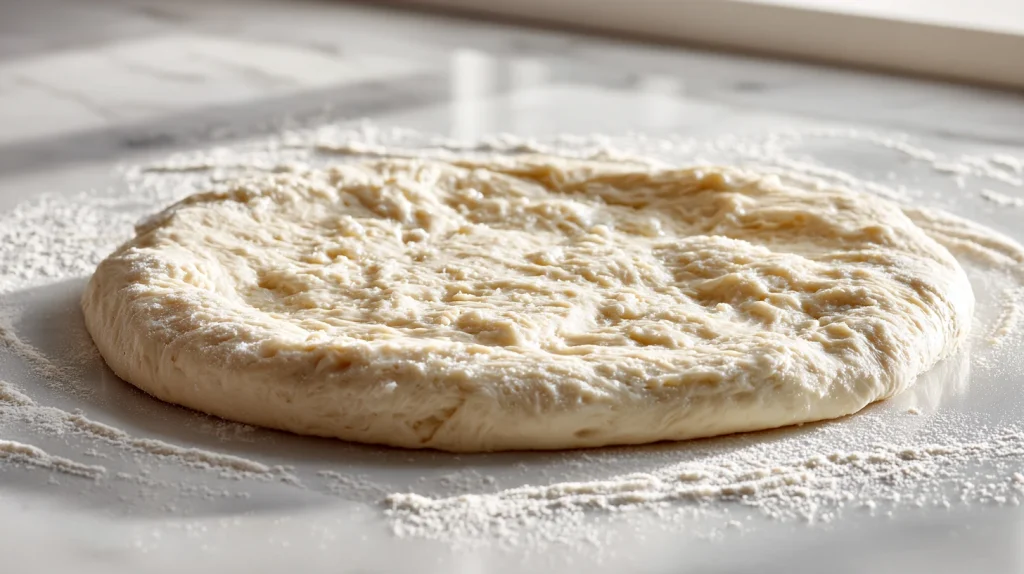
After bulk fermentation, turn the dough out onto a lightly floured surface. Divide into portions suitable for your desired pizza size typically 250–300 grams per medium pizza. Pre-shape into tight balls by folding edges under and resting seam-side down for 15–20 minutes.
Step 6: Final Proof
Cover the dough balls and allow them to proof for 1–2 hours at room temperature or in the fridge for slower fermentation and enhanced flavor. The dough should be soft, slightly puffy, and easily stretchable without tearing.
Step 7: Stretch and Assemble
Dust your work surface and hands with flour. Gently press and stretch each dough ball into a circular shape. Avoid using a rolling pin to maintain the airy structure. Add your desired toppings, leaving a border for the crust.
Step 8: Bake the Pizza
Preheat your oven to 475–500°F (245–260°C) with a pizza stone or baking steel inside. Slide the prepared pizza onto the preheated surface. Bake for 8–12 minutes, rotating halfway, until the crust is golden-brown with bubbling toppings.
Step 9: Serve
Remove the pizza from the oven, let it cool slightly for 2–3 minutes, then slice and enjoy.
How to Serve
Sourdough pizza dough is a versatile base for endless creations:
Additional Tips
Recipe Variations
Freezing and Storage
Nutritional Information (Approximate per serving)
Adding toppings will naturally increase calories and macros based on ingredients chosen.
Final Words
Making sourdough pizza dough at home is both rewarding and transformative for your pizza-making skills. The process encourages patience, understanding of fermentation, and appreciation for natural flavors. A well-prepared sourdough crust not only enhances taste but also improves texture, creating a perfectly airy and crisp foundation for your toppings. Mastering this recipe allows you to produce artisan-quality pizzas at home with minimal fuss, and you gain the freedom to experiment with flavors, sizes, and toppings.
This sourdough pizza dough recipe is versatile and adaptable. You can prepare small batch sourdough pizza dough for personal meals, use sourdough discard to minimize waste, or create larger pizzas for gatherings. By understanding hydration, proofing, and shaping, you can consistently achieve a tender, flavorful crust with beautiful bubbles and an irresistible chew.
Ultimately, cooking at home with sourdough pizza dough is a celebration of craftsmanship and taste. Each pizza becomes a canvas for creativity, from classic Margherita to inventive combinations. Serving homemade sourdough pizza not only delights the palate but also impresses family and friends, turning ordinary dinners into memorable experiences. By mastering this dough, you elevate both your skills and your enjoyment of pizza, making it a recipe worth perfecting, bookmarking, and returning to again and again.
FAQ’s

Sourdough Pizza Dough – Crispy, Chewy, and Perfect
Course: Snacks2
servings25
minutes220
kcalIngredients
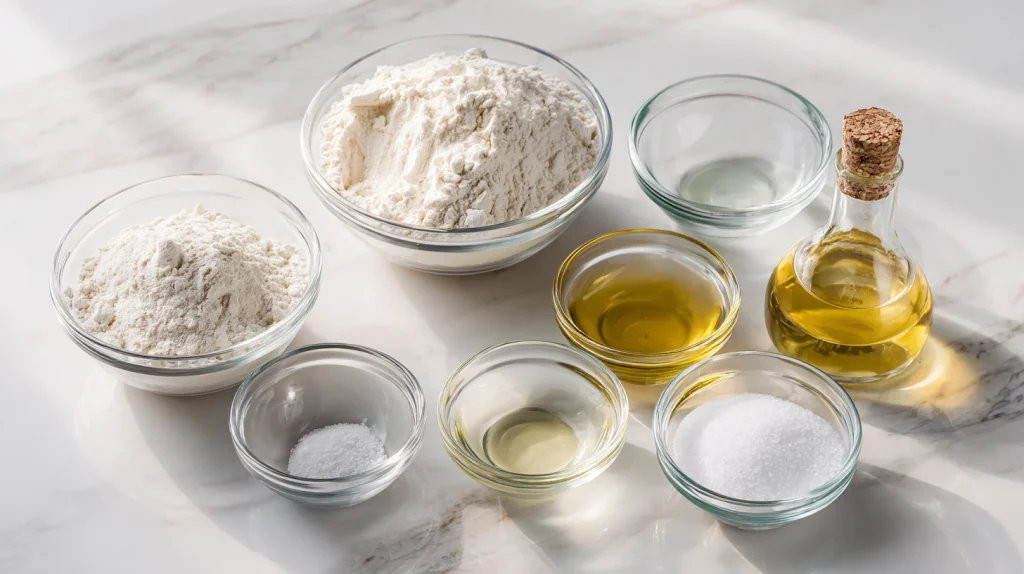
500 grams (4 cups) bread flour or all-purpose flour
300 grams (1 1/4 cups) water at room temperature
100 grams (1/2 cup) active sourdough starter (100% hydration)
10 grams (2 teaspoons) salt
15 grams (1 tablespoon) olive oil
Directions
- Ensure your sourdough starter is active and bubbly. Feed it 4–8 hours before making the dough or the night prior. A mature starter gives the dough natural leavening power and contributes to the tangy flavor that defines sourdough pizza dough.
- In a large mixing bowl, combine the flour and water. Mix until all the flour is hydrated and a shaggy dough forms. Let it rest for 20–30 minutes. This process, known as autolyse, allows the flour to fully absorb water, improving gluten development and extensibility. Add the active sourdough starter and salt to the dough, then mix thoroughly until incorporated. Add olive oil during the final kneading phase to enrich the dough and enhance elasticity.
- Knead the dough for 8–10 minutes by hand or 5–6 minutes using a stand mixer with a dough hook. You are aiming for a smooth, slightly tacky dough that holds its shape. The gluten should be developed enough that a small piece can stretch thin without tearing, which is key for airy pizza crusts.
- Transfer the dough to a lightly oiled bowl and cover with a damp towel or plastic wrap. Allow it to ferment at room temperature for 4–6 hours or refrigerate overnight. During this period, perform 2–3 sets of stretch and folds at 30–45 minute intervals to strengthen gluten and improve dough structure.
- After bulk fermentation, turn the dough out onto a lightly floured surface. Divide into portions suitable for your desired pizza size typically 250–300 grams per medium pizza. Pre-shape into tight balls by folding edges under and resting seam-side down for 15–20 minutes.
- Cover the dough balls and allow them to proof for 1–2 hours at room temperature or in the fridge for slower fermentation and enhanced flavor. The dough should be soft, slightly puffy, and easily stretchable without tearing.
- Dust your work surface and hands with flour. Gently press and stretch each dough ball into a circular shape. Avoid using a rolling pin to maintain the airy structure. Add your desired toppings, leaving a border for the crust.
- Preheat your oven to 475–500°F (245–260°C) with a pizza stone or baking steel inside. Slide the prepared pizza onto the preheated surface. Bake for 8–12 minutes, rotating halfway, until the crust is golden-brown with bubbling toppings.
- Remove the pizza from the oven, let it cool slightly for 2–3 minutes, then slice and enjoy.