

Almond Buttercream Frosting – Delicious & Smooth
Almond Buttercream Frosting
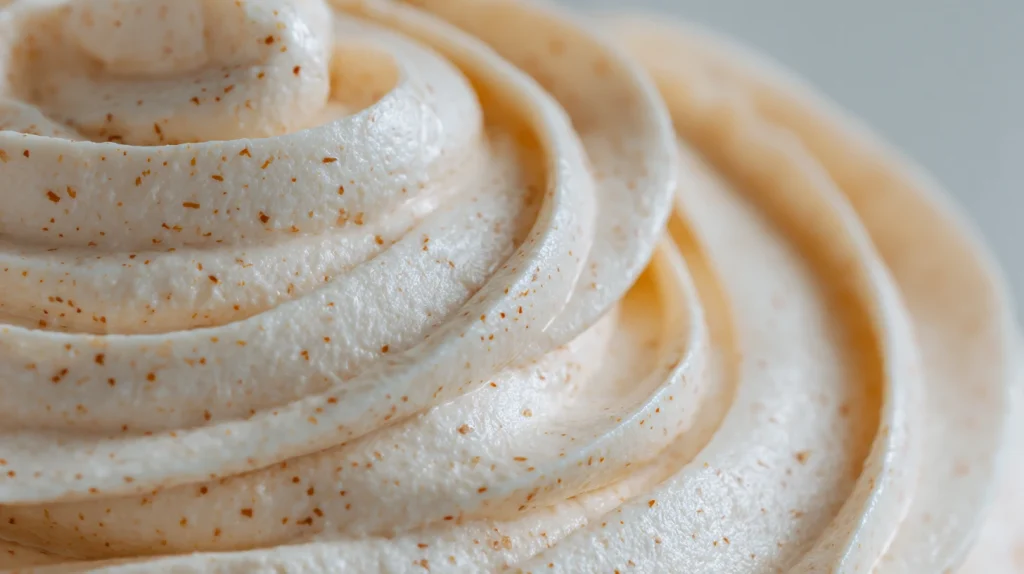
Almond buttercream frosting is one of the most refined and versatile frostings you can make at home. It has a smooth, creamy texture, a delicate nutty aroma, and just enough sweetness to complement cakes without overpowering them. When made properly, almond buttercream frosting spreads easily, pipes beautifully, and holds its shape for detailed decorations.
What makes almond buttercream frosting special is the balance between butter and almond extract. The butter provides richness and structure, while the almond extract gives that distinct bakery style flavor many people recognize instantly. If you have ever tasted a wedding cake with that subtle almond note, chances are it was finished with almond buttercream frosting.
This almond buttercream frosting recipe creates a creamy frosting that feels light on the tongue yet stable enough for detailed piping work. It works as both a filling and an exterior frosting. Whether you are searching for the best almond buttercream frosting for a celebration cake or a cupcake decorating icing recipe for a simple weekend bake, this recipe delivers consistent results.
Many home bakers struggle with buttercream that is too sweet, too soft, too grainy, or difficult to pipe. Learning how to make homemade buttercream icing correctly changes everything. With the right ratios and technique, almond buttercream frosting becomes one of your most reliable frosting recipes easy enough for beginners yet refined enough for professionals.
This guide will walk you step by step through an almond buttercream icing recipe that can be used for cakes, cupcakes, layered desserts, and detailed decorations. It also doubles as one of the best buttercream for piping options when prepared carefully.
Why You’ll Love This Recipe
This almond buttercream frosting is designed for control and consistency. It is not just another buttercream frosting recipe easy to mix together. It is structured to help you achieve smooth texture, stable piping, and balanced sweetness.
Preparation and Cooking Time
For detailed piping designs, you may want to increase the recipe by 25 percent.
Ingredients
Substitution notes:
Salted butter may be used but reduce added salt slightly. Milk can replace heavy cream, though heavy cream gives a richer texture. Almond emulsion can replace almond extract for stronger flavor. For dairy free version, use plant based butter and almond milk. For less sweetness, reduce powdered sugar slightly but increase mixing time for stability.
Step by Step Instructions
Step 1: Soften the Butter Properly
Place the butter at room temperature for about 30 to 45 minutes. It should be soft enough to press with a finger but still cool to the touch. If butter is too warm, almond buttercream frosting will become loose and greasy. If it is too cold, it will not whip properly.
Step 2: Cream the Butter
In a large mixing bowl, beat the softened butter on medium speed for 3 to 4 minutes. The butter should become pale and fluffy. This stage builds the foundation for creamy frosting. Proper creaming ensures your almond buttercream frosting will be smooth and airy rather than dense.
Scrape down the sides of the bowl to ensure even mixing.
Step 3: Add Powdered Sugar Gradually
Reduce mixer speed to low. Add powdered sugar one cup at a time. Mix slowly to prevent sugar clouds and to incorporate fully before adding more.
Once all sugar is added, increase speed to medium and beat for 2 minutes. The mixture will look thick at this stage.
Step 4: Add Extracts and Salt
Add almond extract, vanilla extract, and salt. Mix on medium speed until fully combined. The aroma should be noticeable but not overpowering.
Almond extract frosting flavor develops as it blends with butter. Avoid adding extra immediately. Taste after full mixing.
Step 5:Adjust Consistency with Cream
Add 2 tablespoons heavy cream and beat on medium high for 2 to 3 minutes. Evaluate consistency.
For spreading consistency, add up to 1 more tablespoon cream.
For buttercream icing for piping, keep it slightly firmer. Add cream gradually until the almond buttercream frosting holds peaks that stand upright.
Beat for a final 2 minutes on medium speed. This step ensures a smooth, creamy frosting with minimal air bubbles.
Step 6: Test for Piping
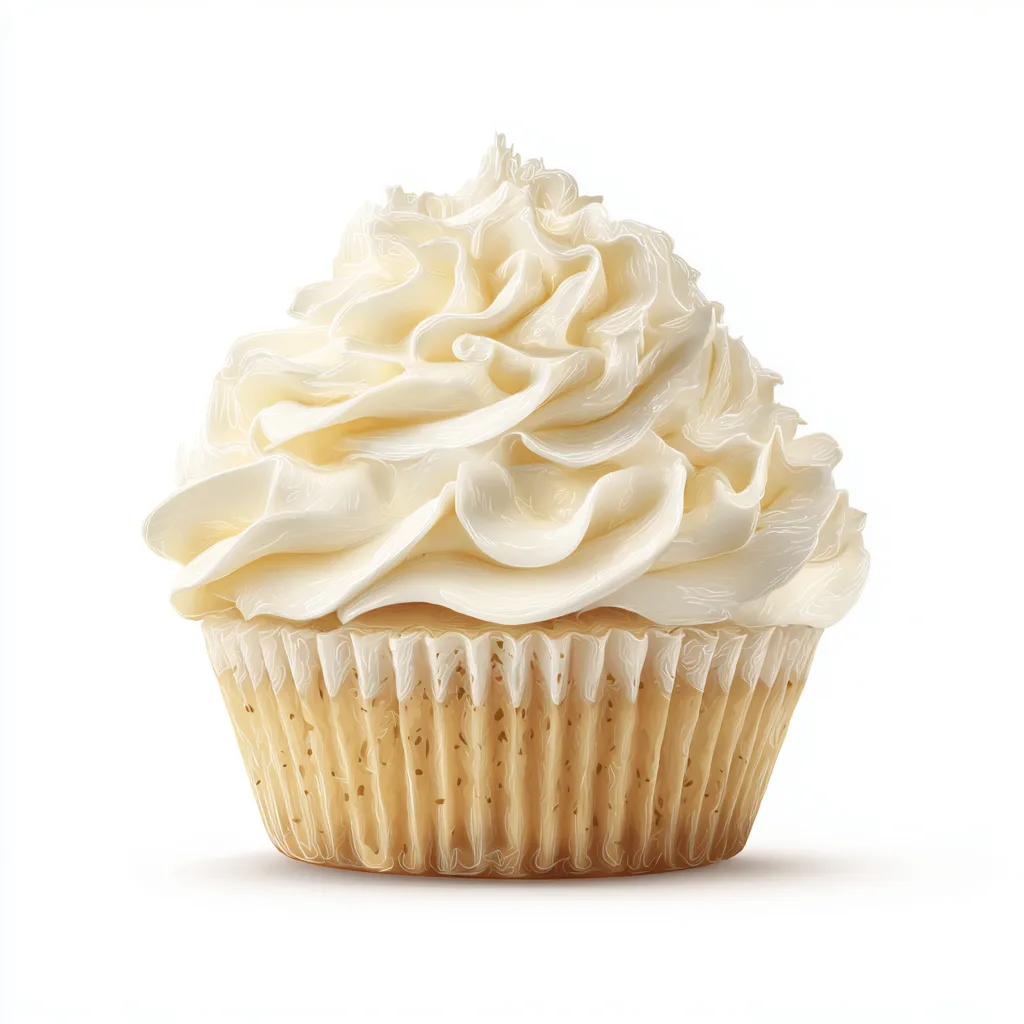
If using as homemade piping frosting, place a small amount into a piping bag fitted with a star tip. Pipe a test rosette on parchment paper. If it holds sharp ridges, your almond buttercream frosting is ready.
If too soft, chill for 10 minutes and remix briefly.
How to Serve
Almond buttercream frosting works beautifully on vanilla, almond, chocolate, or fruit based cakes.
Secret Behind This Recipe
Recipe Variations
Additional Tips
When learning how to make buttercream for piping, practice piping on parchment before decorating the cake. This builds confidence and control.
Freezing and Storage
Proper storage maintains the texture of this almond buttercream frosting recipe without separating.
Nutritional Information
Approximate per 2 tablespoon serving:
Values may vary depending on exact measurements.
Final Words
Almond buttercream frosting is more than just a topping. It is a foundational skill in baking. When you master this almond buttercream frosting recipe, you gain control over flavor, texture, and presentation.
This recipe provides everything you need for cake filling recipes, cupcake decorating icing recipe projects, and elegant celebration cakes. It answers the common question of how to make homemade buttercream icing that is smooth, stable, and flavorful.
With careful mixing, proper temperature control, and measured almond extract, you can create the best almond buttercream frosting every time. It becomes your dependable recipe for buttercream icing for piping and your go to homemade piping frosting for birthdays, weddings, and special gatherings. Practice once, adjust to your preference, and this almond buttercream frosting will become a permanent part of your baking collection.
FAQs

Almond Buttercream Frosting – Delicious & Smooth
Course: Desserts24
servings15
minutes10
minutes210
kcalIngredients
- For the almond buttercream frosting:
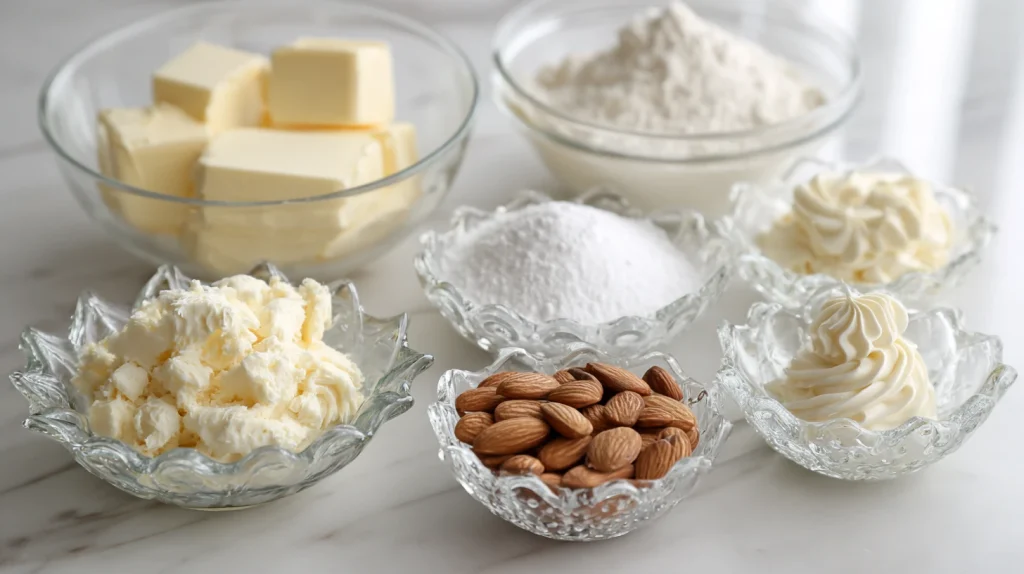
1 cup unsalted butter, softened but not melted
4 cups powdered sugar, sifted
2 teaspoons pure almond extract
1 teaspoon pure vanilla extract
2 to 4 tablespoons heavy cream or whole milk
1/4 teaspoon fine salt
Directions
- Place the butter at room temperature for about 30 to 45 minutes. It should be soft enough to press with a finger but still cool to the touch. If butter is too warm, almond buttercream frosting will become loose and greasy. If it is too cold, it will not whip properly.
- In a large mixing bowl, beat the softened butter on medium speed for 3 to 4 minutes. The butter should become pale and fluffy. This stage builds the foundation for creamy frosting. Proper creaming ensures your almond buttercream frosting will be smooth and airy rather than dense.
Scrape down the sides of the bowl to ensure even mixing. - Reduce mixer speed to low. Add powdered sugar one cup at a time. Mix slowly to prevent sugar clouds and to incorporate fully before adding more.
Once all sugar is added, increase speed to medium and beat for 2 minutes. The mixture will look thick at this stage. - Add almond extract, vanilla extract, and salt. Mix on medium speed until fully combined. The aroma should be noticeable but not overpowering.
Almond extract frosting flavor develops as it blends with butter. Avoid adding extra immediately. Taste after full mixing. - Add 2 tablespoons heavy cream and beat on medium high for 2 to 3 minutes. Evaluate consistency.
For spreading consistency, add up to 1 more tablespoon cream.
For buttercream icing for piping, keep it slightly firmer. Add cream gradually until the almond buttercream frosting holds peaks that stand upright.
Beat for a final 2 minutes on medium speed. This step ensures a smooth, creamy frosting with minimal air bubbles. - If using as homemade piping frosting, place a small amount into a piping bag fitted with a star tip. Pipe a test rosette on parchment paper. If it holds sharp ridges, your almond buttercream frosting is ready.
If too soft, chill for 10 minutes and remix briefly.


