

Easy Baked Croissants – Healthy Breakfast Delight
Baked Croissants
Baked croissants are a timeless classic in the world of breakfast pastries. With their golden, flaky layers, delicate crisp edges, and soft, buttery interior, they are the epitome of comfort and elegance in a single bite. These French-inspired pastries have a unique charm that appeals to all senses the gentle crackle as you break the crust, the aroma of rich butter wafting through your kitchen, and the light, airy texture that melts on your tongue.
What makes baked croissants truly special is the craftsmanship behind them. Unlike simple bread, croissants are made using laminated dough, where layers of butter are folded into dough multiple times to create a distinct layered effect. Each bite delivers a balance of crisp exterior and tender interior, making them perfect for breakfast, brunch, or even a special treat for celebrations. Whether enjoyed plain, with jam, or filled with chocolate or almond paste, freshly baked croissants offer a culinary experience that is both luxurious and comforting.
People love baked croissants because they bring a touch of French bakery magic into the home. They are versatile, beautiful, and satisfying. They transform a simple morning into a memorable experience and pair effortlessly with coffee, tea, or fresh juice. For home cooks, mastering the art of baked croissants is a rewarding journey that combines patience, precision, and a touch of creativity.
Why You’ll Love This Recipe
This homemade croissant recipe is designed to make the process approachable while maintaining the authentic quality of a bakery-style pastry. You’ll love it for several reasons:
By following this recipe, you not only enjoy a delicious bread recipe but also gain the confidence to create something impressive from scratch. It’s approachable for home cooks yet rewarding enough to feel like a professional accomplishment.

Preparation and Cooking Time, also serving
This timeline accounts for essential resting periods that ensure optimal dough elasticity, flakiness, and final texture. Proper patience during proofing results in croissants that rise beautifully in the oven, creating those characteristic airy layers.
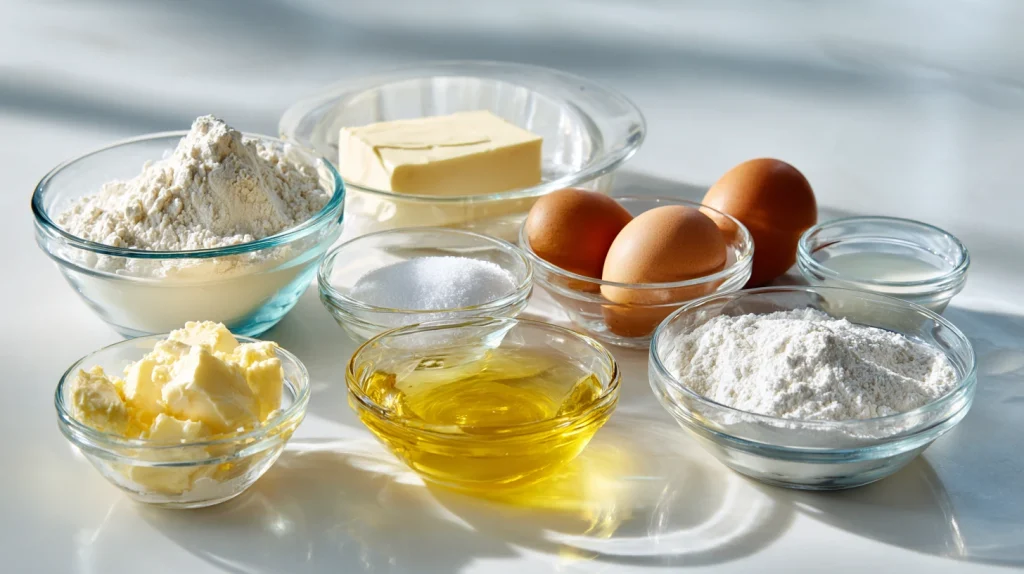
Ingredients
Substitution Notes:
Step-by-Step Instructions

Step 1: Prepare the Dough
Begin by mixing your flour, sugar, salt, and instant yeast in a large mixing bowl. Combine the warm milk and melted butter, then slowly incorporate it into the dry ingredients. Knead the dough for 5-7 minutes until it becomes smooth and elastic. The dough should feel slightly tacky but not sticky. Shape it into a ball, cover with plastic wrap, and let it rest in a warm area for 1 hour or until it doubles in size.
Step 2: Prepare the Butter Block
While the dough is resting, prepare the butter block for lamination. Place the cold butter between two sheets of parchment paper and use a rolling pin to pound and shape it into a rectangle approximately 7×10 inches. Keep the edges straight for easier folding later. Chill the butter if it becomes too soft.
Step 3: Laminate the Dough
Once the dough has rested, roll it into a rectangle about 10×14 inches. Place the butter block on one half of the dough, then fold the other half over the butter like an envelope. Pinch the edges to seal the butter inside. This forms the first layer for lamination. Roll out the dough to a longer rectangle and fold it into thirds, like a letter. This is called a single turn. Wrap the dough in plastic wrap and chill for 30 minutes. Repeat this rolling and folding two more times, chilling in between, for a total of three turns. This process creates multiple thin layers of butter and dough, essential for flakiness.
Step 4: Shape the Croissants
After the final chill, roll the dough into a rectangle approximately 12×24 inches. Trim the edges to make them straight. Cut the dough into triangles about 4 inches wide at the base. Starting from the base, gently roll each triangle toward the tip to form a classic croissant shape. Curve the ends slightly inward for a crescent shape. Place the shaped croissants on a parchment-lined baking tray, spacing them 2 inches apart.
Step 5: Proof the Croissants
Cover the croissants loosely with plastic wrap or a clean kitchen towel. Let them proof at room temperature for 1.5 to 2 hours or until they have nearly doubled in size. They should feel light and slightly puffy. Proper proofing ensures a soft, airy interior and prevents dense or doughy croissants.
Step 6: Apply Egg Wash
Preheat your oven to 400°F (200°C). Beat the egg with a tablespoon of water and brush it gently over each croissant. This will give them a shiny, golden exterior while baking. Take care not to apply too much, as excessive liquid can weigh down the delicate layers.
Step 7: Bake the Croissants
Bake the croissants in the preheated oven for 20-25 minutes, or until they are deep golden brown and crisp. Rotate the baking sheet halfway through for even browning. The croissants should sound hollow when tapped on the bottom and have distinct layers visible at the edges. Remove from the oven and transfer to a wire rack to cool slightly before serving.
How to Serve
Baked croissants are versatile and elegant. Serve them warm, either on their own or with accompaniments such as:
Arranging freshly baked croissants in a basket with linen napkins adds a rustic yet refined touch. Drizzle lightly with honey or dust with powdered sugar for extra appeal.
Additional Tips
Recipe Variations
Each variation transforms the basic recipe into something unique while maintaining the signature flaky layers.
Freezing and Storage
Nutritional Information (per croissant)
Values may vary slightly depending on butter, flour, and filling choices.
Final Words
Baking croissants at home is both an art and a rewarding experience. While it may seem intimidating at first, following this step-by-step guide ensures professional results in your own kitchen. Homemade croissants elevate breakfast or brunch, impress guests, and provide the simple joy of creating something extraordinary from basic ingredients. By mastering this recipe, you gain both a delicious baked good and the confidence to explore more ambitious pastries. Embrace the process, enjoy the aromas, and savor every buttery, flaky bite.
FAQ’s

Easy Baked Croissants – Healthy Breakfast Delight
Course: Breakfast Recipes8
servings3
hours30
minutes25
minutes280
kcalIngredients
4 cups (500g) all-purpose flour
1/4 cup (50g) granulated sugar
2 teaspoons salt
1 tablespoon instant yeast
1 1/4 cups (300ml) warm milk (about 105°F/40°C)
3 tablespoons unsalted butter, melted
1 1/4 cups (285g) cold unsalted butter for lamination
1 large egg, for egg wash
Directions
- Begin by mixing your flour, sugar, salt, and instant yeast in a large mixing bowl. Combine the warm milk and melted butter, then slowly incorporate it into the dry ingredients. Knead the dough for 5-7 minutes until it becomes smooth and elastic. The dough should feel slightly tacky but not sticky. Shape it into a ball, cover with plastic wrap, and let it rest in a warm area for 1 hour or until it doubles in size.
- While the dough is resting, prepare the butter block for lamination. Place the cold butter between two sheets of parchment paper and use a rolling pin to pound and shape it into a rectangle approximately 7×10 inches. Keep the edges straight for easier folding later. Chill the butter if it becomes too soft.
- Once the dough has rested, roll it into a rectangle about 10×14 inches. Place the butter block on one half of the dough, then fold the other half over the butter like an envelope. Pinch the edges to seal the butter inside. This forms the first layer for lamination. Roll out the dough to a longer rectangle and fold it into thirds, like a letter. This is called a single turn. Wrap the dough in plastic wrap and chill for 30 minutes. Repeat this rolling and folding two more times, chilling in between, for a total of three turns. This process creates multiple thin layers of butter and dough, essential for flakiness.
- After the final chill, roll the dough into a rectangle approximately 12×24 inches. Trim the edges to make them straight. Cut the dough into triangles about 4 inches wide at the base. Starting from the base, gently roll each triangle toward the tip to form a classic croissant shape. Curve the ends slightly inward for a crescent shape. Place the shaped croissants on a parchment-lined baking tray, spacing them 2 inches apart.
- Cover the croissants loosely with plastic wrap or a clean kitchen towel. Let them proof at room temperature for 1.5 to 2 hours or until they have nearly doubled in size. They should feel light and slightly puffy. Proper proofing ensures a soft, airy interior and prevents dense or doughy croissants.
- Preheat your oven to 400°F (200°C). Beat the egg with a tablespoon of water and brush it gently over each croissant. This will give them a shiny, golden exterior while baking. Take care not to apply too much, as excessive liquid can weigh down the delicate layers.
- Bake the croissants in the preheated oven for 20-25 minutes, or until they are deep golden brown and crisp. Rotate the baking sheet halfway through for even browning. The croissants should sound hollow when tapped on the bottom and have distinct layers visible at the edges. Remove from the oven and transfer to a wire rack to cool slightly before serving.


