
Basque Cheesecake Recipe: Creamy & Burnt-Perfection Dessert
Basque Cheesecake
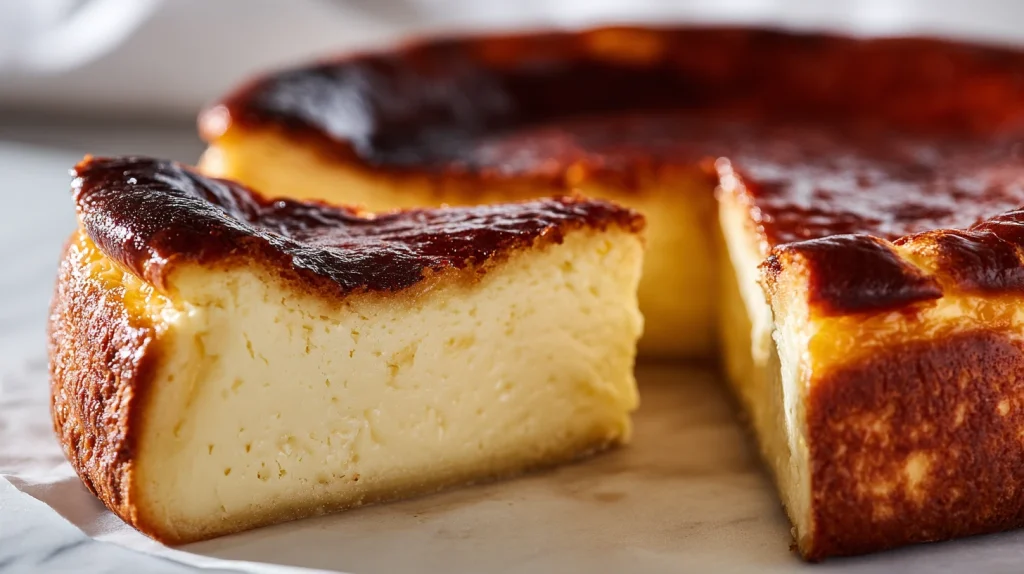
Basque cheesecake is a dessert that stands out the moment it comes out of the oven. Its dark, caramelized top, tall parchment edges, and rustic shape immediately signal that this is not a traditional cheesecake. Originating from the Basque region of Spain, this style of cheese cake breaks away from the usual rules and embraces high heat, bold color, and a deliberately imperfect finish. That intentional contrast is exactly what has made basque cheesecake a global favorite in recent years.
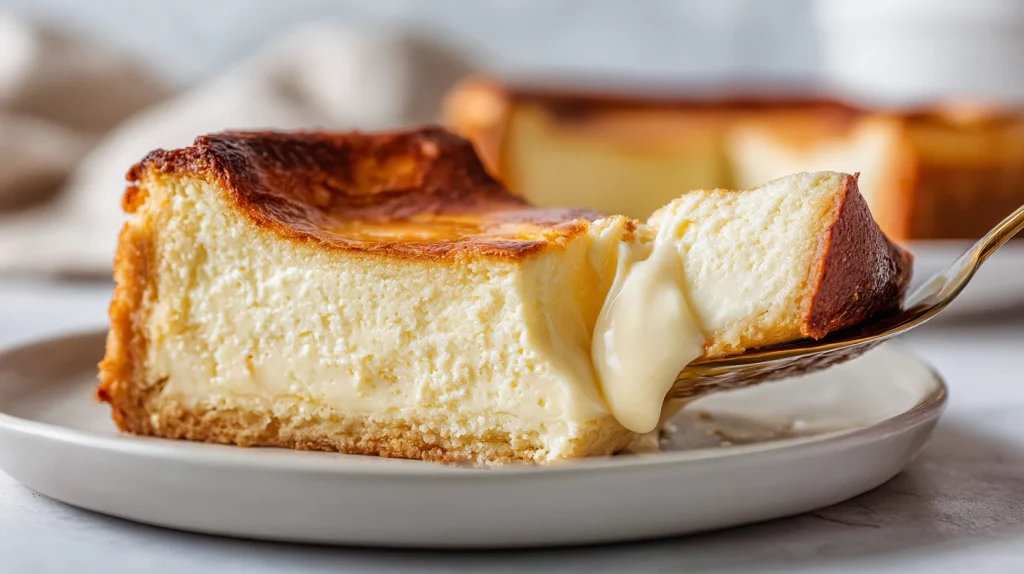
The taste of basque cheesecake is rich, balanced, and deeply comforting. The surface develops a slightly bitter caramel flavor during baking, which offsets the sweetness of the filling beneath it. Inside, the texture remains soft, creamy, and almost custard-like, especially toward the center. Unlike many cheesecake recipes that aim for a firm, sliceable structure throughout, basque cheesecake celebrates a gentle wobble and melt-in-the-mouth consistency. Each bite feels smooth, warm, and indulgent without being heavy.
Another reason people love basque cheesecake is its simplicity. There is no crust to prepare, no water bath to manage, and no pressure to achieve a flawless top. The parchment-lined pan allows the batter to rise and fall naturally, creating the signature uneven edges that make this dessert feel handmade and authentic. For home bakers, this removes much of the anxiety often associated with bake cheesecake projects.
Basque cheesecake fits perfectly into modern baking sweets culture, where cooks value flavor, texture, and approachability over perfection. It works just as well served on its own as it does alongside fresh fruit, coffee, or light desserts. Whether you are exploring cheesecake recipes for the first time or looking for a reliable just desserts option that feels special, basque cheesecake delivers bold flavor, visual drama, and consistent results with surprisingly little effort.
Why You’ll Love This Recipe
This basque cheesecake recipe is designed for home bakers who want professional results without stress. The method focuses on temperature control, mixing technique, and ingredient balance, all explained clearly and practically.
One reason this is often called the best basque cheesecake recipe is its reliability. The texture is consistently creamy, not dry or grainy. The top burns evenly without tasting harsh, and the interior sets just enough to slice cleanly while remaining soft.
Another reason to love this recipe is its flexibility. It fits into easy basque cheesecake routines because it does not require special equipment or complicated steps. You can bake cheesecake confidently, even if you have struggled with traditional cheesecake recipes in the past.
This dessert also adapts beautifully to different occasions. It works as a refined dessert after dinner, a centerpiece for sweets treats tables, or a standout item among baked goods at gatherings. It feels modern, rustic, and comforting all at once.
Preparation and Cooking Time
Ingredients for Basque Cheesecake
Substitution Notes
Step by Step Instructions
Step 1: Prepare the Pan
Line a round springform pan with parchment paper, letting the paper rise above the edges. Press it gently into place so the cheesecake can expand and settle naturally during baking.
Step 2: Mix Cream Cheese and Sugar
Place the softened cream cheese in a large bowl and mix until smooth. Add the sugar and blend until glossy and completely lump free, scraping the bowl as needed.
Step 3: Add the Eggs
Add the eggs one at a time, mixing gently after each addition. Keep the movement slow to avoid incorporating air, which helps maintain a creamy texture.
Step 4: Add Cream and Flavor
Pour in the heavy cream, vanilla extract, and salt. Mix just until the batter becomes smooth and pourable without overmixing.
Step 5: Incorporate the Flour
Sift the flour into the batter and mix gently until fully combined. This step helps the cheesecake set while keeping the center soft.
Step 6: Bake the Cheesecake
Pour the batter into the prepared pan and bake in a hot oven until the top is deeply golden and the center still jiggles slightly when shaken.
Step 7: Cool and Set
Remove the cheesecake from the oven and allow it to cool at room temperature. Chill before slicing for the cleanest cuts and best texture.
How to Serve Basque Cheesecake
Serving basque cheesecake is about respecting its natural character. Once the cheesecake has fully cooled, remove it gently from the pan and peel back the parchment paper to reveal its rustic sides. The uneven edges and dark top are not flaws. They are part of what makes this dessert feel authentic and handmade.
For a classic presentation, slice the cheesecake cleanly and serve it on simple plates. This allows the contrast between the caramelized top and creamy center to stand out. Basque cheesecake pairs beautifully with fresh berries, which add brightness and light acidity. A small handful of raspberries or sliced strawberries on the plate is enough to complement the richness without overpowering it.
If you prefer a slightly elevated finish, a light drizzle of honey or a spoon of gently whipped cream works well. Avoid heavy sauces or strong flavors that compete with the cheesecake itself. For coffee breaks or afternoon gatherings, basque cheesecake also pairs nicely with espresso, tea, or lightly sweetened drinks.
This dessert fits easily into a variety of occasions. It works as a refined just desserts option after dinner, a centerpiece among other cheesecake recipes, or a standout item on baked goods tables. Serve it chilled for clean slices or closer to room temperature for a softer, creamier bite.
Secret Behind This Recipe
The true secret behind basque cheesecake is controlled simplicity. High oven heat caramelizes the sugars on the surface while the interior remains protected by the fat and moisture in the batter. Mixing gently prevents air from entering, which avoids cracking and dryness.
Another key element is ingredient temperature. Room temperature dairy blends smoothly, creating a uniform batter that bakes evenly. The parchment paper lining allows the cheesecake to rise freely, contributing to its signature shape.
This recipe respects the traditional technique while adapting it for modern home kitchens, making it both authentic and accessible.
Recipe Variations
Orange creamsicle cheesecake recipe style variation by adding orange zest and a touch of orange extract to the batter
Chocolate basque cheesecake by folding melted dark chocolate into the batter
Lighter basque cheesecake by slightly reducing sugar and serving with fresh fruit
Additional Tips
Freezing and Storage
Nutritional Information Per Serving
Final Words
Basque cheesecake is a reminder that great baking does not require complexity. With a short ingredient list and a clear method, this recipe allows you to create a dessert that feels bold, modern, and deeply satisfying. The beauty of basque cheesecake lies in its honesty. It does not hide behind decorations or layers. Instead, it relies on technique, balance, and quality ingredients.
Baking this cheesecake at home gives you full control over texture and flavor. You decide how dark the top becomes, how creamy the center stays, and how it is served. Each time you make it, you gain more confidence and a better understanding of how simple adjustments affect the final result.
This recipe is especially valuable for home cooks who want reliable results without stress. It removes the fear often associated with bake cheesecake projects and replaces it with a process that feels forgiving and rewarding. Once you master it, basque cheesecake becomes more than a recipe. It becomes a dependable go-to dessert that works for everyday enjoyment and special moments alike.
If you enjoy baking sweets that feel purposeful and satisfying, basque cheesecake deserves a permanent place in your kitchen.
FAQs

Basque Cheesecake Recipe: Creamy & Burnt-Perfection Dessert
Course: Desserts8
servings20
minutes45
minutes420
kcalIngredients
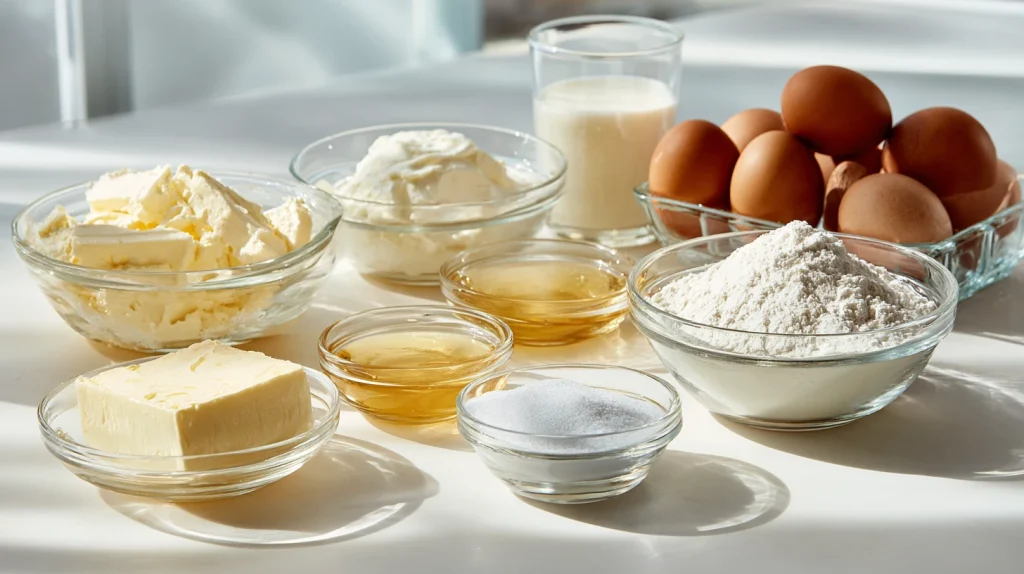
Cream cheese 900 grams at room temperature
Granulated sugar 300 grams
Large eggs 6 at room temperature
Heavy cream 360 ml
All purpose flour 30 grams
Vanilla extract 2 teaspoons
Salt half teaspoon
Directions
- Line a round springform pan with parchment paper, letting the paper rise above the edges. Press it gently into place so the cheesecake can expand and settle naturally during baking.
- Place the softened cream cheese in a large bowl and mix until smooth. Add the sugar and blend until glossy and completely lump free, scraping the bowl as needed.
- Add the eggs one at a time, mixing gently after each addition. Keep the movement slow to avoid incorporating air, which helps maintain a creamy texture.
- Pour in the heavy cream, vanilla extract, and salt. Mix just until the batter becomes smooth and pourable without overmixing.
- Sift the flour into the batter and mix gently until fully combined. This step helps the cheesecake set while keeping the center soft.
- Pour the batter into the prepared pan and bake in a hot oven until the top is deeply golden and the center still jiggles slightly when shaken.
- Remove the cheesecake from the oven and allow it to cool at room temperature. Chill before slicing for the cleanest cuts and best texture.