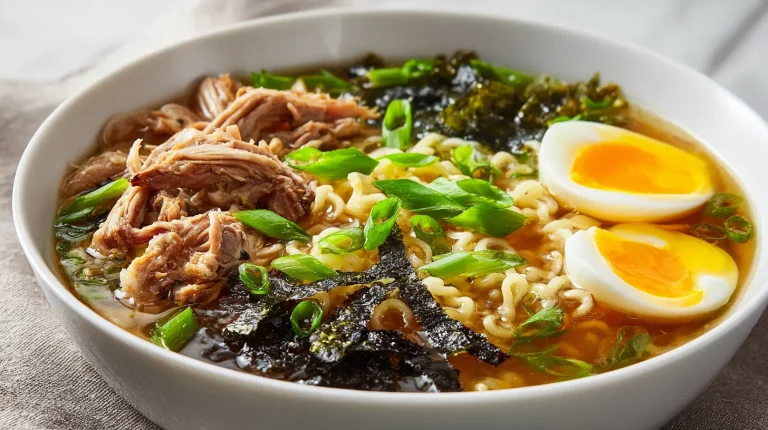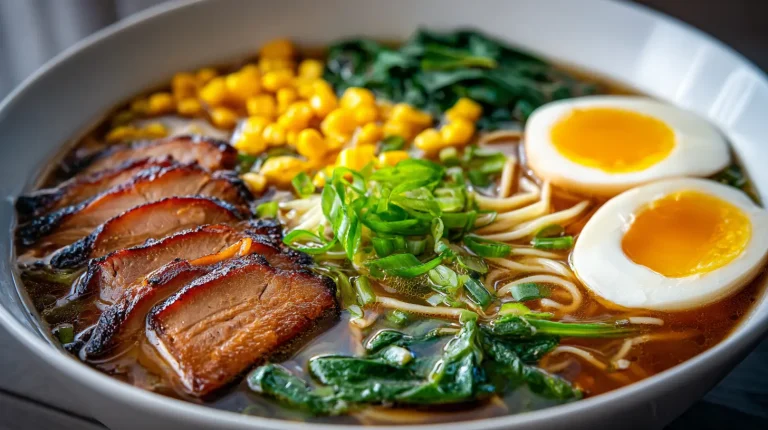
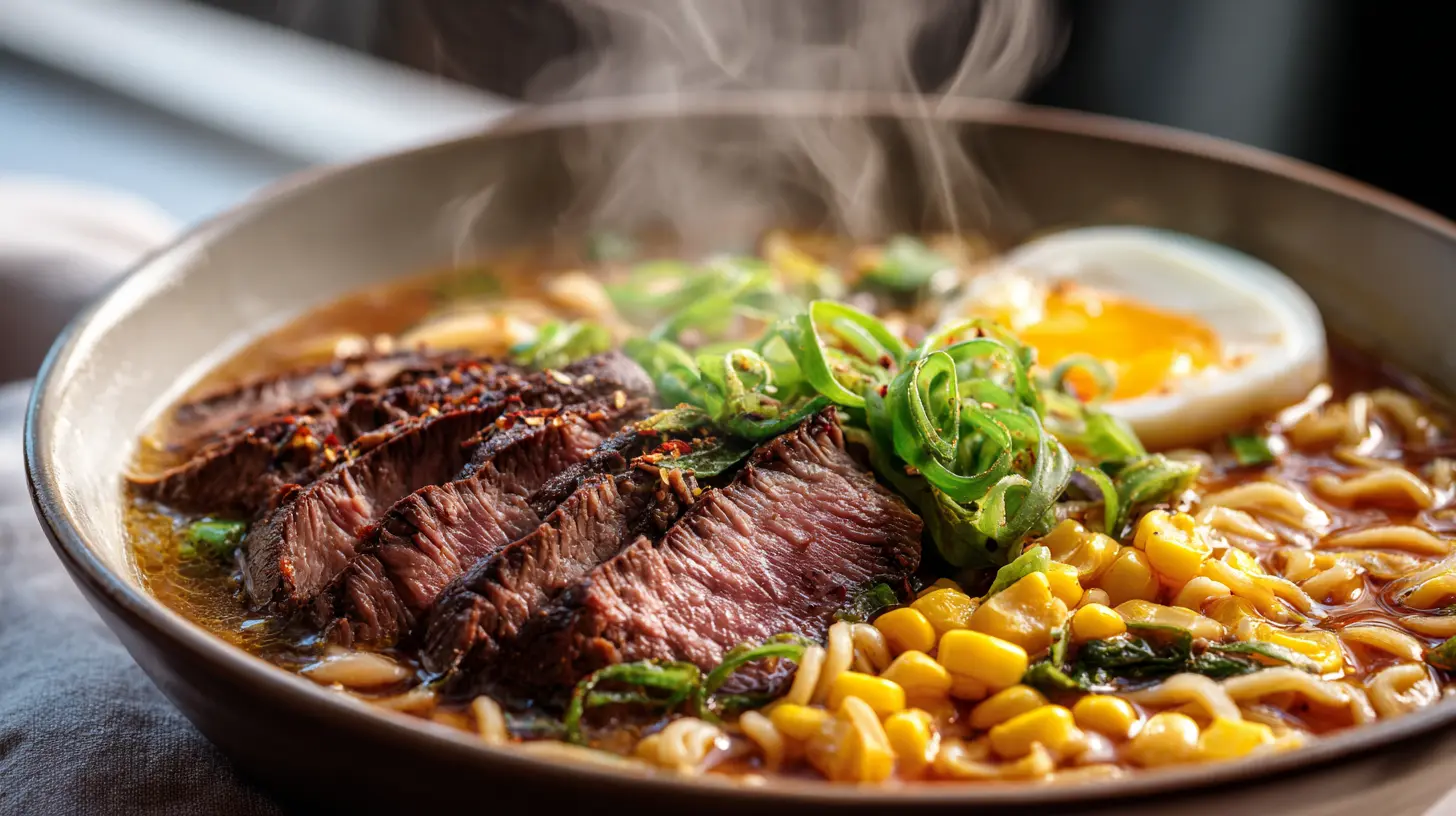
Beef Ramen Recipe – Easy & Delicious Special Ramen Meal
Fall Special Beef Ramen
Beef ramen is a comforting and flavorful noodle soup that has captured the hearts of food lovers worldwide. Its rich, savory broth, tender slices of beef, and perfectly cooked ramen noodles create a satisfying combination that feels both indulgent and nourishing. What makes beef ramen special is the depth of flavor in the broth, often simmered with aromatics, soy, and subtle spices, which infuses the noodles and meat with a warmth and richness unique to this dish.
People love beef ramen not just for its taste but also for its versatility. It can be prepared quickly for a weeknight meal or slowly simmered in a crockpot to develop an even deeper flavor, making it a standout in any ramen noodle recipes soup collection. The combination of silky noodles, tender beef, and flavorful broth is perfect for those seeking a hearty and comforting meal, whether served as a solo dinner or as part of a larger spread of ramen dishes. Its balance of texture, flavor, and presentation makes it an ideal choice for home cooks who want to create restaurant-quality ramen in their own kitchen.
Why You’ll Love This Recipe
This beef ramen recipe is designed to deliver the perfect bowl every time. The broth is rich and aromatic, combining savory, umami, and slightly sweet notes that enhance the natural flavor of the beef. Cooking the beef slowly or in a crockpot ensures it remains tender, juicy, and infused with the flavor of the ramen broth. The noodles remain firm yet tender, soaking up just enough of the broth to carry the flavor without becoming mushy.
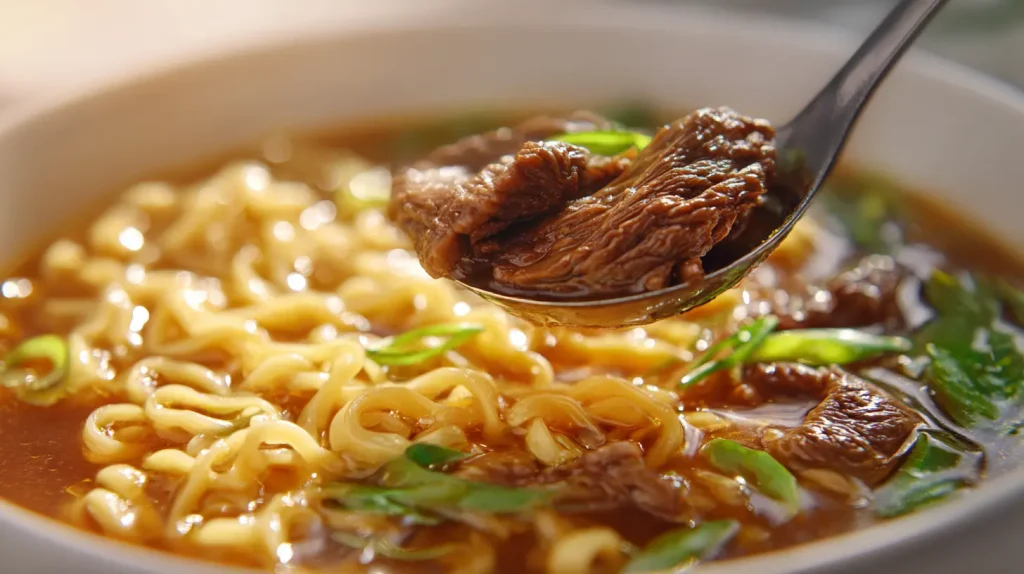
This recipe is flexible for home cooks of all levels, providing clear steps to achieve a restaurant-quality result without requiring advanced techniques. It is also highly adaptable: whether you prefer a quick easy ramen version or a slow cooker ramen preparation, this dish meets a variety of needs while maintaining consistent flavor. The use of simple ingredients combined with professional techniques ensures that each bowl is balanced, satisfying, and visually appealing, making it a centerpiece for any dinner table or slow cooker soup lineup.
Preparation and Cooking Time
Ingredients
Substitution Notes:
Step-by-Step Instructions

Step 1: Prepare the Broth
In a large pot, combine beef broth, water, soy sauce, and mirin. Add garlic and ginger. Bring to a gentle simmer over medium heat to allow flavors to meld.
Step 2: Cook the Beef
Add thinly sliced beef to the simmering broth. Cook gently for 10-15 minutes until beef is tender. Avoid overcooking to maintain texture. For a slow cooker version, add beef to the slow cooker with the broth mixture and cook on low for 6-8 hours.
Step 3: Prepare the Noodles
While the broth simmers, cook ramen noodles according to package instructions. Drain and set aside. Fresh noodles usually take 3-5 minutes, dried noodles 5-7 minutes.
Step 4: Combine and Add Vegetables
Add baby spinach or bok choy to the broth for the last 2-3 minutes of cooking. This ensures vegetables remain vibrant and tender.
Step 5: Assemble the Bowls
Divide cooked noodles into serving bowls. Pour hot broth and beef over the noodles. Top with halved soft-boiled eggs, green onions, and optional toppings like nori sheets, sesame seeds, or chili flakes.
Step 6: Serve Immediately
Serve hot to enjoy the full depth of flavor. Each bowl should have a balance of broth, beef, noodles, and vegetables.
How to Serve
Beef ramen is best served immediately while the broth is hot and noodles are firm. Present in deep bowls for an authentic feel. Garnish with sliced green onions, halved eggs, and optional nori sheets or sesame seeds for visual appeal. Side dishes such as pickled vegetables or a small salad complement the richness of the broth. Pairing with light miso soup or steamed buns can elevate the meal further, making it a complete dinner experience suitable for slow cooker soup nights or a family dinner crockpot meal.

Additional Tips
Recipe Variations
Freezing and Storage
Nutritional Information (per serving)
Final Words
Beef ramen is more than just a noodle soup; it’s a comforting and satisfying meal that showcases the depth of flavor you can achieve at home. By carefully preparing the broth, selecting tender beef cuts, and cooking noodles to the perfect texture, you can create a bowl that rivals any restaurant offering. This recipe allows home cooks to enjoy the rich, savory flavors of traditional ramen while customizing it to suit personal taste preferences, whether you prefer a quick easy ramen approach or a slow-cooked, deeply flavored version.
The versatility of beef ramen makes it a dish worth mastering. You can experiment with different vegetables, broths, and toppings to create variations that keep your ramen meals exciting. Adding soft-boiled eggs, fresh greens, or a touch of chili oil elevates the presentation and brings balance to the flavors. Whether served as a family dinner, a cozy weeknight meal, or part of a special occasion, beef ramen is a dish that satisfies both visually and gastronomically, giving you a sense of accomplishment as a home cook.
Cooking beef ramen at home also encourages creativity and confidence in the kitchen. It’s a dish that allows you to practice techniques such as simmering broth for depth, cooking beef to tenderness, and balancing seasoning to taste. Each bowl you serve becomes a combination of art and comfort food, providing warmth, nutrition, and flavor in every bite. By following these step-by-step instructions and incorporating the recipe variations and tips provided, you can consistently create beef ramen that delights the senses and earns a permanent spot in your dinner rotation.
FAQ’s

Beef Ramen Recipe – Easy & Delicious Special Ramen Meal
Course: Noodle Recipes4
servings20
minutes1
hour30
minutes420
kcalIngredients
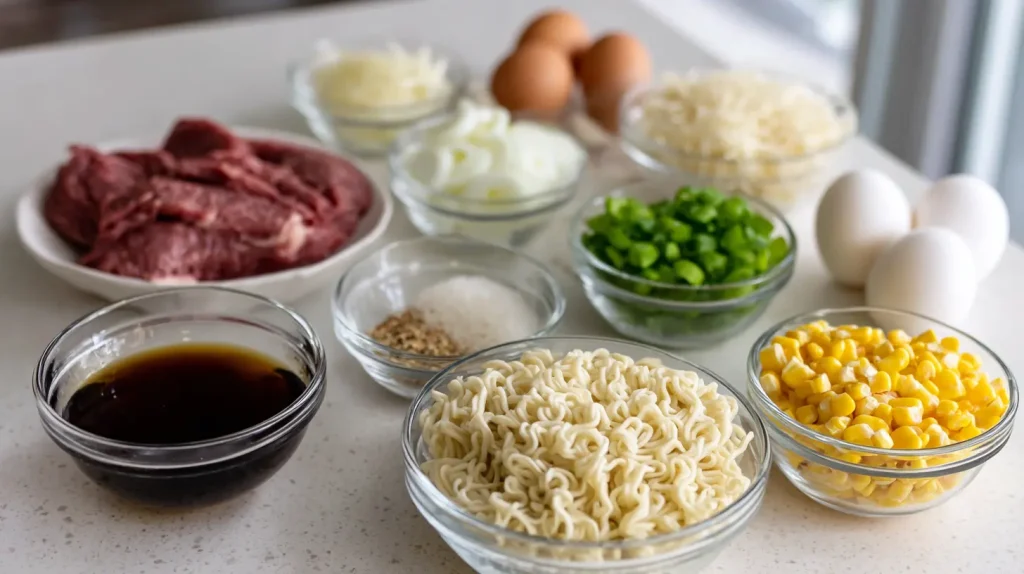
1 pound beef chuck or brisket, thinly sliced
4 cups beef broth
2 cups water
3 tablespoons soy sauce
2 tablespoons mirin or rice wine
1 tablespoon sesame oil
3 cloves garlic, minced
1-inch piece fresh ginger, grated
4 servings fresh or dried ramen noodles
2 soft-boiled eggs, halved
2 green onions, thinly sliced
1 cup baby spinach or bok choy
Optional toppings: nori sheets, sesame seeds, chili flakes
Directions
- In a large pot, combine beef broth, water, soy sauce, and mirin. Add garlic and ginger. Bring to a gentle simmer over medium heat to allow flavors to meld.
- Add thinly sliced beef to the simmering broth. Cook gently for 10-15 minutes until beef is tender. Avoid overcooking to maintain texture. For a slow cooker version, add beef to the slow cooker with the broth mixture and cook on low for 6-8 hours.
- While the broth simmers, cook ramen noodles according to package instructions. Drain and set aside. Fresh noodles usually take 3-5 minutes, dried noodles 5-7 minutes.
- Add baby spinach or bok choy to the broth for the last 2-3 minutes of cooking. This ensures vegetables remain vibrant and tender.
- Divide cooked noodles into serving bowls. Pour hot broth and beef over the noodles. Top with halved soft-boiled eggs, green onions, and optional toppings like nori sheets, sesame seeds, or chili flakes.
- Serve hot to enjoy the full depth of flavor. Each bowl should have a balance of broth, beef, noodles, and vegetables.
Notes
- Use thinly sliced beef for even cooking and tenderness.
- Simmer the broth gently to avoid cloudiness and maintain clarity.
- Fresh ginger and garlic are key for aromatic depth in ramen broth.
- Do not overcook noodles; add them to individual bowls right before serving.
- Taste the broth before serving and adjust soy sauce or salt as needed.
- For a richer flavor, simmer broth for several hours, even on the stovetop.
- Soft-boil eggs for 6-7 minutes for a creamy yolk that complements the broth.