
Bone Broth – Easy & Delicious Recipe To Follow
Bone Broth Recipe
A good bone broth recipe is one of the quiet foundations of great home cooking. It looks simple on the surface, yet it carries deep flavor, body, and nourishment that store bought broth never quite delivers. When made well, bone broth tastes clean, rich, and gently savory, with a silky texture that coats the mouth instead of feeling thin or watery.
People love bone broth because it does many jobs at once. It is comforting on its own, useful in countless broth recipes, and flexible enough to fit everyday cooking or special diets like the bone broth diet. Whether you are making soup, risotto, sauces, or simply sipping a warm mug, homemade bone broth brings depth and balance to your food.
What makes this bone broth recipe special is patience and control. Slow cooking draws flavor and natural gelatin from beef bones or chicken bones without forcing it. The result is a broth that sets softly when chilled, smells clean, and tastes full without being heavy. This is slow cooked cooking at its best, and once you learn the method, you can adapt it to slow cooker bone broth, crockpot chicken bone broth recipe, or even pressure cooker versions with confidence.
Why You’ll Love This Recipe
This bone broth recipe is built for real kitchens, not restaurant prep rooms. It gives you structure while leaving room to adjust based on what bones you have and how you plan to use the broth.
The method works equally well for beef bone broth or chicken bone broth recipe variations. That means one technique serves many needs, from a best slow cooker bone broth for weekly meals to a rich base for sauces and braises. It focuses on clarity and flavor rather than shortcuts. By managing heat, skimming properly, and seasoning at the right moment, you get a broth that tastes clean and balanced instead of muddy or salty.
This recipe respects time. You can make it on a quiet weekend, in a slow cooker bone broth setup, or overnight without constant attention. It fits naturally into busy schedules while delivering professional results. Most importantly, it teaches you how to think about making bone broth, not just how to follow steps. Once you understand the process, you can confidently explore slow cooked bone broth, bone broth with chicken bones, or even adapt it for canning recipes if you wish.

Preparation and Cooking Time, Also Serving
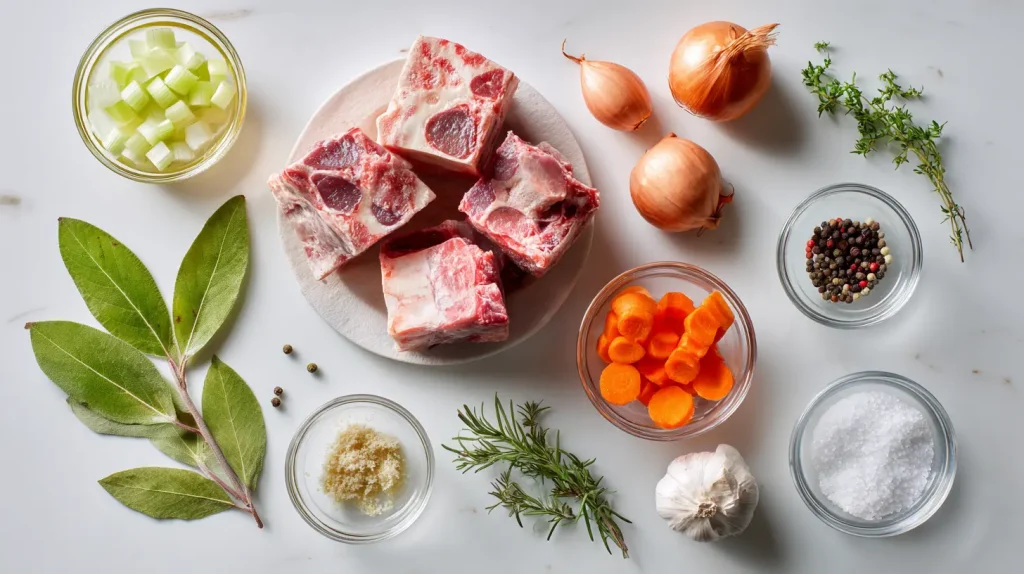
Ingredients
Beef Bone Broth Version
Chicken Bone Broth Recipe Version
Substitution Notes
Step-by-Step Instructions

Step 1: Prepare the Bones
Rinse the bones briefly under cold water to remove surface debris. For beef bone broth, this step helps keep the final broth clean tasting. If using roasted chicken bones from a previous meal, simply brush off excess skin or fat. Place the bones in a large stockpot or slow cooker. Spread them evenly so they heat consistently.
Step 2: Add Cold Water and Vinegar
Pour cold water over the bones until fully submerged. Add the apple cider vinegar and let everything sit for 20 to 30 minutes before turning on the heat. This resting time helps draw minerals and collagen from the bones during cooking.
Step 3: Bring to a Gentle Heat
Turn the heat to medium and slowly bring the pot toward a simmer. Avoid a rapid boil. As the liquid heats, you will see foam and impurities rise to the surface.
Step 4: Skim Carefully
Use a spoon or fine mesh skimmer to remove foam from the surface. This step is essential for a clear, clean tasting bone broth recipe. Take your time and skim thoroughly during the first 30 to 45 minutes.
Step 5: Add Vegetables and Aromatics
Once skimming slows, add the onion, carrots, celery, garlic, bay leaves, peppercorns, and herbs. Reduce the heat so the broth barely simmers. You should see occasional bubbles, not active boiling.
Step 6: Slow Cook for Depth
For stovetop cooking, maintain a very gentle simmer for 12 to 24 hours. For slow cooker bone broth, cook on low for the same time range. This slow cooked bone broth method extracts flavor and gelatin without bitterness. Check occasionally to ensure bones remain submerged. Add small amounts of hot water if needed.
Step 7: Strain the Broth
Once cooking is complete, turn off the heat and let the broth cool slightly. Strain through a fine mesh strainer into a clean pot or large bowl. Discard solids.
Step 8: Season at the End
Add salt gradually, tasting as you go. Seasoning at the end keeps the broth balanced and prevents over salting during long cooking.
Step 9: Cool Safely
Cool the broth quickly by placing the container in an ice bath or dividing it into smaller containers. Refrigerate until fully chilled.
How to Serve
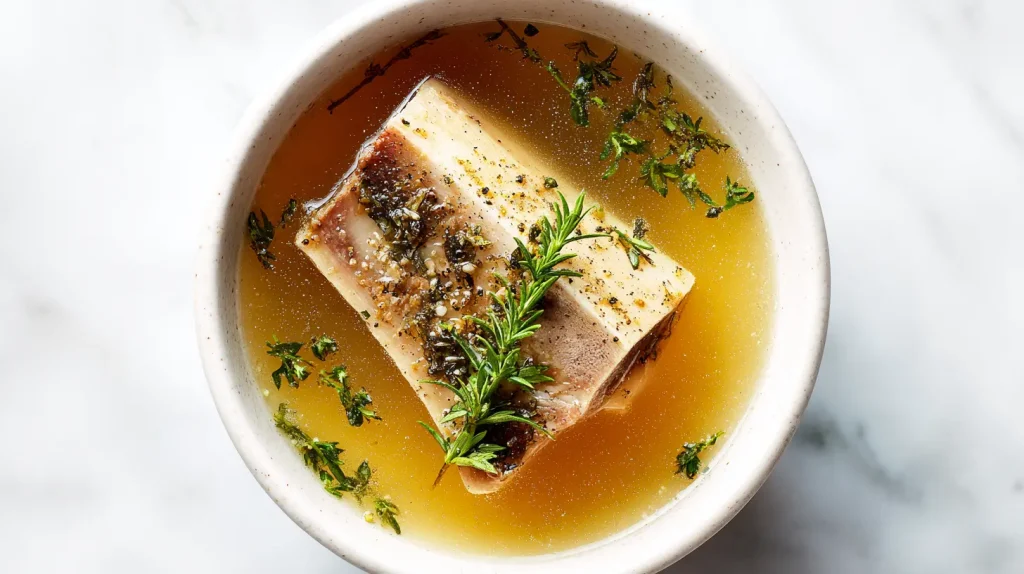
Bone broth can be served simply or used as a base for many dishes. For sipping, warm gently and pour into mugs. Add a pinch of salt or a squeeze of lemon for brightness. As a cooking ingredient, use this homemade bone broth in soups, stews, risotto, and sauces. It adds body and richness that boxed broth cannot match.
For presentation, serve clear broth in warm bowls with finely sliced herbs or soft noodles. Pair with crusty bread, roasted vegetables, or a simple salad. Bone broth works well with light sauces like herb oil or a touch of soy sauce when used in Asian inspired dishes.
Additional Tips
Recipe Variations
Freezing and Storage
Nutritional Information
Approximate values per one cup serving
Final Words
Making your own bone broth recipe at home is more than following a set of steps. It is about understanding how simple ingredients transform when given time and gentle heat. When you simmer beef bones or chicken bones slowly, you are building flavor layer by layer and creating a foundation that supports better cooking across your kitchen. This process teaches restraint, patience, and awareness of heat, all of which are skills that improve every dish you cook. A well made bone broth should taste clean, feel silky on the tongue, and bring quiet depth rather than overpowering richness.
This homemade bone broth also gives you control that store bought versions cannot offer. You decide the bones, the aromatics, the salt level, and the cooking time. Whether you prefer a lighter chicken bone broth recipe for everyday soups or a deeper beef bone broth for sauces and braises, this method adapts easily. It works just as well for slow cooker bone broth as it does on the stovetop, making it realistic for busy schedules. Once you get comfortable with the process, making bone broth becomes a natural part of your weekly routine rather than a special project.
Most importantly, cooking bone broth at home reconnects you with traditional, practical cooking. It reduces waste by using bones fully, supports thoughtful meal planning, and delivers a broth that elevates even the simplest meals. When you keep jars of slow cooked bone broth in your refrigerator or freezer, you are always one step away from better soups, grains, and sauces. That reliability and quality are what make this bone broth recipe truly worth mastering and returning to again and again.
FAQ’s

Bone Broth – Easy & Delicious Recipe To Follow
Course: Dinner Recipes12
servings20
minutes12
hours60
kcalIngredients
- Beef Bone Broth Version
Beef bones 2.5 to 3 pounds, a mix of marrow bones and knuckle bones
Cold water 4 quarts
Apple cider vinegar 2 tablespoons
Onion 1 large, peeled and halved
Carrots 2 medium, cut into large chunks
Celery stalks 2, cut into large chunks
Garlic cloves 4, smashed
Bay leaves 2
Black peppercorns 1 teaspoon
Fresh thyme 2 sprigs
Fine sea salt to taste added at the end
- Chicken Bone Broth Recipe Version
Chicken bones 3 to 4 pounds, backs, necks, wings, or leftover roasted bones
Cold water 4 quarts
Apple cider vinegar 2 tablespoons
Onion 1 large, peeled and halved
Carrots 2 medium, cut into large chunks
Celery stalks 2, cut into large chunks
Garlic cloves 4, smashed
Bay leaves 2
Black peppercorns 1 teaspoon
Fresh parsley stems or thyme 2 small sprigs
Fine sea salt to taste added at the end
Directions
- Rinse the bones briefly under cold water to remove surface debris. For beef bone broth, this step helps keep the final broth clean tasting. If using roasted chicken bones from a previous meal, simply brush off excess skin or fat. Place the bones in a large stockpot or slow cooker. Spread them evenly so they heat consistently.
- Pour cold water over the bones until fully submerged. Add the apple cider vinegar and let everything sit for 20 to 30 minutes before turning on the heat. This resting time helps draw minerals and collagen from the bones during cooking.
- Turn the heat to medium and slowly bring the pot toward a simmer. Avoid a rapid boil. As the liquid heats, you will see foam and impurities rise to the surface.
- Use a spoon or fine mesh skimmer to remove foam from the surface. This step is essential for a clear, clean tasting bone broth recipe. Take your time and skim thoroughly during the first 30 to 45 minutes.
- Once skimming slows, add the onion, carrots, celery, garlic, bay leaves, peppercorns, and herbs. Reduce the heat so the broth barely simmers. You should see occasional bubbles, not active boiling.
- For stovetop cooking, maintain a very gentle simmer for 12 to 24 hours. For slow cooker bone broth, cook on low for the same time range. This slow cooked bone broth method extracts flavor and gelatin without bitterness. Check occasionally to ensure bones remain submerged. Add small amounts of hot water if needed.
- Once cooking is complete, turn off the heat and let the broth cool slightly. Strain through a fine mesh strainer into a clean pot or large bowl. Discard solids.
- Add salt gradually, tasting as you go. Seasoning at the end keeps the broth balanced and prevents over salting during long cooking.
- Cool the broth quickly by placing the container in an ice bath or dividing it into smaller containers. Refrigerate until fully chilled.
Notes
- Always keep the simmer gentle. Boiling emulsifies fat and impurities, making the broth cloudy.
- Use a mix of bones for best results. Marrow bones provide richness while knuckles and joints add gelatin.
- If fat solidifies on top after chilling, leave it in place until ready to use. It protects the broth during storage.
- Taste the broth warm. Cold broth dulls flavor and makes seasoning difficult.
- For slow cooker bone broth, fill the cooker no more than two thirds full to avoid overflow.