Bone In Chicken Thigh Recipes
Introduction to Bone In Chicken Thigh Recipes
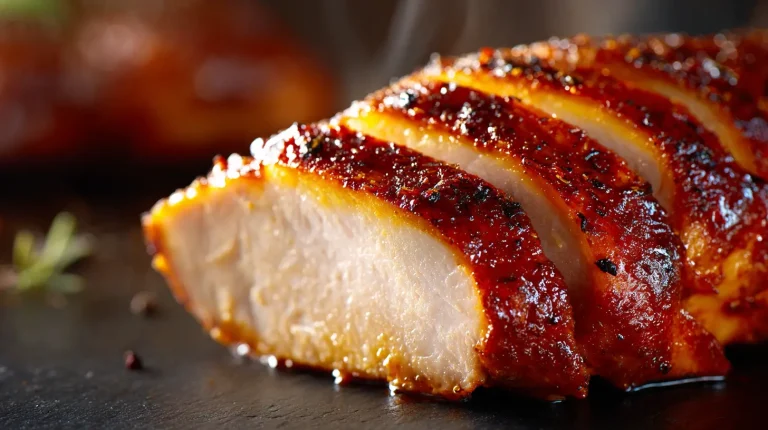
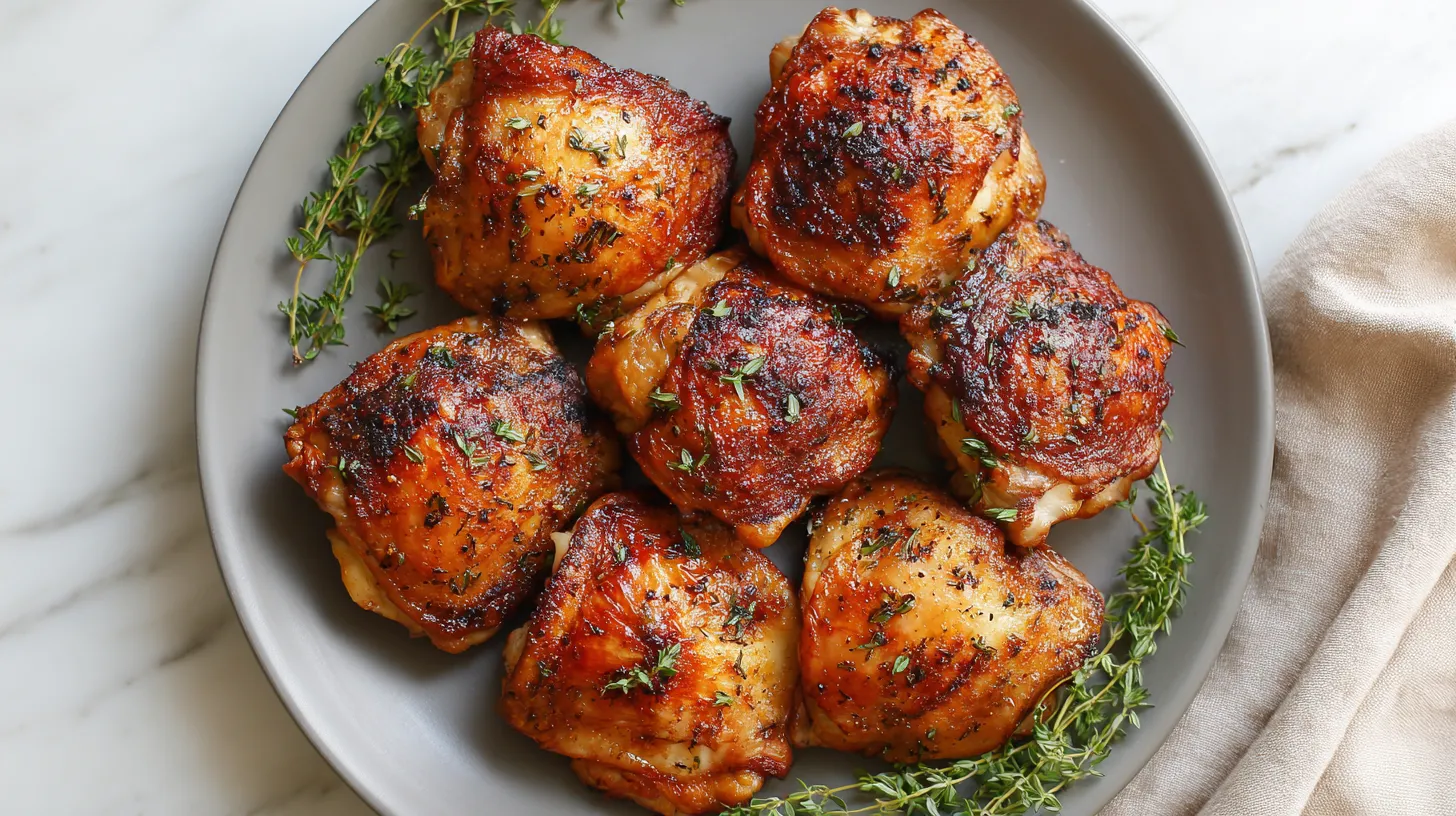
Bone in chicken thigh recipes have earned a place in home kitchens because of how naturally flavorful and tender the thighs become when cooked with the bone and skin intact. The bone conducts heat gently, giving the meat time to baste in its own juices while developing a savory crust on the outside. This creates a level of depth that leaner cuts struggle to match, especially when oven roasted or seared before finishing.
Another advantage of working with bone in chicken thighs is that they accept seasoning exceptionally well. The rendered fat from the skin carries spices and aromatics across the surface while the heat circulates evenly around the bone. This makes it easy to build rich flavor using simple pantry staples like garlic, pepper, citrus, and herbs without needing complex brines or sauces.
Home cooks also appreciate how forgiving this cut is. Bone in thighs do not dry out quickly because the bone shields the inner muscle fibers and the skin protects moisture loss. Even if cooking time extends slightly, the meat usually stays juicy. This is a major benefit when juggling multiple dinner components or serving guests where timing may shift.
Beyond the technical cooking advantages, bone in chicken thigh recipes fit well into many mealtime occasions. They can be served as weeknight staples, weekend comfort food, or even as part of more polished spreads for dinner parties. Their versatility makes them a reliable backbone for cooks who want options without buying multiple cuts of chicken.
Why You Will Love This Recipe
This recipe delivers flavor intensity with minimal effort. The combination of searing, aromatics, and oven finishing creates a layered result that tastes like it came from a restaurant kitchen even though the technique is straightforward. The texture contrast between crisp skin and tender meat makes each bite satisfying without feeling heavy or greasy.
You will also appreciate the adaptability of this dish. Once you learn the basic technique, you can swap seasonings and sides to match different cuisines or preferences without changing the core steps. This makes it useful for meal planning and reduces the need to constantly hunt for new cooking methods.
Finally, this recipe is practical for feeding different household sizes. Whether preparing dinner for two or roasting a tray for guests, the thighs cook consistently and hold well after resting. This reliability makes bone in chicken thigh recipes ideal for anyone who values dependable results at dinner.

Preparation and Cooking Time and Serving
Ingredients
Substitution Notes
You may substitute smoked paprika in place of regular paprika if you prefer a deeper, slightly woodsy flavor. Chili powder or mild cayenne may also be used for a bit of heat without overwhelming the dish. If you do not have chicken broth, chicken stock works well and will create a richer pan sauce. Vegetable broth may be used in a pinch though it will taste lighter.
Olive oil can be swapped for avocado oil, canola oil, or clarified butter depending on what you keep in your kitchen. If you want extra browning, use a high smoke point oil such as avocado or grapeseed. For aromatics, shallots may replace onions for a sweeter and more delicate flavor, while leeks will add a mellow, buttery note. If garlic cloves are unavailable, a small amount of garlic powder can still provide aroma without altering the cooking method.

Step by Step Instructions

Step 1 Sear the Chicken
Pat the bone in chicken thighs dry and season with salt, pepper, garlic powder, and paprika. Heat a skillet over medium heat with olive oil and butter. Place the thighs skin side down and sear until the skin turns golden and crisp.
Step 2 Add Aromatics
Add onion slices and minced garlic around the chicken thighs. Let them soften slightly as they cook in the pan drippings.
Step 3 Deglaze and Finish in Oven
Pour the chicken broth into the pan to deglaze. Add lemon slices around the thighs and transfer the skillet to a preheated 400 degree oven. Roast until the internal temperature reaches 175 and the skin stays crisp.
Step 4 Rest and Plate
Remove from the oven and let the thighs rest briefly before plating to allow juices to redistribute properly.
How to Serve
Bone in chicken thigh recipes work well with a wide range of sides and starches. For a classic pairing, rice pilaf, roasted potatoes, or buttered noodles absorb the pan juices beautifully, turning simple ingredients into a cohesive meal. Bread or rolls can also be served for sopping up drippings if you prefer a rustic table setting.
Vegetable pairings are flexible depending on the season and occasion. In colder months, roasted root vegetables, broccolini, or sautéed greens add warmth and depth. In warmer seasons, fresh salads, grilled vegetables, or lightly dressed slaws provide brightness and balance.
For sauces and finishing touches, spooning the reduced skillet juices over the top is often all you need. However, lemon butter, herb vinaigrette, or even simple olive oil and cracked pepper can elevate presentation further. Plating can be done individually or family style depending on how casual or elegant you want the meal to feel.

Additional Tips
For best browning, make sure the chicken is completely dry before seasoning. Moisture on the surface prevents the skin from crisping properly and leads to steaming instead of searing. Pressing with paper towels is worth the extra 10 seconds and dramatically improves texture. Once in the pan, avoid moving the thighs too soon; uninterrupted contact with the skillet builds the golden crust you want.
Salt early if you have the time. Even 30 minutes of early seasoning helps draw small amounts of moisture to the surface which then gets reabsorbed, seasoning the meat more deeply and improving tenderness. This is especially useful when working with bone in chicken thighs because the thicker sections near the bone benefit from that extra penetration of flavor.
Recipe Variations
Freezing and Storage
Nutritional Information
Final Words
Bone in chicken thigh recipes stand out because they merge technique with comfort in a way that feels achievable for home cooks. When properly seared and roasted, the thighs develop layers of flavor that taste like something you would find in a bistro or gastropub, yet the method remains simple enough for a regular weekday dinner. This balance between approachability and payoff makes them a cornerstone recipe worth mastering.
There is also a sensory satisfaction that comes from cooking this cut. The sound of searing skin, the aroma of garlic and onions softening in pan drippings, and the moment the skillet comes out of the oven with crisp skin and bubbling juices all contribute to a cooking experience that feels rewarding. These details matter because they help home cooks gain confidence in both technique and instinct, two skills that improve every dish cooked afterward.
Once you have experience with bone in chicken thigh recipes, you will find they are one of the easiest proteins to style for different cuisines and occasions. A pan with lemon and herbs tastes bright and Mediterranean; a mix of soy, ginger, and scallions gives an Asian inspired profile; a honey garlic glaze leans sweet and savory for family-friendly dinners; tomato braising adds rustic winter comfort. This adaptability means you never feel stuck making the same dish repeatedly, even though the core technique stays consistent.
Finally, these recipes encourage a smarter approach to meal planning and kitchen budgeting. Bone in thighs are often priced lower than boneless chicken cuts and retain moisture better during cooking, reducing waste and improving overall value. For households that like leftovers, they reheat well and can be repurposed into bowls, salads, sandwiches, and grain dishes without losing texture. Once you learn how to cook this cut confidently, it becomes a dependable building block in your dinner rotation and a reliable solution on nights when you need something satisfying without complication.
FAQ’s

Bone In Chicken Thigh Recipes
4
servings10
minutes45
minutes410
kcalIngredients
4 bone in chicken thighs skin on
1 tsp kosher salt
1 tsp cracked black pepper
1 tsp garlic powder
1 tsp paprika
1 tbsp olive oil
1 tbsp butter
½ lemon sliced
1 small onion sliced
3 cloves garlic minced
½ cup chicken broth
Directions
- Pat the bone in chicken thighs dry and season with salt, pepper, garlic powder, and paprika. Heat a skillet over medium heat with olive oil and butter. Place the thighs skin side down and sear until the skin turns golden and crisp.
- Add onion slices and minced garlic around the chicken thighs. Let them soften slightly as they cook in the pan drippings.
- Pour the chicken broth into the pan to deglaze. Add lemon slices around the thighs and transfer the skillet to a preheated 400 degree oven. Roast until the internal temperature reaches 175 and the skin stays crisp.
- Remove from the oven and let the thighs rest briefly before plating to allow juices to redistribute properly.