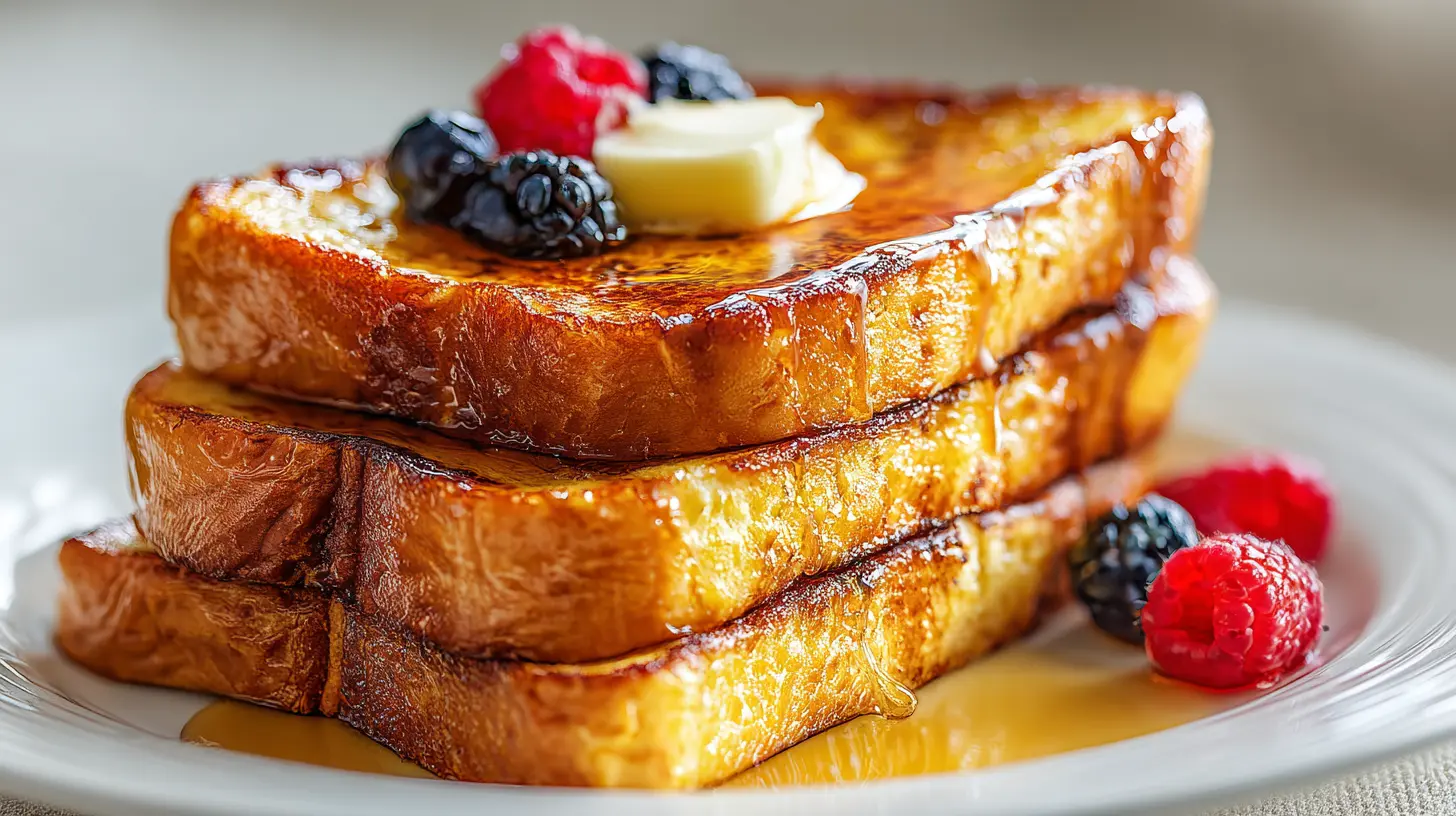
Brioche French Toast Recipe – The Best Breakfast Classic
Brioche French Toast
Brioche french toast is a breakfast dish that feels indulgent yet familiar at the same time. What makes it special starts with the bread itself. Brioche is rich with butter and eggs, giving it a soft, tender crumb and a subtle sweetness that regular sandwich bread simply cannot match. When soaked in a lightly sweetened custard and cooked gently, brioche transforms into a golden slice that is crisp on the outside and creamy in the center. The texture is luxurious without being heavy, which is why people often describe it as restaurant quality even when made at home.
The flavor of brioche french toast is balanced and comforting. It is mildly sweet, buttery, and fragrant with vanilla and warm spices. People love it because it feels elevated while remaining simple. It works just as well for a relaxed weekend breakfast as it does for a special brunch or even breakfast dinner. Whether served with syrup, fruit, or a spoonful of jelly, this dish delivers consistency, comfort, and satisfaction in every bite, which is why it continues to be one of the most loved french toast styles.
Why You’ll Love This Recipe
This brioche french toast recipe is designed to deliver reliable results every time. The custard ratio is carefully balanced so the bread absorbs enough liquid to stay moist without becoming soggy. Each slice cooks evenly, creating a soft interior with a lightly crisp surface that feels intentional rather than accidental.
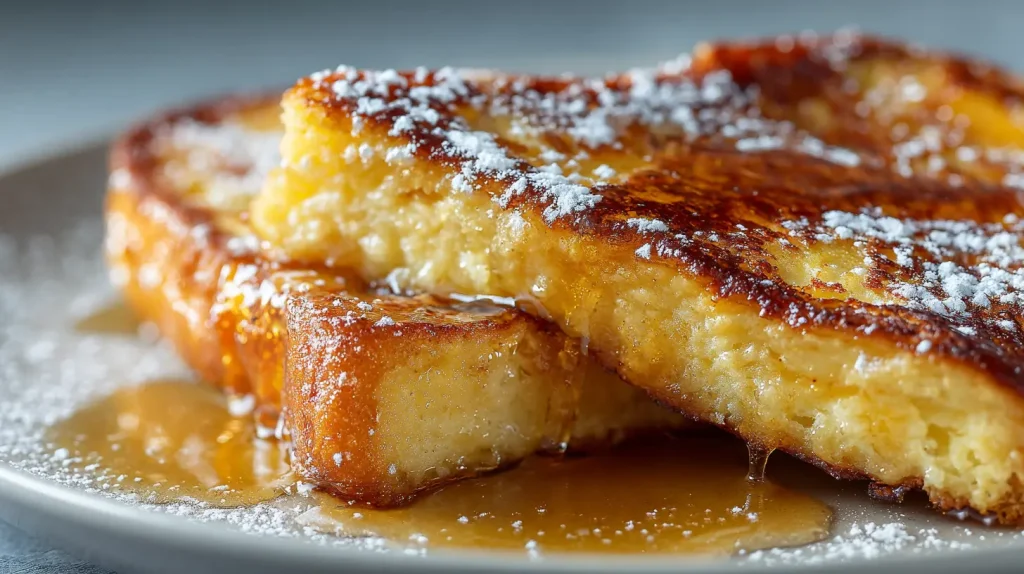
Another reason this recipe stands out is its flexibility. It works equally well for a simple french toast breakfast or a more elaborate spread with fruit, syrup, and sides. You can dress it up or keep it classic, and it still tastes complete. That versatility makes it one of the best french toast recipe options for both busy mornings and slower weekends.
This recipe also respects the ingredients. Brioche is treated gently, soaked just long enough, and cooked over controlled heat. That attention ensures the natural richness of the bread shines through without being masked by excess sugar or overpowering flavors.
Preparation and Cooking Time, Also Serving
This timing makes it suitable for both weekday mornings and relaxed brunches without feeling rushed.
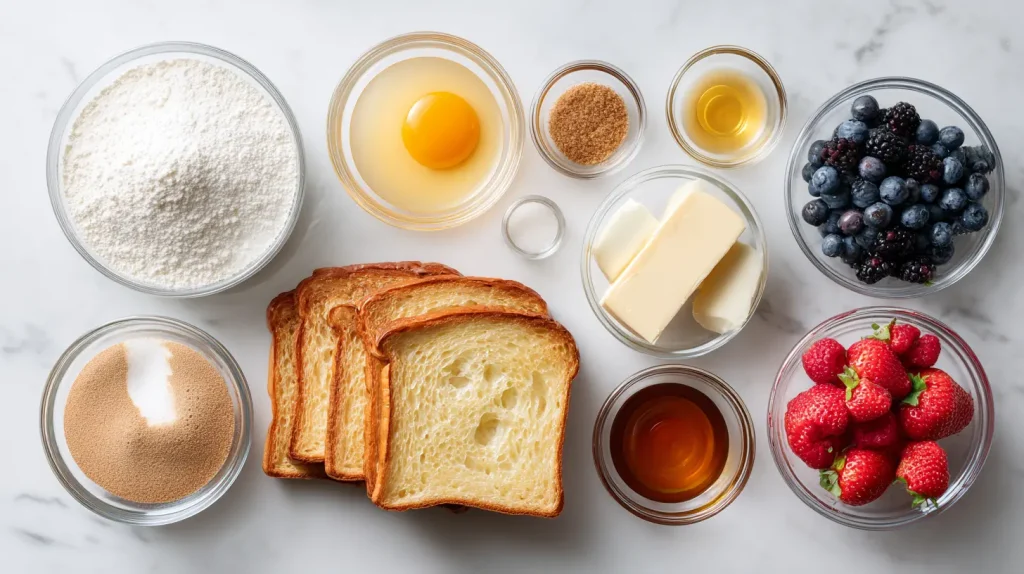
Ingredients
Substitution Notes
Step by Step Instructions
Step 1: Prepare the Custard Base
In a wide bowl, whisk together the eggs, milk, sugar, vanilla extract, cinnamon, and salt until fully blended. The mixture should be smooth and uniform with no visible egg whites. This custard is the foundation of the french toast, so take a moment to ensure it is well mixed.
Step 2: Soak the Brioche
Place the brioche slices into the custard one at a time. Allow each slice to soak for about 15 to 20 seconds per side. Brioche absorbs liquid quickly, so avoid leaving it too long. The goal is to coat and lightly saturate the bread without breaking its structure.
Step 3: Preheat the Pan
Heat a nonstick skillet or griddle over medium heat. Add a small amount of butter and allow it to melt evenly across the surface. The pan should be warm enough to sizzle gently but not hot enough to brown the butter instantly.
Step 4: Cook the French Toast
Place the soaked brioche slices onto the pan and cook for 3 to 4 minutes per side. Flip only once when the underside is golden brown. The center should feel set but still soft when gently pressed.
Step 5: Finish and Hold Warm
Transfer cooked slices to a warm plate. If cooking in batches, keep finished slices warm in a low oven until ready to serve.
How to Serve
Brioche french toast is best served immediately while the exterior remains lightly crisp and the center stays soft and custardy. Arrange two slices slightly overlapping on a warm plate to keep the toast hot longer and create a clean, inviting presentation. Finish with a small pat of butter placed on top and allow it to melt naturally before adding syrup or toppings. This simple step enhances both flavor and appearance without overpowering the dish.
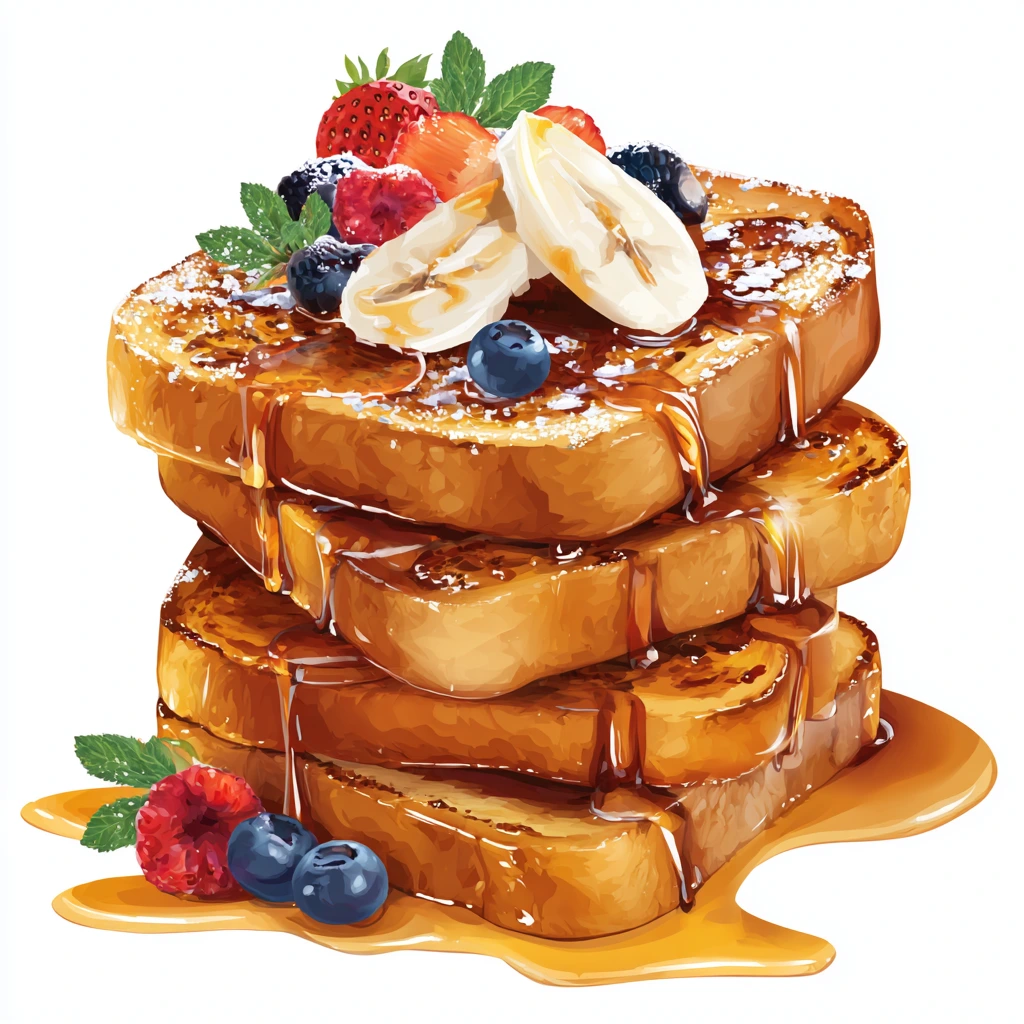
For a classic breakfast presentation, serve brioche french toast with warm maple syrup on the side so each person can control the sweetness. Fresh fruit such as berries, sliced bananas, or apples adds brightness and balance to the rich toast. A light dusting of powdered sugar can be used sparingly for visual appeal, especially when serving guests or preparing a brunch table.
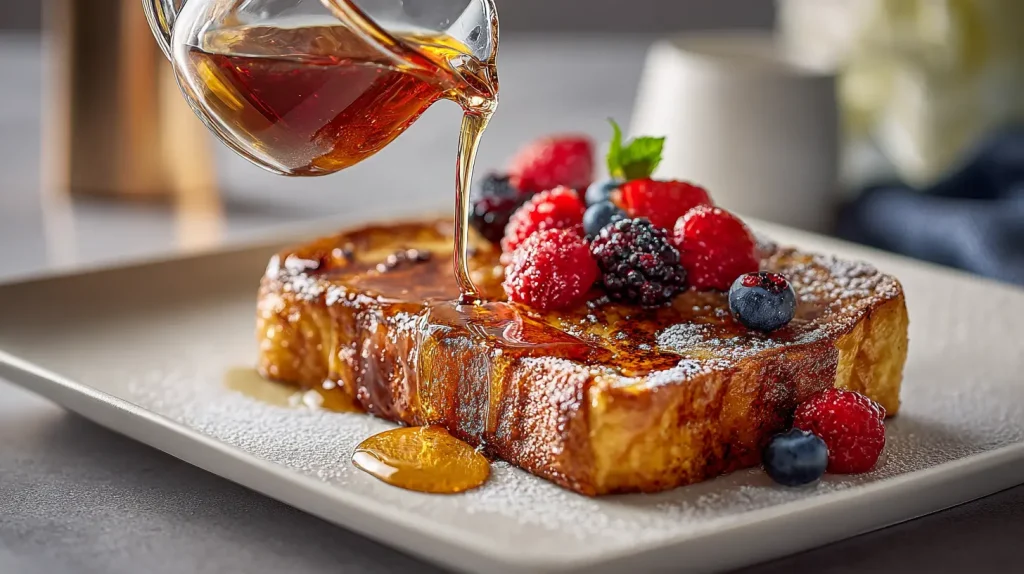
To turn this dish into a complete french toast breakfast or breakfast dinner, pair it with savory sides. A boiled egg, softly scrambled eggs, or lightly crisped bacon balances the sweetness and adds protein. For a more relaxed meal, serve with coffee, tea, or fresh juice and let the french toast be the centerpiece. This flexibility allows brioche french toast to move effortlessly from a simple morning meal to a polished brunch offering without changing the recipe itself.
Additional Tips
Recipe Variations
Freezing and Storage
Nutritional Information
Values are approximate and vary by toppings.
Final Words
Brioche french toast is a dish that shows how thoughtful technique can transform simple ingredients into something truly special. The buttery richness of brioche, when paired with a carefully balanced custard and gentle cooking, creates a texture that is crisp on the outside and soft through the center. It is this contrast that makes the dish feel refined while remaining deeply comforting. When prepared correctly, every slice feels intentional, warm, and satisfying without relying on excess sugar or heavy toppings.
Cooking brioche french toast at home also gives you complete control over flavor and texture. You can adjust the sweetness, choose your preferred toppings, and serve it in a way that suits your table, whether that means a classic presentation with butter and syrup or a more playful version with fruit or jelly. The recipe is flexible enough for a simple french toast breakfast, yet polished enough for brunch gatherings or breakfast dinner. Once you understand the timing and heat, the process becomes effortless and repeatable.
Most importantly, this recipe builds confidence in the kitchen. It teaches you how to work with enriched breads, how to cook custard based dishes evenly, and how small details influence the final result. Brioche french toast is not just a meal, but a reliable technique you can return to again and again. With practice, it becomes a go-to recipe that brings comfort, consistency, and quiet satisfaction to your table every time you make it.
FAQ’s

Brioche French Toast Recipe – The Best Breakfast Classic
Course: Bread Recipes4
servings10
minutes15
minutes320
kcalIngredients
8 slices brioche bread, preferably day old
4 large eggs
1 cup whole milk
2 tablespoons granulated sugar
1 teaspoon vanilla extract
1 teaspoon ground cinnamon
1 tablespoon unsalted butter, plus more as needed for cooking
Pinch of salt
Directions
- In a wide bowl, whisk together the eggs, milk, sugar, vanilla extract, cinnamon, and salt until fully blended. The mixture should be smooth and uniform with no visible egg whites. This custard is the foundation of the french toast, so take a moment to ensure it is well mixed.
- Place the brioche slices into the custard one at a time. Allow each slice to soak for about 15 to 20 seconds per side. Brioche absorbs liquid quickly, so avoid leaving it too long. The goal is to coat and lightly saturate the bread without breaking its structure.
- Heat a nonstick skillet or griddle over medium heat. Add a small amount of butter and allow it to melt evenly across the surface. The pan should be warm enough to sizzle gently but not hot enough to brown the butter instantly.
- Place the soaked brioche slices onto the pan and cook for 3 to 4 minutes per side. Flip only once when the underside is golden brown. The center should feel set but still soft when gently pressed.
- Transfer cooked slices to a warm plate. If cooking in batches, keep finished slices warm in a low oven until ready to serve.
Notes
- Use slightly stale brioche for best results. Fresh bread can be too soft and may tear when soaked.
- Cook over medium heat rather than high heat. Slow cooking allows the custard to set fully without burning the outside.
- Wipe the pan between batches if butter begins to brown too much. Fresh butter ensures clean flavor.
- Avoid pressing down on the bread while cooking. This pushes out the custard and dries the interior.