
Burnt Cheesecake Recipe – Caramelized Top & Creamy Center
Burnt Cheesecake
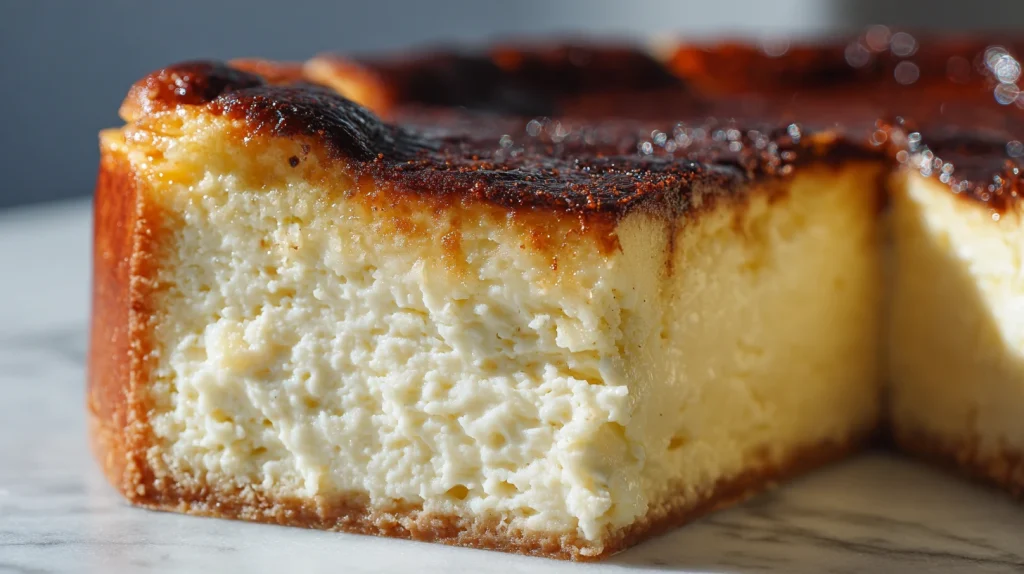
Burnt cheesecake is one of the most misunderstood desserts in the world of baking. At first glance, its dark top may look overbaked, but that deep caramelized surface is exactly what makes burnt cheesecake special. Beneath that bold exterior lies a silky, custard-like center that melts smoothly with every bite. The contrast between the slightly bitter caramelized cheesecake top and the creamy interior creates balance that traditional cheese cakes recipes classic often do not achieve.
Unlike many classic cheesecake recipes that require water baths, careful temperature control, and long baking times, burnt cheesecake is surprisingly straightforward. This style became globally popular through Basque baking traditions, and today many home bakers search for the best Basque cheesecake recipe because of its rustic beauty and intense flavor.
What makes burnt cheesecake different is its deliberate high heat baking. The top caramelizes deeply, developing complex flavor notes similar to toasted sugar and browned butter. Inside, the texture remains soft, rich, and slightly custardy rather than dense. It sits somewhere between a mousse cheesecake and a traditional New York style cheesecake.
Burnt cheesecake has become one of the most talked about restaurant desserts because it looks dramatic yet feels comforting. It works equally well as a refined dinner party finale or as part of cake sale ideas and cottage bakery ideas. Whether baked in a springform pan or adapted into a loaf pan Basque cheesecake recipe, this dessert proves that minimal ingredient desserts can still taste luxurious. If you want a bake cheesecake recipes project that feels impressive without being unnecessarily complicated, this burnt cheesecake recipe will become one of your favorites.
Why You’ll Love This Recipe
This burnt cheesecake recipe focuses on technique and balance rather than decoration. The ingredient list is short, which makes it one of those minimal ingredient desserts that truly highlight quality over quantity. The texture is forgiving. Many challenging recipes fail because small mistakes ruin the result. Burnt cheesecake, however, actually benefits from its rustic nature. Small cracks or uneven tops add character. The flavor is bold but balanced. The high heat creates caramelization that adds depth without tasting burnt in a negative way. The center remains creamy and smooth, almost like mousse cheesecake.
It adapts easily. You can turn this into Biscoff burnt Basque cheesecake, transform it into loaf pan cheesecake, or even experiment with Basque cheesecake dessert ideas such as citrus zest or chocolate swirls. It looks professional. Many restaurant desserts feature burnt cheesecake because its dramatic appearance requires minimal decoration. This burnt cheesecake also works beautifully for cottage bakery ideas because it holds its shape well after chilling and slices cleanly.
Preparation and Cooking Time
Ingredients
Substitution Notes:
Step-by-Step Instructions
Step 1: Prepare the Pan Properly
Preheat your oven to 220°C. Line a 20 cm springform pan with parchment paper. Let the parchment rise at least 5 cm above the rim. The parchment creates the signature rustic folds of burnt cheesecake and prevents overflow during baking.
Step 2: Soften and Blend the Cream Cheese
Place room temperature cream cheese in a large bowl. Beat until completely smooth. The texture should be lump free before adding anything else. Smooth base ensures a creamy burnt cheesecake interior.
Step 3: Add Sugar and Combine
Add granulated sugar gradually. Mix until fully incorporated. The mixture should look glossy and slightly lighter in texture.
Step 4: Incorporate the Eggs
Add eggs one at a time, mixing gently after each addition. Avoid overbeating. Too much air can cause cracks or excessive rising in burnt cheesecake.
Step 5: Pour in Cream and Flavoring
Slowly add heavy cream and vanilla extract. Mix just until combined. The batter should be smooth and slightly pourable.
Step 6: Add Flour and Salt
Sift flour and salt together, then fold into the mixture gently. This small amount of flour stabilizes the burnt cheesecake without making it dense.
Step 7: Bake at High Temperature
Pour batter into prepared pan. Tap lightly to release air bubbles. Bake in the center rack for 45 to 55 minutes.
The top should turn very dark brown. The center should still jiggle when shaken. That movement ensures the creamy core that defines burnt cheesecake.
Step 8: Cool Gradually
Remove from oven and let cool at room temperature for one hour. Then refrigerate for at least 3 hours or overnight.
The burnt cheesecake will firm up while chilling but remain creamy inside.
How to Serve
Burnt cheesecake is best served slightly chilled but not straight from the refrigerator. Take it out about 20 minutes before slicing so the texture softens slightly and the creamy center becomes more pronounced. When ready to cut, use a long sharp knife dipped in hot water and wiped dry between each slice. This gives you clean edges and allows the contrast between the dark caramelized cheesecake top and the pale, custardy interior to show clearly on the plate.
For an elegant presentation similar to restaurant desserts, place each slice slightly off center on a white plate. The deep brown surface of the burnt cheesecake stands out beautifully against a light background. You can add a small spoonful of lightly whipped cream on the side rather than on top, so it does not cover the signature caramelized surface. A few fresh raspberries or sliced strawberries add brightness and balance the richness. If you prefer a more refined look, a thin drizzle of salted caramel or a light dusting of powdered sugar around the plate creates visual contrast without overwhelming the flavor.
For casual gatherings, burnt cheesecake works wonderfully as part of cake sale ideas. Slice it into even portions and wrap each piece in parchment paper for a rustic, bakery style presentation. It also fits perfectly into cottage bakery ideas because it travels well and holds its structure after chilling. If you are serving a loaf pan cheesecake version, cut thicker slices and arrange them on a wooden board with fresh fruit and small bowls of espresso or strong coffee. The slight bitterness of coffee enhances the caramel notes of the burnt cheesecake.
Secret Behind This Recipe
Recipe Variations
Additional Tips
Freezing and Storage
Nutritional Information
Approximate per slice
Values are estimates and vary by ingredient brands.
Final Words
Burnt cheesecake proves that bold baking creates unforgettable results. With simple ingredients and correct technique, you can create a dessert that rivals restaurant desserts at home.
This burnt cheesecake recipe shows that not all challenging recipes are complicated. Sometimes the most striking desserts come from embracing caramelization and trusting the process.
Whether you explore classic cheesecake recipes, experiment with loaf pan cheesecake, or develop new Basque cheesecake easy variations for your cottage bakery ideas, burnt cheesecake deserves a place in your baking repertoire.
Once you master this burnt cheesecake, you will understand why it stands apart from other bake cheesecake recipes and why so many consider it the best Basque cheesecake recipe worth repeating.
FAQs

Burnt Cheesecake Recipe – Caramelized Top & Creamy Center
Course: Desserts8
servings20
minutes45
minutes420
kcalIngredients
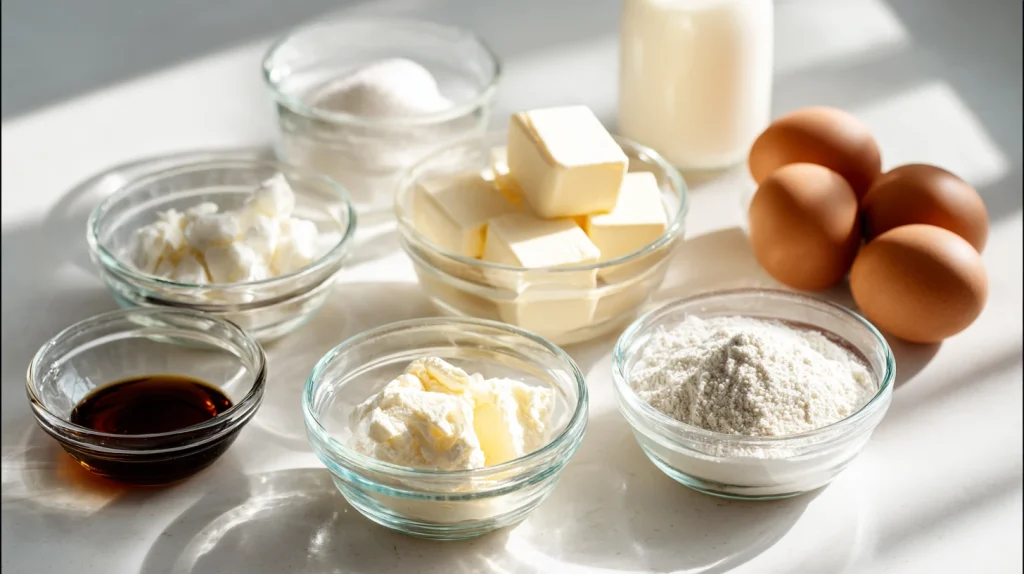
600 grams full fat cream cheese, room temperature
200 grams granulated sugar
3 large eggs, room temperature
250 milliliters heavy cream
1 teaspoon pure vanilla extract
1 tablespoon all purpose flour
1/4 teaspoon salt
Directions
- Preheat your oven to 220°C. Line a 20 cm springform pan with parchment paper. Let the parchment rise at least 5 cm above the rim. The parchment creates the signature rustic folds of burnt cheesecake and prevents overflow during baking.
- Place room temperature cream cheese in a large bowl. Beat until completely smooth. The texture should be lump free before adding anything else. Smooth base ensures a creamy burnt cheesecake interior.
- Add granulated sugar gradually. Mix until fully incorporated. The mixture should look glossy and slightly lighter in texture.
- Add eggs one at a time, mixing gently after each addition. Avoid overbeating. Too much air can cause cracks or excessive rising in burnt cheesecake.
- Slowly add heavy cream and vanilla extract. Mix just until combined. The batter should be smooth and slightly pourable.
- Sift flour and salt together, then fold into the mixture gently. This small amount of flour stabilizes the burnt cheesecake without making it dense.
- Pour batter into prepared pan. Tap lightly to release air bubbles. Bake in the center rack for 45 to 55 minutes.
The top should turn very dark brown. The center should still jiggle when shaken. That movement ensures the creamy core that defines burnt cheesecake. - Remove from oven and let cool at room temperature for one hour. Then refrigerate for at least 3 hours or overnight.
The burnt cheesecake will firm up while chilling but remain creamy inside.