

Perfect Challah French Toast Recipe – Easy Breakfast
Challah French Toast
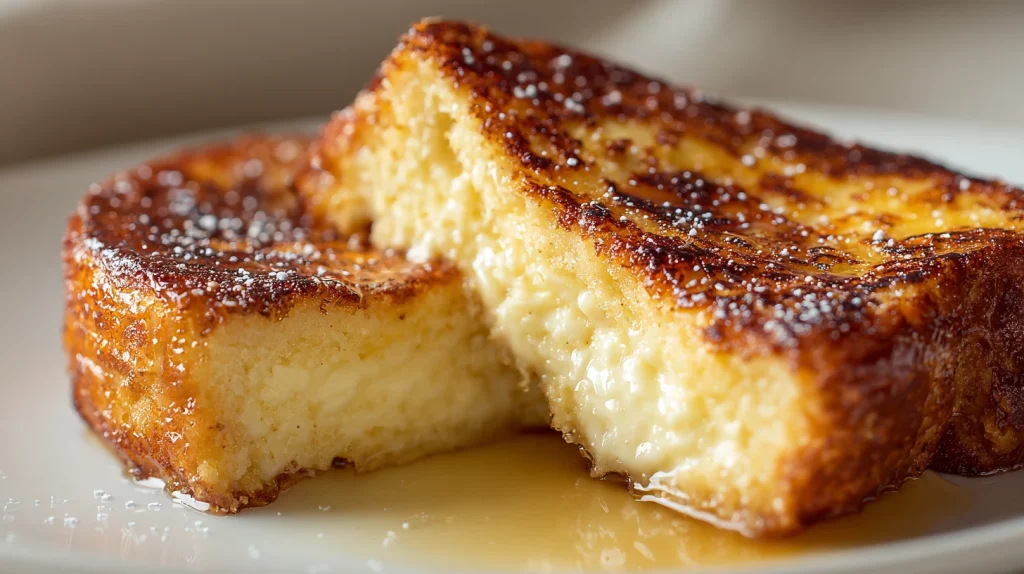
Challah French toast is more than just a breakfast dish; it’s a culinary experience that turns a simple morning meal into something extraordinary. What sets it apart from regular French toast is the bread itself. Challah, a traditional Jewish bread, has a delicate, slightly sweet crumb that soaks up custard beautifully without falling apart. When cooked correctly, each slice develops a golden, caramelized exterior while remaining soft and custardy inside. The combination of tender bread and creamy custard creates a texture that is both luxurious and comforting, making it a favorite for home cooks and professional chefs alike. Its subtle sweetness and rich flavor make it a versatile canvas for toppings and sides, whether you prefer a classic maple syrup drizzle or a more decadent whipped cream and fresh fruit presentation.
Beyond texture and taste, challah French toast has an irresistible appeal that goes beyond ordinary breakfasts. It’s a dish that invites creativity while still being reliable and forgiving in the kitchen. Using the right cooking method, you can achieve consistently golden, perfectly cooked slices every time. The aroma of vanilla, cinnamon, and caramelizing sugar filling your kitchen elevates the experience even before the first bite. People love this dish not only for its flavor but also for the way it transforms breakfast into a special occasion, whether it’s a quiet weekend morning, a holiday brunch, or a celebratory family meal. In short, challah French toast is comfort food elevated to an art form, combining simplicity, indulgence, and the joy of cooking at home.
Why You’ll Love This Recipe
This challah French toast recipe is designed to deliver perfection every time. First, it uses a custard rich in flavor but easy to prepare, ensuring that each slice soaks evenly without becoming soggy. The cooking method we use guarantees a golden exterior and soft, tender interior. Using challah or brioche elevates the dish compared to regular bread, creating a luxurious texture and subtle sweetness. The recipe is versatile, suitable for weekday breakfasts or special brunches. You’ll also find this recipe forgiving enough for home cooks while delivering results worthy of a restaurant table. Finally, it pairs beautifully with various toppings and sides, letting you customize it for your taste while keeping the foundation perfect.
Preparation and Cooking Time, also serving
Ingredients
Substitution notes:
Step-by-Step Instructions
Step 1: Prepare the custard
Crack the eggs into a large mixing bowl and whisk until smooth. Gradually add the milk or cream while continuing to whisk to create a uniform custard. Stir in sugar, vanilla extract, cinnamon, and salt until fully combined. The custard should be slightly thick but pourable. For an extra creamy texture, you can strain the custard through a fine mesh sieve to remove any lumps.
Step 2: Preheat your pan or skillet
Place a nonstick or cast-iron skillet over medium heat. Add a small amount of butter or oil and allow it to melt evenly, coating the pan. The right pan temperature is crucial. Too hot, and the toast will burn on the outside while remaining undercooked inside. Too low, and it won’t develop a golden crust.
Step 3: Soak the bread slices
Dip each slice of challah into the custard, letting it absorb the liquid for about 20–30 seconds per side. Make sure the bread is fully coated but not oversaturated, or it will fall apart while cooking. If your bread is slightly stale, it will hold the custard better and prevent sogginess.
Step 4: Cook the French toast
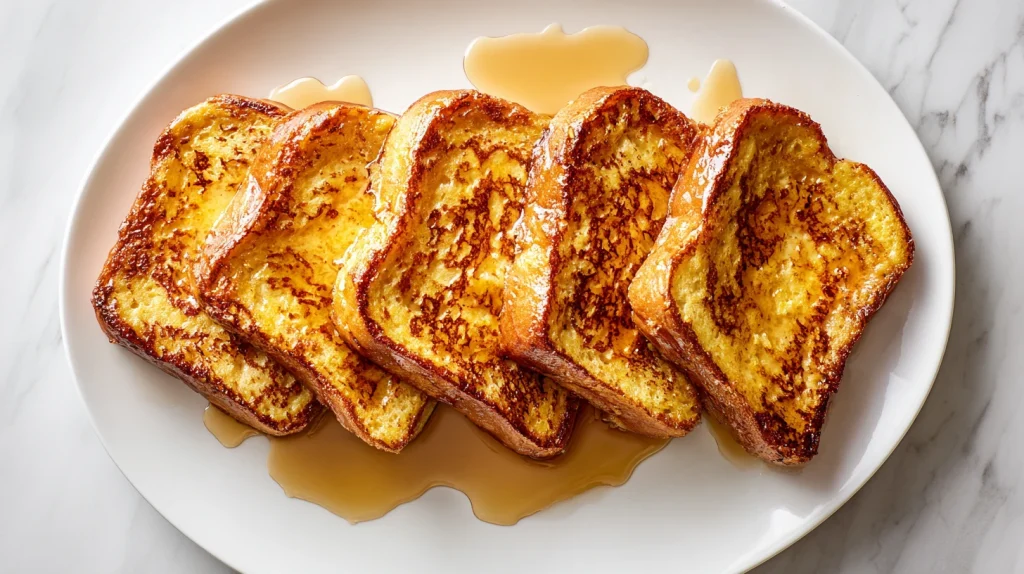
Place soaked slices onto the preheated skillet. Cook for 3–4 minutes on the first side without moving them, until a golden brown crust forms. Flip carefully and cook another 2–3 minutes on the second side. Adjust the heat as necessary to ensure even browning. The goal is a caramelized exterior with a custardy interior.
Step 5: Keep warm while cooking the rest
If making multiple batches, place finished slices on a baking sheet in a 200°F oven to keep warm. Avoid stacking the toast, which can cause the bottom slices to steam and lose crispness.
How to Serve
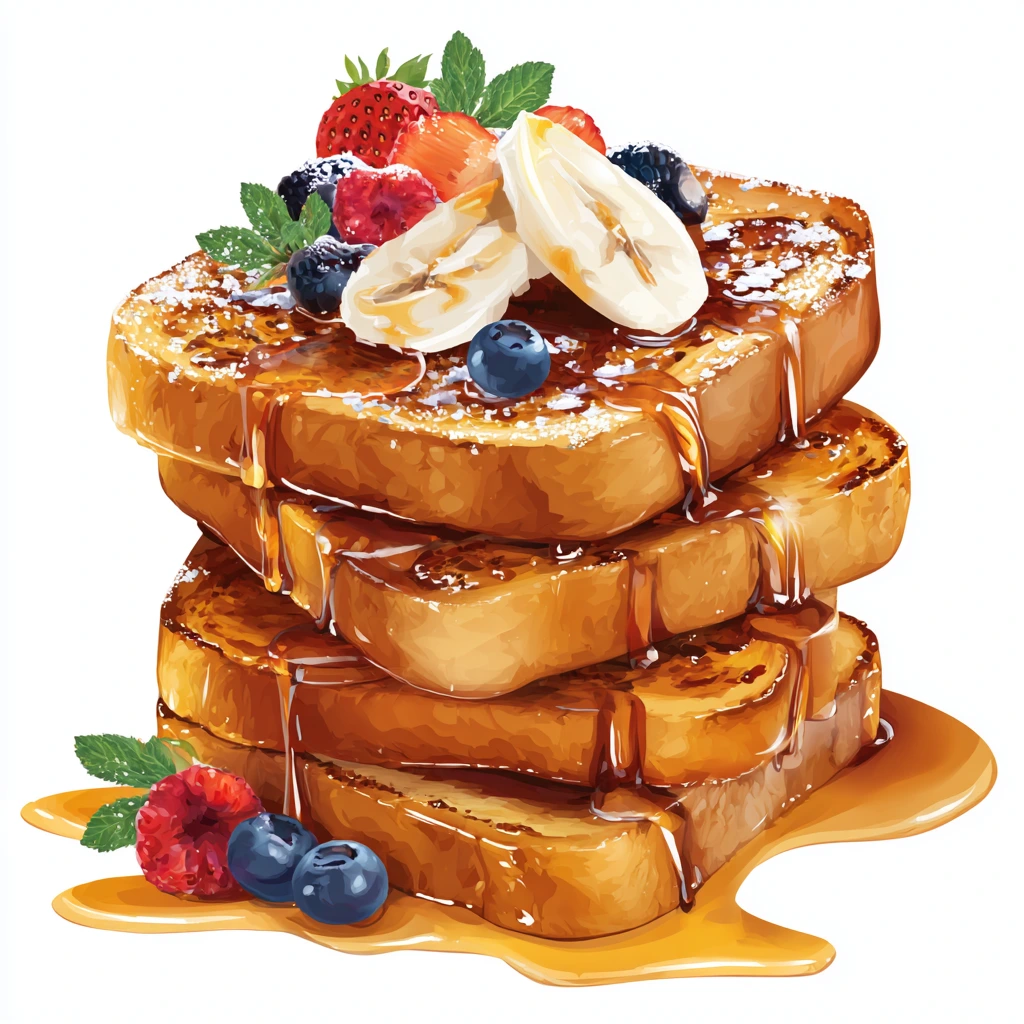
Challah French toast can be plated elegantly or served casually, depending on the occasion. Stack two to three slices on each plate and drizzle with maple syrup. Fresh berries or sliced bananas add color and freshness. For a more indulgent option, dust with powdered sugar and add a dollop of whipped cream. Nut butters or chocolate spreads work beautifully for a rich variation. For brunch, pair it with crispy bacon, breakfast sausages, or a side of scrambled eggs. Presentation is simple: golden slices centered on a plate, toppings artistically placed, and syrup served on the side for a refined touch.
Additional Tips
Recipe Variations
Freezing and Storage
Nutritional Information (Approximate per serving)
Final Words
Cooking challah French toast at home is more than just making breakfast; it’s creating a moment of joy and indulgence that sets the tone for your day. The soft, slightly sweet slices of challah paired with a perfectly spiced custard transform simple ingredients into a luxurious treat. By following this recipe, you gain not only a foolproof method for cooking the best French toast but also a deeper understanding of the techniques that make it exceptional. From choosing the right bread to mastering the soaking and cooking process, each step contributes to the perfect balance of golden crispness and tender custardy interior. Home cooking becomes an experience when attention to detail meets quality ingredients, and this recipe embodies that philosophy.
One of the most rewarding aspects of making challah French toast is its versatility. It can be dressed up or down depending on the occasion. On a busy weekday morning, a simple drizzle of maple syrup and a handful of berries is enough to elevate your breakfast. For a weekend brunch or special celebration, you can explore creative variations like eggnog French toast, stuffed brioche, or a baked French toast casserole. The recipe empowers you to experiment with flavors and presentation, while still relying on a tried-and-true method that guarantees success. This combination of reliability and creativity is what makes this dish so beloved by chefs and home cooks alike.
Finally, serving challah French toast at home is an invitation to slow down, savor, and enjoy the good things in life. It’s not just about the taste but also about the atmosphere it creates a warm kitchen, the smell of caramelized bread, and the delight on the faces of family or friends. Making this dish yourself allows you to control ingredients, flavors, and portion sizes while enjoying a restaurant-quality breakfast at home. Bookmark this recipe, keep experimenting with toppings and variations, and let challah French toast become a signature dish in your kitchen. Every bite is a reminder that homemade food, when prepared thoughtfully, can be both simple and extraordinary.
FAQ’s

Perfect Challah French Toast Recipe – Easy Breakfast
Course: Bread Recipes4
servings15
minutes20
minutes350
kcalIngredients
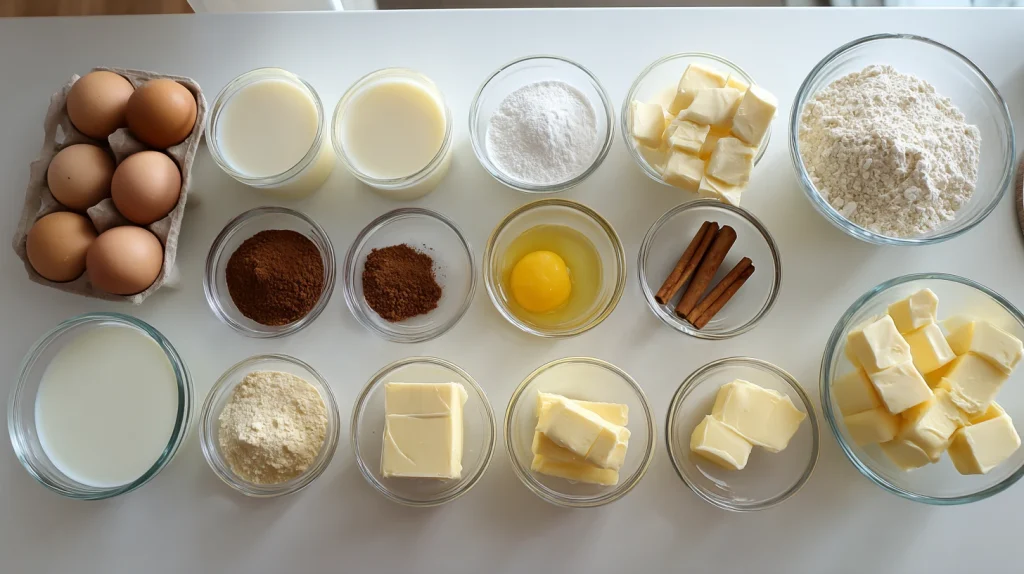
8 thick slices of challah or brioche bread, about 1 inch thick
4 large eggs
1 cup whole milk or cream
1/3 cup granulated sugar
1 teaspoon pure vanilla extract
1/2 teaspoon ground cinnamon
1/4 teaspoon salt
2 tablespoons unsalted butter or neutral oil for cooking
Optional toppings: maple syrup, fresh berries, powdered sugar, whipped cream, or nut butter
Directions
- Crack the eggs into a large mixing bowl and whisk until smooth. Gradually add the milk or cream while continuing to whisk to create a uniform custard. Stir in sugar, vanilla extract, cinnamon, and salt until fully combined. The custard should be slightly thick but pourable. For an extra creamy texture, you can strain the custard through a fine mesh sieve to remove any lumps.
- Place a nonstick or cast-iron skillet over medium heat. Add a small amount of butter or oil and allow it to melt evenly, coating the pan. The right pan temperature is crucial. Too hot, and the toast will burn on the outside while remaining undercooked inside. Too low, and it won’t develop a golden crust.
- Dip each slice of challah into the custard, letting it absorb the liquid for about 20–30 seconds per side. Make sure the bread is fully coated but not oversaturated, or it will fall apart while cooking. If your bread is slightly stale, it will hold the custard better and prevent sogginess.
- Place soaked slices onto the preheated skillet. Cook for 3–4 minutes on the first side without moving them, until a golden brown crust forms. Flip carefully and cook another 2–3 minutes on the second side. Adjust the heat as necessary to ensure even browning. The goal is a caramelized exterior with a custardy interior.
- If making multiple batches, place finished slices on a baking sheet in a 200°F oven to keep warm. Avoid stacking the toast, which can cause the bottom slices to steam and lose crispness.