

Coconut Buttercream Frosting – Silky, Creamy Coconut Dream
Coconut Buttercream Frosting
Coconut buttercream frosting is one of those finishes that can completely transform a simple cake into something memorable. It is smooth, creamy, lightly sweet, and layered with natural coconut flavor that feels rich without being heavy. When made correctly, coconut buttercream frosting holds its shape beautifully for piping, spreads effortlessly over layers, and delivers a balanced sweetness that does not overpower the cake underneath.
What makes coconut buttercream frosting special is its depth of flavor. Unlike basic vanilla icing, this frosting combines butter, coconut cream, and carefully measured sugar to create a texture that is both fluffy and structured. The coconut note is present in every bite, but it should never taste artificial or greasy. When you master this recipe for coconut frosting, you will understand how a simple combination of ingredients can create a bakery quality finish at home.
Home bakers love coconut buttercream frosting because it pairs well with so many desserts. It complements chocolate layers for brownie desserts, adds elegance to vanilla sponge, and even works on tropical cakes with pineapple or lime. If you have ever wondered how to make coconut frosting that is smooth and stable, this guide will walk you through each step clearly and confidently.
Whether you are aiming for a creamy coconut frosting recipe for birthday cakes or a homemade coconut icing for cupcakes, this method ensures consistent results every time.
Why You’ll Love This Recipe
This coconut buttercream frosting stands out because it is balanced, structured, and adaptable. It is not overly sweet, not overly buttery, and not overly oily. Every element has purpose.
First, the texture is reliable. When you follow this coconut cream icing recipe carefully, the butter and coconut cream emulsify properly. That means your coconut buttercream frosting will hold sharp piping details, swirls, and borders without collapsing. Many home bakers struggle with frosting that looks beautiful at first but softens quickly. This recipe prevents that by controlling temperature and mixing time.

Second, the flavor is authentic. We use real coconut cream and a touch of coconut extract rather than artificial flavoring alone. The result is a creamy coconut frosting recipe that tastes fresh and natural. It is perfect for anyone who loves coconut whipped cream or so delicious coconut whipped cream but wants something more structured for cakes.
Third, it is versatile. You can easily adapt this coconut buttercream frosting into a vegan coconut frosting recipe using plant based butter. You can also turn it into coconut cream cheese frosting for tangy depth. It fits into patisserie vegan menus, paleo dessert concepts with adjustments, and even fun frosting flavors for themed celebrations.
Finally, this easy coconut frosting for cakes spreads smoothly. No grainy texture, no separation, and no heavy mouthfeel. Just a soft, airy finish that elevates your baking.
Preparation and Cooking Time
Ingredients
Optional for variation
Substitution Notes

Step by Step Instructions
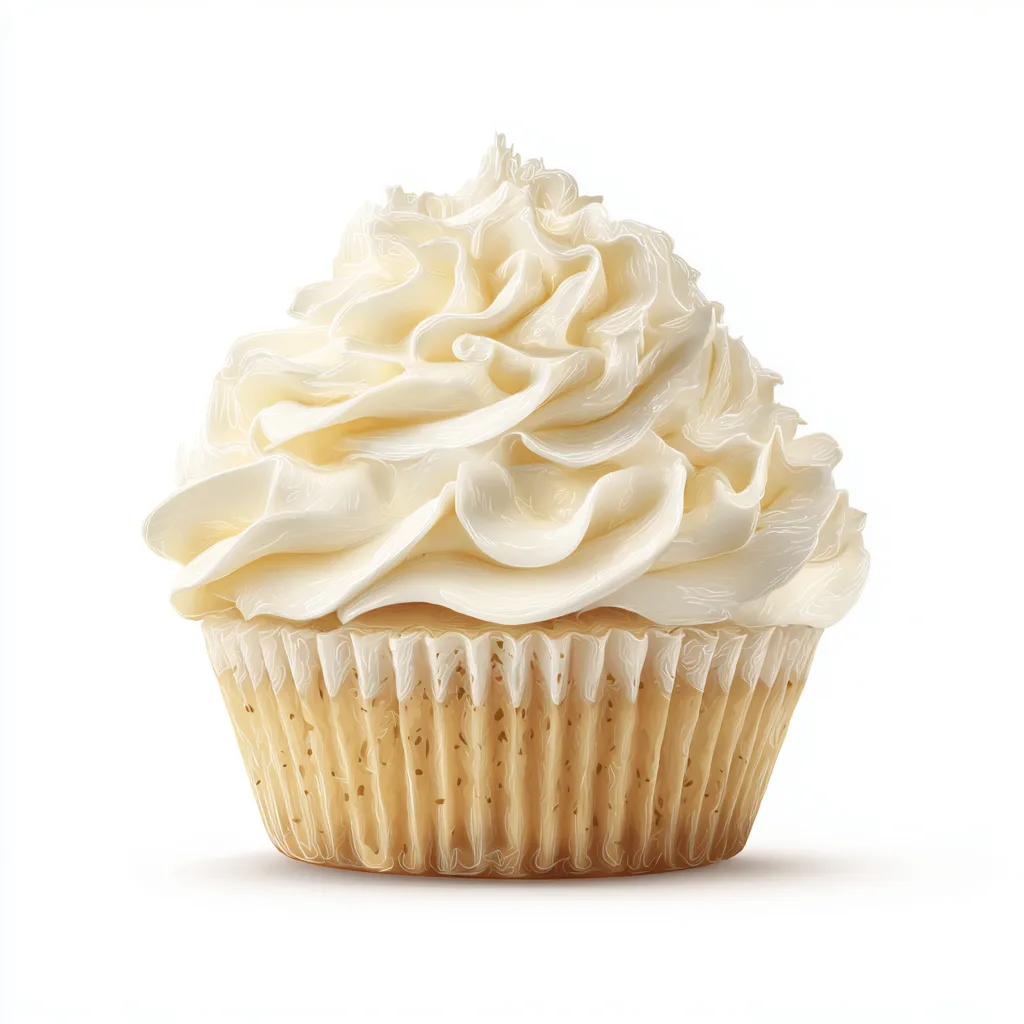
Step 1: Prepare the Butter Properly
Place softened butter in a large mixing bowl. It should be soft enough to press with your finger but not melted. Beat on medium speed for 3 to 4 minutes until pale and fluffy. Proper aeration at this stage ensures your coconut buttercream frosting is light rather than dense.
Scrape down the sides of the bowl frequently. Even mixing creates a smooth base and prevents lumps later.
Step 2: Incorporate the Sugar Gradually
Add powdered sugar one cup at a time. Mix on low speed initially to prevent a sugar cloud, then increase to medium once incorporated. Continue until all sugar is blended and the mixture looks thick and creamy.
Take your time here. Rushing this step can cause uneven texture. The base should look smooth before adding any liquid.
Step 3: Add Coconut Cream and Flavoring
Slowly pour in coconut cream while mixing on low speed. Add coconut extract, vanilla extract, and salt. Once combined, increase speed to medium high and whip for 3 to 5 minutes.
You will see the coconut buttercream frosting become lighter in color and softer in texture. If it looks too thick, add one tablespoon of coconut cream at a time. If it seems too soft, chill briefly and whip again.
Step 4: Adjust Consistency
Check the texture. For piping roses or borders, the coconut buttercream frosting should hold firm peaks. For spreading over cakes, it should glide easily across the surface.
If making coconut cream cheese frosting, beat cream cheese separately until smooth, then blend into the finished frosting on low speed until just combined.
Your coconut buttercream frosting is now ready for use.
How to Serve
Coconut buttercream frosting is versatile in both rustic and elegant presentations. When frosting a layer cake, begin with a crumb coat. Spread a thin layer of coconut buttercream frosting over the entire cake and chill for 20 minutes. This seals in crumbs and gives you a clean finish for the final coat. For a tropical theme, pipe large swirls using a star tip and top with toasted coconut flakes. The slight crunch of toasted coconut contrasts beautifully with the smooth coconut buttercream frosting. Add fresh pineapple slices or mango cubes for color.
If you are decorating brownie desserts, spread a thick layer of coconut buttercream frosting on cooled brownies and finish with a drizzle of dark chocolate. This combination feels indulgent yet balanced. For a patisserie vegan display, pipe neat rosettes on cupcakes using vegan frosting coconut cream adaptation. Add edible flowers or a sprinkle of lime zest for refinement. You can also pair this frosting with coconut whipped cream for layered textures. Use coconut buttercream frosting for structure and add a dollop of coconut whipped cream on top just before serving.
Presentation matters. Smooth sides, clean piping, and thoughtful garnishes elevate even simple homemade cakes into bakery style creations.
Secret Behind This Recipe
The real secret behind exceptional coconut buttercream frosting is temperature control and proper emulsification. Butter and coconut cream must be at similar temperatures before mixing. If the butter is too warm, the frosting becomes greasy. If the coconut cream is too cold, it can cause separation.
Another key factor is whipping time. Many home bakers stop mixing too early. Whipping for a few extra minutes incorporates air, giving the coconut buttercream frosting a lighter texture similar to so delicious coconut whipped cream but with better structure.
Finally, balance the sweetness. Salt may seem small, but it sharpens coconut flavor and prevents the frosting from tasting flat. A tiny pinch makes a noticeable difference. These small details separate average frosting from a creamy coconut frosting recipe that tastes professional.
Recipe Variations
Additional Tips
Freezing and Storage
Nutritional Information Per Serving
Approximate values per serving based on 24 servings
Values may vary depending on exact ingredients used.
Final Words
Coconut buttercream frosting is more than just a topping. It is a finishing touch that reflects care and technique. When made correctly, it enhances the cake rather than masking it. The smooth texture, balanced sweetness, and authentic coconut flavor create harmony in every bite.
Learning how to make coconut frosting from scratch builds confidence in your baking. Once you master this recipe for coconut frosting, you will rely on it for birthdays, celebrations, and everyday desserts. It adapts easily into homemade coconut icing, coconut cream cheese frosting, or even vegan frosting coconut cream variations.
Baking at home allows you to control quality, sweetness, and freshness. You know exactly what goes into your coconut buttercream frosting. You can adjust it for paleo dessert preferences, experiment with fun frosting flavors, or keep it classic and simple.
Do not rush the process. Respect temperature, whip properly, and taste as you go. Those habits will elevate not just this creamy coconut frosting recipe, but all your baking.
With practice, your coconut buttercream frosting will look polished, pipe beautifully, and taste exceptional. That is the reward of doing it yourself.
FAQs

Coconut Buttercream Frosting – Silky, Creamy Coconut Dream
Course: Desserts8
servings20
minutes10
minutes210
kcalIngredients
250 grams unsalted butter, softened at room temperature
4 cups powdered sugar, sifted
120 ml full fat coconut cream, well stirred
1 teaspoon pure coconut extract
1 teaspoon vanilla extract
Pinch of fine salt
- Optional for variation
100 grams cream cheese for coconut cream cheese frosting
Directions
- Place softened butter in a large mixing bowl. It should be soft enough to press with your finger but not melted. Beat on medium speed for 3 to 4 minutes until pale and fluffy. Proper aeration at this stage ensures your coconut buttercream frosting is light rather than dense.
Scrape down the sides of the bowl frequently. Even mixing creates a smooth base and prevents lumps later. - Add powdered sugar one cup at a time. Mix on low speed initially to prevent a sugar cloud, then increase to medium once incorporated. Continue until all sugar is blended and the mixture looks thick and creamy.
Take your time here. Rushing this step can cause uneven texture. The base should look smooth before adding any liquid. - Slowly pour in coconut cream while mixing on low speed. Add coconut extract, vanilla extract, and salt. Once combined, increase speed to medium high and whip for 3 to 5 minutes.
You will see the coconut buttercream frosting become lighter in color and softer in texture. If it looks too thick, add one tablespoon of coconut cream at a time. If it seems too soft, chill briefly and whip again. - Check the texture. For piping roses or borders, the coconut buttercream frosting should hold firm peaks. For spreading over cakes, it should glide easily across the surface.
If making coconut cream cheese frosting, beat cream cheese separately until smooth, then blend into the finished frosting on low speed until just combined.
Your coconut buttercream frosting is now ready for use.


