

Delicious Cream Cheese Buttercream Frosting
Introduction to Cream Cheese Buttercream Frosting
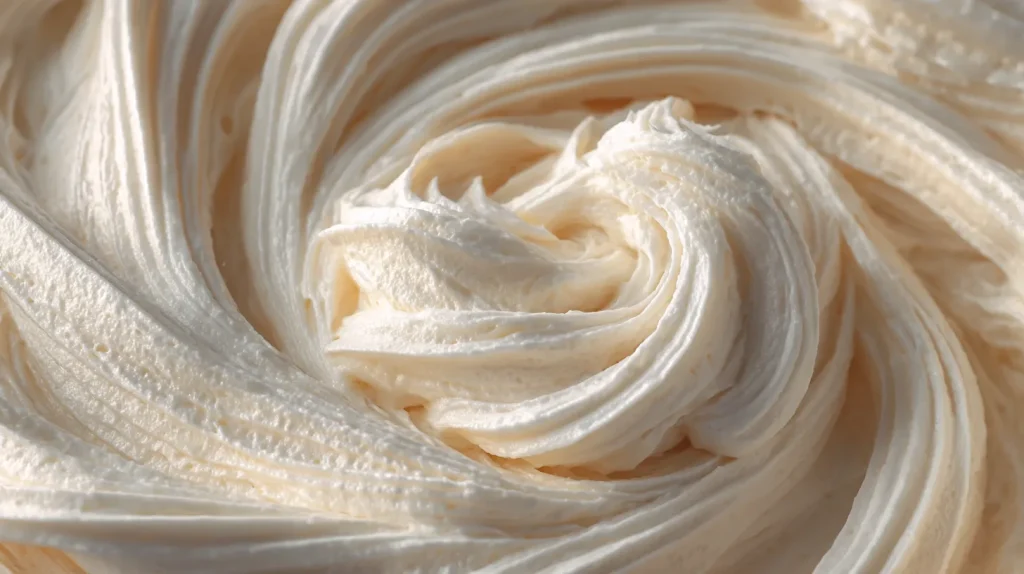
Cream cheese buttercream frosting is one of those recipes that quietly earns a permanent place in every serious home baker’s kitchen. It combines the smooth richness of classic buttercream with the gentle tang of cream cheese, creating a frosting that feels indulgent without being heavy. The texture is soft, creamy, and spreadable, yet stable enough to hold swirls on cakes and cupcakes. The flavor is balanced, never overly sweet, and clean on the palate, which is why so many bakers reach for it again and again.
What makes cream cheese buttercream frosting special is its versatility. It works beautifully as carrot cake frosting, but it is just as effective on vanilla sponge, chocolate cake, red velvet, banana cake, or spice cake. It pairs well with both light and bold flavors, enhancing the dessert rather than overpowering it. That adaptability is why it shows up so often in food cakes across cultures and baking styles.
Home cooks love this frosting because it feels approachable while delivering professional results. You do not need advanced tools or pastry training to achieve a smooth, bakery quality finish. With the right technique and attention to temperature, this icing recipe becomes reliable and forgiving. Whether you are decorating a celebration cake or frosting a simple batch of cupcakes, cream cheese buttercream frosting brings polish and confidence to your desserts.
Why You’ll Love This Recipe
This cream cheese buttercream frosting is designed to give you consistent results without stress. The balance between butter and cream cheese creates a frosting that spreads easily and pipes cleanly, which is not always the case with cream cheese based frostings. The structure holds well on cakes with buttercream frosting while staying soft enough to cut cleanly when sliced.
The flavor profile is one of its strongest points. The cream cheese adds depth and a subtle tang that cuts through sweetness, making this one of the best ever cream cheese frosting options for people who prefer desserts that are rich but not cloying. This makes it especially appealing for layered cakes and cupcakes where frosting is a key part of the experience.
Another reason this recipe stands out is its flexibility. It can be adjusted slightly for different uses without compromising quality. Whether you need cupcake cream cheese frosting that pipes neatly or a smoother version for filling and crumb coating, this butter cream cheese frosting recipe adapts easily. It also pairs naturally with a wide range of cake flavors, making it a dependable choice for both planned bakes and last minute desserts.
Preparation and Cooking Time
This cream cheese buttercream frosting does not require cooking, chilling, or resting before use, which makes it ideal for efficient baking sessions. It can be used immediately after mixing or refrigerated briefly if needed for timing purposes.
Ingredients
Substitution Notes
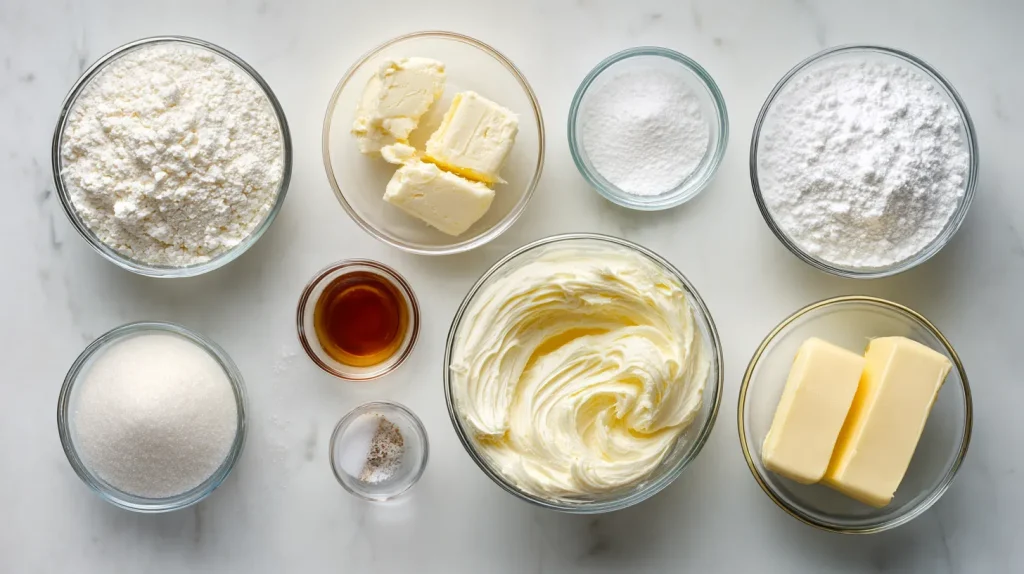
If unsalted butter is unavailable, salted butter can be used, but reduce or omit the added salt. Full fat cream cheese is strongly recommended for structure and flavor. Reduced fat versions contain more moisture and can cause the frosting to loosen. Vanilla extract can be replaced with vanilla bean paste or a small amount of almond extract for a different profile. Powdered sugar quantity can be adjusted slightly depending on desired sweetness and consistency.
Step by Step Instructions
Step 1: Prepare the Ingredients Properly
Before mixing, ensure both the butter and cream cheese are fully softened. They should be pliable but not melted. This step is critical for achieving a smooth texture. Cold ingredients will cause lumps, while overly warm ingredients can make the frosting loose. Proper temperature sets the foundation for a successful icing recipe.
Step 2: Cream the Butter
Place the softened butter in a mixing bowl and beat on medium speed until smooth and pale. This usually takes about two minutes. This step incorporates air into the butter, creating a lighter base that supports the cream cheese without becoming dense. Scrape down the bowl to ensure even mixing.
Step 3: Add the Cream Cheese
Add the softened cream cheese to the whipped butter and mix on medium speed until fully combined. The mixture should look smooth and uniform with no streaks. This stage defines the structure of buttercream frosting with cream cheese, so take the time to blend thoroughly without overmixing.
Step 4: Incorporate the Sugar Gradually
Add the powdered sugar one cup at a time, mixing on low speed initially to prevent a cloud of sugar. Once incorporated, increase speed slightly until smooth. Gradual addition allows better control over sweetness and texture. Continue scraping the bowl as needed.
Step 5: Finish With Flavor and Balance
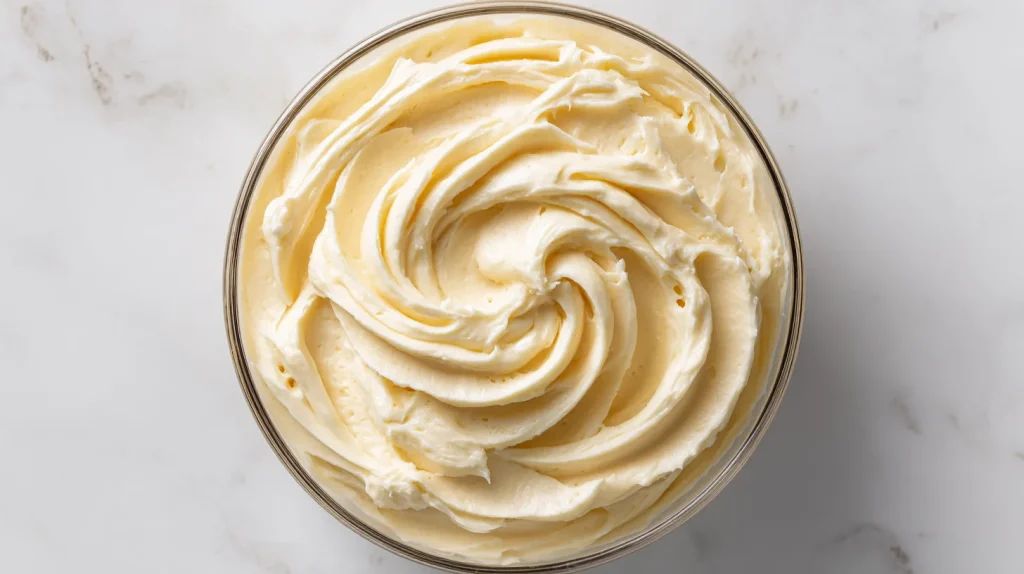
Add vanilla extract and a pinch of salt. Mix briefly until just combined. Taste and adjust sweetness if needed. The final frosting should be smooth, creamy, and stable enough to hold peaks without feeling stiff. This balance defines the best cream cheese buttercream frosting.
How to Serve
Cream cheese buttercream frosting shines when applied with intention. For layer cakes, use it generously between layers to create a smooth, even filling that complements the crumb of the cake. A thin crumb coat followed by a final layer ensures a clean, professional finish. This approach works especially well for cakes with buttercream frosting that need both structure and elegance.
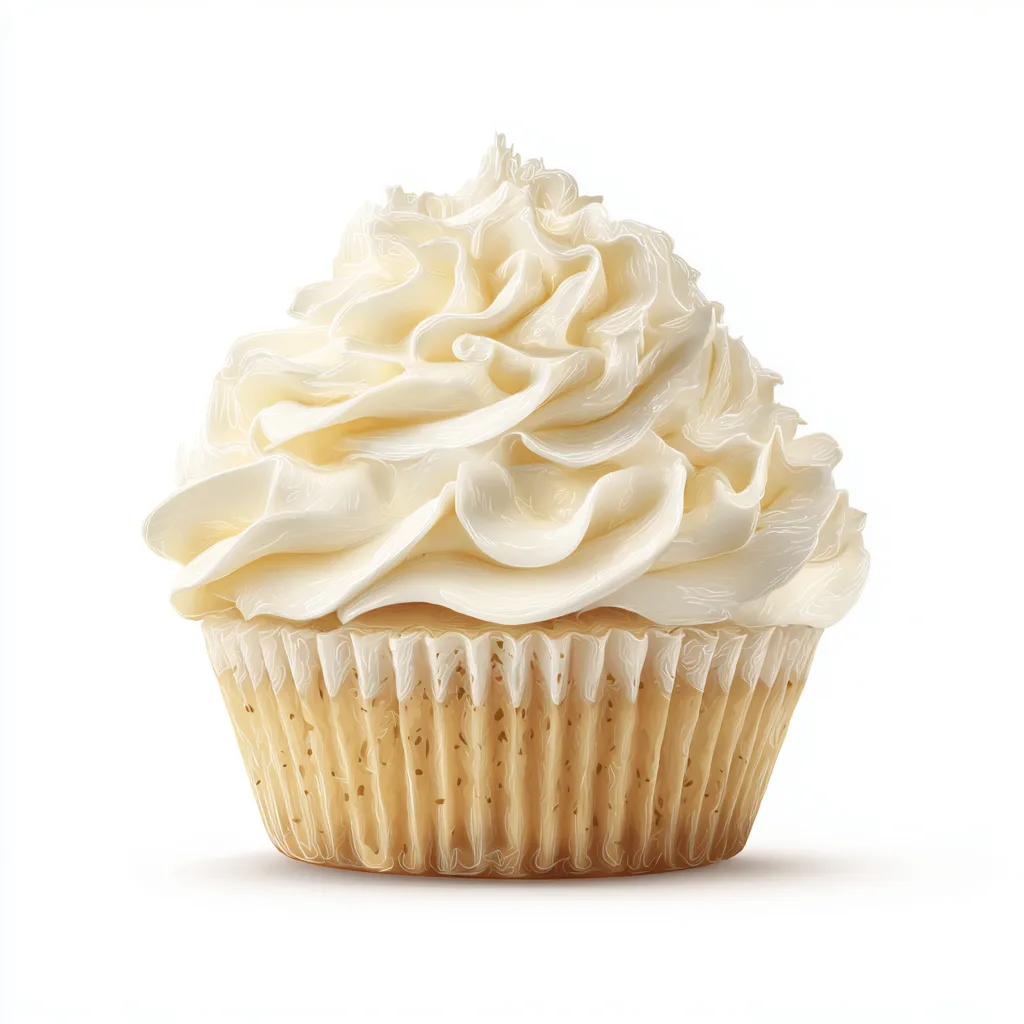
For cupcakes, pipe the frosting using a wide star or round tip to highlight its creamy texture. Cupcake cream cheese frosting holds its shape well while remaining soft to bite into. Serve cupcakes at room temperature so the frosting stays smooth and flavorful.
This frosting is ideal for carrot cake frosting, where its slight tang balances warm spices and sweetness. It also pairs beautifully with chocolate cake, vanilla cake, and fruit based desserts. When serving, keep presentation simple. Smooth swirls, clean edges, and light garnishes such as chopped nuts or citrus zest allow the frosting to remain the star.
Secret Behind This Recipe
The true secret behind exceptional cream cheese buttercream frosting lies in ingredient balance and temperature control. Using equal care with butter and cream cheese ensures neither flavor dominates. The order of mixing also matters. Creaming the butter first creates structure, while adding cream cheese second preserves its flavor without breaking the emulsion.
Another key factor is restraint with sugar. Many frosting recipes rely on excess sugar for stability, but this recipe achieves structure through proper technique rather than sweetness. This is what separates a delicious buttercream frosting from one that feels heavy or overly sweet.
Recipe Variations
Additional Tips
Freezing and Storage
Nutritional Information
Final Words
Cream cheese buttercream frosting is more than just a topping. It is a foundational recipe that elevates homemade desserts into polished, confident creations. By mastering this butter cream cheese frosting recipe, you gain a versatile tool that works across countless dessert ideen and baking styles.
Whether you are frosting a simple cake for family or preparing an elegant dessert for guests, this recipe delivers reliable texture, balanced flavor, and professional appearance. With practice, it becomes second nature, allowing you to focus on creativity and presentation. Once you experience how dependable and delicious this frosting is, it will quickly become your go to choice among frosting recipes easy enough for everyday baking and refined enough for special occasions.
FAQs
Cream Cheese Buttercream Frosting That Delivers Perfect Balance and Professional Results
Course: Desserts18
servings15
minutes10
minutes180
kcalIngredients
Unsalted butter: 1 cup, softened to room temperature
Full fat cream cheese: 8 ounces, softened
Powdered sugar: 4 to 5 cups, sifted
Pure vanilla extract: 2 teaspoons
Fine salt: 1 pinch
Directions
- Before mixing, ensure both the butter and cream cheese are fully softened. They should be pliable but not melted. This step is critical for achieving a smooth texture. Cold ingredients will cause lumps, while overly warm ingredients can make the frosting loose. Proper temperature sets the foundation for a successful icing recipe.
- Place the softened butter in a mixing bowl and beat on medium speed until smooth and pale. This usually takes about two minutes. This step incorporates air into the butter, creating a lighter base that supports the cream cheese without becoming dense. Scrape down the bowl to ensure even mixing.
- Add the softened cream cheese to the whipped butter and mix on medium speed until fully combined. The mixture should look smooth and uniform with no streaks. This stage defines the structure of buttercream frosting with cream cheese, so take the time to blend thoroughly without overmixing.
- Add the powdered sugar one cup at a time, mixing on low speed initially to prevent a cloud of sugar. Once incorporated, increase speed slightly until smooth. Gradual addition allows better control over sweetness and texture. Continue scraping the bowl as needed.
- Add vanilla extract and a pinch of salt. Mix briefly until just combined. Taste and adjust sweetness if needed. The final frosting should be smooth, creamy, and stable enough to hold peaks without feeling stiff. This balance defines the best cream cheese buttercream frosting.


