

Crisco Pie Crust Recipe – Easy & Healthy Flaky Homemade
Crisco Pie Crust Recipe
A perfectly made crisco pie crust recipe is the foundation of countless classic desserts and savory pies. What makes this crust truly special is its balance of flakiness and tenderness. Using shortening like Crisco creates a structure that is light, crisp, and easy to handle, making it a favorite among both professional chefs and home cooks.
Unlike butter-only crusts, which can sometimes turn dense or overly fragile, a pie crust using Crisco holds its shape beautifully while still delivering that melt-in-your-mouth texture. The taste is neutral, allowing fillings to shine, whether you are baking a rich apple pie or a creamy custard tart. This is why the classic Crisco pie crust continues to be trusted across generations.
Why You’ll Love This Recipe
This pie crust recipe made with Crisco is designed for consistency and ease. The dough is forgiving, meaning even beginners can achieve excellent results without frustration. Because shortening has a higher melting point than butter, the dough stays workable longer, giving you more control during rolling and shaping. The texture it produces is reliably flaky, with distinct layers that separate beautifully when baked.
Another advantage is versatility. This original Crisco pie crust recipe works for sweet and savory dishes alike, adapting easily with small tweaks. It is also an excellent base for experimenting with combinations like pie crust with butter and Crisco, offering deeper flavor while maintaining structure. For anyone looking for a dependable single pie crust recipe Crisco method, this is one you can return to again and again.
Preparation and Cooking Time
Ingredients
Substitution notes
You can replace part of the shortening with unsalted butter for a pie crust with butter and Crisco to add flavor while keeping flakiness. Whole wheat flour can replace up to 25 percent of the flour for a nuttier taste. A pinch of sugar can be added for sweet pies.
Step-by-Step Instructions
Step 1: Prepare the Dry Ingredients
In a large mixing bowl, combine the flour and salt thoroughly using a whisk or your fingers, ensuring even distribution because this step builds the base structure of the crust and prevents uneven seasoning in the final result.
Step 2: Cut in the Crisco
Add the chilled Crisco shortening to the flour mixture and use a pastry cutter or your fingertips to work it in gently until the mixture resembles coarse crumbs with some pea-sized pieces remaining, as these small chunks of fat are what create the flaky layers during baking.
Step 3: Add Ice Water Gradually
Sprinkle ice cold water over the mixture one tablespoon at a time, gently tossing with a fork after each addition until the dough just begins to come together without becoming sticky, as overworking or adding too much water can lead to a tough crust.
Step 4: Form the Dough
Gather the dough into a ball using your hands, pressing it together lightly without kneading, then flatten it into a disc shape to make rolling easier while preserving the delicate texture.
Step 5: Chill the Dough
Wrap the dough in plastic wrap and refrigerate it for at least 30 minutes to allow the gluten to relax and the fat to firm up, which ensures the crust rolls out smoothly and holds its shape during baking.
Step 6: Roll Out the Dough
Place the chilled dough on a lightly floured surface and roll it out evenly from the center outward into a circle about 1 8 inch thick, rotating occasionally to maintain an even thickness and prevent sticking.
Step 7: Transfer to Pie Dish
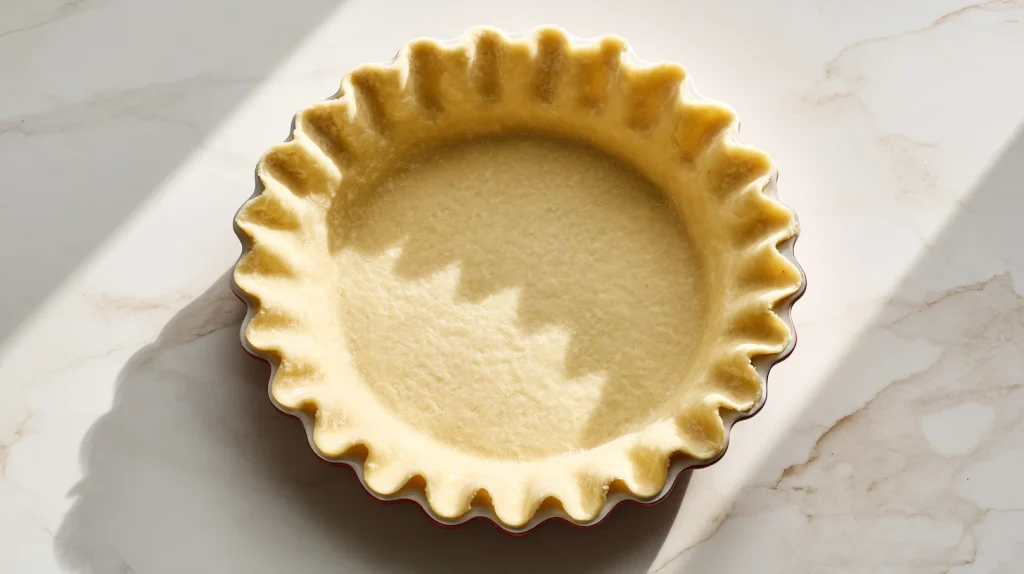
Carefully lift the rolled dough and place it into your pie dish, pressing it gently into the corners without stretching, then trim the edges and crimp as desired for a neat finish.
Step 8: Pre-Bake or Fill
Depending on your recipe, either pre-bake the crust for a blind bake by pricking the bottom and baking with weights or fill it directly for recipes that require baking with filling, ensuring even cooking and proper texture.
How to Serve
Serving a pie made with a crisco pie crust recipe is all about highlighting the crust’s flaky texture while complementing the filling. For sweet pies like apple, pumpkin, or pecan, allow the pie to cool slightly so the filling sets properly, then slice with a sharp knife to keep the layers intact. Serve each slice on a clean plate with a balanced presentation. A scoop of vanilla ice cream placed beside a warm slice creates a classic contrast of temperatures, while freshly whipped cream adds lightness without overpowering the crust.
For a more refined touch, dust a little powdered sugar over the plate or drizzle caramel or fruit sauce around the slice rather than directly on top, so the crust stays crisp. For fruit pies made with this pie crust using Crisco, consider pairing with fresh berries or a spoonful of lightly sweetened yogurt to enhance the natural flavors. Citrus-based pies benefit from a thin garnish of zest or a few mint leaves to add freshness and visual appeal. Always serve sweet pies slightly warm or at room temperature to fully appreciate the texture of the crust.
When it comes to savory pies, such as chicken pot pie or vegetable pies using a pie crust recipe made with Crisco, presentation should be hearty yet clean. Let the pie rest for at least 10 minutes after baking so it holds its shape when sliced. Serve alongside a crisp green salad with a light vinaigrette to balance the richness of the crust. You can also pair it with a simple soup like tomato or clear broth for a complete meal. For added flavor, a light brush of melted butter over the crust just before serving can enhance its golden finish and aroma.
Secret Behind This Recipe
The true secret behind this original Crisco pie crust recipe lies in temperature control and handling. Keeping all ingredients cold prevents the shortening from melting too early, which is essential for creating those signature flaky layers. Minimal handling of the dough preserves its tenderness. Another key is leaving small chunks of fat intact rather than fully blending them into the flour. These pockets of fat melt during baking, creating steam that separates the layers. This is what gives the crust its light and airy texture. Precision in adding water also plays a crucial role, as too much moisture can ruin the structure.
Recipe Variations
Additional Tips
Freezing and Storage
This pie crust recipe Crisco method stores exceptionally well. The dough can be wrapped tightly and refrigerated for up to three days without losing quality. For longer storage, freeze the dough disc for up to one month. When ready to use, thaw it overnight in the refrigerator to maintain texture. You can also freeze a fully rolled and shaped crust in the pie dish, covered well to prevent freezer burn. After baking, leftover crust can be stored at room temperature for a day or refrigerated for up to three days. Reheat gently in the oven to restore crispness.
Nutritional Information
Approximate per serving
Final Words
Mastering a crisco pie crust recipe is one of the most valuable skills in home baking. It gives you the confidence to create everything from classic desserts to hearty savory pies with consistent results. This classic Crisco pie crust delivers reliability, ease, and a texture that rivals professional bakery standards. With practice, you will find it becomes second nature, allowing you to focus more on creativity and flavor combinations. Whether you are following a traditional approach like the Crisco pie crust recipe Allrecipes style or adding your own twist, this crust is a dependable base worth perfecting.
FAQs

Crisco Pie Crust Recipe – Easy & Healthy Flaky Homemade
Course: Dessert8
servings20
minutes15
minutes180
kcalIngredients
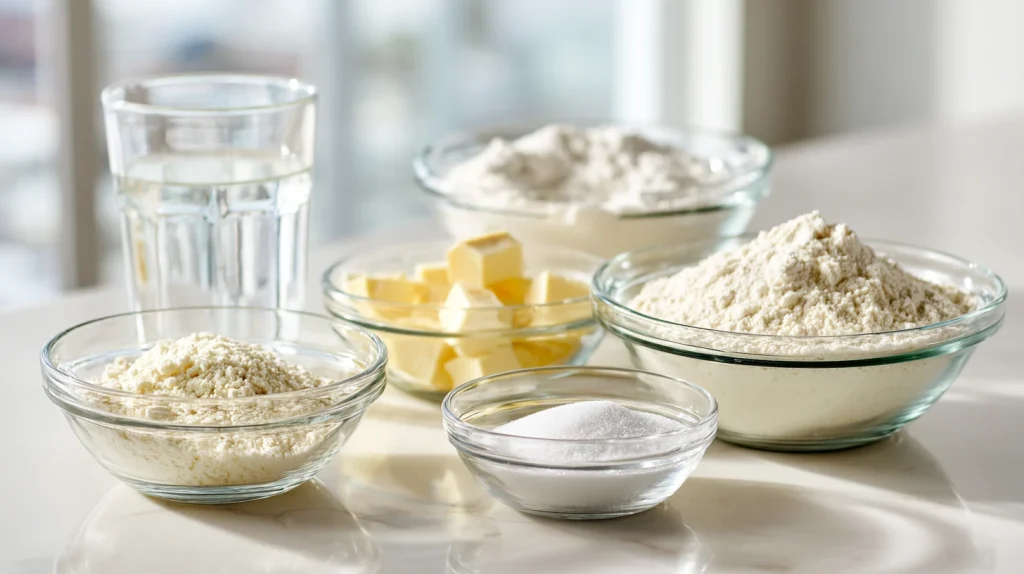
1 1 4 cups all purpose flour
1 2 teaspoon salt
1 2 cup Crisco shortening chilled
3 to 5 tablespoons ice cold water
Directions
- In a large mixing bowl, combine the flour and salt thoroughly using a whisk or your fingers, ensuring even distribution because this step builds the base structure of the crust and prevents uneven seasoning in the final result.
- Add the chilled Crisco shortening to the flour mixture and use a pastry cutter or your fingertips to work it in gently until the mixture resembles coarse crumbs with some pea-sized pieces remaining, as these small chunks of fat are what create the flaky layers during baking.
- Sprinkle ice cold water over the mixture one tablespoon at a time, gently tossing with a fork after each addition until the dough just begins to come together without becoming sticky, as overworking or adding too much water can lead to a tough crust.
- Gather the dough into a ball using your hands, pressing it together lightly without kneading, then flatten it into a disc shape to make rolling easier while preserving the delicate texture.
- Wrap the dough in plastic wrap and refrigerate it for at least 30 minutes to allow the gluten to relax and the fat to firm up, which ensures the crust rolls out smoothly and holds its shape during baking.
- Place the chilled dough on a lightly floured surface and roll it out evenly from the center outward into a circle about 1 8 inch thick, rotating occasionally to maintain an even thickness and prevent sticking.
- Carefully lift the rolled dough and place it into your pie dish, pressing it gently into the corners without stretching, then trim the edges and crimp as desired for a neat finish.
- Depending on your recipe, either pre-bake the crust for a blind bake by pricking the bottom and baking with weights or fill it directly for recipes that require baking with filling, ensuring even cooking and proper texture.