
Croissant French Toast Recipe – Easy Baked Breakfast
Croissant french toast
Croissant French toast is a decadent twist on a classic breakfast favorite. Unlike traditional French toast made with regular bread, this version uses buttery, flaky croissants that soak up the custard mixture beautifully while keeping a tender interior. The result is a dish that is crisp on the edges, soft in the center, and packed with rich flavor.
The contrast of textures light, airy layers of croissant with creamy, slightly sweet custard is what makes croissant French toast stand out. It is a breakfast that feels special, whether for a weekend brunch, a festive morning, or simply when you want to treat yourself. People love it because it’s indulgent yet easy to prepare, offering a restaurant-quality experience in your own kitchen. Croissant French toast naturally lends itself to variations, from a simple skillet version to a baked breakfast casserole or a make-ahead French toast option for busy mornings.
The buttery layers of the croissant absorb the custard without becoming soggy, creating a balance between richness and lightness. Topped with maple syrup, fresh berries, or powdered sugar, each bite feels elegant yet comforting. Croissant French toast takes the classic French toast recipe and elevates it, making it a favorite across crossiant recipes, French toast easy collections, and croissant breakfast menus.
Why You’ll Love This Recipe
This recipe is designed to give you maximum flavor with minimal effort. By soaking the croissants in a perfectly balanced custard, you ensure every bite is moist and tender. The combination of eggs, milk, vanilla, and a touch of cinnamon highlights the natural sweetness of the croissant without overpowering it.
Croissant French toast is versatile. You can make it as a single skillet portion for a quick morning meal or as a croissant breakfast casserole or baked breakfast casserole that serves a crowd. It works well as a make-ahead French toast option, perfect for busy mornings, holiday brunches, or weekend gatherings.
The method ensures that your croissants remain flaky on the edges and soft in the center, creating a texture that is impossible to resist. It also pairs beautifully with a variety of toppings, from fresh fruit to whipped cream, maple syrup, or even a drizzle of chocolate for a decadent touch. This recipe allows home cooks to achieve restaurant-quality results without complicated steps or hard-to-find ingredients.

Preparation and Cooking Time, also serving
This timing makes it ideal for a leisurely weekend breakfast or an elegant brunch with guests.
Ingredients
For the Custard
For the Croissants
Optional Toppings
Substitution Notes
Step-by-Step Instructions
Step 1: Prepare the Custard
In a medium mixing bowl, whisk together eggs, milk, vanilla extract, cinnamon, sugar, and salt. Make sure the mixture is smooth and fully combined. This custard forms the flavorful base that will soak the croissants evenly.
Step 2: Slice and Soak the Croissants
Cut each croissant in half horizontally. Arrange them in a shallow dish or baking pan. Pour the custard evenly over the croissants, ensuring every layer is coated. Let them soak for 5-10 minutes so the croissants absorb the liquid but do not become mushy.
Step 3: Preheat the Pan or Oven
For skillet cooking, heat a large non-stick skillet or griddle over medium heat and add butter to coat the surface. For a baked version, preheat the oven to 350°F (175°C) and grease a baking dish with butter or oil.
Step 4: Cook the Croissant French Toast
For skillet method: Place the soaked croissants in the pan and cook for 3-4 minutes per side until golden brown and slightly crisp on the edges. For baked casserole: Arrange soaked croissants in the greased dish. Bake for 20-25 minutes until puffed, golden, and cooked through. Check with a toothpick in the center; it should come out clean.
Step 5: Serve Immediately or Keep Warm
Remove the croissant French toast from the skillet or oven and let it rest for a minute. This allows the custard to set slightly while keeping the interior tender.
How to Serve
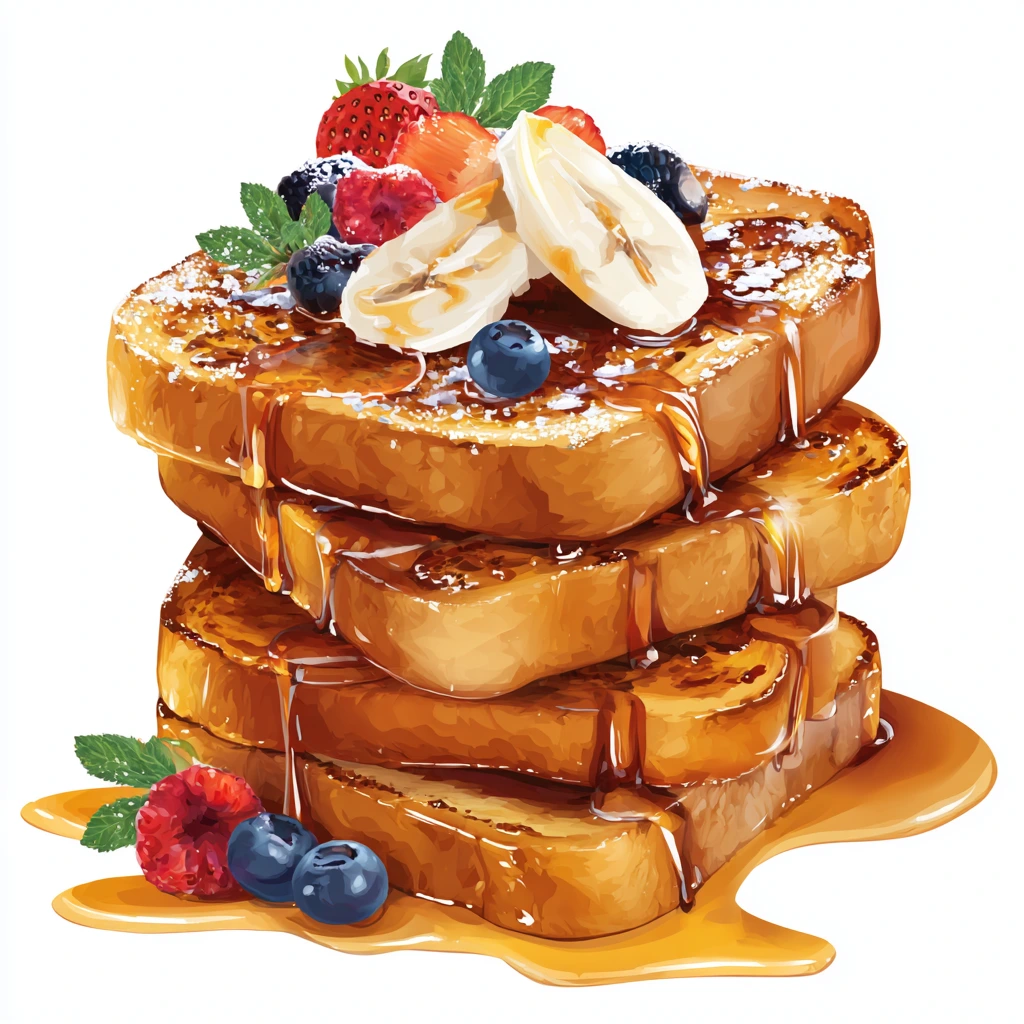
Serve croissant French toast warm with a light dusting of powdered sugar or a drizzle of maple syrup. Fresh berries or sliced bananas add color and freshness. A dollop of whipped cream or a sprinkle of toasted nuts can elevate the dish for a special occasion.
For a brunch platter, pair with a side of crispy bacon or sausage, and coffee or freshly squeezed juice. For a dessert-style twist, drizzle with chocolate sauce or caramel. Croissant French toast works well plated individually or arranged family-style in a baking dish.

Additional Tips
Recipe Variations
Freezing and Storage
Nutritional Information
Approximate values per serving (1 croissant portion)
Values may vary based on croissant size, type of milk, and toppings used.
Final Words
Croissant French toast is more than just a breakfast dish; it is an experience that brings a touch of elegance to your morning table. The combination of buttery, flaky croissants and a rich, flavorful custard creates a texture that is both tender and crisp, making each bite a delight. Cooking this at home allows you to enjoy a restaurant-quality treat without leaving your kitchen, giving you control over ingredients, flavors, and portion sizes. It is a dish that feels special yet remains approachable for home cooks of all skill levels.
One of the best things about croissant French toast is its versatility. You can keep it simple with a classic custard and maple syrup topping, or turn it into a show-stopping brunch centerpiece with berries, chocolate, or even savory fillings. It can be made as an individual skillet portion for a quick weekend breakfast, a make-ahead French toast casserole for busy mornings, or a baked breakfast casserole to serve a crowd. Each method highlights the richness of the croissant while allowing you to adapt the dish to your schedule and style.
Making croissant French toast at home also allows you to experiment and create your signature variations. From berry-stuffed or chocolate hazelnut versions to savory breakfast twists, this dish encourages creativity while providing consistently delicious results. By mastering the soaking, cooking, and presentation techniques, you gain a recipe that is reliable, indulgent, and perfect for everyday mornings or special occasions. With this dish in your repertoire, you can turn any breakfast into a memorable, indulgent experience that family and friends will love.
FAQs

Croissant French Toast Recipe – Easy Baked Breakfast
Course: Bread Recipes6
servings15
minutes25
minutes420
kcalIngredients
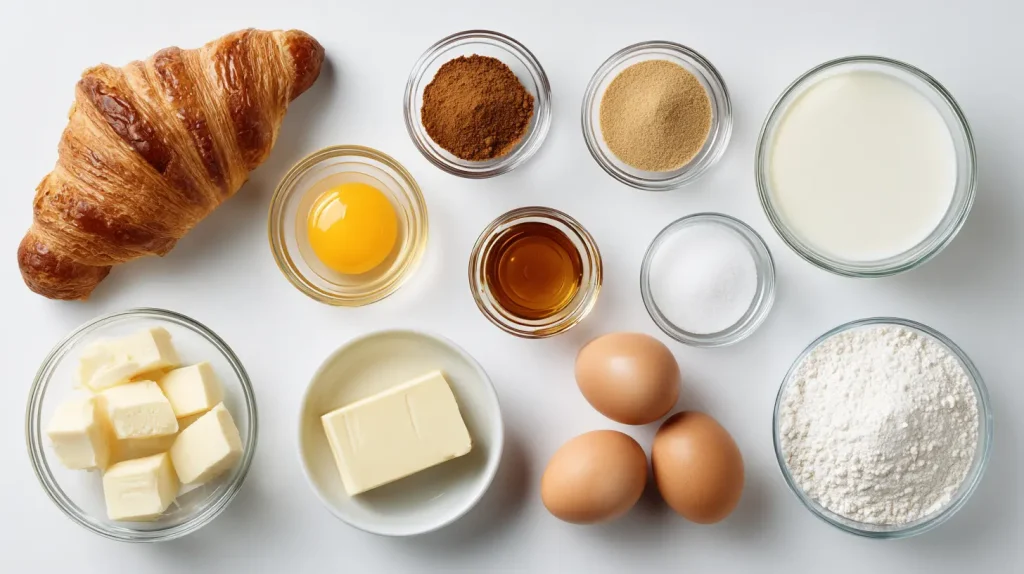
- For the Custard
4 large eggs
1 cup whole milk (or half-and-half for extra richness)
1 teaspoon pure vanilla extract
1 teaspoon ground cinnamon
2 tablespoons granulated sugar
Pinch of salt
- For the Croissants
4 large butter croissants, preferably slightly day-old
2 tablespoons unsalted butter, for greasing the pan
- Optional Toppings
Maple syrup
Powdered sugar
Fresh berries
Whipped cream
Directions
- In a medium mixing bowl, whisk together eggs, milk, vanilla extract, cinnamon, sugar, and salt. Make sure the mixture is smooth and fully combined. This custard forms the flavorful base that will soak the croissants evenly.
- Cut each croissant in half horizontally. Arrange them in a shallow dish or baking pan. Pour the custard evenly over the croissants, ensuring every layer is coated. Let them soak for 5-10 minutes so the croissants absorb the liquid but do not become mushy.
- For skillet cooking, heat a large non-stick skillet or griddle over medium heat and add butter to coat the surface. For a baked version, preheat the oven to 350°F (175°C) and grease a baking dish with butter or oil.
- For skillet method: Place the soaked croissants in the pan and cook for 3-4 minutes per side until golden brown and slightly crisp on the edges. For baked casserole: Arrange soaked croissants in the greased dish. Bake for 20-25 minutes until puffed, golden, and cooked through. Check with a toothpick in the center; it should come out clean.
- Remove the croissant French toast from the skillet or oven and let it rest for a minute. This allows the custard to set slightly while keeping the interior tender.
Notes
- Allow the custard to soak into slightly stale croissants for the best texture.
- Do not over-soak; croissants should absorb enough liquid to be tender without falling apart.
- Use medium heat when cooking in a skillet to achieve golden edges without burning the butter.
- For baked casseroles, consider letting the dish rest 5 minutes before serving to allow the custard to finish setting.
- Freshly baked croissants can also be used, but reduce soaking time to avoid a soggy texture.