
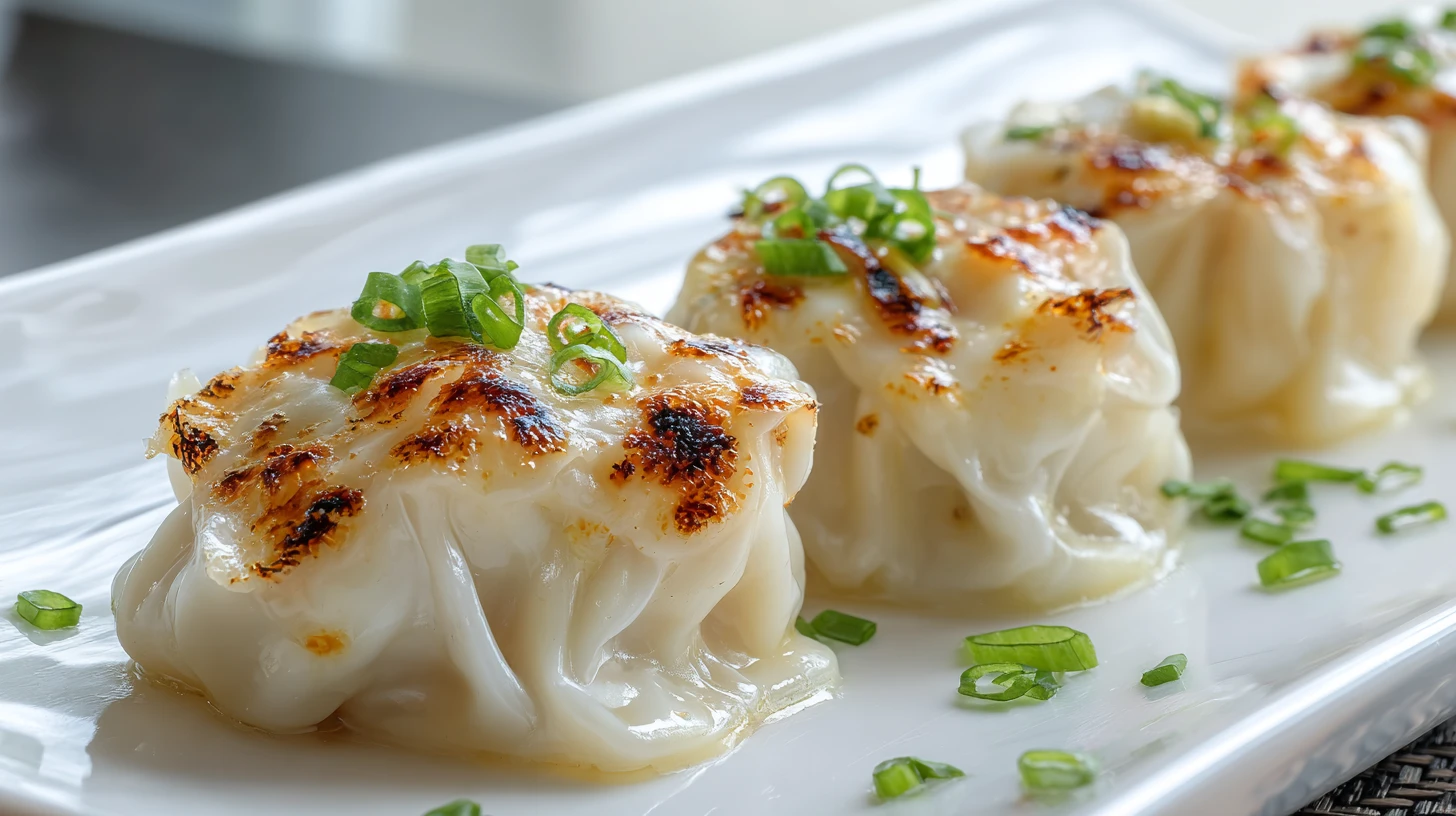
Dimsum Mentai Recipe – Delicious 5-Star Flavor at Home
Dimsum Mentai
Dimsum mentai is a luxurious twist on traditional dim sum, blending the delicate flavors of classic Chinese steamed dumplings with the rich, creamy taste of mentai sauce. Mentai, a Japanese-inspired sauce made from spicy cod roe and mayonnaise, adds a bold umami punch that transforms ordinary dim sum into a gourmet experience. Each bite offers a harmony of textures: the tender, slightly chewy dumpling skin, the savory filling, and the silky, flavorful mentai topping.
What makes dimsum mentai particularly special is its aesthetic appeal. At dimsum restaurants, it’s often plated with precision, showing off vibrant colors and modern plating that aligns with the dimsum aesthetic trend. The dish pairs perfectly with mentai rice or can be enjoyed as a sushi-inspired appetizer in a sushi mentai style. Food lovers appreciate not just the taste but also the Instagram-worthy presentation, making it a favorite for anyone looking to combine flavor with a touch of elegance.
Whether you’re exploring gourmet sushi takeout, aburi sushi ideas, or classic siomai food at home, learning to make dimsum mentai elevates your culinary repertoire. It’s the perfect bridge between dim sum comfort food and sophisticated Japanese-inspired gastronomy.
Why You’ll Love This Recipe
There are several compelling reasons dimsum mentai is worth mastering at home:
Preparation and Cooking Time
This makes dimsum mentai a practical option for weeknight dinners, weekend brunches, or special gatherings without requiring hours in the kitchen.
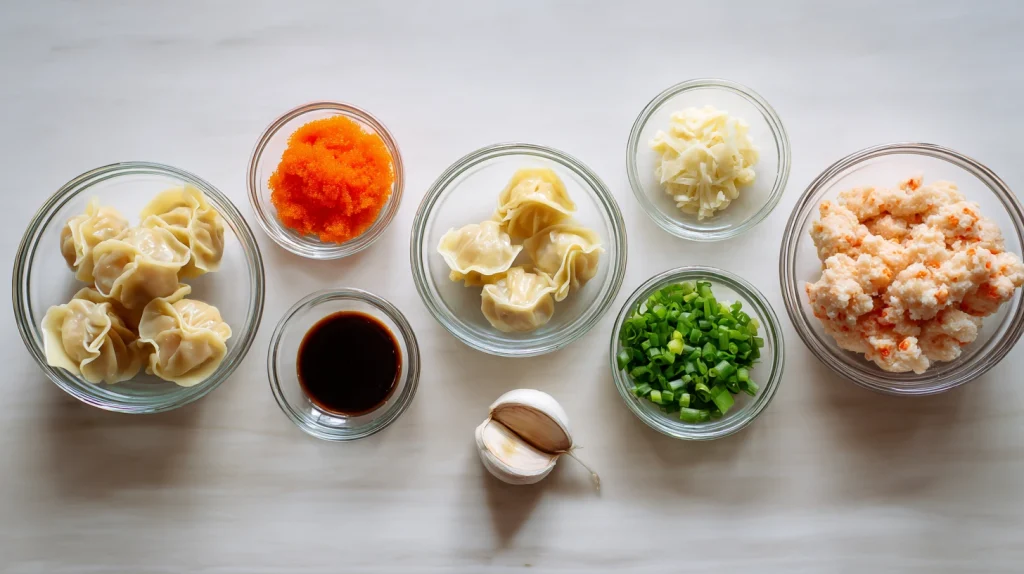
Ingredients
For the Siomai Filling:
For the Mentai Sauce:
For Garnish:
Substitution Notes:
Step-by-Step Instructions
Step 1: Prepare the Filling
In a mixing bowl, combine ground pork, chopped shrimp, grated carrot, water chestnuts, garlic, and ginger. Add soy sauce, sesame oil, sugar, white pepper, and egg. Mix gently but thoroughly until the ingredients are evenly incorporated. This mixture forms the base of your siomai filling, ensuring each bite is packed with flavor.
Step 2: Assemble the Siomai
Place a wonton wrapper on a flat surface. Spoon about 1 tablespoon of filling into the center. Gather the edges up, leaving the top slightly open for the mentai topping. Gently press around the base to secure the filling without tearing the wrapper. Repeat until all wrappers and filling are used.
Step 3: Steam the Siomai
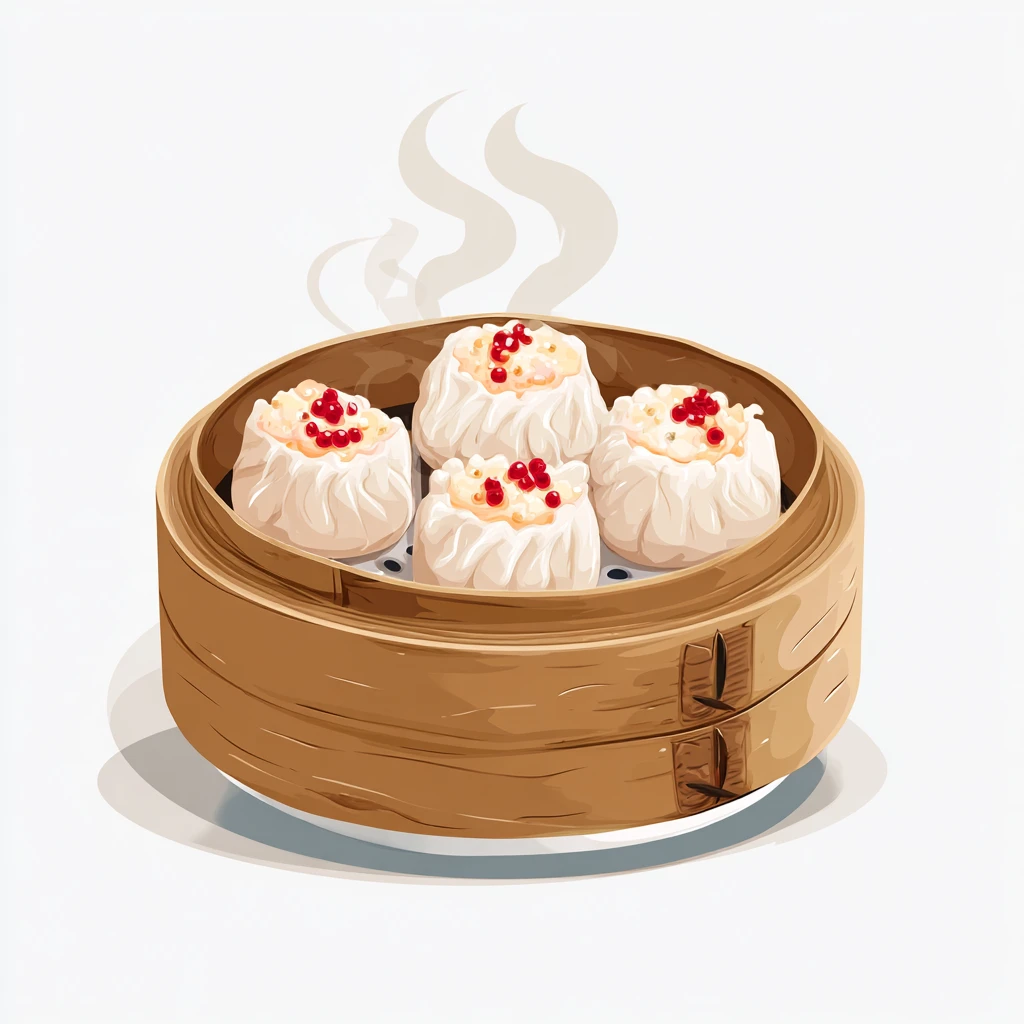
Line a steaming basket with parchment paper or lightly grease it. Arrange the siomai in the basket, ensuring they don’t touch. Steam over boiling water for 10–12 minutes until the filling is cooked through. Proper steaming ensures the dumpling skin remains tender while the filling is juicy.
Step 4: Prepare the Mentai Sauce
In a small bowl, mix mayonnaise with mentaiko and lemon juice. If desired, add chili flakes for extra heat. Stir until smooth. Taste and adjust seasoning if needed. The mentai sauce should be creamy, slightly tangy, and have a subtle kick from the roe.
Step 5: Top the Siomai
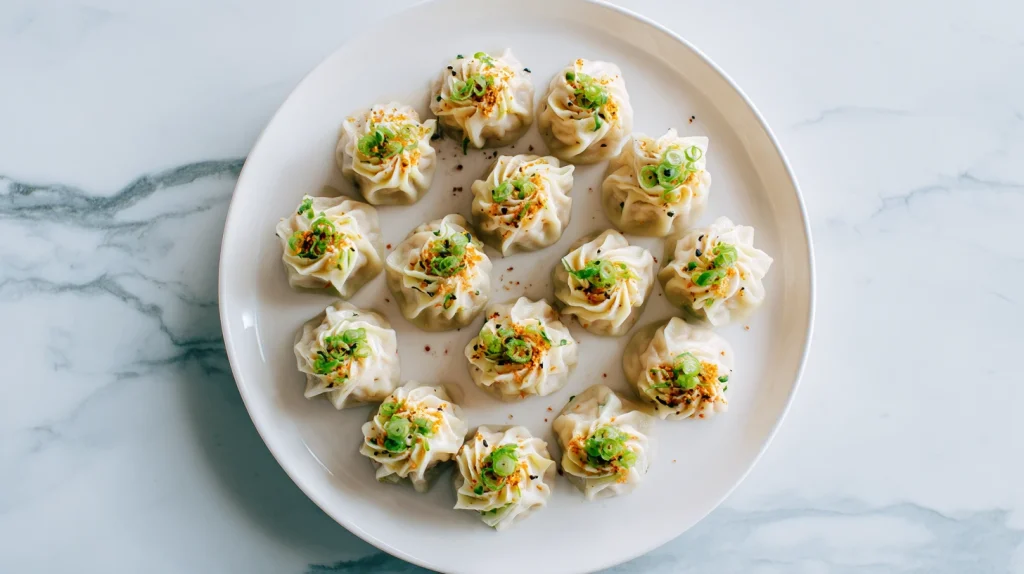
Once the siomai are steamed, spoon a small amount of mentai sauce onto the open tops of each dumpling. For a refined presentation, use a piping bag for even distribution. Optionally, place a small amount of tobiko or masago on top for a vibrant pop of color.
Step 6: Optional Broiling
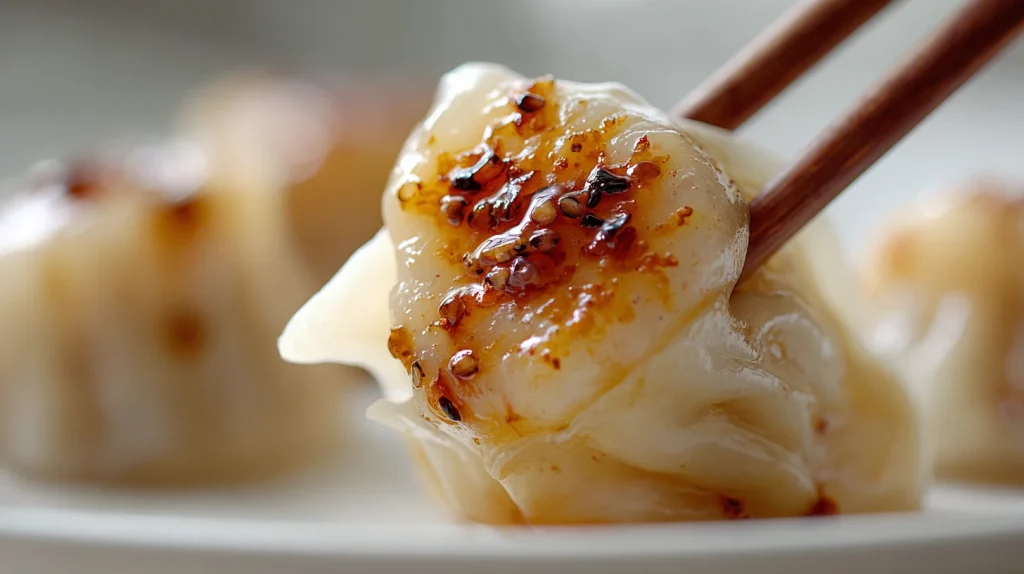
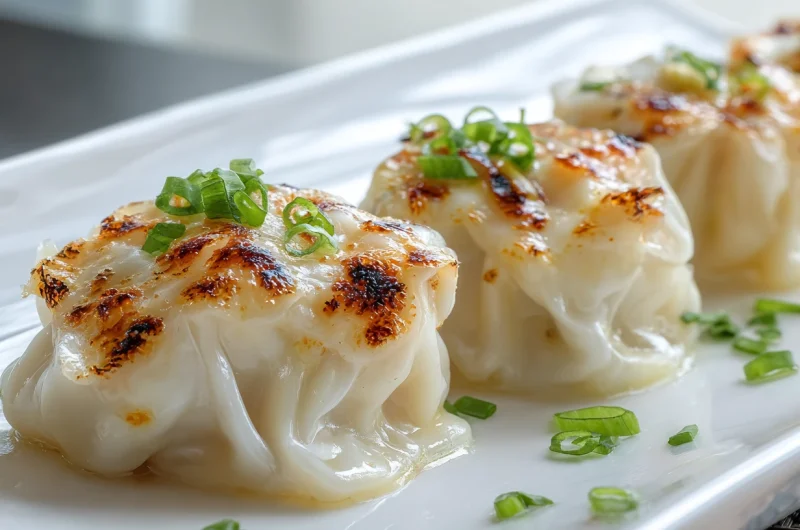
For a baked sushi or aburi sushi effect, place the sauced siomai under a broiler for 1–2 minutes until the mentai sauce lightly browns. Watch carefully to avoid burning. This gives a beautiful caramelized flavor reminiscent of gourmet sushi takeout.
How to Serve
Additional Tips
Recipe Variations
Freezing and Storage
Nutritional Information (Approximate per Serving)
Values may vary depending on ingredients used.
Final Words
Making dimsum mentai at home is more than just preparing a meal it’s an experience that combines artistry, technique, and flavor. Each step, from gently mixing the siomai filling to carefully steaming the dumplings, allows you to engage with the food in a way that elevates simple ingredients into a gourmet creation. Unlike takeout or ordering dim sum online, cooking at home gives you complete control over every element the freshness of the seafood, the seasoning of the pork, and the richness of the mentai sauce. This not only ensures maximum flavor but also provides a sense of accomplishment and pride in crafting something beautiful and delicious.
Every perfectly wrapped siomai, topped with velvety mentai sauce, demonstrates the harmony of taste and texture that makes this dish so universally loved. Beyond the technical satisfaction, dimsum mentai offers versatility and creativity that encourages culinary exploration.
You can experiment with seafood combinations, vegetarian alternatives, or even aburi-style baked toppings, transforming this classic dish into your own signature creation. Serving it at home allows you to curate a visually stunning presentation, perfect for family dinners, special occasions, or even food photography, reflecting the dimsum aesthetic and mentai rice aesthetic trends. By mastering this recipe, you not only enjoy the indulgent flavors of dimsum mentai but also gain skills that enhance your broader cooking repertoire, from making sushi dumplings to preparing gourmet seafood dishes. Cooking this dish at home turns an ordinary meal into a memorable dining experience that delights both the palate and the eyes.
FAQ’s
Dimsum Mentai Recipe – Delicious 5-Star Flavor at Home
Course: Dinner Recipes6
servings30
minutes15
minutes280
kcalIngredients
- For the Siomai Filling:
250g ground pork
150g shrimp, peeled and chopped finely
1 small carrot, grated
2 tbsp water chestnuts, finely chopped
2 cloves garlic, minced
1 tsp ginger, minced
1 tbsp soy sauce
1 tsp sesame oil
1 tsp sugar
½ tsp white pepper
1 egg
20–25 round wonton wrappers
- For the Mentai Sauce:
100g mayonnaise
50g mentaiko (spicy cod roe)
1 tsp lemon juice
½ tsp chili flakes (optional)
- For Garnish:
Spring onions, finely chopped
Tobiko or masago (optional for color)
Directions
- In a mixing bowl, combine ground pork, chopped shrimp, grated carrot, water chestnuts, garlic, and ginger. Add soy sauce, sesame oil, sugar, white pepper, and egg. Mix gently but thoroughly until the ingredients are evenly incorporated. This mixture forms the base of your siomai filling, ensuring each bite is packed with flavor.
- Place a wonton wrapper on a flat surface. Spoon about 1 tablespoon of filling into the center. Gather the edges up, leaving the top slightly open for the mentai topping. Gently press around the base to secure the filling without tearing the wrapper. Repeat until all wrappers and filling are used.
- Line a steaming basket with parchment paper or lightly grease it. Arrange the siomai in the basket, ensuring they don’t touch. Steam over boiling water for 10–12 minutes until the filling is cooked through. Proper steaming ensures the dumpling skin remains tender while the filling is juicy.
- In a small bowl, mix mayonnaise with mentaiko and lemon juice. If desired, add chili flakes for extra heat. Stir until smooth. Taste and adjust seasoning if needed. The mentai sauce should be creamy, slightly tangy, and have a subtle kick from the roe.
- Once the siomai are steamed, spoon a small amount of mentai sauce onto the open tops of each dumpling. For a refined presentation, use a piping bag for even distribution. Optionally, place a small amount of tobiko or masago on top for a vibrant pop of color.
- For a baked sushi or aburi sushi effect, place the sauced siomai under a broiler for 1–2 minutes until the mentai sauce lightly browns. Watch carefully to avoid burning. This gives a beautiful caramelized flavor reminiscent of gourmet sushi takeout.