

Perfect Easter Macarons Recipe – Soft Pastel Bakery Style
Easter Macarons
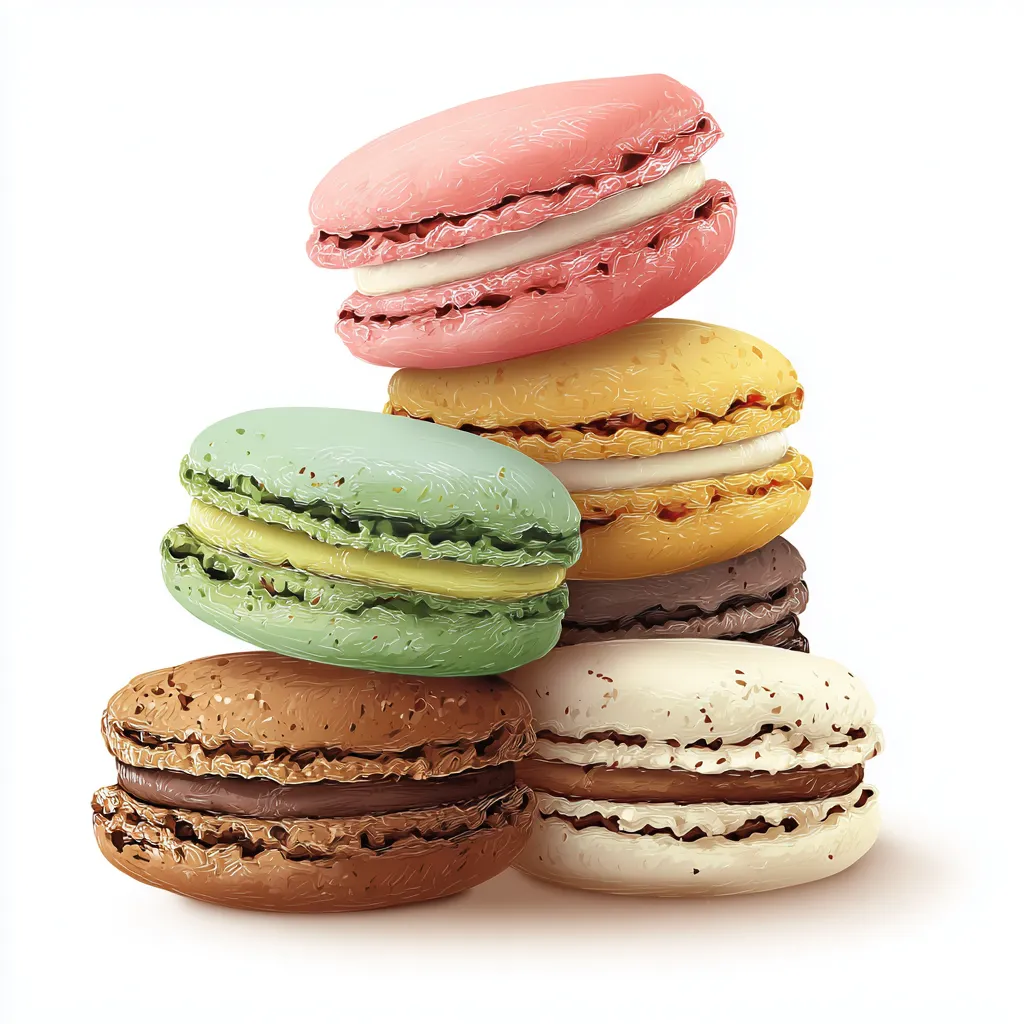
Easter macarons are delicate French sandwich cookies dressed in soft pastel colors, filled with creamy centers, and decorated with playful spring details that make them perfect for the season. They look elegant and festive at the same time, which is why they stand out among classic Easter baked goods. When you bite into one, the thin shell cracks lightly, then melts into a chewy center and smooth filling. That contrast of crisp and tender is what makes a macaron special.
For Easter, these little cookies become even more charming. Think light pinks, pale yellows, mint greens, and baby blues that match a pastel Easter aesthetic. Shapes can resemble eggs, carrots, or tiny bunnies. Flavors lean toward fresh and bright notes like lemon, raspberry, vanilla bean, coconut, and white chocolate. Because of their clean look and soft colors, they fit beautifully on dessert tables next to bunny themed desserts and Peter Rabbit desserts.
Many home cooks feel nervous about making macarons, but once you understand the method, they become predictable and reliable. As a chef, I treat macarons like a formula rather than a mystery. Measure carefully, mix properly, and control your oven. When you follow those steps, easter macarons turn from intimidating to enjoyable.
These cookies are not only pretty. They are thoughtful homemade gifts, perfect for spring gatherings, and fun to customize. You can create Easter macarons flavors that reflect your family’s favorites or match your party theme. That freedom is what makes them such a joy to bake.
Why You’ll Love This Recipe
This recipe focuses on clarity and consistency. Instead of complicated tricks, it uses simple steps that work every time. You get a stable meringue, smooth batter, and shells that rise with neat feet and flat tops. That means professional looking results at home.
You will also love how adaptable these spring macarons are. Once you master the base shell, you can color and flavor them in endless ways. Make spring pastel macarons for brunch, egg macarons for kids, or carrot themed macarons for a playful dessert tray. One recipe supports many looks. The texture is reliable. The shells stay crisp on the outside and slightly chewy inside, not hollow or sticky. Fillings are balanced so they do not overpower the almond flavor. Every bite tastes clean and refined.

These easter macarons store well, which makes them perfect for planning ahead. You can bake them a day or two early and still serve them fresh. For holidays, that kind of flexibility saves time and stress. Finally, they look impressive. Even a simple macaroon decor style with sprinkles or edible paint gives bakery level charm. Guests often assume macarons are difficult or store bought, so serving homemade ones always surprises people.
Preparation and Cooking Time, also serving
Ingredients
Macaron shells
Buttercream filling
Optional decorations
Substitution notes
Step by Step Instructions
Step 1: Prepare your tools
Line two baking sheets with parchment paper or silicone mats. Fit a piping bag with a round tip. Weigh every ingredient with a kitchen scale. Macarons depend on precision, so measuring by volume leads to uneven results.
Step 2: Sift the dry mixture
Combine almond flour and powdered sugar in a bowl. Sift them together twice. This removes lumps and creates smoother tops. If you see large almond pieces, discard them. Fine texture is key for delicate shells.
Step 3: Whip the meringue
Place egg whites and salt in a clean bowl. Start mixing on medium speed until foamy. Gradually add granulated sugar. Increase speed and whip until glossy stiff peaks form. The meringue should stand straight when you lift the whisk. Add vanilla and gel coloring. Mix briefly until evenly tinted. Soft pastel colors suit the pastel Easter aesthetic best.
Step 4: Combine and fold
Add the dry ingredients to the meringue in two additions. Fold gently with a spatula. Scrape around the bowl and press the batter against the sides to remove excess air. The batter should flow like thick ribbon and settle smoothly within 10 seconds. This stage is often called macaronage. Stop mixing as soon as you reach that consistency.
Step 5: Pipe the shells
Transfer batter to the piping bag. Pipe small circles about 3 centimeters wide, keeping the bag straight up and down. Tap the tray firmly on the counter to release air bubbles. Pop any visible bubbles with a toothpick. For Easter egg macarons or egg macarons, pipe oval shapes. For bunny macarons, pipe one large circle and two small ears. Work slowly and keep shapes consistent.
Step 6: Rest the shells
Let the trays sit uncovered until a thin skin forms. When you touch the top lightly, it should not stick to your finger. This step helps the macarons rise evenly and form their signature feet.
Step 7: Bake
Preheat the oven to 150 C or 300 F. Bake one tray at a time in the center rack for 14 to 16 minutes. The shells should not wobble when gently touched. Remove from the oven and let cool completely before peeling off the parchment. Warm shells can stick or break.
Step 8: Make the filling
Beat butter until smooth and creamy. Add powdered sugar gradually. Mix in cream and flavoring until fluffy and pipeable. The texture should be soft but hold shape.
Step 9: Fill and assemble
Match similar sized shells. Pipe a small amount of filling onto one shell and gently press another on top. Do not overfill. A thin layer keeps the cookie balanced.
Step 10: Decorate
Use melted chocolate, pastel sprinkles, or edible paint for macaroon decor. Draw tiny faces for Peter Rabbit macarons or add green stripes for carrot themed macarons. Let decorations set before storing.
How to Serve
Additional Tips

Recipe Variations
Freezing and Storage
Nutritional Information
Values vary depending on fillings and decorations
Final Words
Making easter macarons at home feels like creating tiny pieces of edible art. At first, the process might seem technical, but once you slow down and follow each step, it becomes calm and almost therapeutic. Weighing, whipping, folding, and piping turn into a rhythm. The reward is a tray of perfectly smooth shells that look like they came from a professional bakery.
These cookies bring more than flavor. They bring personality to your holiday table. You can design spring macarons that match your decor, experiment with Easter macarons ideas for shapes and colors, or create playful bunny themed desserts that make kids smile. Few treats offer that mix of elegance and fun.
I always encourage home cooks to try recipes that feel slightly challenging because that is where real confidence grows. Once you master easter macarons, many other pastries become easier. You gain control over technique, timing, and texture. That skill stays with you in every future bake. So gather your ingredients, choose your favorite pastel shades, and enjoy the process. Your kitchen will smell sweet, your table will look beautiful, and you will have a dessert worth sharing.
FAQ’s

Perfect Easter Macarons Recipe – Soft Pastel Bakery Style
Course: Desserts24
servings30
minutes16
minutes110
kcalIngredients
- Macaron shells
120 g almond flour, very fine and sifted
200 g powdered sugar
100 g egg whites, room temperature
100 g granulated sugar
1 teaspoon vanilla extract
Gel food coloring in pastel shades
Pinch of salt
- Buttercream filling
115 g unsalted butter, soft
200 g powdered sugar, sifted
2 to 3 tablespoons heavy cream
1 teaspoon vanilla or chosen flavor extract
- Optional decorations
White chocolate for drizzling
Edible glitter or pearl dust
Small sprinkles
Food safe paint or markers for bunny or egg details
Directions
- Line two baking sheets with parchment paper or silicone mats. Fit a piping bag with a round tip. Weigh every ingredient with a kitchen scale. Macarons depend on precision, so measuring by volume leads to uneven results.
- Combine almond flour and powdered sugar in a bowl. Sift them together twice. This removes lumps and creates smoother tops. If you see large almond pieces, discard them. Fine texture is key for delicate shells.
- Place egg whites and salt in a clean bowl. Start mixing on medium speed until foamy. Gradually add granulated sugar. Increase speed and whip until glossy stiff peaks form. The meringue should stand straight when you lift the whisk. Add vanilla and gel coloring. Mix briefly until evenly tinted. Soft pastel colors suit the pastel Easter aesthetic best.
- Add the dry ingredients to the meringue in two additions. Fold gently with a spatula. Scrape around the bowl and press the batter against the sides to remove excess air. The batter should flow like thick ribbon and settle smoothly within 10 seconds. This stage is often called macaronage. Stop mixing as soon as you reach that consistency.
- Transfer batter to the piping bag. Pipe small circles about 3 centimeters wide, keeping the bag straight up and down. Tap the tray firmly on the counter to release air bubbles. Pop any visible bubbles with a toothpick. For Easter egg macarons or egg macarons, pipe oval shapes. For bunny macarons, pipe one large circle and two small ears. Work slowly and keep shapes consistent.
- Let the trays sit uncovered until a thin skin forms. When you touch the top lightly, it should not stick to your finger. This step helps the macarons rise evenly and form their signature feet.
- Preheat the oven to 150 C or 300 F. Bake one tray at a time in the center rack for 14 to 16 minutes. The shells should not wobble when gently touched. Remove from the oven and let cool completely before peeling off the parchment. Warm shells can stick or break.
- Beat butter until smooth and creamy. Add powdered sugar gradually. Mix in cream and flavoring until fluffy and pipeable. The texture should be soft but hold shape.
- Match similar sized shells. Pipe a small amount of filling onto one shell and gently press another on top. Do not overfill. A thin layer keeps the cookie balanced.
- Use melted chocolate, pastel sprinkles, or edible paint for macaroon decor. Draw tiny faces for Peter Rabbit macarons or add green stripes for carrot themed macarons. Let decorations set before storing.


