

Flaky Pie Crust Recipe – Buttery & Easy To Make
Flaky Pie Crust Recipe
A truly flaky pie crust is the foundation of countless desserts and savory pies. It’s not just about taste it’s about texture, aroma, and the satisfying crunch that contrasts perfectly with creamy or juicy fillings. A flaky pie crust recipe transforms simple ingredients flour, butter, water, and a pinch of salt into delicate layers that melt in your mouth.
What makes this pie crust special is its versatility. It can cradle a sweet apple filling for dessert, encase a rich quiche for brunch, or form the base of an elegant tart. Properly made, it tastes buttery, tender, and light while maintaining enough structure to hold any filling. People love it because it elevates even the simplest dish, making home-baked pies taste like they came from a gourmet bakery.
Whether you aim for a thick flaky pie crust or a delicate, thin pastry crust flaky enough to lift with a fork, mastering this recipe gives you the confidence to tackle any flakey pie crust recipes or baking project.
Why You’ll Love This Recipe
This flaky pie crust recipe is designed to give you reliable, consistent results every time. Unlike some pastry methods that require advanced techniques, this approach simplifies the process while preserving all the buttery layers that make pies unforgettable.
You will love this recipe because it produces a tender, crisp crust with visible, light layers that flake beautifully when baked. Every bite is buttery and structured, making it suitable for both sweet and savory dishes. The technique is rooted in classic pastry methods like those in Martha Stewart pie crust recipe all butter but adapted for ease and home kitchens.
This recipe also teaches you essential skills like cutting in butter, managing cold ingredients, and handling dough without overworking it. By mastering this method, you can confidently create everything from thick flaky pie crusts to thin, elegant tart bases.
Preparation and Cooking Time
Ingredients
For the pie crust:
Substitution notes
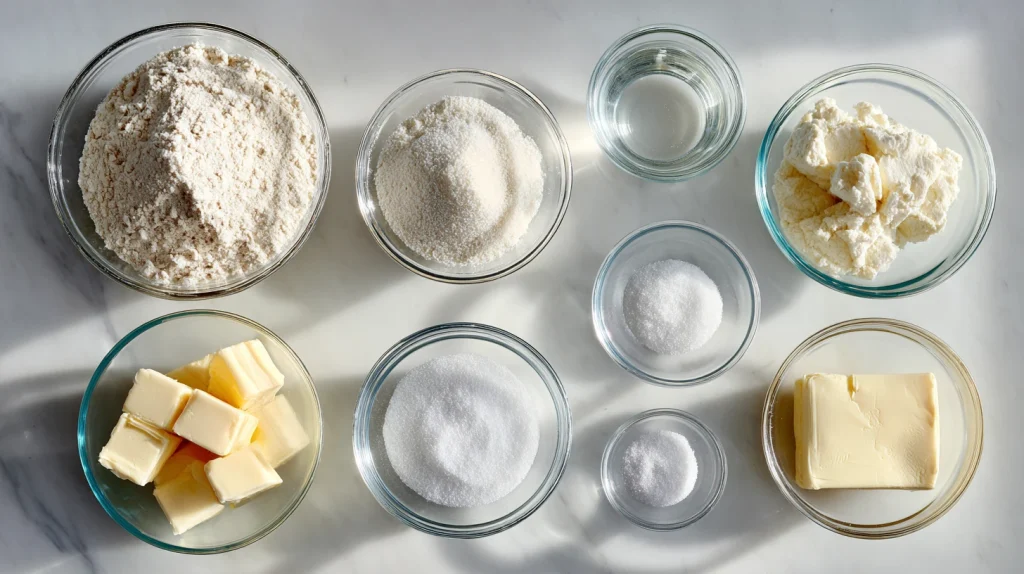
Butter can be substituted with half butter, half shortening for a slightly different flakey texture. Gluten-free flour blends can replace all-purpose flour if needed. Ice water is essential; you can use ice cubes wrapped in a clean towel to maintain dough temperature.
Step-by-Step Instructions
Step 1: Prepare Ingredients and Tools
Measure all ingredients precisely. Cut butter into small, uniform cubes and place it in the freezer for 10–15 minutes if it has softened. Chill your mixing bowl and pastry cutter if possible. Keep ice water ready. Cold ingredients are the key to pastry crust flaky layers.
Step 2: Mix Dry Ingredients
In a large bowl, whisk together the flour and salt. This ensures even distribution and prevents pockets of salt in the dough.
Step 3: Cut in the Butter
Add the cold butter cubes to the flour. Using a pastry cutter, two knives, or your fingertips, cut the butter into the flour until pieces are the size of small peas. Some larger chunks are okay they create flakey layers. Avoid overworking; the butter should remain cold.
Step 4: Add Ice Water
Sprinkle ice water gradually over the flour-butter mixture. Mix lightly with a fork until the dough starts to hold together. Add water slowly you may not need it all. The dough should just come together without being sticky.
Step 5: Form the Dough
Gather the dough into a ball. Divide it into two discs if making a double-crust pie. Wrap each disc tightly in plastic wrap and chill in the refrigerator for at least 1 hour. Chilling helps the butter firm up again, creating steam pockets for flakey layers during baking.
Step 6: Roll Out the Dough
Lightly flour your work surface. Roll out the dough from the center outward into a circle slightly larger than your pie pan. Rotate the dough occasionally to maintain even thickness. Handle gently to preserve the cold butter.
Step 7: Transfer to Pie Pan
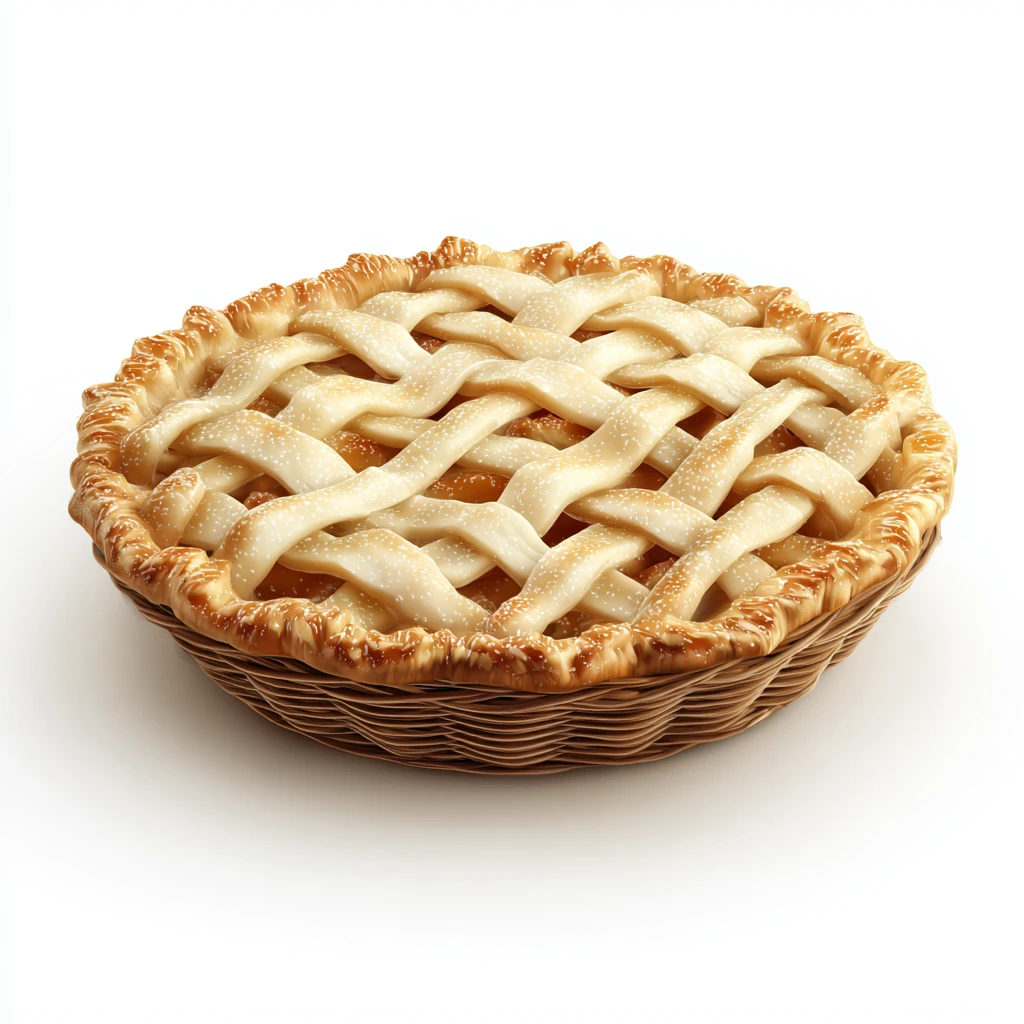
Carefully transfer the rolled dough to the pie pan. Gently press it into place without stretching. Trim excess edges and fold the edges under, crimping as desired for a decorative finish.
Step 8: Pre-Bake or Fill
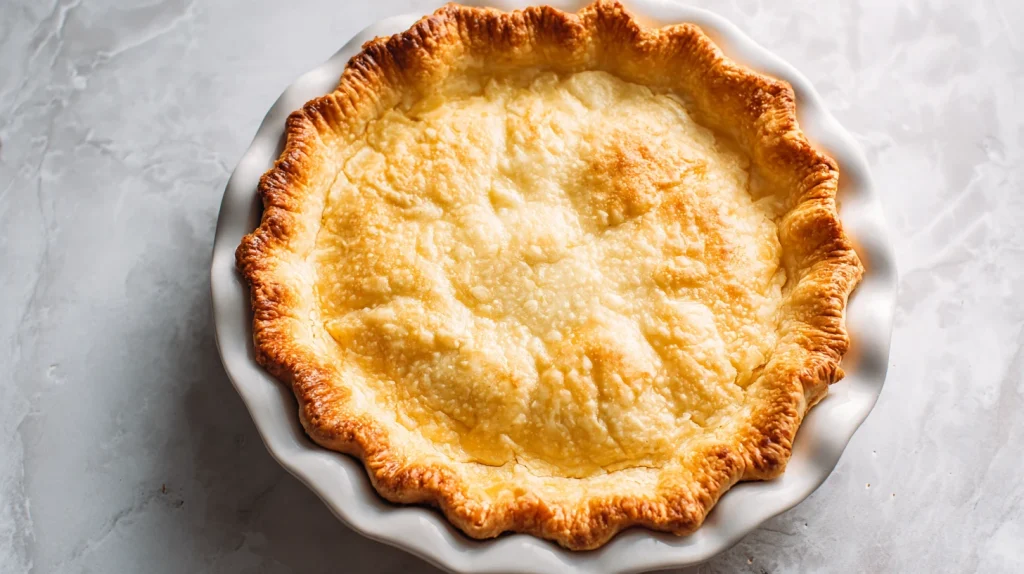
For pre-baked crusts, line the dough with parchment and add pie weights or dried beans. Bake at 180°C for 20–25 minutes until lightly golden. Remove weights and bake 5–10 minutes more. For filled pies, fill your crust and bake according to the recipe instructions (35–45 minutes is typical for fruit or custard pies).
Step 9: Cool and Serve
Allow the pie to cool slightly before slicing to maintain structure. Serve plain or with your favorite dessert toppings. A flaky crust is at its best fresh from the oven but remains enjoyable for several hours.
How to Serve
A flaky pie crust is incredibly versatile and can elevate any dish sweet or savory. For desserts, slice the pie carefully using a sharp knife dipped in warm water between cuts. This ensures clean edges and maintains the crisp, buttery layers. Serve slices on plain white plates to highlight the golden crust, or use decorative dessert plates for special occasions.
Enhance sweet pies with accompaniments like a dollop of lightly whipped cream, a drizzle of fruit coulis, or fresh berries such as raspberries, strawberries, or blueberries. For savory pies, pair slices with a crisp green salad, roasted vegetables, or a side of lightly dressed arugula to balance richness.
A few presentation tips: brushing the crust with an egg wash before baking gives a shiny, golden finish, while a light sprinkle of coarse sugar adds sparkle to sweet pies. Garnish with fresh herbs for savory pies or thin lemon zest curls for fruit-filled desserts. These small touches make your pie look bakery-level elegant while keeping the preparation approachable for home cooks.
Remember, a thick flaky pie crust can hold substantial fillings beautifully, so don’t worry about heavy fruit, custard, or meat mixtures. The layers inside the crust will remain tender, crisp, and buttery, giving every bite a perfect contrast of texture.
Secret Behind This Recipe
The secret to a truly flaky crust lies in temperature control and minimal handling. Cold butter creates layers as it melts during baking, producing the classic “flakiness” that defines a perfect crust. Chilling the dough before rolling ensures the butter stays solid until baked. Light, gentle mixing prevents gluten overdevelopment, keeping the pastry tender.
The folding technique during dough formation can create extra layers. Each fold traps butter and flour, which steam during baking for a beautifully layered, airy structure.
Recipe Variations
Additional Tips
Freezing and Storage
Nutritional Information
Approximate values per serving (1/8 pie):
Values vary depending on butter and flour brands.
Final Words
Mastering a flaky pie crust recipe is a game-changer in your home baking. This crust is the foundation for countless desserts, from classic apple pies to decadent custard tarts, and even savory quiches or pot pies. By following the steps in this recipe, you gain not just a delicious result, but the knowledge to create perfectly layered, buttery, and crisp pastries every time.
Cooking this at home allows you to control the quality of ingredients, the thickness of the crust, and the level of flakiness, which is something store-bought crusts can never replicate. It’s also a confidence booster once you master the technique, you can experiment with different flavors, fillings, or decorative edges without fear.
Whether you are baking for a family dinner, a spring dessert, a summer birthday, or simply to enjoy incredible homemade pastries, this flaky pie crust delivers elegance, flavor, and that unmistakable crunch that everyone loves. Each slice is a testament to careful preparation, patience, and the satisfaction of baking from scratch.
With this recipe, you’re not just making pie; you’re creating a centerpiece that brings people together and makes every bite memorable. A well-made flaky pie crust is more than pastry it’s a culinary accomplishment that turns home baking into an art.
FAQs
Flaky Pie Crust Recipe – Buttery & Easy To Make
Course: Desserts9
servings25
minutes1
hour320
kcalIngredients
- For the pie crust:
250 grams all-purpose flour
1 teaspoon salt
200 grams unsalted butter, very cold, cut into cubes
60–80 milliliters ice water, adjust as needed
Directions
- Measure all ingredients precisely. Cut butter into small, uniform cubes and place it in the freezer for 10–15 minutes if it has softened. Chill your mixing bowl and pastry cutter if possible. Keep ice water ready. Cold ingredients are the key to pastry crust flaky layers.
- In a large bowl, whisk together the flour and salt. This ensures even distribution and prevents pockets of salt in the dough.
- Add the cold butter cubes to the flour. Using a pastry cutter, two knives, or your fingertips, cut the butter into the flour until pieces are the size of small peas. Some larger chunks are okay they create flakey layers. Avoid overworking; the butter should remain cold.
- Sprinkle ice water gradually over the flour-butter mixture. Mix lightly with a fork until the dough starts to hold together. Add water slowly you may not need it all. The dough should just come together without being sticky.
- Gather the dough into a ball. Divide it into two discs if making a double-crust pie. Wrap each disc tightly in plastic wrap and chill in the refrigerator for at least 1 hour. Chilling helps the butter firm up again, creating steam pockets for flakey layers during baking.
- Lightly flour your work surface. Roll out the dough from the center outward into a circle slightly larger than your pie pan. Rotate the dough occasionally to maintain even thickness. Handle gently to preserve the cold butter.
- Carefully transfer the rolled dough to the pie pan. Gently press it into place without stretching. Trim excess edges and fold the edges under, crimping as desired for a decorative finish.
- For pre-baked crusts, line the dough with parchment and add pie weights or dried beans. Bake at 180°C for 20–25 minutes until lightly golden. Remove weights and bake 5–10 minutes more. For filled pies, fill your crust and bake according to the recipe instructions (35–45 minutes is typical for fruit or custard pies).
- Allow the pie to cool slightly before slicing to maintain structure. Serve plain or with your favorite dessert toppings. A flaky crust is at its best fresh from the oven but remains enjoyable for several hours.