
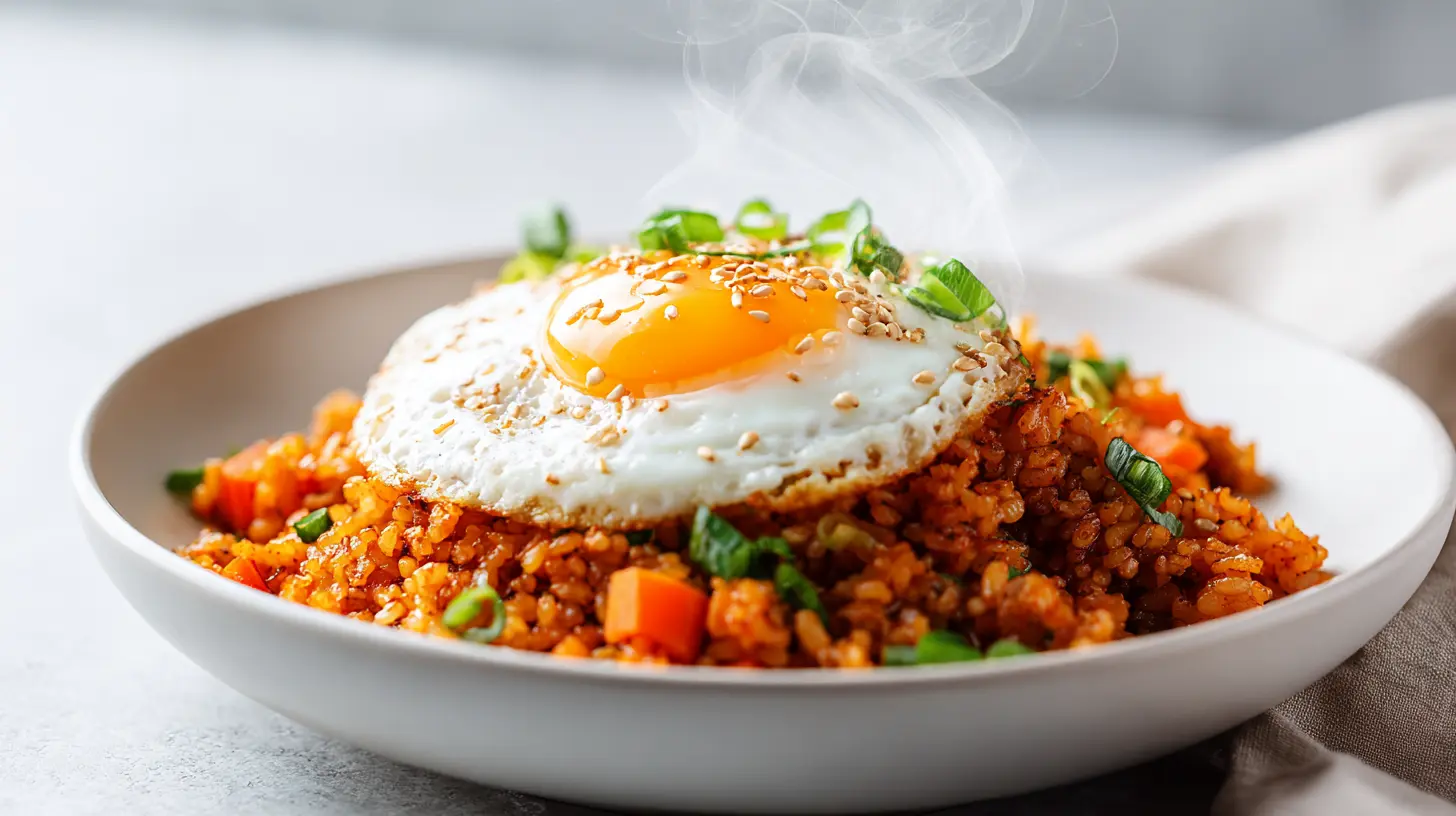
Korean Fried Rice Recipe – Easy Homemade Korean Rice
Introduction to Korean Fried Rice
Korean fried rice is a comforting, flavorful, and deeply satisfying meal that perfectly captures the essence of Korean home cooking. It’s quick to make, uses everyday pantry ingredients, and delivers an incredible balance of textures and flavors in every bite. Unlike typical fried rice dishes that rely mainly on soy sauce, Korean fried rice builds flavor from sesame oil, gochujang (Korean chili paste), and aromatic vegetables. These create layers of savoriness, spice, and sweetness that make the dish uniquely Korean.
The beauty of Korean fried rice lies in its simplicity. At its core, it’s rice stir-fried with vegetables and eggs, but it can easily be elevated by adding protein like pork, chicken, shrimp, or tofu. Many home cooks also stir in kimchi for a tangy and spicy twist that enhances the depth of the dish. The texture of the rice is key: slightly crisp on the outside, soft inside, and perfectly coated with a glossy layer of oil and sauce.
This dish embodies what makes Korean cooking special resourcefulness and bold flavor. It’s a creative way to transform leftover rice into something exciting and comforting. Whether served as a quick lunch, a satisfying dinner, or a late-night snack, Korean fried rice always feels hearty, balanced, and packed with character. It’s one of those dishes that make your kitchen smell amazing, and once you learn how to make it properly, it becomes a recipe you’ll cook again and again.
Why You’ll Love This Recipe
As a chef, I consider Korean fried rice a perfect introduction to Korean home-style cooking because it teaches the fundamentals of balance, heat control, and flavor layering. It’s also one of the most forgiving recipes out there. Even if your knife skills or timing aren’t perfect, you’ll still end up with a delicious meal.
You’ll love this recipe because it gives you real Korean flavors with ingredients you probably already have. The key is understanding how each component contributes to the dish the sesame oil provides a nutty depth, gochujang adds heat and richness, while the eggs mellow the spice and tie everything together. The end result is comforting and complete.
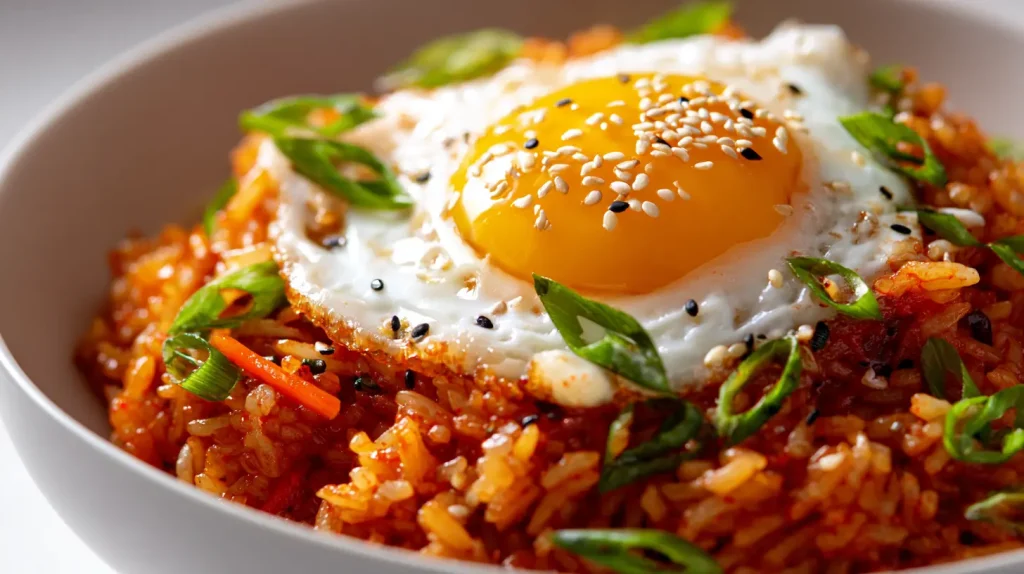
Another reason to love Korean fried rice is its versatility. It fits nearly every diet and mood. You can make it vegetarian, high-protein, or even grain-free by substituting cauliflower rice. It can be served as a side dish to a traditional Japanese ramen meal, as part of a Korean dinner spread with bulgogi or japchae fried rice, or on its own as a quick meal. It’s also an excellent way to explore recipes using kimchi, simple rice cooking tips, and healthy homemade recipes all in one dish.
Finally, it’s fast. Once your ingredients are prepped, the cooking process takes less than 10 minutes. That makes it perfect for busy home cooks who still want a meal that tastes like it came from a professional kitchen.
Preparation and Cooking Time, also Serving
This recipe works best when cooked in a large wok or nonstick skillet so the rice can sear evenly. It’s great for lunch, dinner, or even as a quick snack. Pair it with a fried egg on top for a complete one-bowl meal that looks beautiful and tastes even better.
Ingredients
Main Ingredients
Optional Add-ins
Garnish
Substitution Notes
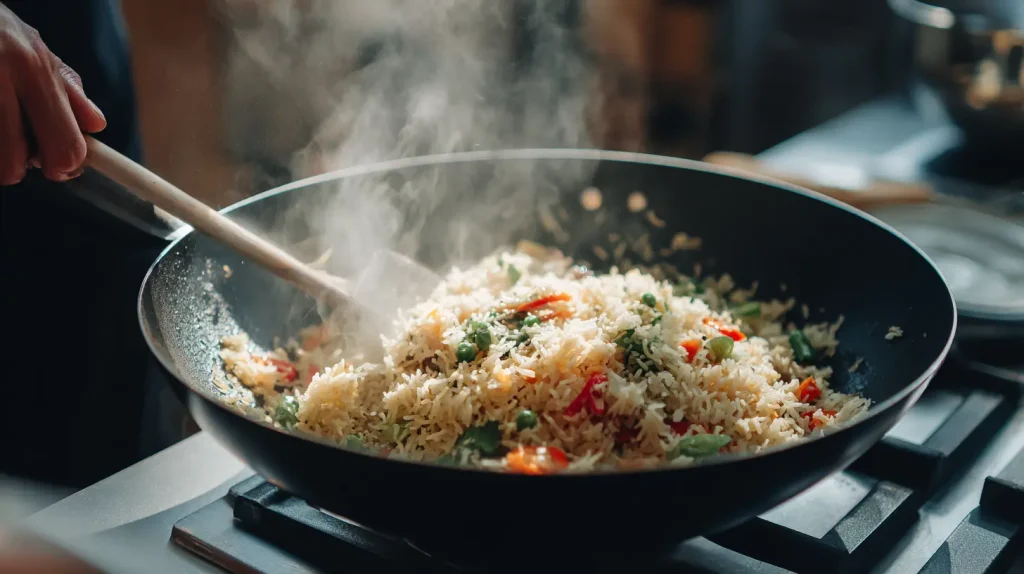
Step-by-Step Instructions
Step 1: Prepare the Rice
Cold rice is essential for making good fried rice. Freshly cooked rice tends to clump and turn mushy when fried. If you only have freshly cooked rice, spread it on a tray and refrigerate for at least 30 minutes to firm it up. Break up any clumps with your fingers before cooking so each grain fries evenly.
Step 2: Heat the Pan and Cook the Aromatics
Set your wok or pan over medium-high heat and add vegetable oil. When the oil is hot but not smoking, add the chopped onion and cook until translucent. Add minced garlic and stir quickly so it doesn’t burn. This step sets the flavor base for the entire dish. The aroma should be rich but not bitter.
Step 3: Add Vegetables and Optional Protein
Toss in diced carrots and other vegetables like zucchini or peas. If you’re using protein such as ham, shrimp, or chicken, add it now and stir-fry until it’s cooked through. The vegetables should still have a slight crunch, not soft or soggy. Stir continuously to prevent burning.
Step 4: Scramble the Eggs
Push the vegetables and meat to one side of the pan and pour the beaten eggs into the empty space. Let them sit for a few seconds until they begin to set, then gently scramble. When they are halfway cooked, mix them with the vegetables. This creates soft, golden pieces of egg distributed evenly through the rice.
Step 5: Add the Rice
Add the cold rice into the pan. Use a spatula or wooden spoon to press and separate the grains. Stir-fry for 2 to 3 minutes until the rice is heated and lightly toasted. The goal is to get each grain slightly crisped without breaking them. Keep the heat high so the rice fries instead of steaming.
Step 6: Season with Sauce
Lower the heat slightly and add soy sauce, gochujang, sesame oil, and a small pinch of salt and pepper. Stir quickly to distribute the sauces evenly. The rice should turn a glossy reddish-brown color from the gochujang. Taste and adjust seasoning if needed. If it feels too spicy, a small drizzle of sugar or honey will balance the heat.
Step 7: Add Green Onions and Finish
Finally, stir in the chopped green onions and toss everything for another 30 seconds. The residual heat will soften them slightly while keeping their freshness intact. Turn off the heat and let the fried rice rest for a minute before serving so the flavors meld.
How to Serve
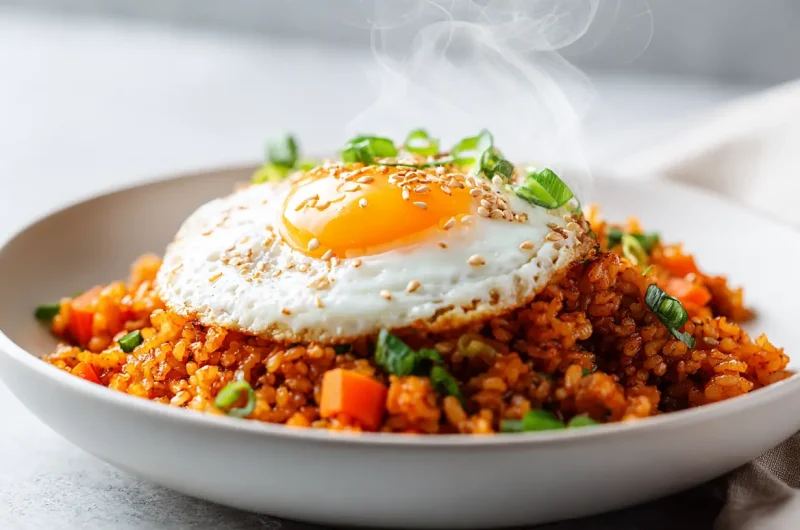
Serve Korean fried rice hot, straight from the pan. For a restaurant-style presentation, pack the rice tightly into a bowl and invert it onto a plate. Top with a fried egg, sunny-side up, so the yolk breaks over the rice when served this adds a beautiful richness and makes the dish feel complete. Sprinkle toasted sesame seeds and extra green onions on top for color and aroma.
It pairs beautifully with light side dishes such as cucumber salad, steamed dumplings, or even a simple bowl of soup. If you enjoy traditional Korean spreads, serve it with kimchi on the side for a spicy contrast. For a more fusion-style meal, pair it with a small serving of a traditional Japanese ramen meal or add a spoonful of kimchi mayo as a dipping sauce.
A small drizzle of extra sesame oil before serving gives it a glossy finish and a deeper nutty flavor that makes every bite more fragrant.
Additional Tips
Recipe Variations
Freezing and Storage
Nutritional Information Approximate per serving
These values can vary depending on added protein or vegetables, but overall Korean fried rice is a balanced meal offering carbs, protein, and essential fats. Using moderate oil and plenty of vegetables keeps it within the range of healthy homemade recipes.
Final Words
Cooking Korean fried rice at home is about mastering technique, not memorizing a recipe. Once you understand the process frying the rice properly, balancing flavors, and layering ingredients in the right order you can adapt it endlessly. It’s a dish that welcomes creativity, whether you’re using leftover rice from last night’s dinner or adding kimchi for boldness.
It’s also a wonderful way to explore Korean food cooking tips, experiment with what to eat kimchi with, and even build your own collection of quick recipes snacks that actually feel satisfying. Every time you make it, you’ll discover something new maybe a better balance of sauce, a different vegetable texture, or a new combination of flavors.
Home cooking doesn’t need to be complicated, and dishes like Korean fried rice prove that. With just a few pantry staples and 20 minutes of time, you can bring an authentic, delicious Korean-inspired meal to your table. Keep it simple, cook confidently, and enjoy the process that’s the real secret behind great food.
FAQ’s
Korean Fried Rice Recipe – Easy Homemade Korean Rice
Course: Rice Recipes3
servings10
minutes10
minutes430
kcalIngredients
- Main Ingredients
3 cups cold cooked rice (day-old rice preferred for best texture)
2 tablespoons vegetable oil
1 tablespoon sesame oil
1 small onion, finely chopped
2 cloves garlic, minced
1 small carrot, diced
½ cup chopped green onions (reserve some for garnish)
½ cup mixed vegetables (zucchini, peas, or bell peppers)
2 large eggs, lightly beaten
2 tablespoons soy sauce
1 tablespoon gochujang (Korean chili paste)
Salt and black pepper to taste
- Optional Add-ins
½ cup diced ham, shrimp, chicken, or tofu
¼ cup kimchi, chopped (for Korean kimchi rice variation)
1 teaspoon sugar if you like a slightly sweet balance
- Garnish
Toasted sesame seeds
Additional green onions
Fried egg on top (optional but highly recommended)
Directions
- Cold rice is essential for making good fried rice. Freshly cooked rice tends to clump and turn mushy when fried. If you only have freshly cooked rice, spread it on a tray and refrigerate for at least 30 minutes to firm it up. Break up any clumps with your fingers before cooking so each grain fries evenly.
- Set your wok or pan over medium-high heat and add vegetable oil. When the oil is hot but not smoking, add the chopped onion and cook until translucent. Add minced garlic and stir quickly so it doesn’t burn. This step sets the flavor base for the entire dish. The aroma should be rich but not bitter.
- Toss in diced carrots and other vegetables like zucchini or peas. If you’re using protein such as ham, shrimp, or chicken, add it now and stir-fry until it’s cooked through. The vegetables should still have a slight crunch, not soft or soggy. Stir continuously to prevent burning.
- Push the vegetables and meat to one side of the pan and pour the beaten eggs into the empty space. Let them sit for a few seconds until they begin to set, then gently scramble. When they are halfway cooked, mix them with the vegetables. This creates soft, golden pieces of egg distributed evenly through the rice.
- Add the cold rice into the pan. Use a spatula or wooden spoon to press and separate the grains. Stir-fry for 2 to 3 minutes until the rice is heated and lightly toasted. The goal is to get each grain slightly crisped without breaking them. Keep the heat high so the rice fries instead of steaming.
- Lower the heat slightly and add soy sauce, gochujang, sesame oil, and a small pinch of salt and pepper. Stir quickly to distribute the sauces evenly. The rice should turn a glossy reddish-brown color from the gochujang. Taste and adjust seasoning if needed. If it feels too spicy, a small drizzle of sugar or honey will balance the heat.
- Finally, stir in the chopped green onions and toss everything for another 30 seconds. The residual heat will soften them slightly while keeping their freshness intact. Turn off the heat and let the fried rice rest for a minute before serving so the flavors meld.
Notes
- Use leftover rice whenever possible. Fresh rice contains too much moisture and will not fry properly.
- Cook over high heat to give your fried rice that slightly smoky, restaurant-style flavor.
- Avoid overcrowding the pan fry in batches if necessary.
- Do not overuse soy sauce or gochujang at first; it’s easier to add more later than to fix an overly salty or spicy dish.
- Always taste before serving and adjust seasoning as needed.
- If your rice sticks to the pan, reduce the heat slightly or add a small splash of water to release it.
- For extra depth, mix a teaspoon of oyster sauce or fish sauce into the seasoning.