
Lemon Buttercream Frosting That Tastes Fresh, Balanced, and Truly Homemade
Introduction to Lemon Buttercream Frosting
Lemon buttercream frosting is one of those finishes that can completely change a dessert. It brings brightness, balance, and a clean citrus flavor that lifts everything it touches. This frosting is smooth and creamy with a gentle lemon tang that never feels sharp or overpowering. Instead of tasting sugary, it feels fresh and light, even though it is rich and satisfying.
What makes lemon buttercream frosting special is how it blends sweetness with acidity. Butter gives structure and silkiness, while lemon cuts through with just enough freshness. The result is a frosting that feels lively rather than heavy. It pairs beautifully with many desserts, from lemon cupcakes to lemon layer cakes, and even complements flavors like vanilla, blueberry, and strawberry.
People love lemon buttercream frosting because it feels versatile and dependable. It works for casual home baking and special occasions alike. Whether you are frosting a simple sheet cake or decorating a celebration cake, this lemon buttercream icing adds polish and flavor without complication. It is one of those lemon frosting recipes that earns a permanent place in your baking notes.
Why You’ll Love This Recipe
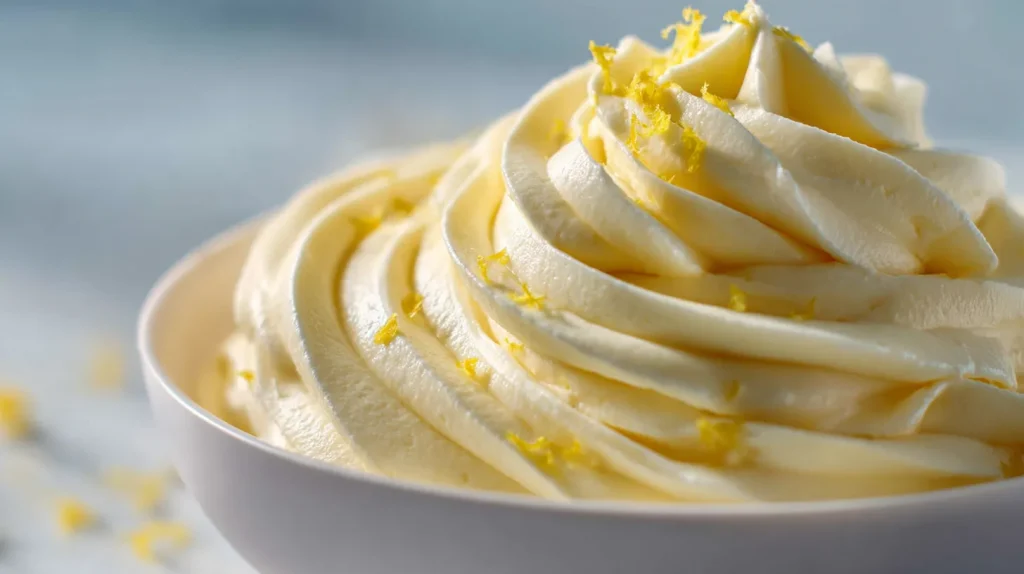
This lemon buttercream frosting recipe is designed to be smooth, stable, and easy to control. It spreads cleanly, pipes well, and holds its shape without feeling stiff. The texture stays creamy rather than grainy, which is often the biggest challenge with homemade frosting recipes.
The lemon flavor is built carefully. Instead of relying only on juice, this recipe uses lemon zest to capture natural oils that carry aroma and depth. This creates a frosting that tastes like real lemon, not artificial lemon icing. The balance allows the frosting to enhance the cake instead of dominating it.
Another reason this recipe stands out is its flexibility. It works equally well as lemon cake icing, lemon cake frosting, or lemon buttercream for cupcakes. You can adjust the intensity slightly to suit lemon cupcakes, lemon layer cakes, or even pair it with desserts like blueberry cinnamon rolls or a delicious strawberry cake. It is reliable, adaptable, and forgiving, which is exactly what home bakers need.
Preparation and Cooking Time, Also Serving
This lemon buttercream frosting comes together quickly, making it ideal when you want a homemade result without a long process.
Ingredients
Substitution Notes
Step by Step Instructions

Step 1: Softening and Preparing the Butter
Start with butter that is soft but not melting. Pressing a finger into the butter should leave an impression without sinking. This texture allows the butter to cream smoothly and hold air, which gives lemon buttercream frosting its light structure.
Place the butter in a mixing bowl and beat on medium speed until smooth and pale. This step is important. Well creamed butter creates a smooth base that prevents gritty frosting later.
Step 2: Building the Sweet Base
Add powdered sugar gradually, mixing on low speed at first. This prevents a cloud of sugar and allows the butter to absorb sweetness evenly. Once incorporated, increase speed slightly and beat until thick and creamy. Scrape down the bowl to ensure even mixing.
Step 3: Adding Lemon Flavor
Add lemon zest first and mix until evenly distributed. This releases the oils and spreads flavor throughout the frosting. Then add lemon juice slowly while mixing. This method keeps the frosting smooth and prevents separation.
Step 4: Adjusting Texture and Finish
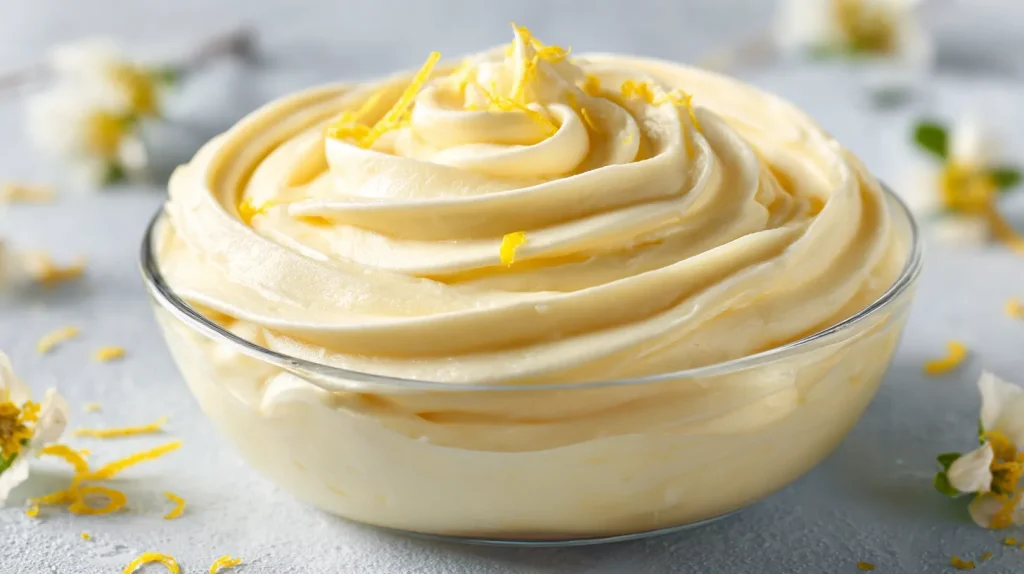
Add cream or milk one tablespoon at a time until the frosting reaches a soft, spreadable consistency. Finish with vanilla extract and salt. Beat briefly until fully smooth. The lemon buttercream frosting should feel silky and hold soft peaks.
How to Serve
Lemon buttercream frosting is at its best when it is treated as a finishing touch rather than just a coating. For cakes, always work at room temperature. A room temperature cake allows the lemon buttercream frosting to glide smoothly and set evenly. Start with a thin crumb coat, especially for lemon layer cakes, then chill briefly before applying the final layer. This method keeps the frosting clean, polished, and professional looking without requiring advanced decorating skills.
When serving lemon cupcakes, piping works beautifully. Use a simple swirl or round tip and keep the height moderate so the frosting feels balanced rather than heavy. Lemon buttercream frosting should complement the cupcake, not overpower it. A light garnish such as finely grated lemon zest or a single blueberry works well, especially when serving desserts inspired by blueberry cinnamon rolls or citrus forward treats.
For sheet cakes or casual bakes, spread the frosting with an offset spatula and leave gentle texture on the surface. This creates a homemade, inviting look that fits well with everyday desserts. Lemon buttercream frosting also works wonderfully as lemon cake icing on sponge cakes, butter cakes, and vanilla cakes where the citrus adds contrast.
Serve frosted desserts at room temperature whenever possible. Cold frosting firms up and dulls the lemon notes. Once warmed slightly, the lemon buttercream icing becomes softer, creamier, and more aromatic. Whether paired with a delicious strawberry cake, layered between lemon cakes, or used to finish lemon cupcakes, this frosting brings freshness and balance to every slice.
Secret Behind This Recipe
The key to excellent lemon buttercream frosting lies in balance and timing. Creaming the butter thoroughly before adding sugar creates a smooth structure that accepts liquid without breaking. Adding zest before juice distributes flavor evenly and prevents pockets of acidity.
Another important detail is salt. A small amount sharpens the lemon flavor and controls sweetness. Without it, lemon icing can taste flat. These small choices are what turn a simple frosting into a dependable, bakery quality result.
Recipe Variations
Additional Tips
Freezing and Storage
Nutritional Information
Final Words
Making lemon buttercream frosting at home is one of those small kitchen skills that quietly transforms your baking. It teaches balance, patience, and attention to texture, all while producing a result that feels refined yet approachable. This frosting shows that homemade frosting recipes do not need to be complicated to taste polished and bakery worthy.
What truly makes lemon buttercream frosting valuable is how adaptable it is. It fits into everyday baking just as easily as it shines on special occasion desserts. You can use it as a light lemon frosting for simple cakes, a smooth lemon cake frosting for celebrations, or a piped lemon buttercream icing for cupcakes and layered desserts. Each time, it delivers a clean citrus flavor that feels intentional and well balanced.
Cooking and baking at home is about control and confidence. When you make your own lemon icing recipe, you decide how sweet it is, how strong the lemon flavor should be, and how soft or firm the texture feels. That control leads to better results and more enjoyable baking experiences. Over time, this frosting becomes less of a recipe and more of a technique you understand and trust.
Lemon buttercream frosting also brings a sense of freshness to desserts that can otherwise feel heavy. It lifts flavors, adds contrast, and makes even simple cakes feel thoughtful. By mastering this recipe, you give yourself a dependable finishing touch that works across many desserts and seasons. It is the kind of recipe that earns a permanent place in your kitchen, not because it is flashy, but because it works beautifully every time.
FAQs
Lemon Buttercream Frosting That Tastes Fresh, Balanced, and Truly Homemade
Course: Desserts24
servings15
minutes10
minutes210
kcalIngredients
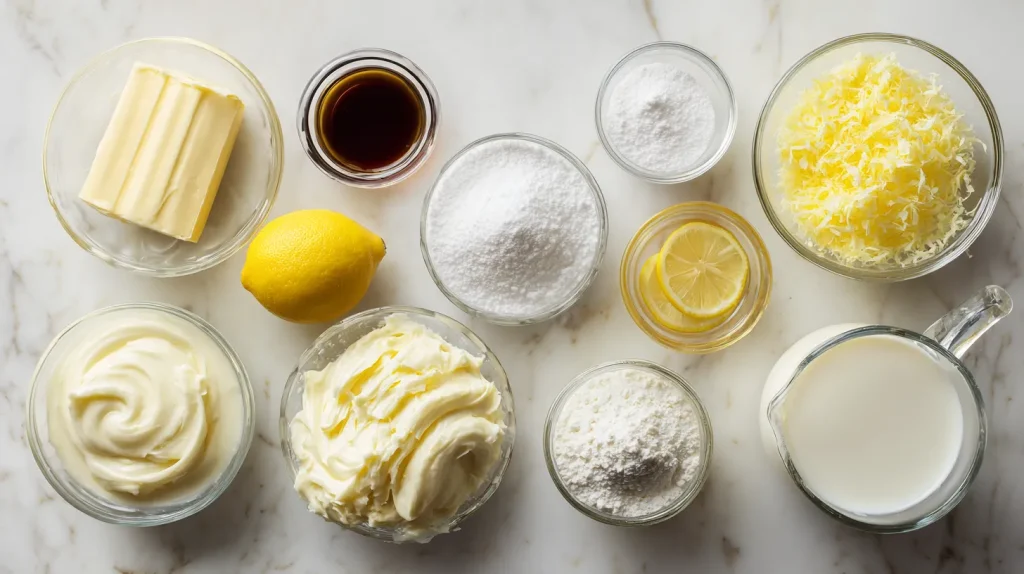
Unsalted butter softened 225 grams
Powdered sugar sifted 500 grams
Fresh lemon juice 3 tablespoons
Lemon zest finely grated 2 teaspoons
Heavy cream or milk 2 to 3 tablespoons
Vanilla extract 1 teaspoon
Salt 0.25 teaspoon
Directions
- Start with butter that is soft but not melting. Pressing a finger into the butter should leave an impression without sinking. This texture allows the butter to cream smoothly and hold air, which gives lemon buttercream frosting its light structure.
Place the butter in a mixing bowl and beat on medium speed until smooth and pale. This step is important. Well creamed butter creates a smooth base that prevents gritty frosting later. - Add powdered sugar gradually, mixing on low speed at first. This prevents a cloud of sugar and allows the butter to absorb sweetness evenly. Once incorporated, increase speed slightly and beat until thick and creamy. Scrape down the bowl to ensure even mixing.
- Add lemon zest first and mix until evenly distributed. This releases the oils and spreads flavor throughout the frosting. Then add lemon juice slowly while mixing. This method keeps the frosting smooth and prevents separation.
- Add cream or milk one tablespoon at a time until the frosting reaches a soft, spreadable consistency. Finish with vanilla extract and salt. Beat briefly until fully smooth. The lemon buttercream frosting should feel silky and hold soft peaks.