Lemon Curd Cake Recipe – Creamy, Bright Citrus Flavor
Special Lemon Curd Cake
A well made lemon curd cake delivers the kind of bright, clean flavor that instantly wakes up your palate. It is soft, moist, and layered with a smooth lemon curd filling that gives each bite a creamy citrus richness. The sweetness is gentle and balanced, while the tartness stays soft and pleasant, never harsh. People love this cake because it feels fresh, light, and luxurious at the same time. It has the elegance of French Lemon Cake, the comforting simplicity of home baked desserts, and the versatility to fit both casual gatherings and special celebrations.
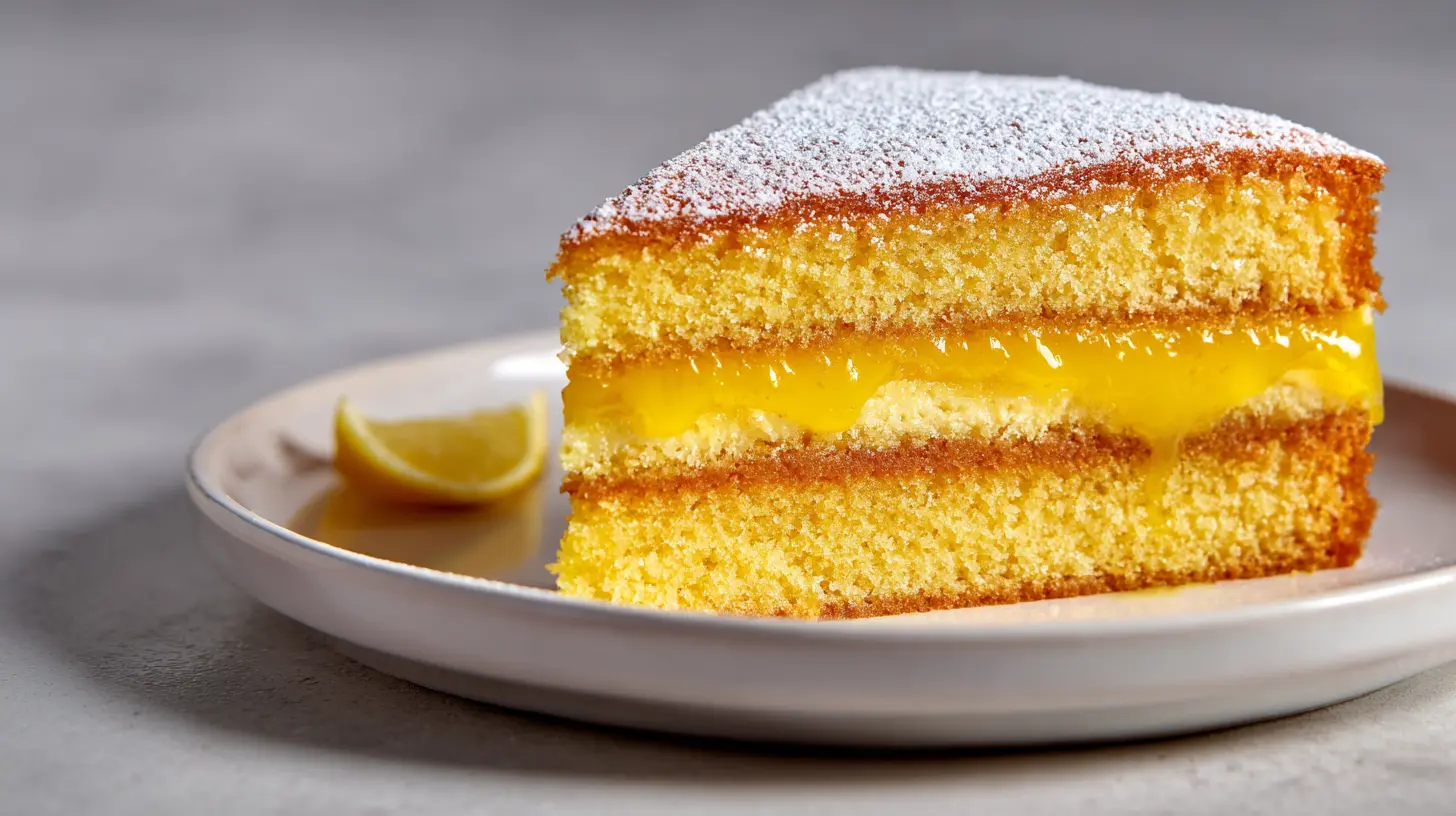
The texture of a proper lemon curd cake should feel tender but structurally sound, holding the curd layers without sogginess. This is achieved by using a well balanced butter cake base and a slow cooked curd that sets into a silky, spoonable consistency. When sliced, the cake reveals bright ribbons of lemon curd that make the dessert look just as good as it tastes. The flavor is smooth and round, offering a perfect contrast of richness and acidity. This makes it one of the most reliable lemon dessert recipes you can keep on hand.
Once you learn the technique, lemon curd cake becomes a recipe you return to over and over again. It falls into that special group of curd desserts that are simple enough for beginners yet refined enough for experienced bakers who want something clean, modern, and citrus forward. Every home cook should know how to make at least one cake with lemon curd, and this version is built to help you master it with confidence.
Why You’ll Love This Recipe
This lemon curd cake works because every component is designed with intention. The sponge is strong enough to hold layers but soft enough to absorb a little moisture from the curd. The curd itself is cooked low and slow to create a smooth texture that spreads evenly and thickens properly once chilled. These techniques ensure that your cake stays clean, tall, and sliceable. You also get a cake that stays moist for several days, developing even more lemon flavor as it rests.
Another thing home cooks love is that the recipe adapts easily. You can turn it into a Lemon Curd Coffee Cake, a simple Cake With Lemon Curd, or combine coconut for a Lemon Coconut Cake. The structure of the batter works reliably with multiple variations, which makes it one of the most versatile cooking recipes desserts. This flexibility also makes it perfect for anyone who enjoys experimenting with different lemon dessert recipes.
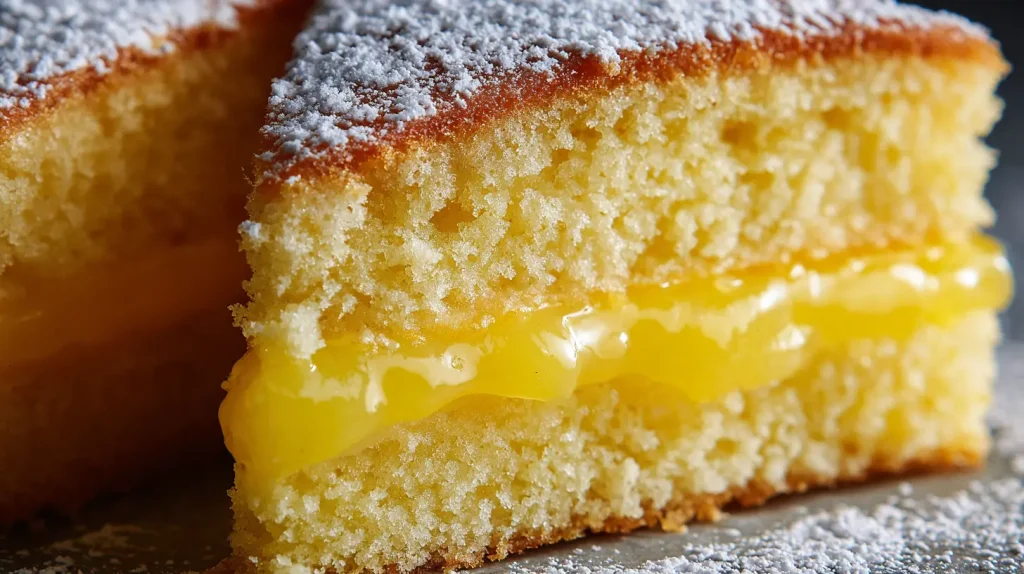
Most importantly, the cake delivers a clean citrus flavor that stands out without being overwhelming. When the ingredients are combined with care, you get a lemon curd cake that tastes professional but requires no complicated steps. It is the perfect combination of achievable and impressive.
Preparation and Cooking Time, also serving
Ingredients
For the Cake
For the Lemon Curd
For the Frosting
Substitution Notes
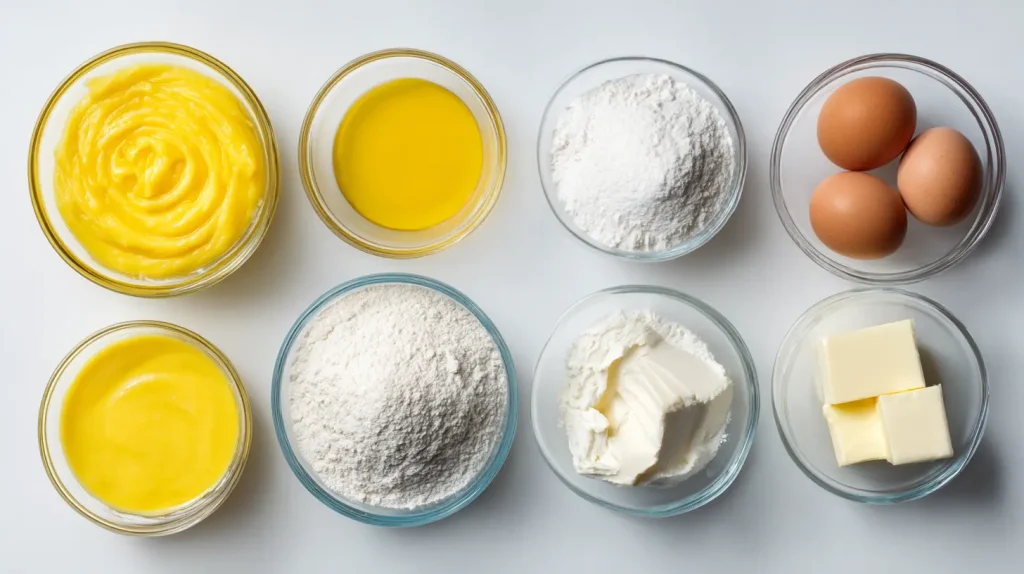
Step by Step Instructions

Step 1: Prepare the Lemon Curd
Set a heat safe bowl over a pot of gently simmering water. Add the lemon juice, lemon zest, sugar, egg yolks, and whole eggs. Stir constantly with a whisk, making sure to scrape the bottom and sides of the bowl. The goal is to cook the mixture slowly so the eggs thicken without curdling. After 8 to 10 minutes the mixture should coat the back of a spoon. Remove from heat and whisk in the cold butter cubes until fully melted. Transfer to a container, press plastic wrap directly on the surface, and chill completely. This gives the curd time to firm up, which is essential for layer stability in a lemon curd cake.
Step 2: Mix the Dry Ingredients
In a large bowl combine the flour, lemon zest, baking powder, baking soda, and salt. Whisk well so the zest distributes evenly and every particle of flour receives the leavening. This ensures even rising and prevents dense pockets in the final cake.
Step 3: Cream the Butter and Sugar
Use a mixer to beat the butter and granulated sugar until light and fluffy. Proper aeration is key because it helps build structure in lemon dessert recipes that rely on butter rather than whipped egg whites. Continue mixing until the color becomes pale and the mixture looks slightly increased in volume.
Step 4: Add the Eggs and Vanilla
Add the eggs one at a time, mixing well after each addition. This prevents the batter from breaking and helps create a smooth base. Stir in the vanilla. The batter should look creamy and cohesive with no streaks of unmixed egg.
Step 5: Add Dry Ingredients and Milk
Alternate adding the dry ingredients and the milk, beginning and ending with the dry mixture. Mix just until combined. Overmixing can make the cake tough, so stop as soon as the flour disappears. The batter will be smooth, medium thick, and lightly scented with lemon.
Step 6: Bake the Cake
Divide the batter into two greased and parchment lined round pans. Smooth the tops. Bake at 350 F for about 25 minutes or until a toothpick inserted in the center comes out clean. Let the cakes cool in the pans for 10 minutes, then turn them out onto racks to cool fully. A well cooled cake ensures the lemon curd stays firm during assembly.
Step 7: Prepare the Frosting
Beat the butter until smooth. Add powdered sugar gradually, then mix in lemon juice and lemon zest. Continue beating until light and fluffy. The frosting should be smooth and spreadable with a bright but soft lemon taste.
Step 8: Assemble the Cake
Place the first layer on your plate or stand. Pipe a ring of frosting around the edge. This creates a barrier that keeps the curd from spilling out. Spread a generous layer of chilled lemon curd inside the ring. Place the second cake layer on top. Frost the outside lightly for a semi naked look or fully coat the cake if you prefer a classic finish. Chill the lemon curd cake for at least 30 minutes before slicing so the curd stays in place.
How to Serve
A lemon curd cake should be served slightly chilled or at cool room temperature. This keeps the curd smooth and the texture consistent. Serve each slice with a spoonful of extra lemon curd if you want a richer finish. For decorations, add thin lemon slices, curls of zest, or fresh berries for color.
Pairing options include light tea, herbal infusions, or simple sweet cookies on the side. For a more elaborate dessert with lemon curd presentation, a drizzle of berry sauce adds contrast without overpowering the lemon. This cake also works beautifully on dessert tables next to Lemon Sugar Cookies and other lemon desserts.
Additional Tips
Recipe Variations
Freezing and Storage
Nutritional Information (Approximate per slice)
Final Words
Making a lemon curd cake at home gives you a level of freshness, texture, and balance that store bought desserts rarely achieve. When you prepare the curd yourself and fold it into a soft, fragrant crumb, you experience the true depth of citrus desserts. Every bite brings a clean, bright flavor that feels both comforting and refined. This is the kind of dessert that turns an ordinary day into something a little more special.
What I love most about this cake is how flexible it can be. Whether you enjoy classic citrus desserts, want a twist inspired by a French Lemon Cake, or prefer a richer variation like Lemon Curd Coffee Cake, this recipe adapts easily. It pairs well with many occasions too, from brunch and tea time to casual evenings and holiday gatherings. A well baked lemon curd cake always brings the table together.
Most importantly, baking a dessert like this teaches you control over flavor and texture. Once you try it, you will understand why lemon curd recipes have remained favorites across generations. And when you slice into a perfectly set cake with a glossy lemon center, you get that moment every baker looks for: pride in something truly homemade, simple, and exceptional. Enjoy the process and enjoy every slice.
FAQ’s

Lemon Curd Cake Recipe – Creamy, Bright Citrus Flavor
Course: Desserts12
servings30
minutes50
minutes420
kcalIngredients
- For the Cake
2 cups all purpose flour
1 tablespoon finely grated lemon zest
1 teaspoon baking powder
1⁄2 teaspoon baking soda
1⁄2 teaspoon fine salt
1 cup unsalted butter at room temperature
1 cup granulated sugar
3 large eggs at room temperature
1 teaspoon vanilla extract
1 cup whole milk
- For the Lemon Curd
1 cup fresh lemon juice
1 tablespoon finely grated lemon zest
3⁄4 cup granulated sugar
3 large egg yolks
3 large whole eggs
1⁄2 cup unsalted butter cut into cubes
- For the Frosting
1 cup unsalted butter at room temperature
3 cups powdered sugar
3 tablespoons fresh lemon juice
1 teaspoon lemon zest
Directions
- Set a heat safe bowl over a pot of gently simmering water. Add the lemon juice, lemon zest, sugar, egg yolks, and whole eggs. Stir constantly with a whisk, making sure to scrape the bottom and sides of the bowl. The goal is to cook the mixture slowly so the eggs thicken without curdling. After 8 to 10 minutes the mixture should coat the back of a spoon. Remove from heat and whisk in the cold butter cubes until fully melted. Transfer to a container, press plastic wrap directly on the surface, and chill completely. This gives the curd time to firm up, which is essential for layer stability in a lemon curd cake.
- In a large bowl combine the flour, lemon zest, baking powder, baking soda, and salt. Whisk well so the zest distributes evenly and every particle of flour receives the leavening. This ensures even rising and prevents dense pockets in the final cake.
- Use a mixer to beat the butter and granulated sugar until light and fluffy. Proper aeration is key because it helps build structure in lemon dessert recipes that rely on butter rather than whipped egg whites. Continue mixing until the color becomes pale and the mixture looks slightly increased in volume.
- Add the eggs one at a time, mixing well after each addition. This prevents the batter from breaking and helps create a smooth base. Stir in the vanilla. The batter should look creamy and cohesive with no streaks of unmixed egg.
- Alternate adding the dry ingredients and the milk, beginning and ending with the dry mixture. Mix just until combined. Overmixing can make the cake tough, so stop as soon as the flour disappears. The batter will be smooth, medium thick, and lightly scented with lemon.
- Divide the batter into two greased and parchment lined round pans. Smooth the tops. Bake at 350 F for about 25 minutes or until a toothpick inserted in the center comes out clean. Let the cakes cool in the pans for 10 minutes, then turn them out onto racks to cool fully. A well cooled cake ensures the lemon curd stays firm during assembly.
- Beat the butter until smooth. Add powdered sugar gradually, then mix in lemon juice and lemon zest. Continue beating until light and fluffy. The frosting should be smooth and spreadable with a bright but soft lemon taste.
- Place the first layer on your plate or stand. Pipe a ring of frosting around the edge. This creates a barrier that keeps the curd from spilling out. Spread a generous layer of chilled lemon curd inside the ring. Place the second cake layer on top. Frost the outside lightly for a semi naked look or fully coat the cake if you prefer a classic finish. Chill the lemon curd cake for at least 30 minutes before slicing so the curd stays in place.
Notes
- Zest the lemons directly over the bowl so the oils fall into the batter.
- Let the curd cool fully before using. Warm curd will make the cake layers slide.
- Use room temperature butter and eggs so the batter emulsifies evenly.
- Chill the cake before slicing to maintain clean layers.
- If you want extra height, bake the cake in square cake pans and stack the layers tall like a bakery style bread cake.