

Minestrone Soup Recipe – Easy & Flavorful Italian Soup
Delicious Minestrone Soup
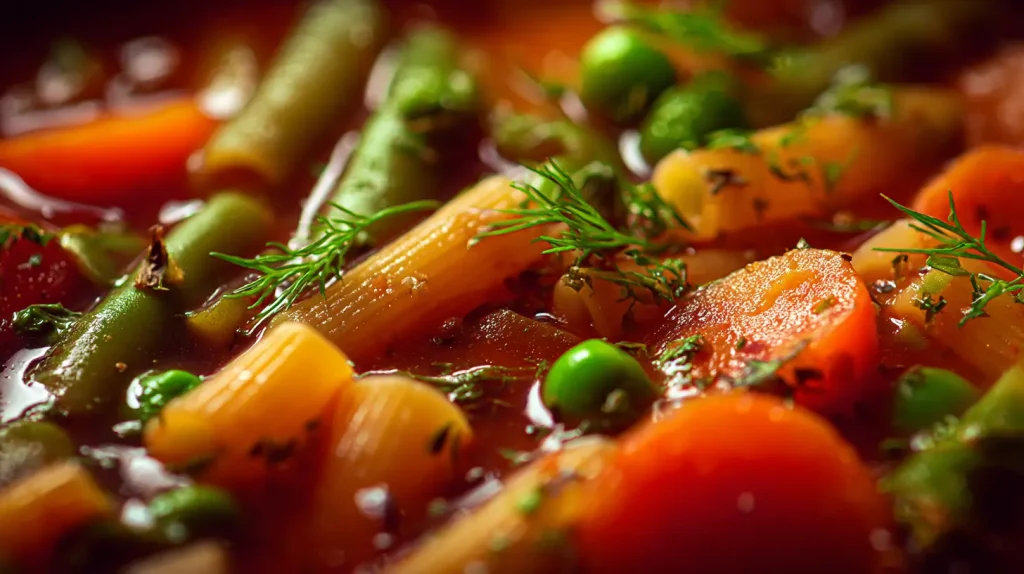
Minestrone soup is a classic Italian dish celebrated for its rich layers of flavor and comforting heartiness. Unlike other soups, it combines a vibrant mix of fresh vegetables, beans, and sometimes pasta or rice, all simmered in a flavorful broth. What makes minestrone soup truly special is its versatility. It can be a light starter or a complete meal, and it offers a perfect balance between freshness and depth.
The taste of minestrone soup is both earthy and bright. Sweet carrots, savory onions, and tender beans meld beautifully with herbs like rosemary, thyme, and parsley. Depending on the variation, the soup can include beef broth for a deeper flavor, or it can be entirely vegetarian. People love minestrone soup because it’s satisfying yet healthy, comforting without being heavy, and infinitely adaptable. This soup embodies the essence of home-cooked Italian comfort, whether you’re preparing a budget-friendly minestrone soup or a copycat Olive Garden minestrone soup recipe.
Why You’ll Love This Recipe
This minestrone soup recipe stands out for several reasons.
Preparation and Cooking Time, also serving
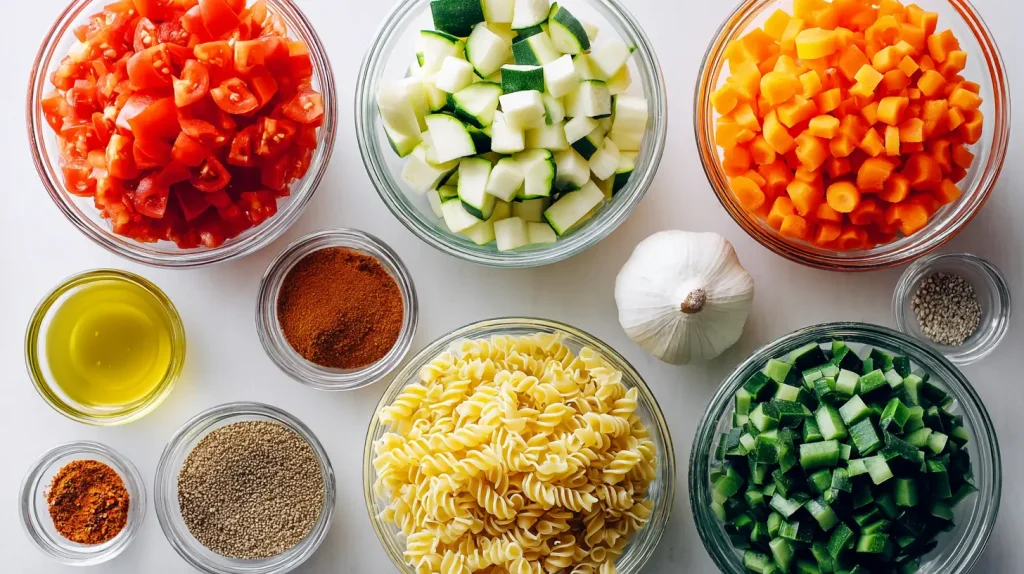
Ingredients
Substitution notes:
Step-by-Step Instructions

Step 1: Prepare the Base Vegetables
Heat olive oil in a large pot over medium heat. Add onions, carrots, and celery, and sauté until the onions are translucent and the carrots start to soften, about 5-6 minutes. Add the garlic and sauté for another minute until fragrant. This forms the flavor foundation for your minestrone soup.
Step 2: Add the Main Vegetables and Beans
Add zucchini, green beans, and potatoes to the pot, stirring to combine. Then fold in the cooked beans and diced tomatoes. The beans add creaminess, while the vegetables contribute texture and freshness.
Step 3: Incorporate Broth and Herbs
Pour in the vegetable or beef broth, then add oregano, basil, and thyme. Season lightly with salt and pepper. Bring the mixture to a gentle boil, then reduce to a simmer. Cover the pot and let it cook for 25-30 minutes, allowing the flavors to meld.
Step 4: Add Pasta and Greens (Optional)
If using pasta, stir it in during the last 10 minutes of cooking so it absorbs the broth without overcooking. Add spinach or kale in the final 5 minutes to retain their color and nutrients.
Step 5: Final Seasoning and Adjustments
Taste your soup and adjust seasoning with salt and pepper. For a richer flavor, drizzle a bit more olive oil or sprinkle extra Parmesan cheese.
How to Serve
Serve minestrone soup in wide, shallow bowls to showcase its colorful ingredients. A drizzle of high-quality olive oil on top enhances flavor and presentation. Pair it with crusty bread, garlic bread, or focaccia for a satisfying meal. For an elevated touch, top each serving with a sprinkle of fresh parsley and freshly cracked black pepper. For copycat Olive Garden minestrone soup, serve it in small bowls as an appetizer alongside a main pasta dish.
This soup works beautifully for family dinners, lunch parties, or even a meal-prep option for the week. A side salad with light vinaigrette complements the soup’s hearty flavors, balancing richness with freshness.
Additional Tips

Recipe Variations
Freezing and Storage
Nutritional Information (Approximate per serving)
Final Words
Minestrone soup is more than just a comforting bowl of vegetables and beans it’s a celebration of flavors and textures that come together effortlessly when you give attention to fresh ingredients and thoughtful seasoning. Cooking it at home allows you to control every element, from the quality of the broth to the selection of vegetables, making it a dish that is both wholesome and deeply satisfying. The combination of tender beans, vibrant vegetables, and fragrant herbs creates a harmony of flavors that is simultaneously nourishing and indulgent, proving that healthy meals don’t have to be bland or boring.
This minestrone soup recipe also exemplifies versatility and practicality, making it an indispensable addition to your culinary repertoire. You can tailor it to your family’s preferences opt for a minestrone soup recipe no pasta for a lighter version, include beef broth for a heartier depth, or experiment with seasonal vegetables for a fresh twist. The soup is equally suitable for weeknight dinners, meal prep, or even a dinner party appetizer, where its vibrant colors and hearty aroma will impress guests effortlessly. By following this chef-guided recipe, home cooks gain not only a flavorful dish but also confidence in making soups that rival restaurant quality, like a copycat Olive Garden minestrone soup.
Finally, making minestrone soup at home is an act of mindful cooking that rewards both the cook and anyone lucky enough to enjoy it. It’s budget-friendly, nourishing, and adaptable, making it a dish you’ll return to again and again. Beyond being a meal, it’s an opportunity to slow down, savor the process, and appreciate how simple ingredients can create something remarkable. Bookmark this recipe, experiment with the variations, and embrace the tradition of hearty Italian cooking it’s a dish that brings warmth, nutrition, and comfort to your table, all while celebrating the joy of home cooking.
FAQ’s

Minestrone Soup Recipe – Easy & Flavorful Italian Soup
Course: Soup Recipes6
servings20
minutes50
minutes180
kcalIngredients
2 tablespoons olive oil
1 large onion, finely chopped
2 carrots, peeled and diced
2 celery stalks, diced
3 cloves garlic, minced
1 zucchini, diced
1 cup green beans, chopped
1 medium potato, peeled and diced
1 cup diced tomatoes (canned or fresh)
1 cup cooked beans (cannellini, kidney, or chickpeas)
6 cups vegetable or beef broth
1 teaspoon dried oregano
1 teaspoon dried basil
1 teaspoon dried thyme
Salt and pepper to taste
1 cup small pasta (optional, use for traditional Olive Garden-style minestrone)
2 cups fresh spinach or kale
1/4 cup freshly grated Parmesan cheese for serving
Directions
- Heat olive oil in a large pot over medium heat. Add onions, carrots, and celery, and sauté until the onions are translucent and the carrots start to soften, about 5-6 minutes. Add the garlic and sauté for another minute until fragrant. This forms the flavor foundation for your minestrone soup.
- Add zucchini, green beans, and potatoes to the pot, stirring to combine. Then fold in the cooked beans and diced tomatoes. The beans add creaminess, while the vegetables contribute texture and freshness.
- Pour in the vegetable or beef broth, then add oregano, basil, and thyme. Season lightly with salt and pepper. Bring the mixture to a gentle boil, then reduce to a simmer. Cover the pot and let it cook for 25-30 minutes, allowing the flavors to meld.
- If using pasta, stir it in during the last 10 minutes of cooking so it absorbs the broth without overcooking. Add spinach or kale in the final 5 minutes to retain their color and nutrients.
- Taste your soup and adjust seasoning with salt and pepper. For a richer flavor, drizzle a bit more olive oil or sprinkle extra Parmesan cheese.
Notes
- Always start with a hot pot and high-quality olive oil; it makes the flavors more vibrant.
- For deeper taste, simmer the soup longer on low heat; slow cooking allows herbs and vegetables to release more flavor.
- When adding pasta, avoid cooking directly in leftover soup that will be stored; pasta can become mushy.
- Use fresh herbs whenever possible they elevate the soup far beyond dried alternatives.
- If using beef broth, skim any fat at the top for a cleaner, more refined taste.