

Mongolian Beef Recipe – Easy Weeknight Dinner at Home
Mongolian Beef Recipe
The Mongolian Beef Recipe is one of those dishes that instantly wins people over. It is bold, slightly sweet, deeply savory, and coated in a glossy sauce that clings to every slice of beef. When cooked properly, the beef stays tender, the sauce tastes balanced rather than sugary, and the whole dish feels rich without being heavy. This is why Mongolian Beef has become a favorite across home kitchens and restaurant menus alike.
Although many people associate Mongolian Beef with Chinese cooking recipes or Asian cooking in general, the dish is actually a restaurant-style stir fry that blends techniques and flavors designed for speed, consistency, and comfort. It shares similarities with Japanese Beef Stir-fry Dish styles in how the beef is sliced and cooked quickly over high heat. The appeal comes from contrast. Crisp-edged beef, silky sauce, and aromatic garlic and ginger all working together in one pan.
People love this Mongolian Beef Recipe because it delivers steakhouse satisfaction at home. It works equally well as a quick beef dinner on a busy night or as a centerpiece for a relaxed steak dinner with family. The flavors are familiar but exciting, making it one of those beef recipes for dinner that never feels boring. Whether you serve it with rice, noodles, or vegetables, Mongolian Beef always feels like a complete and comforting meal.
Why You’ll Love This Recipe
This Mongolian Beef Recipe is designed with a chef’s mindset but explained in a way that any home cook can follow confidently. The first reason you will love it is control. When you cook Mongolian Beef at home, you control the sweetness, salt level, and texture. Many takeout versions are overly sweet or oily. This recipe balances soy sauce, brown sugar, and aromatics so the sauce enhances the beef instead of overpowering it.
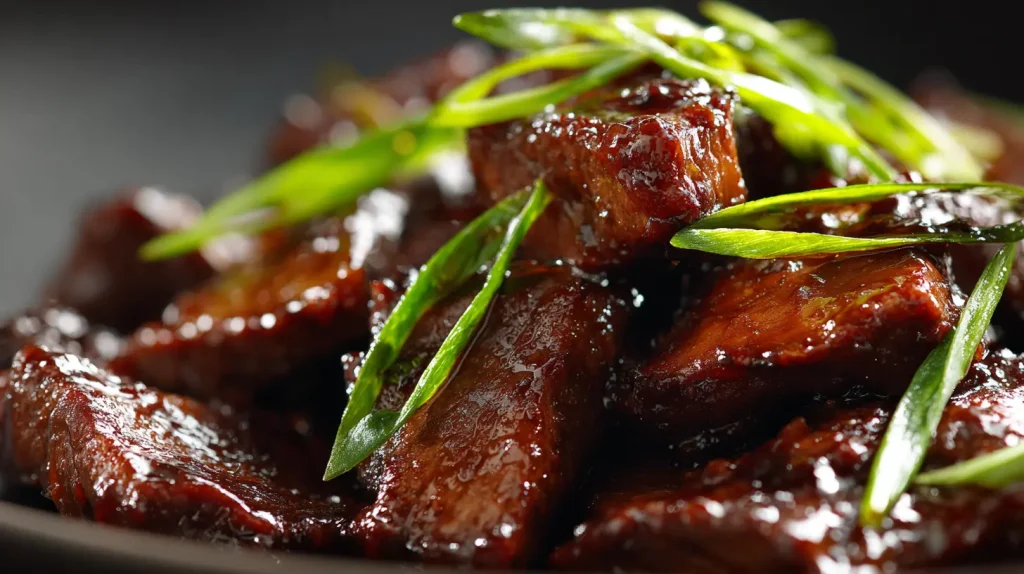
Another reason this Mongolian Beef Recipe stands out is its versatility. It starts with classic flank steak recipes, but the technique easily adapts to other beef cuts or even ground beef. That flexibility makes it useful for anyone building a collection of beef recipes easy enough for weeknights but impressive enough for guests. You can also turn it into Beef And Noodles or serve it as The Best Mongolian Beef And Noodles when you want something heartier.
Texture is another key reason people fall in love with Mongolian Beef. This recipe teaches you how to slice steak properly, coat it lightly, and cook it fast so it stays tender. These small details are what separate average beef dishes from great ones. The result is a dish that feels restaurant-quality but achievable, making it one of those beef recipes for dinner you will return to again and again.
Preparation and Cooking Time, also serving
Ingredients
Optional Ingredients for Serving
Substitution Notes
Step-by-Step Instructions

Step 1: Prepare the Beef
Start by placing the flank steak in the freezer for about 15 minutes. This firms up the meat and makes slicing much easier. Slice the beef thinly against the grain. This step is critical for tenderness and is a core technique used in Asian cooking and Japanese Beef Stir-fry Dish styles. Once sliced, place the beef in a bowl and sprinkle with cornstarch. Toss gently until each piece is lightly coated. The cornstarch helps create a crisp surface and thickens the sauce later.
Step 2: Mix the Sauce
In a separate bowl, combine soy sauce, water, and brown sugar. Stir until the sugar dissolves completely. Add minced ginger and garlic. This mixture is the backbone of the Mongolian Beef Recipe and should taste balanced, savory, and lightly sweet. Set the sauce aside near the stove so it is ready to use.
Step 3: Cook the Beef
Heat a large skillet or wok over medium-high heat. Add oil and allow it to heat until shimmering. Add the beef in a single layer, working in batches if needed. Overcrowding the pan will cause steaming instead of searing. Cook the beef for about 1 to 2 minutes per side until lightly browned and crisp at the edges. Remove the beef and set aside. This technique is common in Chinese cooking recipes and ensures tender beef dishes.
Step 4: Build the Sauce
In the same pan, lower the heat slightly and add the sauce mixture. Bring it to a gentle simmer, scraping up any browned bits from the pan. These bits add depth and flavor to the Mongolian Beef Recipe. Allow the sauce to simmer for 2 to 3 minutes until it thickens slightly.
Step 5: Combine and Finish
Return the beef to the pan and toss to coat evenly in the sauce. Add the green onions and cook for another 1 to 2 minutes. The sauce should cling to the beef and look glossy. Taste and adjust if needed. Once satisfied, remove from heat immediately to avoid overcooking.
How to Serve
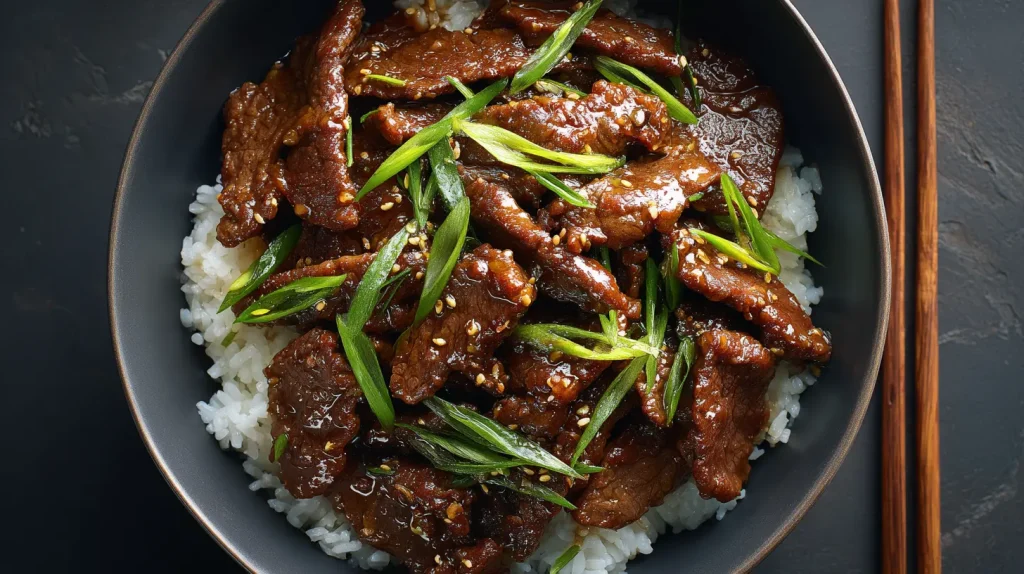
Mongolian Beef is best served hot and fresh. For a classic presentation, spoon the beef over steamed white rice and garnish with extra green onions. This approach highlights the sauce and makes it a comforting beef dinner option.
For noodle lovers, serve this Mongolian Beef Recipe with lo mein or rice noodles to create Beef And Noodles. This transforms the dish into The Best Mongolian Beef And Noodles experience, perfect for those who enjoy hearty meals. You can also serve Mongolian Beef alongside stir-fried vegetables like broccoli or snow peas. This balances the richness and adds color to the plate. For a more modern steak dinner feel, plate the beef neatly with rice molded on the side and sauce drizzled lightly.
Additional Tips
Recipe Variations
Freezing and Storage
Nutritional Information
Approximate values per serving
Values may vary depending on portion size and ingredients used.
Final Words
Cooking this Mongolian Beef Recipe at home is about more than recreating a popular restaurant dish. It is about learning how simple techniques can transform basic ingredients into something deeply satisfying. When you understand how to slice beef correctly, control heat, and balance sweet and savory flavors, you unlock a skill that applies to many beef dishes beyond this recipe. These fundamentals are the backbone of great Asian cooking and many successful beef recipes for dinner, whether you are cooking steak, stir fry, or Beef And Noodles.
This recipe also proves that comfort food does not need to be complicated. With a short ingredient list and a fast cooking process, Mongolian Beef fits perfectly into real home cooking. It works on busy weeknights, relaxed family dinners, and even casual entertaining. You can serve it with rice for a classic beef dinner, turn it into The Best Mongolian Beef And Noodles for a heartier meal, or adapt it into an Easy Mongolian Ground Beef Recipe when time or budget requires flexibility. That adaptability is what makes this dish worth bookmarking and returning to.
Most importantly, this Mongolian Beef Recipe builds confidence in the kitchen. Once you master it, you will find yourself applying the same techniques to other beef steak recipes, ground beef recipes for dinner, and even international Abendessen Rezepte inspired by Asian cooking. Cooking at home becomes less about following instructions and more about understanding what you are doing and why. That is when meals stop feeling like tasks and start feeling rewarding, and this Mongolian Beef becomes one of those reliable dishes you will proudly cook again and again.
FAQ’s

Mongolian Beef Recipe – Easy Weeknight Dinner at Home
Course: Dinner Recipes4
servings20
minutes15
minutes420
kcalIngredients
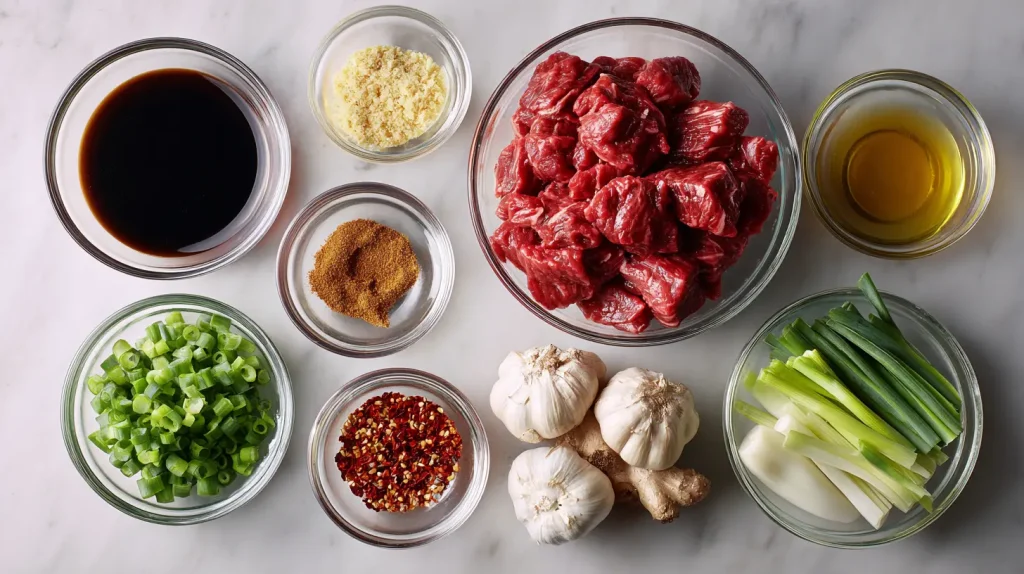
1 pound flank steak, sliced thin against the grain
1/4 cup cornstarch
3 tablespoons neutral oil, such as vegetable or canola oil
1/3 cup soy sauce
1/3 cup water
1/2 cup packed brown sugar
1 tablespoon fresh ginger, finely minced
4 garlic cloves, minced
4 green onions, sliced into 2-inch pieces
- Optional Ingredients for Serving
Cooked white rice or jasmine rice
Cooked noodles for Beef And Noodles
Directions
- Start by placing the flank steak in the freezer for about 15 minutes. This firms up the meat and makes slicing much easier. Slice the beef thinly against the grain. This step is critical for tenderness and is a core technique used in Asian cooking and Japanese Beef Stir-fry Dish styles. Once sliced, place the beef in a bowl and sprinkle with cornstarch. Toss gently until each piece is lightly coated. The cornstarch helps create a crisp surface and thickens the sauce later.
- In a separate bowl, combine soy sauce, water, and brown sugar. Stir until the sugar dissolves completely. Add minced ginger and garlic. This mixture is the backbone of the Mongolian Beef Recipe and should taste balanced, savory, and lightly sweet. Set the sauce aside near the stove so it is ready to use.
- Heat a large skillet or wok over medium-high heat. Add oil and allow it to heat until shimmering. Add the beef in a single layer, working in batches if needed. Overcrowding the pan will cause steaming instead of searing. Cook the beef for about 1 to 2 minutes per side until lightly browned and crisp at the edges. Remove the beef and set aside. This technique is common in Chinese cooking recipes and ensures tender beef dishes.
- In the same pan, lower the heat slightly and add the sauce mixture. Bring it to a gentle simmer, scraping up any browned bits from the pan. These bits add depth and flavor to the Mongolian Beef Recipe. Allow the sauce to simmer for 2 to 3 minutes until it thickens slightly.
- Return the beef to the pan and toss to coat evenly in the sauce. Add the green onions and cook for another 1 to 2 minutes. The sauce should cling to the beef and look glossy. Taste and adjust if needed. Once satisfied, remove from heat immediately to avoid overcooking.
Notes
- Slice beef consistently. Even thickness ensures even cooking and better texture.
- Always preheat the pan properly. A hot pan is essential for searing without drying the meat.
- Cook in batches if necessary. Crowding the pan is the most common mistake in beef recipes easy to cook.
- Do not overcook after adding the sauce. Once the beef is coated, it is ready to serve.
- Keep ingredients prepared before starting. Mongolian Beef moves fast once cooking begins.