

Pork Tenderloin Recipe – Juicy & Flavorful Oven Roasted Pork
Pork Tenderloin Recipe
A well made pork tenderloin recipe is one of the most reliable meals a home cook can prepare. Pork tenderloin is a long, lean cut of meat taken from the muscle that runs along the backbone of the pig. Because this muscle is not heavily used, the meat stays naturally tender and cooks quickly compared to other cuts. When handled correctly, it produces juicy slices with a delicate texture and rich savory flavor.
Many cooks enjoy preparing pork because it adapts easily to many seasoning styles. A classic pork tenderloin recipe can be simple with salt, pepper, and herbs, or it can be glazed with sweet ingredients such as brown sugar or honey. Some people enjoy making a brown-sugared pork tenderloin recipe for a slightly caramelized surface, while others prefer savory herbs and garlic for a more traditional roasted flavor.
What makes pork tenderloin especially popular is its balance of elegance and simplicity. It looks impressive on the table but requires far less time than larger roasts. Unlike many pork loin roast recipes that require long cooking times, tenderloin cooks quickly in the oven while still developing deep flavor.
Another reason people love this dish is the texture. Properly cooked roasted pork tenderloins stay juicy and soft while developing a golden crust. The inside remains pale pink and tender when cooked correctly. Many home cooks worry about over roasted pork tenderloin, but once you understand the correct temperature and resting process, it becomes easy to achieve consistent results.
This pork tenderloin recipe focuses on roasting the meat in the oven because it is one of the most reliable cooking methods. Roasting pork tenderloin allows the outside to develop flavor while the interior stays moist. It also gives you flexibility to pair it with vegetables or sauces. In the world of home cooking, tender pork loin recipes oven roasted have become popular because they are simple, healthy, and satisfying. This guide will show you exactly how to prepare the best baked pork tenderloin recipe step by step, using techniques professional chefs rely on but explained clearly for home cooks.
Why You’ll Love This Recipe
One reason this pork tenderloin recipe stands out is how quickly it comes together. Many traditional pork roast recipes require hours of cooking, but pork tenderloin cooks in under 30 minutes. That makes it ideal for weeknight meals while still feeling like a special dish. Another reason cooks appreciate easy pork tenderloin recipes is the versatility of flavor. The meat pairs well with herbs, citrus, garlic, mustard, or sweet glazes. Whether you want a savory herb roast or a brown sugared pork tenderloin recipe with caramelized sweetness, the same basic method works beautifully.
This recipe also produces a tender interior and flavorful crust. Roasting pork tenderloin at the right temperature ensures the meat stays juicy instead of drying out. Many people who previously struggled with dry pork discover that the best baked pork tenderloin recipe is actually quite forgiving once the cooking process is understood. Home cooks also enjoy the flexibility of this cut. It works as a main dinner dish, sliced thin for sandwiches, or even served with eggs as part of a breakfast low carb meal the next morning. Leftovers hold their flavor well and can be reused in many dishes.
Another advantage is presentation. When sliced into medallions, roasted pork tenderloins look beautiful on a plate. The meat holds its shape and allows sauces to coat each piece evenly. For cooks searching for pork tenderloin recipes savory and satisfying, this preparation offers a dependable foundation. Finally, this dish connects easily to other pork dishes people already know. If you enjoy pork chop recipes baked or classic pork loin roast recipes, you will find that tenderloin delivers similar flavors in a faster and more tender format.
Preparation and Cooking Time, also Serving
This timing makes the pork tenderloin recipe practical for both everyday meals and special occasions.
Ingredients
Optional Sauce
Substitution Notes
Step by Step Instructions
Step 1: Prepare the Pork Tenderloin
Remove the pork tenderloin from the refrigerator about 20 minutes before cooking. Allowing the meat to rest at room temperature helps it cook evenly. Use paper towels to pat the surface dry. Dry meat develops a better crust during roasting. Trim any visible silver skin from the surface using a sharp knife. This thin membrane can tighten during cooking and make the meat tough if not removed. Place the pork on a cutting board and inspect the shape of the meat. If one end is much thinner than the other, tuck it slightly underneath to create a more even thickness.
Step 2: Season the Pork
In a small bowl combine salt, pepper, garlic powder, onion powder, and smoked paprika. Rub olive oil over the entire surface of the pork tenderloin. The oil helps the seasoning stick and encourages browning. Sprinkle the seasoning mixture evenly across the meat. Use your hands to press the seasoning into the surface. Spread Dijon mustard lightly over the pork. Then sprinkle brown sugar evenly across the top to create the base for a brown sugared pork tenderloin recipe glaze. Finish by scattering thyme and rosemary over the meat.
Step 3: Preheat the Oven
Preheat the oven to 400 degrees Fahrenheit. Place a heavy oven safe skillet or roasting pan inside the oven while it heats. A hot pan helps the pork begin browning immediately when it touches the surface. This roasting pork tenderloin technique improves flavor and texture.
Step 4: Sear the Pork
Carefully remove the hot skillet from the oven and place it on the stove over medium heat. Add butter and allow it to melt. Place the pork tenderloin into the pan. Let it cook for about 2 minutes on each side until a golden crust begins to form. Searing the pork creates flavor and seals the seasoning onto the meat.
Step 5: Roast the Pork Tenderloin
Transfer the skillet with the pork directly into the oven. Roast the pork tenderloin for about 18 to 22 minutes. The internal temperature should reach 145 degrees Fahrenheit when measured with a meat thermometer. Roasting pork tenderloin to this temperature ensures the meat stays juicy while remaining safe to eat.
Step 6: Rest the Meat
Remove the pork from the oven and transfer it to a cutting board. Allow the meat to rest for 10 minutes before slicing. During this time the juices redistribute throughout the meat, which keeps the slices moist.
Step 7: Slice and Serve
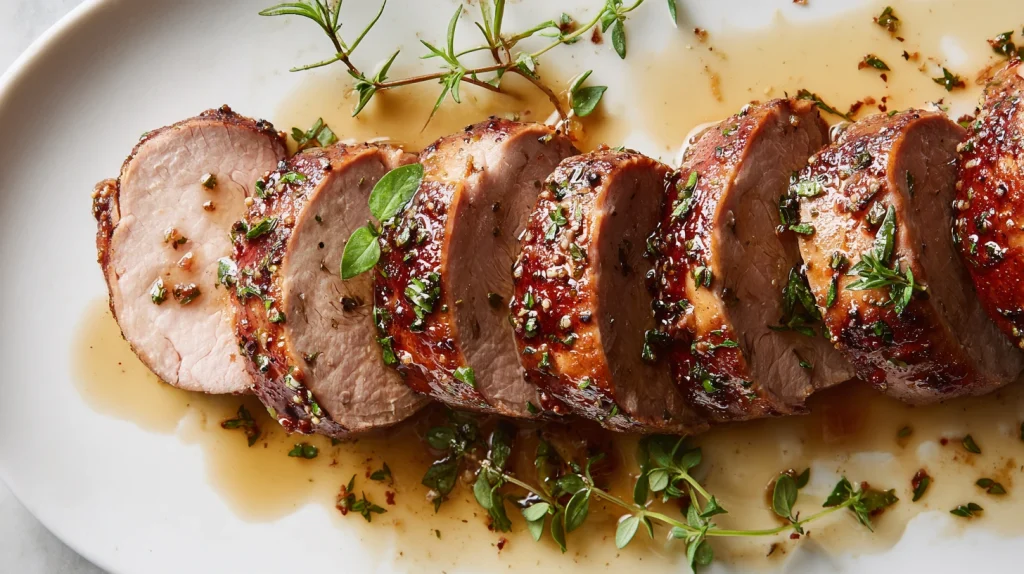
Use a sharp knife to cut the pork tenderloin into medallions about half an inch thick. Arrange the slices on a serving platter. Spoon any juices from the pan over the meat to enhance flavor.
How to Serve
Additional Tips
Recipe Variations
These variations allow you to adapt the best baked pork tenderloin recipe to different flavor preferences.
Freezing and Storage
Nutritional Information
Approximate values per serving
These numbers may vary slightly depending on ingredients and portion size.
Pork tenderloin is naturally lean compared to many other cuts, which is why it appears frequently in healthy pork loin roast recipes and tender pork loin recipes oven preparations.
Final Words
A reliable pork tenderloin recipe is one of the most useful dishes a home cook can master. The cut cooks quickly, remains naturally tender, and works with a wide range of flavors. Once you understand the basic roasting method, you can easily adapt the dish into countless variations. This guide demonstrates how simple ingredients and proper cooking technique can transform pork tenderloin into a restaurant quality meal. From seasoning and searing to roasting pork tenderloin at the right temperature, every step helps produce juicy and flavorful slices.
Whether you are searching for easy pork tenderloin recipes, experimenting with pork tenderloin recipes savory, or trying to perfect the best baked pork tenderloin recipe, this preparation gives you a dependable starting point. Cooking pork at home also encourages creativity. You can explore different marinades, glazes, and side dishes. Many cooks who enjoy pork chop recipes baked eventually discover that pork tenderloin offers the same comforting flavor with even more tenderness. With practice, this pork tenderloin recipe can become one of your favorite meals to prepare for family dinners or gatherings. The method is simple, the ingredients are accessible, and the results are consistently satisfying.
FAQ’s

Pork Tenderloin Recipe – Juicy & Flavorful Oven Roasted Pork
Course: Pork Recipes4
servings15
minutes25
minutes280
kcalIngredients
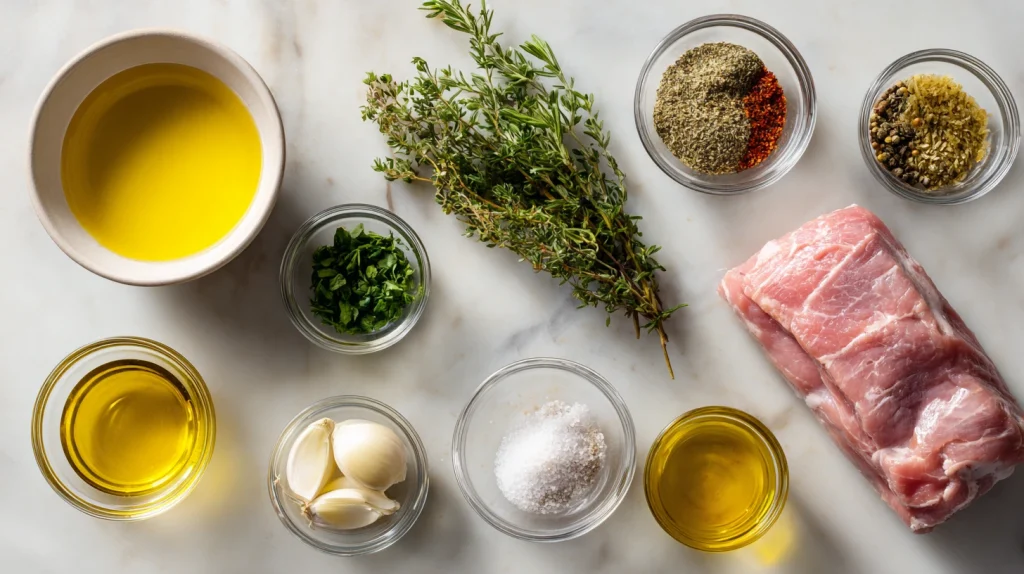
1 whole pork tenderloin about 1 to 1.25 pounds
1 tablespoon olive oil
1 teaspoon kosher salt
1 half teaspoon black pepper
1 teaspoon garlic powder
1 teaspoon onion powder
1 teaspoon smoked paprika
1 tablespoon Dijon mustard
2 tablespoons brown sugar
1 teaspoon fresh thyme leaves
1 teaspoon fresh rosemary finely chopped
1 tablespoon butter
- Optional Sauce
1 half cup chicken broth
1 teaspoon cornstarch
1 tablespoon water
Directions
- Remove the pork tenderloin from the refrigerator about 20 minutes before cooking. Allowing the meat to rest at room temperature helps it cook evenly. Use paper towels to pat the surface dry. Dry meat develops a better crust during roasting. Trim any visible silver skin from the surface using a sharp knife. This thin membrane can tighten during cooking and make the meat tough if not removed. Place the pork on a cutting board and inspect the shape of the meat. If one end is much thinner than the other, tuck it slightly underneath to create a more even thickness.
- In a small bowl combine salt, pepper, garlic powder, onion powder, and smoked paprika. Rub olive oil over the entire surface of the pork tenderloin. The oil helps the seasoning stick and encourages browning. Sprinkle the seasoning mixture evenly across the meat. Use your hands to press the seasoning into the surface. Spread Dijon mustard lightly over the pork. Then sprinkle brown sugar evenly across the top to create the base for a brown sugared pork tenderloin recipe glaze. Finish by scattering thyme and rosemary over the meat.
- Preheat the oven to 400 degrees Fahrenheit. Place a heavy oven safe skillet or roasting pan inside the oven while it heats. A hot pan helps the pork begin browning immediately when it touches the surface. This roasting pork tenderloin technique improves flavor and texture.
- Carefully remove the hot skillet from the oven and place it on the stove over medium heat. Add butter and allow it to melt. Place the pork tenderloin into the pan. Let it cook for about 2 minutes on each side until a golden crust begins to form. Searing the pork creates flavor and seals the seasoning onto the meat.
- Transfer the skillet with the pork directly into the oven. Roast the pork tenderloin for about 18 to 22 minutes. The internal temperature should reach 145 degrees Fahrenheit when measured with a meat thermometer. Roasting pork tenderloin to this temperature ensures the meat stays juicy while remaining safe to eat.
- Remove the pork from the oven and transfer it to a cutting board. Allow the meat to rest for 10 minutes before slicing. During this time the juices redistribute throughout the meat, which keeps the slices moist.
- Use a sharp knife to cut the pork tenderloin into medallions about half an inch thick. Arrange the slices on a serving platter. Spoon any juices from the pan over the meat to enhance flavor.


