Ramen Recipe – Authentic Japanese Noodle Dish at Home
Delicious Ramen
Ramen is a classic Japanese noodle dish that has captured the hearts of food lovers around the world. It is renowned for its rich, savory broth, tender noodles, and carefully layered toppings such as Chashu pork, soft-boiled eggs, and fresh vegetables. The beauty of ramen lies in its versatility and depth of flavor each bowl is a combination of textures, aromas, and tastes that make it both comforting and exciting.
What makes ramen special is the meticulous attention to the broth, which can range from light and clear shoyu or miso to rich, creamy Tonkotsu ramen. The noodles, cooked to perfect texture, absorb the flavors of the broth, while the toppings add contrast and richness. This harmony of components is why ramen dishes are a food obsession for many and why Japanese noodles have become a favorite worldwide.
Why You’ll Love This Recipe
You’ll love this ramen recipe because it brings authentic flavors into your kitchen while remaining approachable for home cooks. By following this guide, you can recreate a bowl of ramen that rivals restaurant-quality Tonkotsu ramen or other ramen noodle recipes authentic enthusiasts adore. The recipe balances savory, umami-packed broth with tender noodles and carefully prepared toppings for a complete dining experience.
It’s also highly customizable. You can adjust the toppings, broth richness, or noodle texture to your preference, making it ideal for both ramen for beginners and seasoned home cooks. This recipe demonstrates that making ramen at home is not only feasible but also immensely rewarding, allowing you to experience Japanese food culture firsthand while crafting a deeply satisfying bowl of noodles.
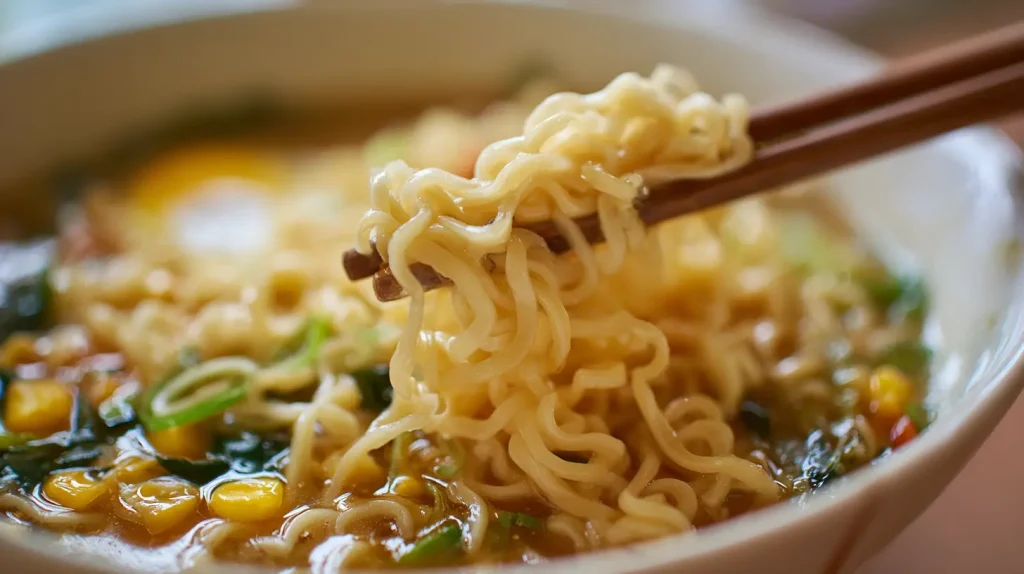
Additionally, this recipe gives you control over quality, seasoning, and ingredient freshness. Unlike packaged ramen, homemade ramen allows you to craft a balanced, flavorful, and nourishing meal, turning this Japanese noodle dish into a centerpiece for lunch, dinner, or special gatherings. It’s a true testament to why ramen has earned its spot among the top 10 foods in food obsession lists globally.
Preparation and Cooking Time, also serving
Ingredients
Substitution Notes
Step-by-Step Instructions

Step 1: Prepare the Broth
In a large pot, combine broth, garlic, ginger, soy sauce, sesame oil, and miso paste. Bring to a gentle simmer over medium heat. Allow the flavors to meld for 30-45 minutes. Skim any foam or impurities for a clear, rich broth.
Step 2: Cook the Noodles
Bring a separate pot of water to a boil. Cook the ramen noodles according to package instructions until al dente. Drain and rinse lightly with warm water to remove excess starch.
Step 3: Prepare Toppings
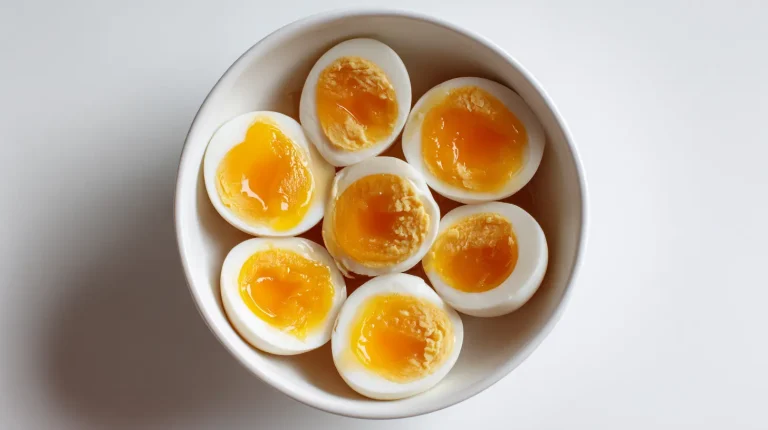
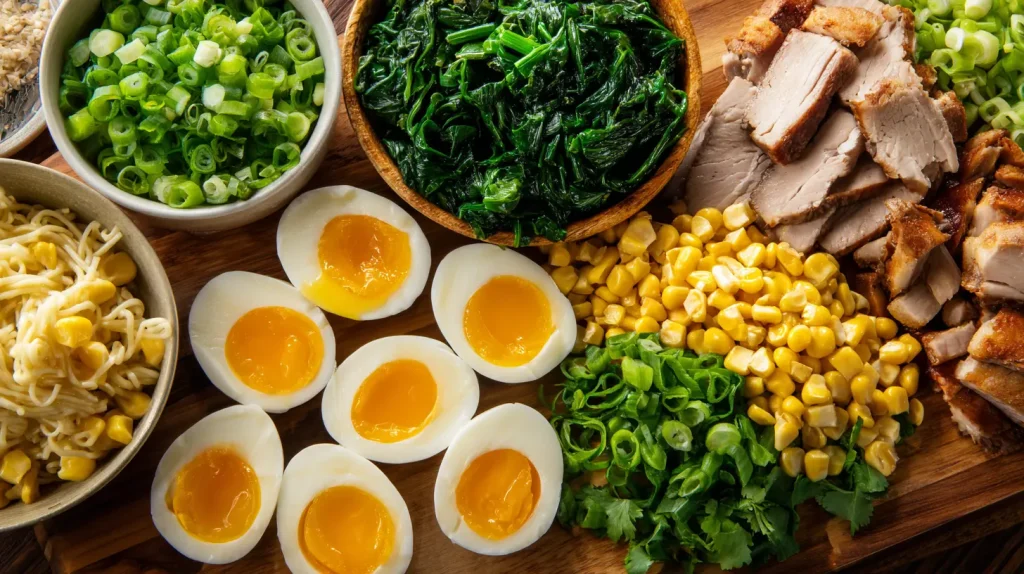
While the broth simmers, prepare the toppings. Slice Chashu pork, blanch spinach or bok choy, and halve soft-boiled eggs. Optional toppings like corn, green onions, and nori can be prepared simultaneously.
Step 4: Assemble the Ramen Bowls
Divide cooked noodles evenly among bowls. Pour the hot broth over the noodles. Carefully arrange Chashu pork, eggs, vegetables, corn, and other toppings on top.
Step 5: Garnish and Serve
Finish with sliced green onions, nori sheets, and optional chili oil or sesame seeds. Serve immediately while hot for the best flavor and texture.
How to Serve
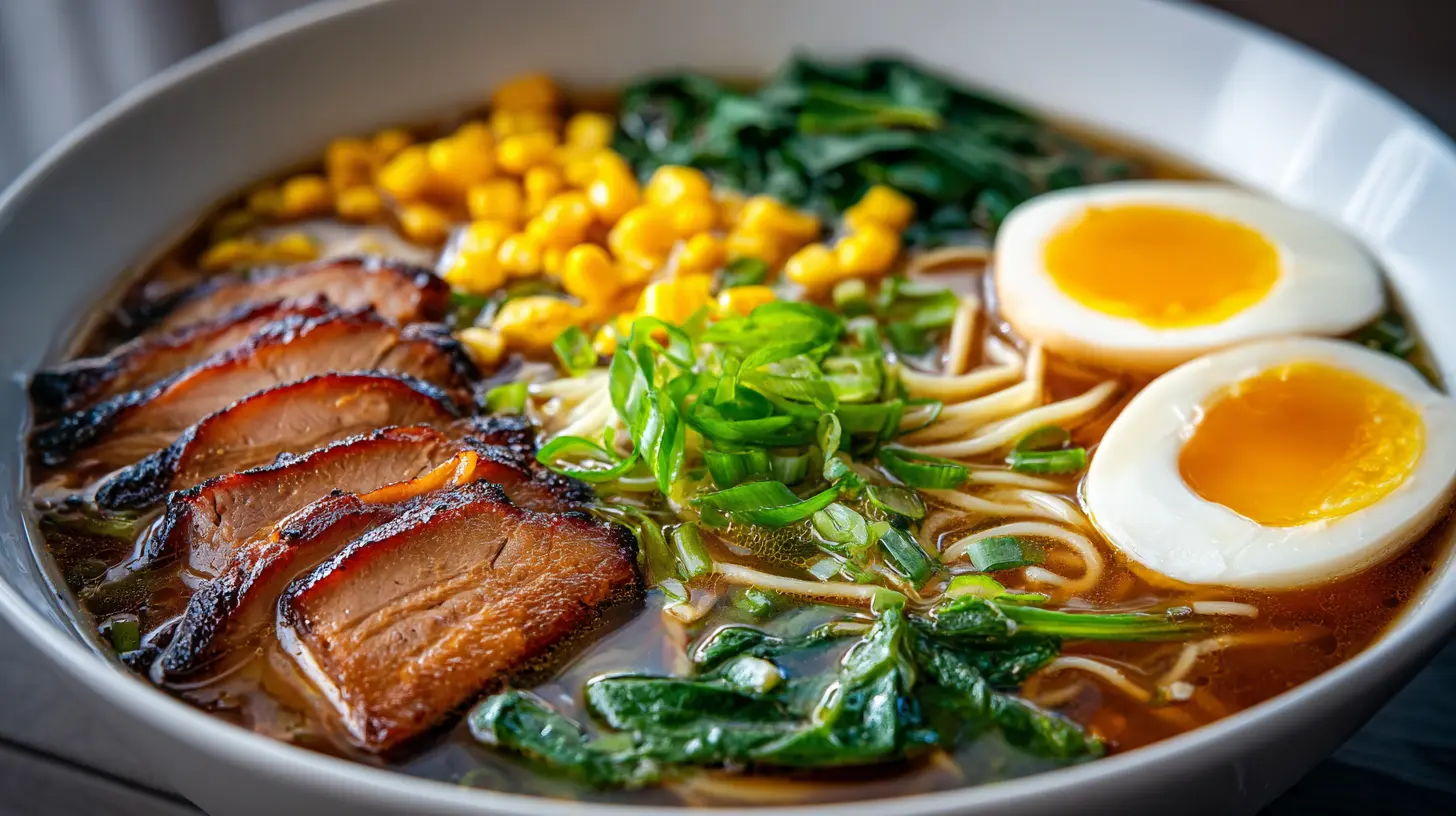
Ramen is best enjoyed immediately after assembly to preserve the perfect texture of the noodles and the rich depth of the broth. Serve it in deep, wide bowls that allow the toppings to be beautifully arranged and the broth to remain hot. This presentation highlights each component from tender Chashu pork and soft-boiled eggs to fresh vegetables and vibrant garnishes making every bowl visually inviting and satisfying.
Pair ramen with light, complementary side dishes such as pickled vegetables, Japanese cucumber salad, or edamame to balance the richness of the broth. You can also offer additional toppings on the side, like sliced green onions, nori sheets, sesame seeds, or chili oil, allowing guests to customize their bowls according to personal taste. This approach not only enhances flavor but also makes serving interactive and fun.
For a more elegant presentation, consider arranging the toppings with care, placing eggs halved side-up, vegetables neatly, and Chashu pork slices fanned out across the noodles. A small drizzle of sesame oil or a sprinkle of sesame seeds can add both visual appeal and subtle flavor enhancement. Whether for a casual weeknight meal or a special dinner, serving ramen with attention to detail elevates the experience and ensures that each bowl is as delicious to look at as it is to eat.
Additional Tips
Recipe Variations
Ramen is highly versatile, allowing home cooks to experiment with different broths, proteins, and toppings to create unique bowls. Here are several variations to elevate your ramen experience:
These variations demonstrate how adaptable ramen is, allowing you to craft a new, flavorful experience each time you make this beloved Japanese noodle dish. You can customize every component to suit your taste, dietary preference, and occasion.
Freezing and Storage
Nutritional Information (Approximate per serving)
Final Words
Ramen is a culinary masterpiece that demonstrates how simple ingredients can come together to create a deeply satisfying and flavorful dish. By making ramen at home, you gain full control over the broth, noodle texture, and toppings, allowing you to craft a bowl that suits your personal taste. The combination of tender noodles, rich savory broth, and layered toppings like Chashu pork, eggs, and fresh vegetables creates a comforting, restaurant-quality experience in your own kitchen.
This recipe also highlights the versatility of ramen. You can adjust the broth, spice level, and toppings to create different variations from traditional Tonkotsu ramen to vegetarian or spicy versions ensuring that each bowl is unique and tailored to your preferences. The process of assembling ramen, from simmering the broth to garnishing the final bowl, is not only rewarding but also a fun way to explore Japanese food culture and expand your home cooking repertoire.
Ultimately, making ramen at home is about enjoying both the process and the result. Each bowl you prepare becomes a personal creation, showcasing the harmony of flavors and textures that make ramen a beloved dish worldwide. Whether you are serving it for a casual family meal or impressing guests with a homemade Japanese noodle dish, ramen delivers warmth, satisfaction, and a memorable dining experience every time.
FAQ’s

Ramen Recipe – Authentic Japanese Noodle Dish at Home
Course: Noodle Recipes4
servings20
minutes1
hour450
kcalIngredients
12 ounces fresh ramen noodles or 4 servings dried ramen noodles
6 cups chicken or pork broth
2 tablespoons soy sauce
1 tablespoon miso paste
1 teaspoon sesame oil
2 cloves garlic, minced
1-inch piece ginger, sliced
2 soft-boiled eggs, halved
4 slices Chashu pork or other cooked pork
1 cup fresh spinach or bok choy
1/2 cup corn kernels (optional)
2 green onions, sliced
Nori sheets, for garnish
Chili oil or sesame seeds (optional for serving)
Directions
- In a large pot, combine broth, garlic, ginger, soy sauce, sesame oil, and miso paste. Bring to a gentle simmer over medium heat. Allow the flavors to meld for 30-45 minutes. Skim any foam or impurities for a clear, rich broth.
- Bring a separate pot of water to a boil. Cook the ramen noodles according to package instructions until al dente. Drain and rinse lightly with warm water to remove excess starch.
- While the broth simmers, prepare the toppings. Slice Chashu pork, blanch spinach or bok choy, and halve soft-boiled eggs. Optional toppings like corn, green onions, and nori can be prepared simultaneously.
- Divide cooked noodles evenly among bowls. Pour the hot broth over the noodles. Carefully arrange Chashu pork, eggs, vegetables, corn, and other toppings on top.
- Finish with sliced green onions, nori sheets, and optional chili oil or sesame seeds. Serve immediately while hot for the best flavor and texture.
Notes
- Simmer broth gently to extract maximum flavor without clouding it.
- Avoid overcooking noodles; they should remain slightly firm when served.
- Prepare toppings in advance to streamline assembly.
- Skim broth frequently for a clean, visually appealing soup.
- Taste and adjust seasoning before serving, balancing saltiness and umami.