

Easy Roasted Asparagus Recipe – Delicious Perfectly Flavored
Roasted Asparagus
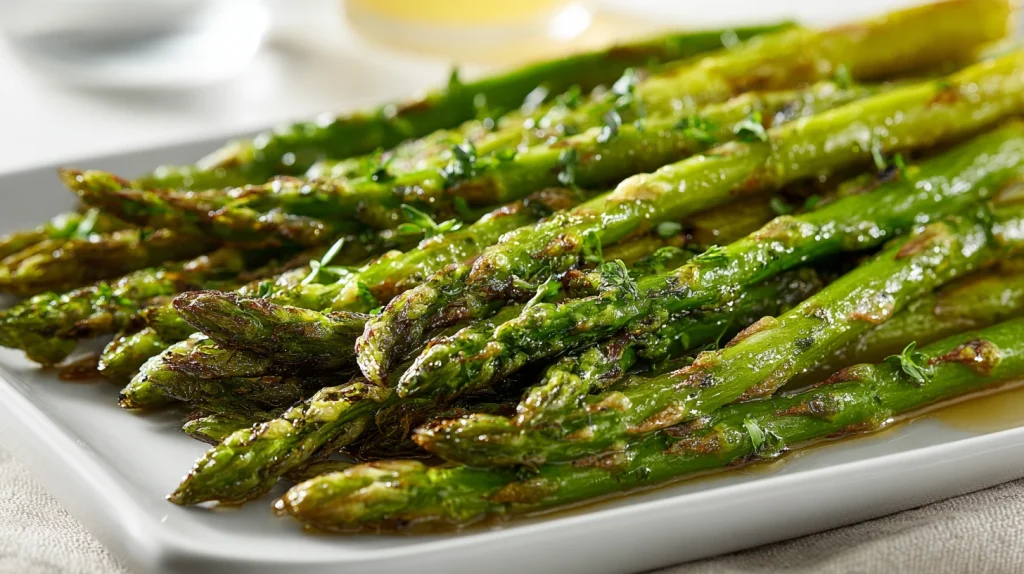
Roasted asparagus is one of the simplest vegetable dishes you can make, yet when prepared correctly, it tastes elegant, fresh, and deeply flavorful. High heat transforms raw asparagus into tender spears with lightly crisp edges, concentrated flavor, and a naturally sweet finish that many people do not expect from a green vegetable.
What makes roasted asparagus so popular is its balance between simplicity and versatility. With only a few ingredients, asparagus develops rich roasted flavor while still maintaining its bright color and fresh texture. Proper roasting allows the tips to become lightly crisp while the stalks stay tender without turning mushy.
Many home cooks love roasted asparagus because it pairs well with nearly everything. It works beautifully alongside roasted meats, seafood, eggs, pasta, and grain dishes. It is also one of the most reliable Vegetable Side Dishes Easter menus depend on because asparagus naturally feels fresh, seasonal, and light enough to balance heavier holiday foods.
One reason roasted asparagus stands out among Easy Easter Veggie Sides is that it requires minimal preparation but still looks polished and restaurant-quality on the table. The natural shape of asparagus spears creates an elegant presentation without needing complicated plating techniques. This dish also highlights how important cooking method can be. Steamed asparagus can sometimes taste bland or watery, but roasting concentrates flavor and creates slight caramelization that gives the vegetable much more depth.
People searching for Easter Vegetable Ideas often choose roasted asparagus because it fits both casual family dinners and formal holiday meals. It can stay simple with olive oil and salt or become more sophisticated with Parmesan, lemon, garlic, herbs, or sauces.
Whether you are preparing Vegetable Easter Side Dishes for a holiday gathering or simply making a quick weeknight dinner, roasted asparagus offers reliable flavor, easy preparation, and excellent flexibility. A properly cooked tray of roasted asparagus should taste lightly sweet, slightly nutty, fresh, and savory all at once. The texture should remain tender with slight bite instead of soft or limp.
Why You’ll Love This Recipe
This roasted asparagus recipe focuses on proper texture and balanced seasoning. Many asparagus recipes fail because the spears become soggy or overcooked, but this method keeps them tender while still maintaining structure.
Preparation and Cooking Time
Ingredients
For the Roasted Asparagus
Optional Garnishes
Substitution Notes
Step-by-Step Instructions

Step 1: Prepare the Asparagus
Preheat the oven to 425°F (220°C). Wash the asparagus thoroughly under cold water and dry completely using kitchen towels or paper towels. Removing excess moisture is important because wet asparagus steams instead of roasting properly. Trim the woody ends from the asparagus stalks. The bottom portion is often fibrous and unpleasant to eat. One simple method is to bend a spear gently until it naturally snaps. This shows where the tough section begins.
Step 2: Season the Asparagus
Place the asparagus on a large baking sheet. Drizzle with olive oil and sprinkle with salt, black pepper, and garlic powder. Toss thoroughly until all spears are evenly coated. Spread the asparagus into a single layer. Spacing matters because overcrowding traps steam and prevents caramelization.
Step 3: Roast the Asparagus
Place the baking sheet into the preheated oven. Roast for 10 to 14 minutes depending on asparagus thickness. Thin asparagus may finish closer to 10 minutes, while thicker spears may require additional time. The asparagus should appear bright green with lightly browned edges and tender centers. The tips often roast slightly faster than the stalks, which creates excellent texture contrast.
Step 4: Add Lemon Juice
Remove the roasted asparagus from the oven. Immediately drizzle with fresh lemon juice while still hot. The heat helps the lemon absorb into the asparagus and brightens the roasted flavor naturally.
Step 5: Finish and Garnish
Transfer the roasted asparagus to a serving platter. Top with optional Parmesan cheese, lemon zest, herbs, or toasted nuts if desired. Serve immediately while warm for the best texture and flavor.
How to Serve
Roasted asparagus works beautifully with a wide range of meals.
For weeknight dinners, serve it alongside:
For holiday gatherings, roasted asparagus is one of the most reliable Vegetable Sides For Easter Dinner because it balances rich main dishes naturally.
It pairs especially well with:
When planning Easter Vegetable Recipes, asparagus adds freshness and color that help brighten the table visually.
For elegant presentation, arrange the spears neatly on a platter with lemon slices and fresh herbs.
Roasted asparagus also pairs beautifully with sauces such as:
If serving as part of a buffet or brunch, keep the asparagus slightly undercooked so it maintains texture longer.
Vegetable Side Dishes Easter menus often benefit from lighter roasted vegetables like asparagus because they balance richer casseroles and baked dishes.
Additional Tips
Recipe Variations
Parmesan Roasted Asparagus
Top the asparagus with freshly grated Parmesan cheese immediately after roasting.
Garlic Lemon Roasted Asparagus
Add minced garlic before roasting and finish with extra lemon zest.
Balsamic Roasted Asparagus
Drizzle balsamic glaze over the asparagus after cooking for sweet and tangy flavor.
Spicy Roasted Asparagus
Add red pepper flakes and smoked paprika before roasting.
Nutty Herb Roasted Asparagus
Finish with toasted almonds, parsley, and dill for extra texture and freshness.
Freezing and Storage
Refrigerator Storage
Reheating
Freezing
Make-Ahead Tips
Nutritional Information
Approximate values per serving:
Nutritional values may vary depending on ingredients and portion sizes.
Final Words
Roasted asparagus proves that simple cooking techniques can create outstanding flavor when handled properly. High heat roasting transforms fresh asparagus into a side dish that feels elegant, flavorful, and incredibly versatile. This recipe works because it focuses on texture and balance. The asparagus remains tender with lightly crisp edges, while lemon and seasoning enhance the natural vegetable flavor instead of masking it.
Whether you are preparing Easy Easter Veggie Sides for a holiday table or making quick weeknight dinners, roasted asparagus consistently delivers reliable results with minimal effort. It is one of the best Vegetable Side Dishes Easter gatherings can include because it complements heavier dishes while adding freshness, color, and brightness to the table. The beauty of roasted asparagus is flexibility. It can stay simple and classic or become more elevated with cheese, herbs, sauces, or crunchy toppings depending on the occasion. Once you learn how to roast asparagus properly, it quickly becomes one of the easiest and most dependable Easter Vegetable Recipes and everyday side dishes you can make at home.
FAQs

Easy Roasted Asparagus Recipe – Delicious Perfectly Flavored
Course: Dinner Recipes6
servings10
minutes12
minutes90
kcalIngredients
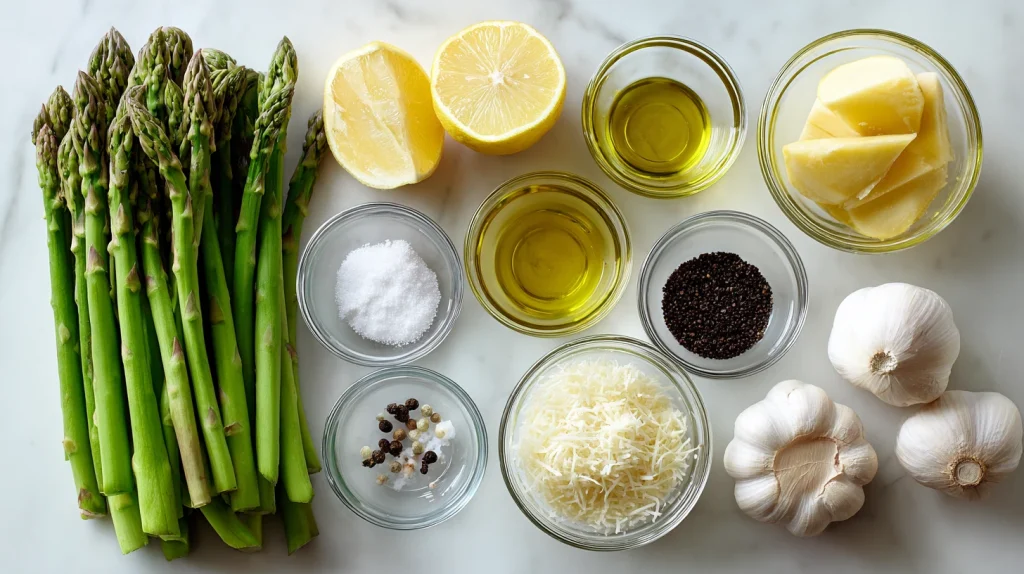
- For the Roasted Asparagus
2 pounds fresh asparagus
2 tablespoons olive oil
1 teaspoon kosher salt
1/2 teaspoon black pepper
1/2 teaspoon garlic powder
1 tablespoon fresh lemon juice
- Optional Garnishes
Grated Parmesan cheese
Lemon zest
Red pepper flakes
Fresh parsley
Toasted almonds
Directions
- Preheat the oven to 425°F (220°C). Wash the asparagus thoroughly under cold water and dry completely using kitchen towels or paper towels. Removing excess moisture is important because wet asparagus steams instead of roasting properly. Trim the woody ends from the asparagus stalks. The bottom portion is often fibrous and unpleasant to eat. One simple method is to bend a spear gently until it naturally snaps. This shows where the tough section begins.
- Place the asparagus on a large baking sheet. Drizzle with olive oil and sprinkle with salt, black pepper, and garlic powder. Toss thoroughly until all spears are evenly coated. Spread the asparagus into a single layer. Spacing matters because overcrowding traps steam and prevents caramelization.
- Place the baking sheet into the preheated oven. Roast for 10 to 14 minutes depending on asparagus thickness. Thin asparagus may finish closer to 10 minutes, while thicker spears may require additional time. The asparagus should appear bright green with lightly browned edges and tender centers. The tips often roast slightly faster than the stalks, which creates excellent texture contrast.
- Remove the roasted asparagus from the oven. Immediately drizzle with fresh lemon juice while still hot. The heat helps the lemon absorb into the asparagus and brightens the roasted flavor naturally.
- Transfer the roasted asparagus to a serving platter. Top with optional Parmesan cheese, lemon zest, herbs, or toasted nuts if desired. Serve immediately while warm for the best texture and flavor.