
Thanksgiving Gravy Recipe – Perfect Holiday Dinner Side
Thanksgiving Gravy Recipe
A thanksgiving gravy recipe is one of the most important parts of any holiday meal because it ties the entire plate together. Even the best roasted turkey or the most comforting dressing tastes better when paired with a smooth, rich gravy that has depth and balance. A great gravy should have a velvety consistency, a mellow but well rounded flavor, and just enough seasoning to highlight every bite of turkey, mashed potatoes, stuffing, and vegetables. When done correctly, gravy becomes the sauce that brings each part of the meal into harmony.
This thanksgiving gravy recipe is designed for home cooks who want the reliability of a chef tested method without needing complicated techniques. It feels comforting and familiar like the classic Thanksgiving Gravy your family may have grown up with, yet it offers the consistency and balance that comes from understanding simple kitchen science. The taste is savory, warm, lightly buttery, and deeply flavored from the turkey stock. It is smooth enough to pour but still thick enough to coat the spoon, and it boosts the entire meal.
People love this recipe because it captures the heart of the holiday. It works whether you are Making Turkey Gravy from fresh drippings or preparing a Make Ahead Turkey Gravy for a busy celebration. It also makes a beautiful finishing sauce for Southern Thanksgiving Recipes that include dressing, roasted vegetables, and mashed potatoes. No matter what else is on your table, a good gravy connects every element of the meal together and gives the entire spread that classic, comforting holiday feeling.
Why You Will Love This Recipe
You will enjoy this thanksgiving gravy recipe because it uses a balanced base that produces consistent results every time. Many gravies turn out too salty, too thin, too bland, or too thick. This recipe solves all of those issues with a careful ratio of fat, flour, and stock. The technique also helps prevent lumps by introducing the flour to the fat in a controlled, even manner, which creates a smooth texture.
Another reason this recipe works so well is that it lets you create the Best Turkey Gravy even when you do not have drippings. This makes the process easier during holidays when you need reliable steps. You can use turkey stock alone to prepare a Thanksgiving Turkey Gravy Without Drippings or you can mix the stock with pan juices for a fuller flavor. Because the method is flexible, home cooks feel confident following it even when the holiday schedule becomes hectic.
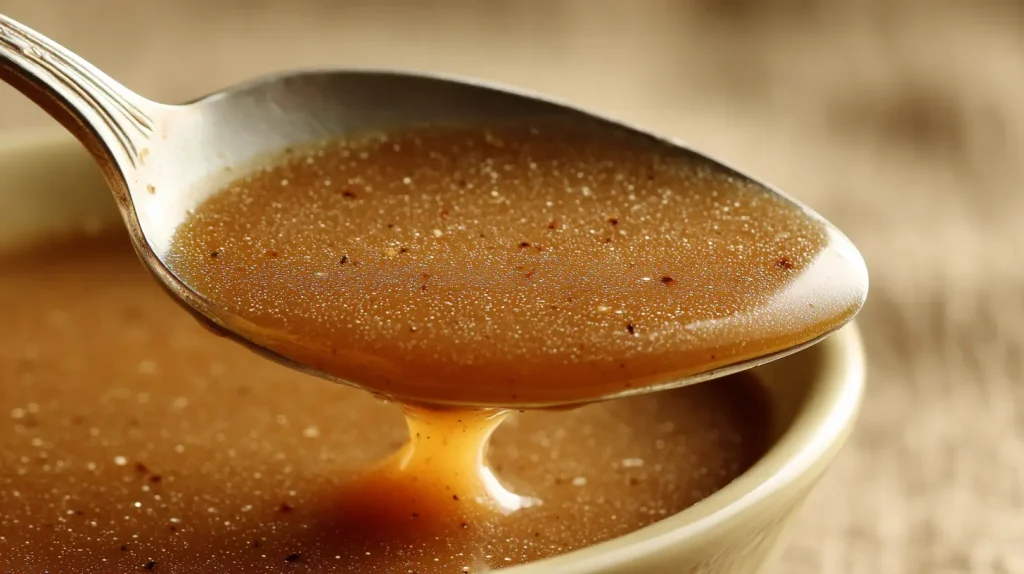
A third advantage is how adaptable the recipe is. You can use it for a Make Ahead Turkey Gravy Recipe, a Turkey Gravy Recipe Easy enough for beginners, or a richer Homemade Turkey Gravy with added aromatics. The technique also aligns well with an Easy Holiday Gravy Tutorial because it guides you through each step clearly while still giving you the professional insight you need for high quality results.
This recipe respects the traditions many cooks already know from family meals but elevates each step so you get a gravy that pours smoothly, tastes balanced, and enhances every dish on the table. If you enjoy the satisfaction of Making Turkey Gravy that feels polished but still homey, you will find this approach both comforting and dependable.
Preparation and Cooking Time, also serving
Ingredients
Substitution Notes
Step by Step Instructions

Step 1: Warm the stock
Place your turkey stock in a small pot over medium low heat. Let it warm gently but do not bring it to a boil. Warm stock helps the gravy come together smoothly because it blends more easily with the roux. Cold stock tends to create lumps and slows the thickening process. Keeping the stock warm but not bubbling also allows you better control over consistency.
Step 2: Melt butter slowly
In a separate saucepan, add the butter and melt it over medium heat. Allow it to melt evenly without rushing this step. When the butter melts gradually, it creates a stable foundation for the roux. If you use pan drippings, you may combine them with the butter at this stage for a more intense Thanksgiving Gravy flavor.
Step 3: Add flour to make the roux
Sprinkle the flour across the melted butter. Stir immediately with a whisk or a wooden spoon. The flour should absorb the fat and form a smooth paste. Cook this mixture for two to three minutes. This cooking step removes the raw flour taste and develops a deeper flavor. The mixture should look slightly foamy but not brown. A properly cooked roux helps the gravy thicken evenly and creates a silky texture.
Step 4: Add warm stock gradually
Pour in a small amount of the warm stock, stirring constantly. As the liquid blends with the roux, the mixture will thicken quickly. Continue adding the stock in small amounts, stirring thoroughly each time. This gradual process prevents lumps and allows the gravy to thicken smoothly. Once half the stock has been added and the texture becomes glossy, you can add the remaining stock more quickly.
Step 5: Simmer slow and steady
Bring the mixture to a gentle simmer. Keep the heat moderate and avoid boiling because boiling can break the structure of the roux and thin the gravy. Let the gravy simmer for about ten minutes. During this time, the flour will fully activate, and the gravy will thicken to a velvety consistency. The flavor will also develop as the ingredients combine.
Step 6: Adjust seasoning
Taste the gravy and add salt as needed. Add ground black pepper gradually so you can control the heat level. If you want a richer color, stir in a small pinch of paprika. If you prefer a creamier finish, you may add a splash of milk or cream at this stage. The goal is to create a balanced flavor that enhances the entire meal without overpowering any dish.
Step 7: Strain for a smooth finish
If you want a perfectly smooth Thanksgiving Gravy, pour it through a fine mesh strainer into a serving bowl or gravy boat. Straining removes any small lumps or bits of browned flour. This step is optional but recommended for a holiday table because it gives the gravy a polished, restaurant quality appearance.
Step 8: Keep warm before serving
Keep the gravy warm on low heat or store it in a covered container until serving time. If it thickens as it sits, add a small amount of warm stock and whisk gently until smooth again.
How to Serve
A thanksgiving gravy recipe is most often served with turkey, mashed potatoes, stuffing, and vegetables. For turkey, pour a light stream across sliced breast meat to keep the texture moist and flavorful. It naturally pairs with both white meat and dark meat and enhances the overall taste.
Additional Tips
Recipe Variations
Freezing and Storage
Nutritional Information (Approx. values per serving)
Final Words
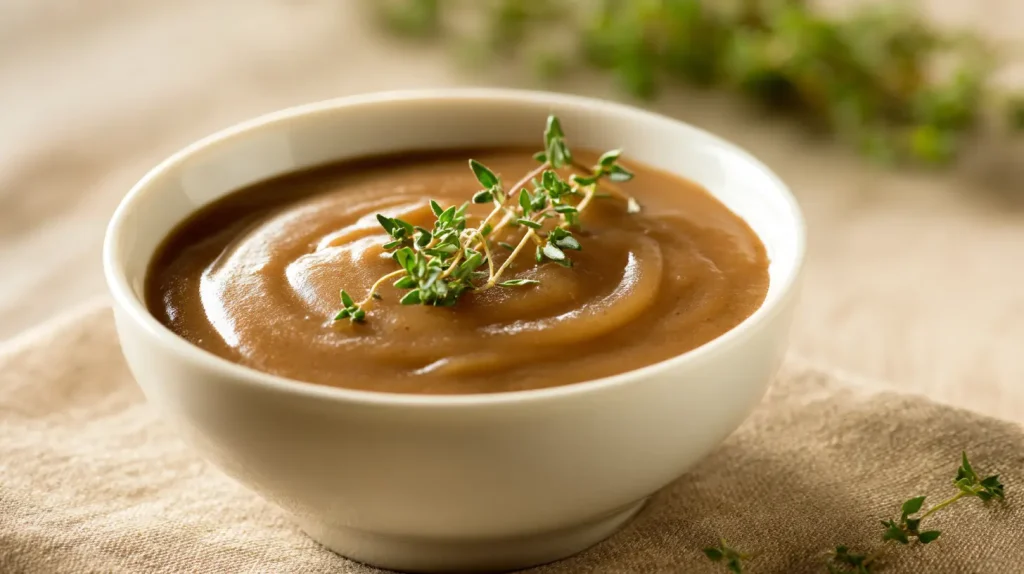
Preparing a thanksgiving gravy recipe from scratch is one of the most rewarding things you can add to your holiday meal. Even though gravy seems simple, the way it brings your entire Thanksgiving plate together is unmatched. When you take the time to build flavor slowly, whisk carefully, and season with intention, you create a sauce that feels richer and more personal than anything store-bought. This is the kind of homemade touch guests remember long after dinner is over.
Making your own gravy also gives you complete control over taste and consistency. Whether you prefer a silky pour-over texture or something slightly thicker to cling to mashed potatoes, you can adjust it easily. And because this thanksgiving gravy recipe is designed for home cooks of every skill level, you can prepare it confidently without feeling overwhelmed. It blends classic flavor with reliable technique, giving you a dependable result every single time you cook it.
Most importantly, mastering this gravy opens the door to yearly tradition. Once you learn how simple it is to build depth without drippings, save time with make-ahead methods, or personalize the flavor with herbs, you have a base you can return to every Thanksgiving. A good gravy ties every element on the table together, and this recipe gives you the foundation to make it beautifully, consistently, and with pride for years to come.
FAQ’s

Thanksgiving Gravy Recipe – Perfect Holiday Dinner Side
Course: Thanksgiving Recipes8
servings10
minutes20
minutes80
kcalIngredients
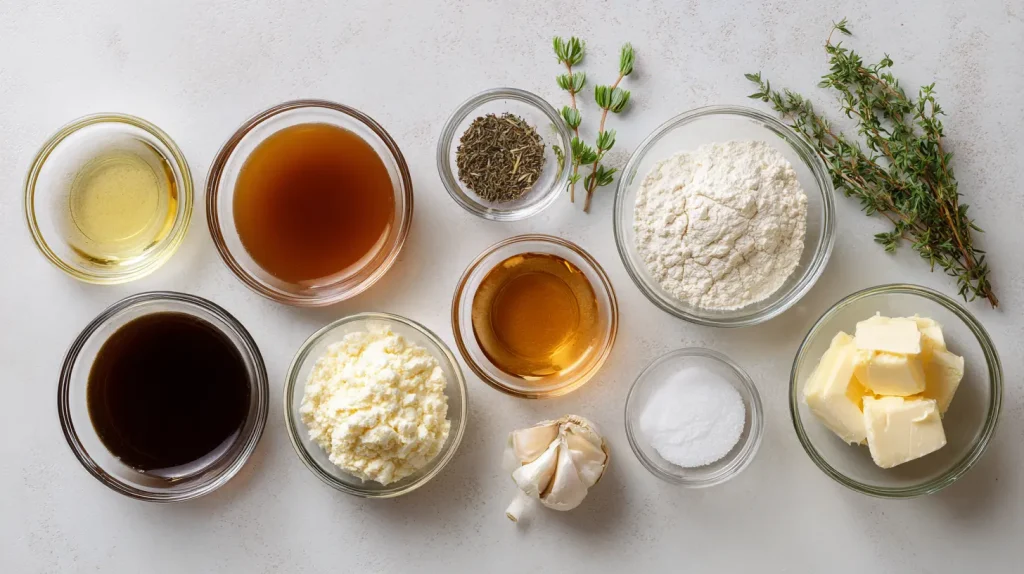
4 cups turkey stock or broth
4 tablespoons butter
4 tablespoons all purpose flour
Salt to taste
Ground black pepper to taste
Optional pan drippings from roasted turkey
Optional a small pinch of paprika for color
Optional a splash of milk or cream for extra richness
Directions
- Place your turkey stock in a small pot over medium low heat. Let it warm gently but do not bring it to a boil. Warm stock helps the gravy come together smoothly because it blends more easily with the roux. Cold stock tends to create lumps and slows the thickening process. Keeping the stock warm but not bubbling also allows you better control over consistency.
- In a separate saucepan, add the butter and melt it over medium heat. Allow it to melt evenly without rushing this step. When the butter melts gradually, it creates a stable foundation for the roux. If you use pan drippings, you may combine them with the butter at this stage for a more intense Thanksgiving Gravy flavor.
- Sprinkle the flour across the melted butter. Stir immediately with a whisk or a wooden spoon. The flour should absorb the fat and form a smooth paste. Cook this mixture for two to three minutes. This cooking step removes the raw flour taste and develops a deeper flavor. The mixture should look slightly foamy but not brown. A properly cooked roux helps the gravy thicken evenly and creates a silky texture.
- Pour in a small amount of the warm stock, stirring constantly. As the liquid blends with the roux, the mixture will thicken quickly. Continue adding the stock in small amounts, stirring thoroughly each time. This gradual process prevents lumps and allows the gravy to thicken smoothly. Once half the stock has been added and the texture becomes glossy, you can add the remaining stock more quickly.
- Bring the mixture to a gentle simmer. Keep the heat moderate and avoid boiling because boiling can break the structure of the roux and thin the gravy. Let the gravy simmer for about ten minutes. During this time, the flour will fully activate, and the gravy will thicken to a velvety consistency. The flavor will also develop as the ingredients combine.
- Taste the gravy and add salt as needed. Add ground black pepper gradually so you can control the heat level. If you want a richer color, stir in a small pinch of paprika. If you prefer a creamier finish, you may add a splash of milk or cream at this stage. The goal is to create a balanced flavor that enhances the entire meal without overpowering any dish.
- If you want a perfectly smooth Thanksgiving Gravy, pour it through a fine mesh strainer into a serving bowl or gravy boat. Straining removes any small lumps or bits of browned flour. This step is optional but recommended for a holiday table because it gives the gravy a polished, restaurant quality appearance.
- Keep the gravy warm on low heat or store it in a covered container until serving time. If it thickens as it sits, add a small amount of warm stock and whisk gently until smooth again.
Notes
- Warm stock helps prevent lumps and speeds up the thickening process.
- A lighter gravy uses less fat, but a richer gravy relies on the equal ratio of fat to flour.
- Avoid high heat because it can cause the gravy to scorch or become grainy.
- If the gravy becomes too thick, thin it with a spoonful of warm stock.
- If the gravy becomes too thin, simmer it longer or add a small amount of roux made separately.
- Strain for a smoother finish when serving guests.
- When Making Turkey Gravy with drippings, skim the fat before using the pan juices so the flavor does not become overly heavy.