
8 Things to Keep in Tomato Planting Hole to Grow Juicy and Sweet Tomatoes
Introduction
Growing flavorful tomatoes starts long before the first fruit appears. One of the most important steps is preparing the planting hole properly. Tomatoes are heavy feeders that benefit from nutrient-rich soil, and adding the right materials at planting time can encourage strong roots, healthy growth, and sweeter, juicier harvests.
Whether you’re growing tomatoes in a vegetable plot, a tiny vegetable garden, raised beds, or containers, giving plants a nutrient boost from the beginning can make a noticeable difference. The following ingredients are popular among experienced gardeners because they support healthy tomato development naturally.
Here are 8 things to keep in a tomato planting hole to grow juicy and sweet tomatoes.
Crushed Eggshells for Calcium
Eggshells are one of the most commonly recommended additions to a tomato planting hole. They slowly release calcium into the soil, helping to support healthy cell growth and reduce the risk of blossom end rot.
Crush the shells into small pieces before adding them to the hole. As they break down, they improve soil quality while providing a valuable nutrient for tomato plants.
This simple kitchen waste item can benefit your entire vegetable garden.

Compost for Nutrient-Rich Soil
Well-aged compost is one of the best ingredients for tomato planting holes. Compost improves soil structure, increases moisture retention, and provides a steady supply of nutrients throughout the growing season.
Mix a generous handful into the planting hole before placing the tomato plant. The organic matter encourages strong root development and healthier growth.
Compost is a foundation of successful kitchen garden ideas growing vegetables.
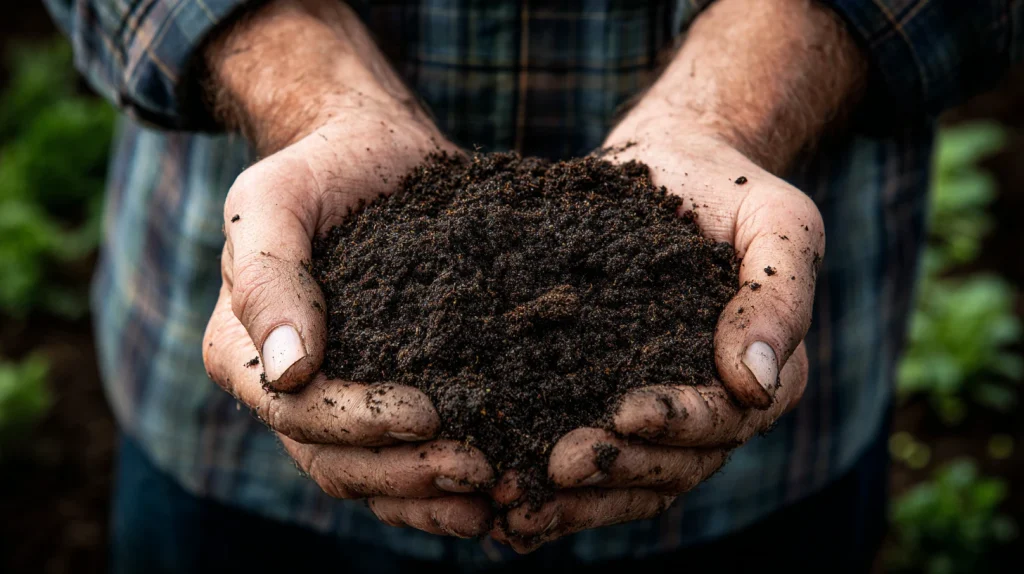
Bone Meal for Strong Roots
Bone meal is rich in phosphorus, which plays a key role in root development and flower production. Strong roots help plants absorb water and nutrients more efficiently, leading to healthier growth and better fruit production.
Add a small amount to the bottom of the planting hole and mix it with the soil before planting.
This amendment is particularly useful for young tomato seedlings.
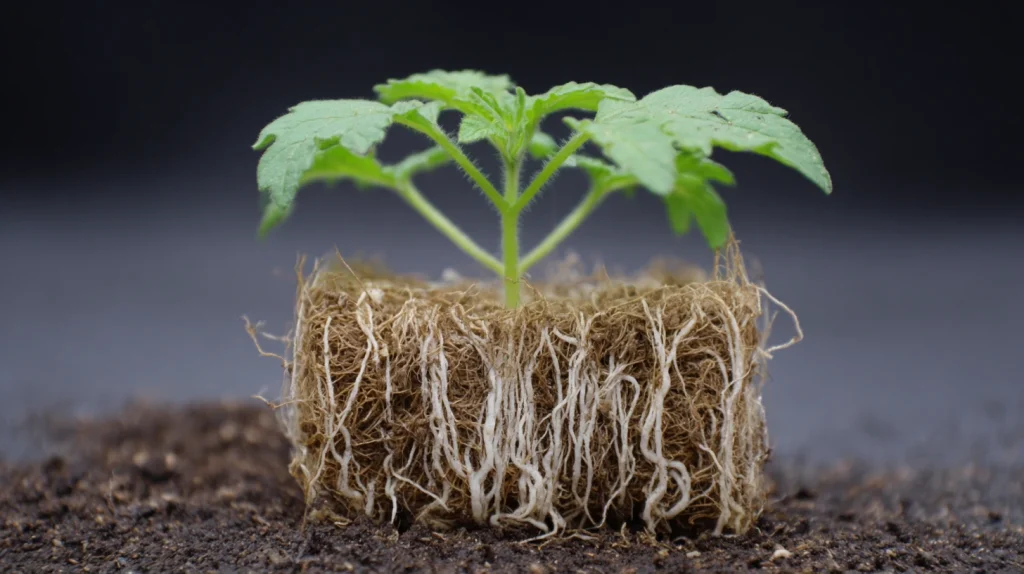
Worm Castings for Natural Nutrition
Worm castings are often called “black gold” by gardeners because they contain beneficial microbes and plant nutrients.
Adding a handful of worm castings to the planting hole helps improve soil fertility and supports vigorous plant growth. They release nutrients slowly, reducing the risk of overfeeding.
This is an excellent addition to both large vegetable plots and tiny vegetable gardens.

Epsom Salt for Magnesium
Tomatoes use magnesium to support healthy foliage and fruit production. A small amount of Epsom salt mixed into the planting hole can help prevent magnesium deficiencies.
Only a modest quantity is needed. Excessive use is unnecessary and may disrupt nutrient balance.
When used properly, Epsom salt can contribute to healthier plants and better yields.
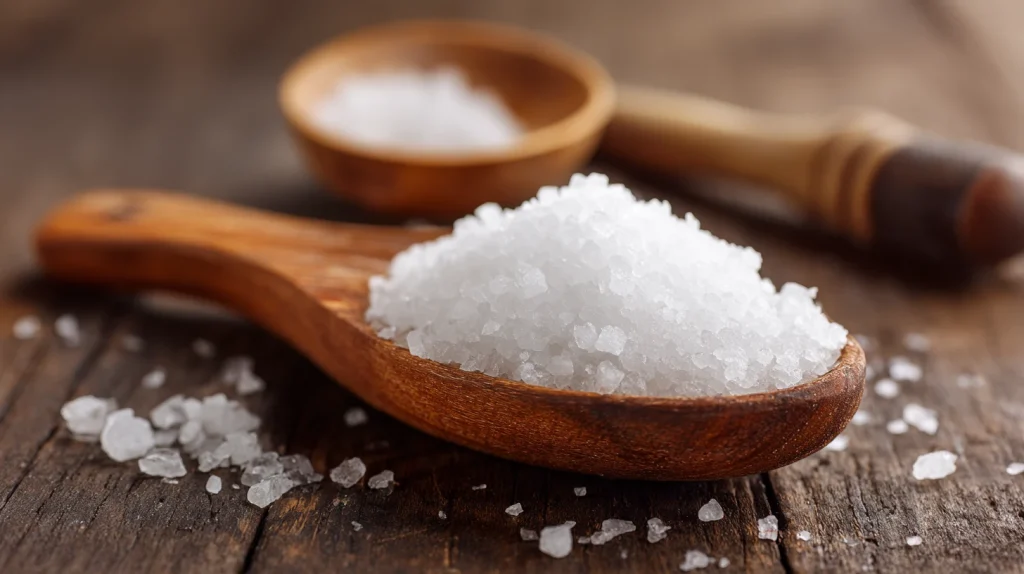
Aged Manure for Organic Fertility
Well-composted manure provides organic nutrients that support tomato growth throughout the season.
Aged manure improves soil texture while supplying nitrogen, phosphorus, and potassium. Always use fully composted manure rather than fresh manure, which can damage young plants.
This traditional gardening method remains popular in rustic vegetable garden ideas.
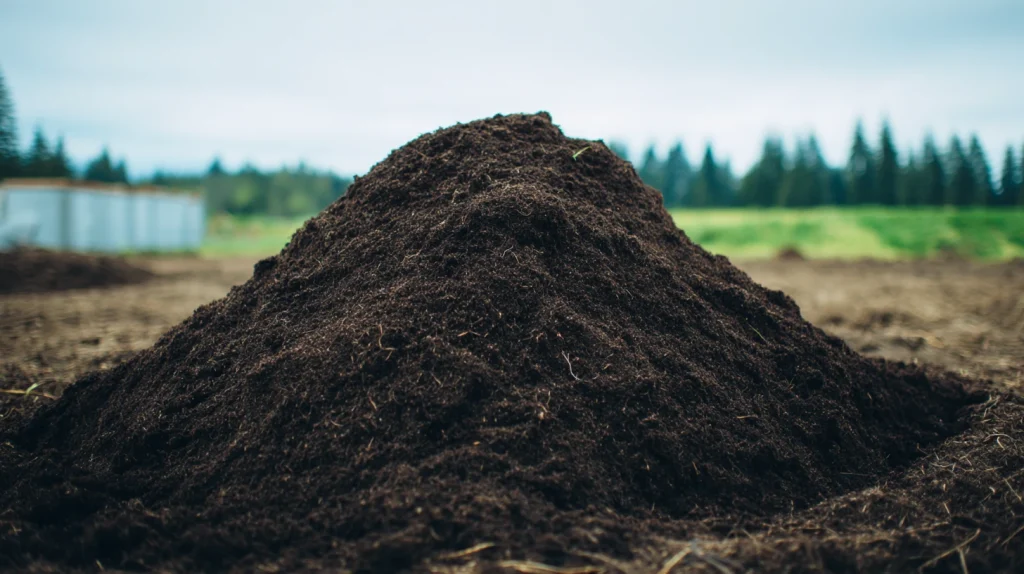
Fish Scraps for Slow-Release Nutrients
Many experienced gardeners bury fish scraps beneath tomato plants because they gradually release nutrients as they decompose.
Fish remains provide nitrogen, phosphorus, calcium, and trace minerals that benefit plant growth. To avoid attracting animals, bury scraps deeply and cover them well with soil.
This old gardening technique has been used successfully for generations.

Mycorrhizal Fungi for Better Root Growth
Mycorrhizal fungi form beneficial relationships with plant roots, helping them absorb water and nutrients more efficiently.
Adding a mycorrhizal inoculant directly to the planting hole can improve root establishment and overall plant health. Stronger root systems often result in better fruit production and improved drought tolerance.
This is especially useful in intensive vegetable planter ideas and raised-bed gardens.

Conclusion
Preparing the planting hole properly is one of the easiest ways to set tomato plants up for success. These 8 things to keep in a tomato planting hole to grow juicy and sweet tomatoes provide nutrients, improve soil quality, and encourage strong root development from the very beginning.
From compost and eggshells to worm castings and bone meal, each ingredient contributes to healthier plants and potentially larger, more flavorful harvests. Combined with proper watering, sunlight, and ongoing care, these simple additions can help transform an ordinary tomato crop into a truly productive dream vegetable garden.
By giving your tomatoes the right start, you’ll be rewarded with healthier plants and delicious homegrown fruit throughout the growing season.