
Vegan Lemon Cake Recipe – Easy, Creamy Cake Recipe
Vegan Lemon Cake
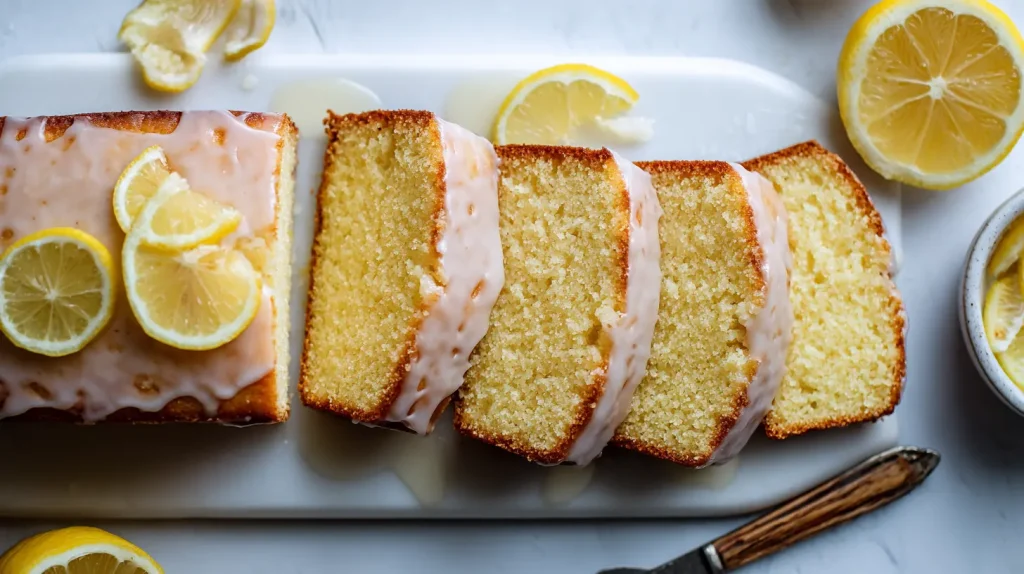
Vegan lemon cake is a bright, tender, and zesty dessert that brings a burst of freshness to any occasion. Unlike traditional cakes, this version avoids dairy and eggs, yet it still delivers a soft crumb, moist texture, and vibrant lemon flavor that feels indulgent without being heavy. Its golden color, delicate crumb, and tangy glaze make it visually appealing, while its subtle sweetness balances perfectly with the citrus notes.
What makes vegan lemon cake special is its versatility. It works for birthdays, afternoon teas, or a casual treat when you want something light yet celebratory. People love it because it combines the familiarity of classic lemon cakes with the satisfaction of a plant-based dessert. The natural flavors shine through, and it is a cake that appeals to vegans and non-vegans alike. The gentle lemon aroma fills your kitchen during baking, creating anticipation even before the first slice is served.
This cake is a great example of how simple ingredients can create extraordinary results. Its texture is soft and fine, yet it holds together well, making slicing and serving easy. The crumb is tender but resilient, ideal for frosting or glazing without crumbling. This vegan lemon cake proves that plant-based desserts can be as enjoyable, flavorful, and visually stunning as any traditional cake.
Why You’ll Love This Recipe
This vegan lemon cake recipe stands out because it gives you professional-level results in a home kitchen. It balances moistness, tenderness, and flavor with precise yet straightforward steps. You will love how this recipe uses simple pantry ingredients that are easy to find while achieving a light, airy crumb that is still moist. The lemon zest and juice provide an unmistakable citrus brightness that elevates the cake beyond ordinary vegan bakes.

Another reason this recipe shines is its adaptability. You can prepare it as a simple loaf, a layered cake, or even a cupcake. This flexibility makes it ideal for a variety of occasions, whether as a show-stopping vegan birthday cake, a casual dessert for guests, or a treat for yourself. Finally, this cake showcases how plant-based baking can be straightforward yet refined. The steps focus on technique, such as gentle folding and proper mixing, ensuring that even home bakers without specialized tools can create an impressive, tender vegan lemon cake.
Preparation and Cooking Time, also serving
This timing allows for proper mixing, careful folding, and thorough baking to achieve the perfect soft, fine crumb without drying the cake.
Ingredients
Substitution Notes
Step-by-Step Instructions

Step 1: Prepare the Oven and Pan
Preheat your oven to 350°F (175°C). Grease a 9-inch round cake pan or line it with parchment paper. Ensuring the pan is prepared correctly helps the vegan lemon cake release easily and maintain its structure.
Step 2: Mix Dry Ingredients
In a large mixing bowl, sift together the all-purpose flour, baking powder, baking soda, and salt. Whisk them together to ensure even distribution. Sifting aerates the flour, which helps create the soft, tender crumb characteristic of a simple vegan cake.
Step 3: Combine Wet Ingredients
In a separate bowl, mix the sugar, plant-based milk, lemon juice, lemon zest, vegetable oil, vanilla extract, and apple cider vinegar. Stir until fully combined. The acid from the lemon juice and vinegar reacts with the baking soda to provide lift, giving the cake an airy texture.
Step 4: Incorporate Wet and Dry Ingredients
Make a well in the center of the dry ingredients and pour in the wet mixture. Gently fold the batter together using a spatula until just combined. Avoid overmixing, as this can make the cake dense. Folding carefully preserves the light, fluffy crumb typical of vegan lemon baking.
Step 5: Bake the Cake
Pour the batter into the prepared pan and smooth the top. Bake for 35-40 minutes, or until a toothpick inserted into the center comes out clean. Oven temperatures vary, so begin checking at 35 minutes to avoid overbaking, which can dry out the cake.
Step 6: Cool and Glaze
Allow the cake to cool in the pan for 10 minutes, then transfer it to a wire rack. If desired, prepare the glaze by mixing powdered sugar with lemon juice and drizzle it over the slightly warm cake. Let the glaze set before slicing. This creates a glossy finish that enhances both appearance and flavor.
How to Serve
Vegan lemon cake is best enjoyed at room temperature, which allows the delicate crumb to shine and the bright citrus flavors to be fully appreciated. Use a serrated knife to slice the cake evenly, preserving the soft, tender texture. For a clean presentation, serve the slices on a simple white or pastel plate to make the golden cake and any glaze or frosting stand out.
To elevate the experience, lightly dust the top with powdered sugar or drizzle with a tangy lemon glaze. You can also garnish with fresh lemon zest or edible flowers for a visually stunning presentation. A few fresh berries, such as blueberries or raspberries, can add both color and a subtle fruity contrast that complements the lemon flavor beautifully.
Pairing the cake with accompaniments can enhance its appeal. Serve it alongside a cup of hot tea or coffee for a cozy treat, or add a dollop of plant-based whipped cream for a more indulgent dessert. For layered or birthday versions, a thin spread of vegan frosting between layers and a decorative glaze on top can create an elegant centerpiece suitable for celebrations. Individual servings on small dessert plates with a garnish of lemon zest or a mint leaf make the cake feel café-style and special, perfect for serving guests or treating yourself.
Additional Tips
Recipe Variations
Freezing and Storage
Nutritional Information
These values are approximate and may vary depending on ingredient brands and portion sizes.
Final Words
Vegan lemon cake is a shining example of how simple, plant-based ingredients can produce a dessert that is both beautiful and delicious. Its tender crumb, moist texture, and bright citrus flavor make it a cake that stands out on any table, whether for birthdays, casual gatherings, or special occasions. Baking it at home allows you to experience the satisfaction of creating a cake from scratch, knowing exactly what goes into it while achieving professional-level results.
Making this cake at home also gives you the freedom to adapt it to your preferences. You can adjust sweetness, add fruit, create layered versions, or even turn it into cupcakes or a bundt cake. Each variation maintains the soft, fine crumb and zesty lemon flavor that define this vegan lemon cake. This flexibility ensures it can suit different occasions, dietary needs, and presentation styles, making it a versatile staple in your baking repertoire.
Most importantly, this cake demonstrates that plant-based baking doesn’t have to be complicated or intimidating. By following careful steps and using quality ingredients, you can create a dessert that delights both vegans and non-vegans alike. Every slice embodies care, flavor, and freshness, reminding home cooks that thoughtful, well-executed vegan baking can be just as indulgent and memorable as traditional desserts.
FAQ’s

Vegan Lemon Cake Recipe – Easy, Creamy Cake Recipe
Course: Desserts8
servings20
minutes40
minutes230
kcalIngredients
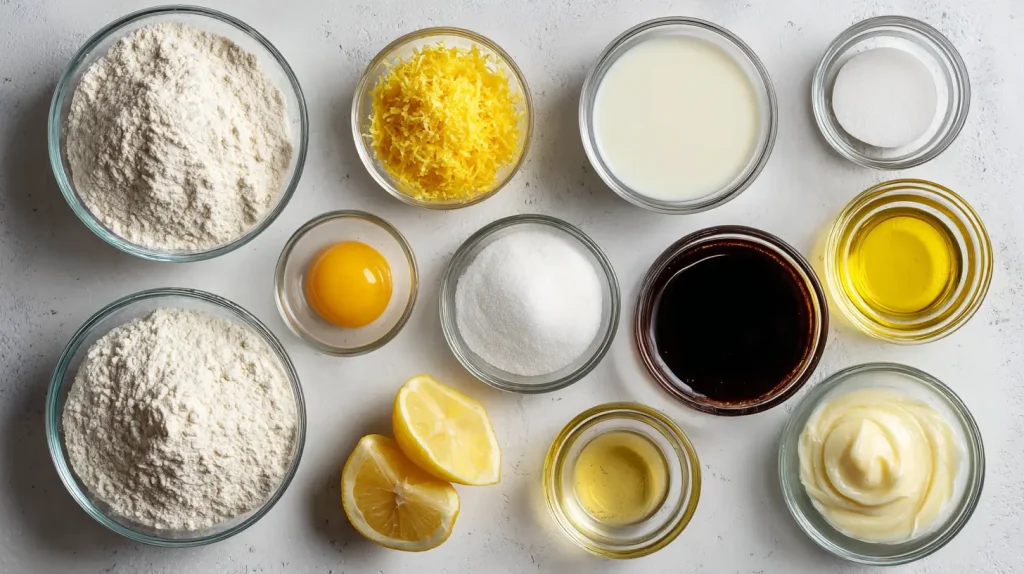
All-purpose flour: 2 cups
Baking powder: 2 teaspoons
Baking soda: 1 teaspoon
Salt: 0.5 teaspoon
Granulated sugar: 1 cup
Unsweetened plant-based milk: 1 cup
Lemon juice: 3 tablespoons
Lemon zest: 2 tablespoons
Vegetable oil: 0.5 cup
Vanilla extract: 1 teaspoon
Apple cider vinegar: 1 tablespoon
Optional glaze: powdered sugar 0.5 cup, lemon juice 1 tablespoon
Directions
- Preheat your oven to 350°F (175°C). Grease a 9-inch round cake pan or line it with parchment paper. Ensuring the pan is prepared correctly helps the vegan lemon cake release easily and maintain its structure.
- In a large mixing bowl, sift together the all-purpose flour, baking powder, baking soda, and salt. Whisk them together to ensure even distribution. Sifting aerates the flour, which helps create the soft, tender crumb characteristic of a simple vegan cake.
- In a separate bowl, mix the sugar, plant-based milk, lemon juice, lemon zest, vegetable oil, vanilla extract, and apple cider vinegar. Stir until fully combined. The acid from the lemon juice and vinegar reacts with the baking soda to provide lift, giving the cake an airy texture.
- Make a well in the center of the dry ingredients and pour in the wet mixture. Gently fold the batter together using a spatula until just combined. Avoid overmixing, as this can make the cake dense. Folding carefully preserves the light, fluffy crumb typical of vegan lemon baking.
- Pour the batter into the prepared pan and smooth the top. Bake for 35-40 minutes, or until a toothpick inserted into the center comes out clean. Oven temperatures vary, so begin checking at 35 minutes to avoid overbaking, which can dry out the cake.
- Allow the cake to cool in the pan for 10 minutes, then transfer it to a wire rack. If desired, prepare the glaze by mixing powdered sugar with lemon juice and drizzle it over the slightly warm cake. Let the glaze set before slicing. This creates a glossy finish that enhances both appearance and flavor.
Notes
- Always measure your flour correctly; too much flour can dry out vegan cakes. Sifting or spooning the flour into the measuring cup helps maintain the perfect texture.
- Use room temperature plant-based milk and oil for even mixing. Cold ingredients can cause the batter to curdle and affect rise.
- Gently fold the wet and dry ingredients rather than stirring aggressively. This preserves the aeration and lightness of the cake.
- Check the cake for doneness using a toothpick; it should come out clean but not dry. Overbaking is a common cause of dense vegan cakes.
- Allow the cake to cool completely before glazing or slicing to avoid breaking the tender crumb. Cooling on a wire rack ensures air circulates around the cake for even temperature.