

Vanilla Buttercream Frosting That’s Smooth, Stable, and Bakery Perfect
Introduction to Vanilla Buttercream Frosting
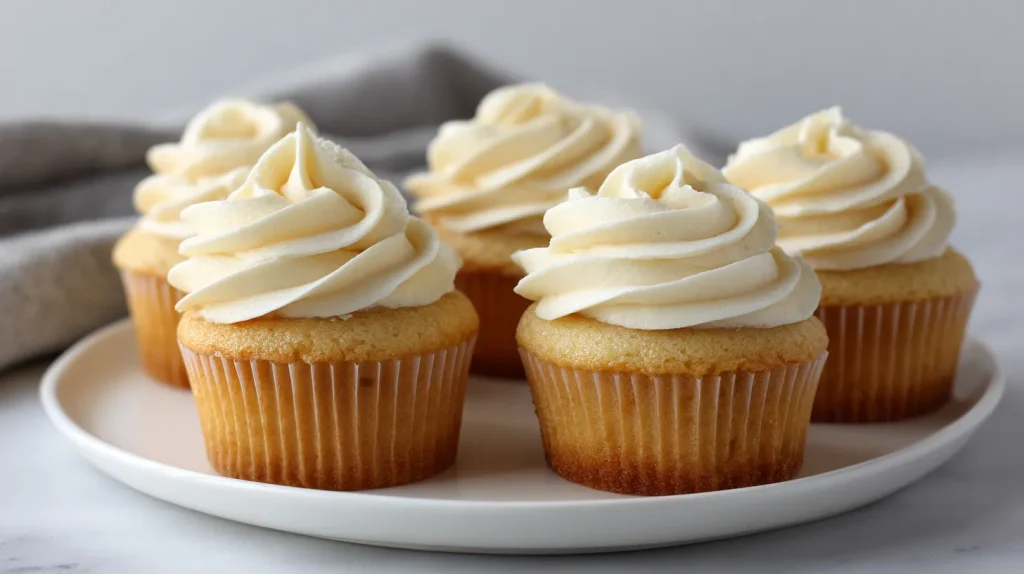
Vanilla buttercream frosting is the backbone of classic cake decorating and one of the most trusted frostings in home and professional kitchens. When made correctly, it is smooth, lightly sweet, rich without being heavy, and easy to spread or pipe. The flavor is clean and comforting, with butter taking the lead and vanilla rounding every thing out. This balance is why vanilla buttercream frosting works on nearly every type of cake, cupcake, or dessert.
People love vanilla buttercream frosting because it delivers reliability. It holds its shape, spreads evenly, and accepts color beautifully. Whether you are frosting a simple birthday cake or working on detailed cake decorating ideas with buttercream, this frosting gives you control. It is also endlessly adaptable. From buttercream icing for cupcakes to the best white buttercream frosting for wedding cakes, the same base recipe can be adjusted with ease.
What sets a great vanilla buttercream frosting apart is texture. It should feel silky on the palate, not gritty or greasy. The sweetness should support the cake rather than overpower it. When done right, this frosting becomes the quiet hero of desserts, enhancing flavor and presentation without stealing the spotlight.
Why You’ll Love This Recipe
Balanced Sweetness With Real Flavor
This vanilla buttercream frosting is carefully measured to avoid the overly sweet taste common in many basic frosting recipes. The butter flavor comes through clearly, supported by vanilla rather than buried under sugar.
Reliable for Decorating and Piping
This recipe creates a stable frosting that works beautifully for cake frosting for decorating. It holds peaks, pipes clean lines, and stays smooth on the cake surface, making it ideal for both beginners and experienced bakers.
Flexible for Many Desserts
From buttercream icing recipe for cupcakes to buttercream icing for cake layers, this frosting adapts easily. It can be made firmer or softer depending on how you plan to use it.
Preparation and Cooking Time Also Serving
Ingredients for Vanilla Buttercream Frosting
Substitution Notes
Heavy cream can be replaced with milk for a lighter texture. Plant based butter and dairy free cream can be used for a dairy free version. Vanilla bean paste may replace vanilla extract for deeper flavor.
Step by Step Instructions
Step 1: Preparing the Butter
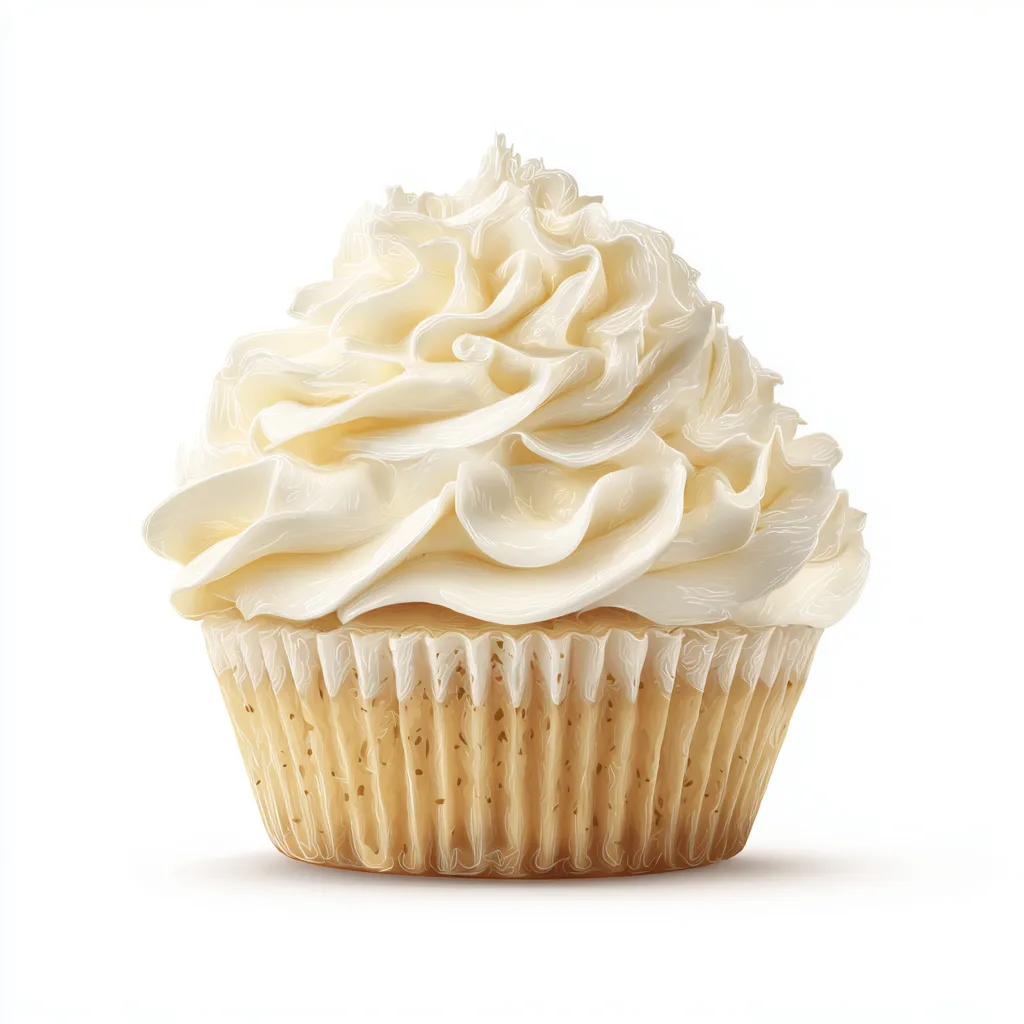
Place softened butter in a large mixing bowl. The butter should be soft enough to press easily but not melted. This temperature is key for smooth texture.
Step 2: Whipping the Butter
Using a hand mixer or stand mixer, beat the butter on medium speed for three to four minutes. The butter should become pale, fluffy, and smooth. This step builds the base texture for the frosting.
Step 3: Three Adding the Sugar
Lower the mixer speed and add powdered sugar gradually, one cup at a time. Mixing slowly prevents air pockets and keeps the frosting smooth. Scrape the bowl often.
Step 4: Flavor and Texture Adjustment
Add vanilla extract, salt, and two tablespoons of cream. Increase speed to medium and beat until fully combined. Add remaining cream gradually until desired consistency is reached.
Step 5: Final Whip
Increase speed to medium high and beat for two more minutes. The frosting should look light, silky, and hold soft peaks.
How to Serve Vanilla Buttercream Frosting
Serving vanilla buttercream frosting correctly elevates both the taste and the overall presentation of your dessert. For cakes, always frost when the cake layers are completely cooled. A slightly warm cake will melt the buttercream and ruin its structure. Start with a thin crumb coat, chill briefly, then apply the final layer. This creates a clean, professional finish and makes the frosting look smooth and intentional rather than heavy. For classic layer cakes, keep the sides neat and the top slightly textured for a bakery style look.
When serving cupcakes, vanilla buttercream frosting works best when piped rather than spread. Use a piping bag with a star or round tip and apply steady pressure to create even swirls. This buttercream icing for cupcakes holds its shape well and gives height without collapsing. For casual gatherings, keep the piping simple. For celebrations, add light garnishes such as chocolate curls, sprinkles, or fresh fruit to enhance visual appeal without overpowering the frosting.
Vanilla buttercream frosting pairs beautifully with many desserts beyond cake. It can be served between cookie layers, spread on brownies, or used as a filling for sandwich cakes. For plated desserts, apply a spoonful of frosting alongside the cake slice rather than directly on top, allowing guests to control sweetness. Always allow frosted desserts to sit at room temperature for 15 to 20 minutes before serving. This softens the frosting, improves flavor release, and delivers the smooth, creamy texture that defines perfect vanilla frosting.
Secret Behind This Recipe
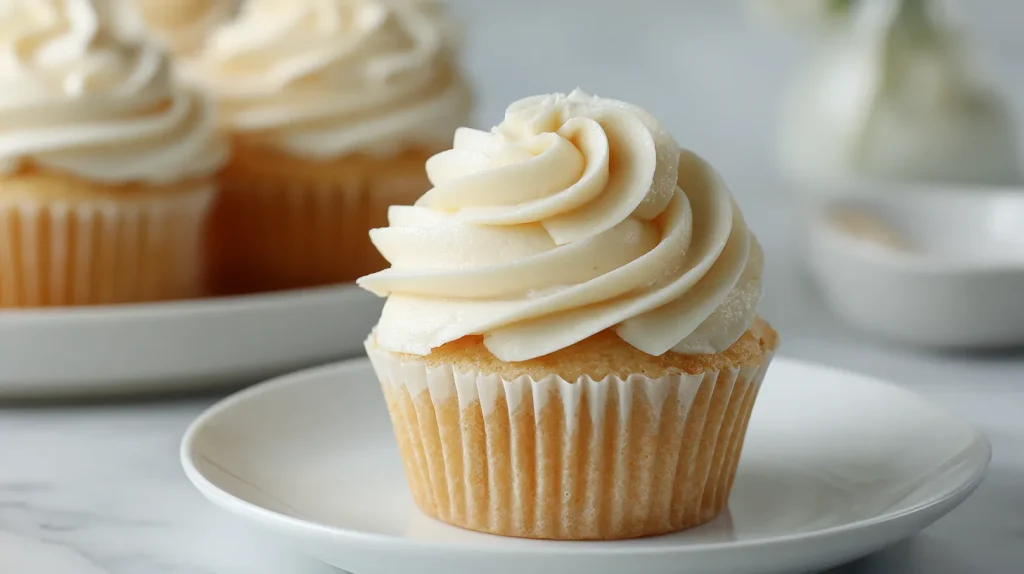
The true secret is fully whipping the butter before adding sugar. This step creates a smooth base that prevents graininess and ensures the frosting stays light. Another key detail is sifting the powdered sugar. Fine sugar blends seamlessly, giving you the perfect vanilla frosting texture.
Recipe Variations
Additional Tips
For the best vanilla buttercream frosting, always use softened butter that is cool to the touch, not melted, so the frosting stays light and holds its shape. Sift the powdered sugar before mixing to avoid grainy texture and ensure a smooth finish. Beat the frosting long enough to incorporate air, but stop once it looks fluffy and silky to prevent it from becoming loose. If the frosting feels too thick, add cream a teaspoon at a time until it spreads easily. If it feels too soft, chill it briefly, then rewhip. Always adjust consistency based on how you plan to use it, whether for piping, spreading, or detailed decorating.
Freezing and Storage
Vanilla buttercream frosting stores very well when handled correctly. For short term storage, keep it in an airtight container in the refrigerator for up to one week. Before using, bring it to room temperature and rewhip briefly to restore its smooth, fluffy texture. For longer storage, vanilla buttercream frosting can be frozen for up to three months. Place it in a freezer safe container, press plastic wrap directly onto the surface to prevent air exposure, and seal tightly. Thaw overnight in the refrigerator, then let it soften at room temperature and rewhip before using to ensure the best consistency and flavor.
Nutritional Information Per Serving
Final Words
Vanilla buttercream frosting is truly a cornerstone of baking, transforming even a simple cake into a dessert that looks professional and tastes irresistible. Its creamy texture, balanced sweetness, and classic flavor make it universally loved, whether you are decorating cupcakes for a casual gathering or crafting an elaborate layered cake for a special celebration. Mastering this frosting opens up endless possibilities: you can create smooth, elegant finishes, intricate piped designs, or playful swirls for a whimsical touch.
Making vanilla buttercream frosting from scratch not only ensures superior flavor but also gives you complete control over texture and sweetness. Unlike store-bought options, homemade frosting can be customized to suit the cake, occasion, or even the season. You can adjust the thickness for piping, make it softer for spreading, or whip it to light, airy perfection for a melt-in-your-mouth experience. It pairs beautifully with countless desserts, from rich chocolate cakes to light fruit-based treats, and even as a filling for sandwich cookies or layered bars.
Beyond flavor and versatility, making your own frosting fosters confidence and creativity in the kitchen. Each batch teaches you more about balance, technique, and how small adjustments affect the final result. Once you’ve experienced the smooth, stable, and flavorful texture of perfectly whipped vanilla buttercream frosting, it becomes a trusted tool in your baking repertoire, ready to elevate any dessert you create. Investing the time to make this frosting at home rewards you with a professional finish, a deliciously sweet result, and the satisfaction of knowing you made it all yourself. Great cakes deserve great frosting, and this vanilla buttercream delivers on every level, turning every bite into a moment worth savoring.
FAQs

Vanilla Buttercream Frosting That’s Smooth, Stable, and Bakery Perfect
Course: Desserts24
servings15
minutes10
minutes180
kcalIngredients
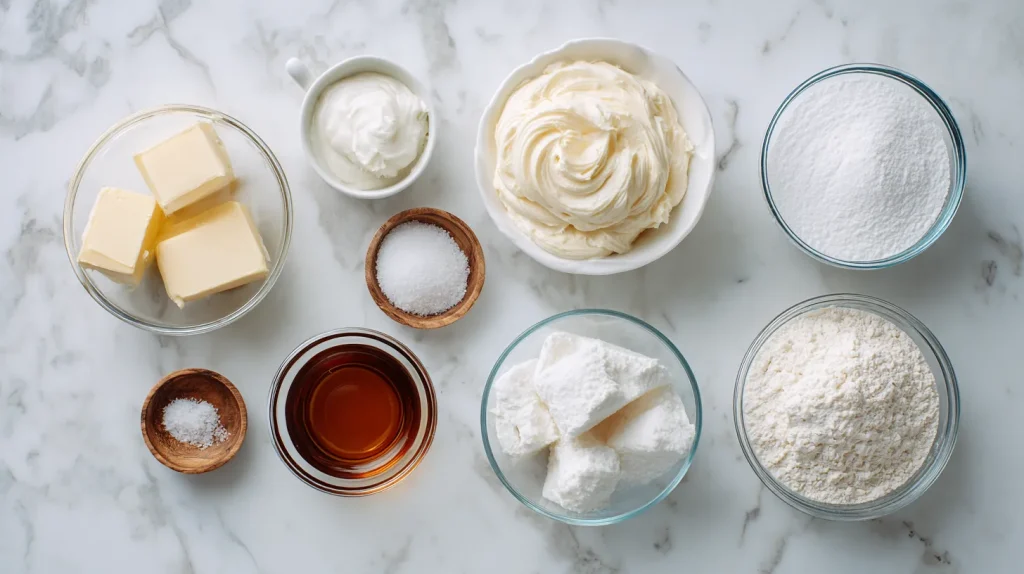
Unsalted butter softened 1 cup or 226 grams
Powdered sugar sifted 4 cups or 480 grams
Heavy cream 3 to 4 tablespoons
Pure vanilla extract 2 teaspoons
Fine salt 1 pinch
Directions
- Place softened butter in a large mixing bowl. The butter should be soft enough to press easily but not melted. This temperature is key for smooth texture.
- Using a hand mixer or stand mixer, beat the butter on medium speed for three to four minutes. The butter should become pale, fluffy, and smooth. This step builds the base texture for the frosting.
- Lower the mixer speed and add powdered sugar gradually, one cup at a time. Mixing slowly prevents air pockets and keeps the frosting smooth. Scrape the bowl often.
- Add vanilla extract, salt, and two tablespoons of cream. Increase speed to medium and beat until fully combined. Add remaining cream gradually until desired consistency is reached.