

Perfect Pie Crust Recipe – Flaky and Buttery Every Time
Pie Crust Recipe
A great pie always begins with a dependable pie crust recipe. Before the filling is chosen and before the oven is heated, the crust decides the success of the entire dessert. A well made crust should be crisp enough to hold its shape, tender enough to cut cleanly, and rich without feeling heavy. When baked correctly, it adds flavor, texture, and structure instead of simply acting as a container. This is why mastering a good pie crust recipe is one of the most important skills for any home baker.
What sets this pie crust recipe apart is how it balances simplicity with precision. It uses familiar pantry ingredients, yet relies on proper technique rather than shortcuts. Cold butter is worked into the flour just enough to create visible layers, which later turn into flakes during baking. Controlled hydration keeps the dough flexible without becoming sticky, while resting time allows the gluten to relax naturally. These details are what transform a basic pie dough recipe into a perfect pie crust.
Many people avoid making homemade pie crusts because they fear toughness, shrinkage, or uneven baking. This recipe addresses those concerns directly. It is designed to be forgiving, even for beginners. The dough rolls smoothly, lifts easily from the counter, and fits into the pan without tearing. Whether you are preparing a classic pie crust for fruit fillings or an easy pumpkin pie crust for holiday baking, this method delivers reliable results every time.
Another reason this pie crust recipe is so widely loved is its adaptability. It works beautifully as an all butter pie crust, but it also transitions well into modern variations. You can turn it into an oat flour pie crust recipe, an oatmeal flour pie crust, or an oat pie crust healthy option with minor adjustments. For those learning how to make oat flour pie crust or experimenting with oat flour pie crust gluten free baking, this recipe provides a stable starting point that still tastes rich and satisfying.
Beyond technique, this recipe teaches understanding. Each step explains not just what to do, but how the dough should feel in your hands. Over time, this builds confidence and intuition. With practice, you no longer rely solely on measurements. You recognize when the crust recipe easy enough for everyday baking becomes a trusted foundation for pies, tarts, and pastries.
A reliable homemade pie crust recipe is not about perfection on the first attempt. It is about consistency, comfort, and control. Once you master this one, it becomes second nature, and every pie you bake feels intentional, thoughtful, and truly homemade.
Why You’ll Love This Recipe
This pie crust recipe is built on clarity and control. Every step has a reason, and every ingredient plays a role.
First, it delivers consistent results. Whether you are baking once a year or every weekend, this good pie crust recipe behaves predictably. The dough rolls smoothly without cracking and bakes into distinct flaky layers.
Second, it is flexible. This simple crust recipe easily adapts into variations like all butter pie crust, oat flour pie crust recipe, or even an oat flour pie crust gluten free version with small adjustments. That flexibility makes it a go to base for many pie pastry recipes crusts.
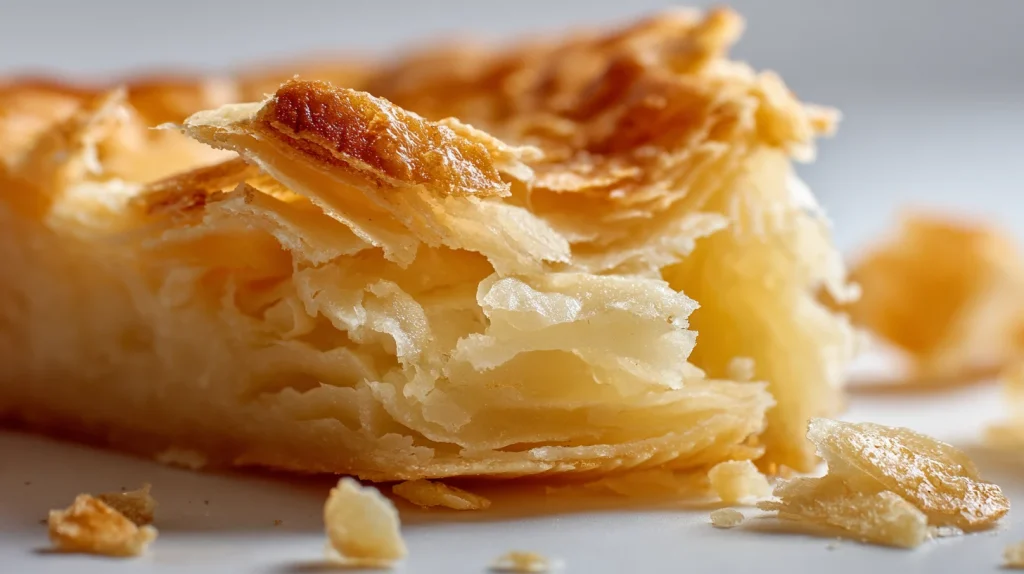
Third, the flavor is clean and balanced. Butter shines without overpowering the filling. The crust supports the pie instead of competing with it. This is what separates a homemade pie crust recipe from shortcuts.
Finally, it teaches skill. Making this pie dough recipe once builds understanding that carries into other baking projects. That is why master chefs still return to classic pie crust fundamentals.
Preparation and Cooking Time, Also Serving
Ingredients
Substitution Notes
Step by Step Instructions
Step 1: Measure and Chill Everything
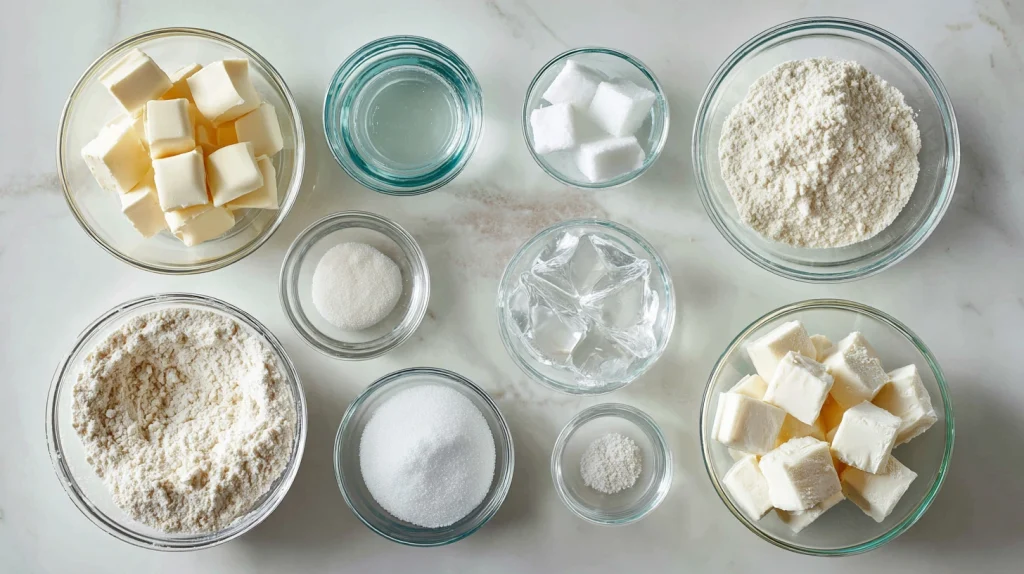
Accurate measuring is the first rule of a perfect pie crust. Use a scale if possible. Keep butter cold until the moment you use it. Cold fat creates flaky layers.
Step 2: Mix Dry Ingredients
Combine flour, salt, and sugar in a wide bowl. Mix evenly so seasoning distributes throughout the crust recipe easy and evenly.
Step 3: Cut in the Butter
Add cold butter cubes and work them into the flour using your fingertips or a pastry cutter. Stop when pieces range from pea sized to almond sized. This texture is key to a classic pie crust.
Step 4: Add Water Gradually
Drizzle ice water in small amounts, gently tossing the mixture. Stop as soon as the dough holds together when pressed. Overhydrating ruins texture.
Step 5: Rest the Dough
Divide dough into discs, wrap tightly, and chill for at least one hour. Resting relaxes gluten and firms butter.
Step 6: Roll with Care
Roll dough from the center outward, rotating often. Dust lightly with flour to prevent sticking.
Step 7: Shape and Prepare for Baking
Transfer dough to pan, ease it into corners, and trim edges cleanly. Chill again before baking for best structure.
How to Serve
Serving a pie made with a well crafted pie crust recipe is about respecting the work that went into it. Timing, temperature, and presentation all matter. For fruit pies, allow the pie to cool completely before slicing. This gives the filling time to set and prevents the crust from collapsing under pressure. A sharp knife dipped briefly in hot water and wiped clean between cuts helps maintain clean slices and crisp edges.
Sweet pies pair best with elements that complement, not overpower, the crust. A classic butter pie crust shines when served with lightly sweetened whipped cream or a scoop of plain vanilla ice cream. For spiced pies like pumpkin or apple, a drizzle of warm caramel or a spoon of crème fraîche adds richness while letting the pastry remain the star.
Savory pies benefit from contrast. Serve slices with fresh salads dressed in acidic vinaigrettes or lightly roasted vegetables. The richness of a pastry pie crust recipe feels balanced when paired with bright, clean flavors. If serving warm, reheat slices gently in the oven rather than the microwave to preserve texture.
Presentation matters. Wipe plates clean, keep crust edges intact, and allow the layers to show. A good pie crust recipe deserves to be seen as well as tasted. Whether served casually or at a formal gathering, a properly plated pie reflects care, confidence, and craftsmanship.
Secret Behind This Recipe
The real secret of this pie crust recipe is restraint. Many home cooks overwork dough trying to make it smooth. In reality, visible butter pieces and minimal handling create the best pastry pie crust recipe texture. Cold ingredients, gentle mixing, and patience during chilling are what make this crust reliable and repeatable.
Recipe Variations
Additional Tips
Freezing and Storage
Nutritional Information
Final Words
A reliable pie crust recipe is one of the most valuable tools a home cook can have. It opens the door to countless desserts and savory dishes, builds confidence in the kitchen, and removes the fear that often surrounds baking. Once you understand how flour, butter, water, and temperature work together, pie making becomes intuitive rather than intimidating.
This recipe is designed to be dependable. It respects classic technique while staying approachable. It allows room for learning, small mistakes, and personal adjustments without punishing the final result. That is what makes it a good pie crust recipe worth returning to again and again.
Whether you are exploring pie crust recipes for the first time, refining your skills as a home baker, or experimenting with oat flour crust and gluten free options, this foundation supports your creativity. Each time you make it, your hands develop better judgment. You learn when the dough has enough moisture, when it needs rest, and how it should feel under the rolling pin.
Cooking and baking at home is about more than following instructions. It is about understanding ingredients and trusting the process. This homemade pie crust recipe gives you that understanding. With practice, it becomes second nature, and with confidence, it becomes something you are proud to serve.
FAQs

Perfect Pie Crust Recipe – Flaky and Buttery Every Time
Course: Desserts4
servings20
minutes1
hour220
kcalIngredients
2 ½ cups all purpose flour
1 teaspoon fine salt
1 teaspoon sugar
1 cup unsalted butter, very cold and cubed
1 cup unsalted butter, very cold and cubed
Directions
- Accurate measuring is the first rule of a perfect pie crust. Use a scale if possible. Keep butter cold until the moment you use it. Cold fat creates flaky layers.
- Combine flour, salt, and sugar in a wide bowl. Mix evenly so seasoning distributes throughout the crust recipe easy and evenly.
- Add cold butter cubes and work them into the flour using your fingertips or a pastry cutter. Stop when pieces range from pea sized to almond sized. This texture is key to a classic pie crust.
- Drizzle ice water in small amounts, gently tossing the mixture. Stop as soon as the dough holds together when pressed. Overhydrating ruins texture.
- Divide dough into discs, wrap tightly, and chill for at least one hour. Resting relaxes gluten and firms butter.
- Roll dough from the center outward, rotating often. Dust lightly with flour to prevent sticking.