

Creamy Lemon Cheesecake Recipe – Easy & Elegant Dessert
Lemon Cheesecake
Lemon cheesecake is one of those desserts that feels timeless yet always exciting. It combines the rich, creamy texture of a traditional cream cheesecake with the clean, fresh taste of lemon. The first bite should feel smooth and comforting, then finish with a gentle citrus lift that keeps the dessert from feeling heavy. That balance is exactly why lemon cheesecake has remained popular across generations and seasons.
What makes lemon cheesecake special is how it walks the line between indulgent and refreshing. The cream cheese gives you body and depth, while lemon adds brightness and clarity. A well-made lemon cheesecake does not taste sour or sharp. Instead, it tastes elegant, rounded, and lightly tangy, with a soft sweetness that lingers. This is why it works so well as a spring cheesecake, a summer birthday dessert idea, or even a refined end to a formal dinner.
People love lemon cheesecake because it feels familiar but elevated. It can be dressed up as a fancy lemon cheesecake for guests or kept simple as a classic lemon cheesecake for family gatherings. When done right, it feels like an incredible dessert that belongs both in a home kitchen and on a fine dining menu.
Why You’ll Love This Recipe
This lemon cheesecake recipe is built on technique, not shortcuts. It respects the fundamentals of a traditional cheesecake with lemon while making each step clear and manageable for home cooks.
You will love this recipe because it delivers a true lemon flavor without overpowering the creaminess. The lemon is layered using zest, juice, and a smooth lemon curd for cheesecake, which creates depth rather than sharpness. The texture is dense but silky, never dry or grainy.
This recipe also focuses on control. From mixing to baking, every step is designed to prevent cracks, sinking, or a heavy mouthfeel. The result is a gourmet lemon cheesecake that slices cleanly, holds its shape, and tastes even better the next day.
Most importantly, this is an easy lemon cheesecake instruction set that teaches you how and why things work. Once you understand this method, you can apply it to other cheesecake recipes lemon or otherwise, with confidence.
Preparation and Cooking Time
This timing allows the lemon cheesecake to fully set and develop flavor. Cheesecake is not a rush dessert, and patience is part of what makes it elegant and refined.
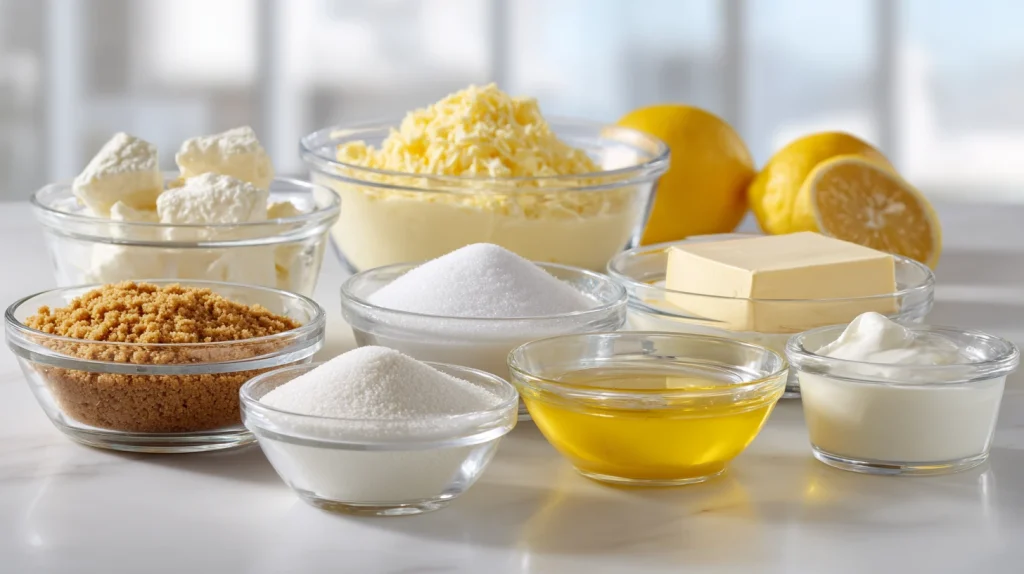
Ingredients
For the crust
For the cheesecake filling
For the lemon cheesecake topping
Substitution notes:
Digestive biscuits can be replaced with graham crackers or plain tea biscuits. Cream cheese must be full-fat for proper texture. Heavy cream can be replaced with whipping cream of similar fat content. Lemon curd can be homemade or store-bought, but it should be smooth and not overly sweet.
Step-by-Step Instructions
Step 1: Prepare the Crust
Start by preheating your oven to 170°C. Line the base of a 23 cm springform pan with baking paper. This makes removal easier later.
Combine the crushed biscuits and melted butter in a bowl. Mix until the texture resembles damp sand and holds together when pressed. Transfer this mixture into the prepared pan and press it firmly and evenly across the base using the back of a spoon or a flat glass. The goal is a compact crust that supports the cream cheesecake without crumbling.
Bake the crust for 10 minutes. This sets it and adds a light toasty flavor. Remove from the oven and allow it to cool slightly while you prepare the filling.
Step 2: Mix the Cream Cheese Base
Place the softened cream cheese in a large mixing bowl. Beat it gently until smooth and lump-free. This step is about patience, not speed. Overbeating introduces air, which can cause cracks later.
Add the sugar and mix until just combined. Scrape down the sides of the bowl to ensure everything is evenly blended. The mixture should look smooth and glossy, not fluffy.
Step 3: Add Eggs and Cream
Add the eggs one at a time, mixing slowly after each addition. Allow each egg to fully incorporate before adding the next. This keeps the texture dense and creamy.
Pour in the heavy cream and vanilla extract. Mix gently until the batter looks uniform and silky. At this stage, the batter should flow smoothly without bubbles.
Step 4: Add Lemon Flavor
Stir in the lemon zest and fresh lemon juice. This is where the lemon cheesecake begins to come alive. The zest provides aroma, while the juice gives clean acidity.
Sprinkle in the flour and mix gently until fully combined. The flour helps stabilize the filling and ensures a smooth slice.
Step 5: Bake the Lemon Cheesecake
Pour the batter over the cooled crust. Tap the pan lightly on the counter to release any trapped air.
Place the pan on the middle rack of the oven. Bake for 60 to 70 minutes. The edges should look set, while the center should still have a slight wobble. This wobble will firm up as the cheesecake cools.
Turn off the oven, crack the door slightly, and let the cheesecake sit inside for 30 minutes. This gradual cooling prevents sudden temperature changes that cause cracks.
Step 6: Cool and Chill
Remove the lemon cheesecake from the oven and let it cool completely at room temperature. Once cooled, cover it loosely and refrigerate for at least 6 hours, preferably overnight. This chilling time is essential for texture and flavor.
Step 7: Add the Lemon Cheesecake Topping
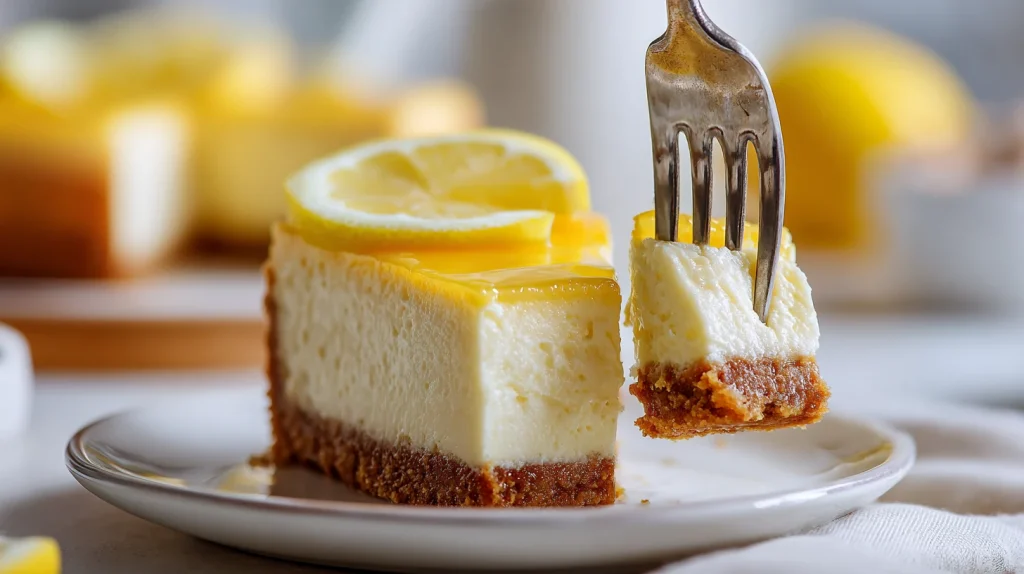
Before serving, spread the lemon curd evenly over the top of the cheesecake. Use a spatula to create smooth or gently swirled patterns. This lemon cheesecake topping adds brightness and visual appeal, transforming it into an elegant lemon cheesecake.
How to Serve
Lemon cheesecake is best served cold, straight from the refrigerator. For clean slices, use a sharp knife dipped in warm water and wiped clean between cuts.
Serve it on plain white plates to highlight the pale yellow topping. A light dusting of powdered sugar around the plate can add a refined touch.
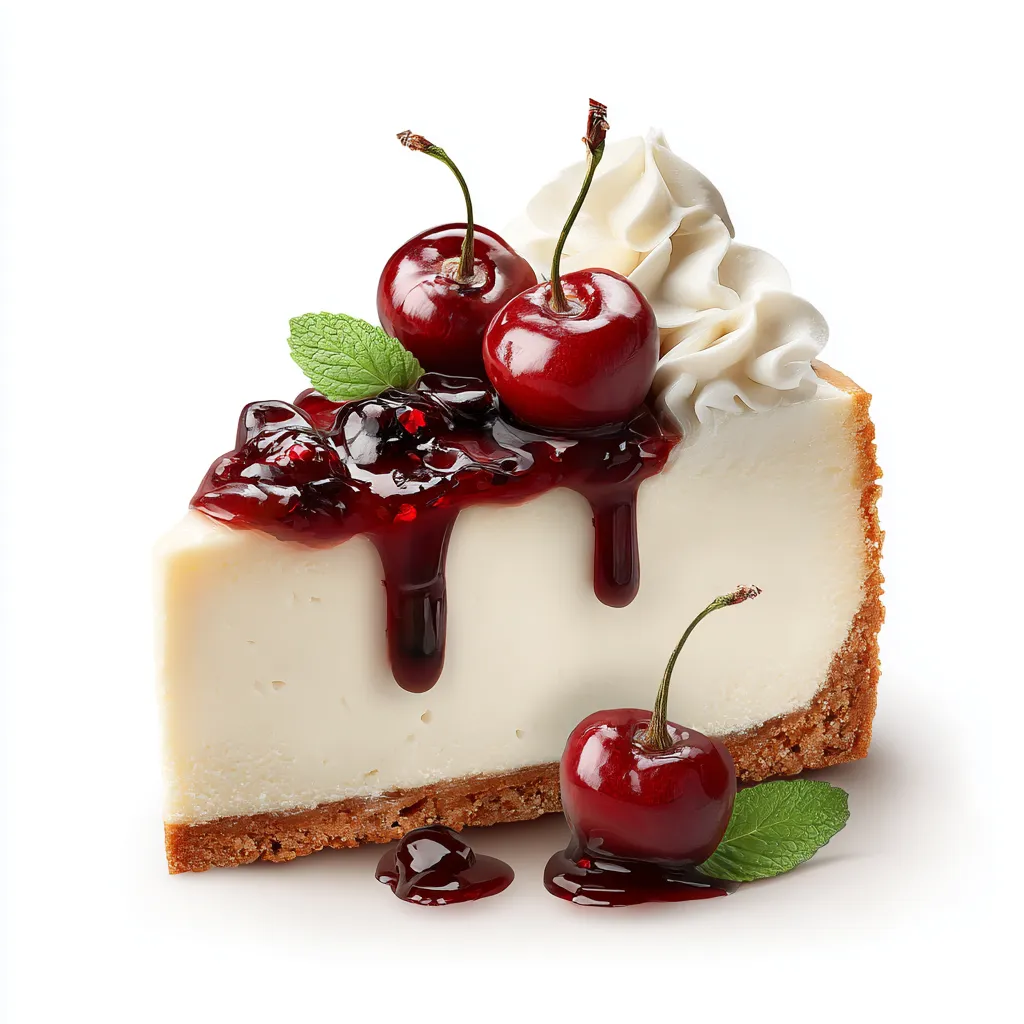
As a side, fresh berries work beautifully, especially raspberries or blueberries. A small spoon of softly whipped cream can enhance the cream cheesecake texture without overpowering the lemon.
For a more formal presentation, garnish with thin lemon zest curls or a small mint leaf. This turns the dessert into a gourmet lemon cheesecake suitable for dinner parties or celebrations.
Secret Behind This Recipe
The secret behind this lemon cheesecake is restraint. Every ingredient has a purpose, and nothing competes for attention. The lemon is layered rather than aggressive, and the cream cheese is allowed to shine.
Temperature control is another key factor. Room-temperature ingredients blend smoothly and bake evenly. Slow mixing prevents air pockets, and gentle cooling protects the structure.
Finally, the lemon curd for cheesecake is applied after chilling, not baked in. This keeps its flavor fresh and vibrant, which is what gives this dessert its signature lift.
Recipe Variations
Additional Tips
Freezing and Storage
Nutritional Information
Approximate values per serving
Values may vary depending on ingredient brands and portion size.
Final Words
This lemon cheesecake is more than just a dessert. It is a lesson in balance, patience, and thoughtful cooking. By following these easy lemon cheesecake instructions, you create a classic lemon cheesecake that feels refined, comforting, and truly homemade.
Whether you serve it as a spring cheesecake, a summer birthday dessert idea, or simply because you love incredible desserts, this recipe delivers every time. Cooking it at home allows you to control quality, flavor, and freshness, turning a simple cream cheesecake into something memorable and worth sharing.
FAQs

Creamy Lemon Cheesecake Recipe – Easy & Elegant Dessert
Course: Desserts12
servings30
minutes1
hour10
minutes420
kcalIngredients
- For the crust
200 grams digestive biscuits or graham crackers, finely crushed
100 grams unsalted butter, melted
- For the cheesecake filling
900 grams full-fat cream cheese, softened to room temperature
200 grams granulated sugar
3 large eggs, room temperature
200 milliliters heavy cream
2 tablespoons lemon zest, finely grated
120 milliliters fresh lemon juice
1 teaspoon vanilla extract
2 tablespoons all-purpose flour
- For the lemon cheesecake topping
200 grams lemon curd, smooth and thick
Directions
- Start by preheating your oven to 170°C. Line the base of a 23 cm springform pan with baking paper. This makes removal easier later.
Combine the crushed biscuits and melted butter in a bowl. Mix until the texture resembles damp sand and holds together when pressed. Transfer this mixture into the prepared pan and press it firmly and evenly across the base using the back of a spoon or a flat glass. The goal is a compact crust that supports the cream cheesecake without crumbling.
Bake the crust for 10 minutes. This sets it and adds a light toasty flavor. Remove from the oven and allow it to cool slightly while you prepare the filling. - Place the softened cream cheese in a large mixing bowl. Beat it gently until smooth and lump-free. This step is about patience, not speed. Overbeating introduces air, which can cause cracks later.
Add the sugar and mix until just combined. Scrape down the sides of the bowl to ensure everything is evenly blended. The mixture should look smooth and glossy, not fluffy. - Add the eggs one at a time, mixing slowly after each addition. Allow each egg to fully incorporate before adding the next. This keeps the texture dense and creamy.
Pour in the heavy cream and vanilla extract. Mix gently until the batter looks uniform and silky. At this stage, the batter should flow smoothly without bubbles. - Stir in the lemon zest and fresh lemon juice. This is where the lemon cheesecake begins to come alive. The zest provides aroma, while the juice gives clean acidity.
Sprinkle in the flour and mix gently until fully combined. The flour helps stabilize the filling and ensures a smooth slice. - Pour the batter over the cooled crust. Tap the pan lightly on the counter to release any trapped air.
Place the pan on the middle rack of the oven. Bake for 60 to 70 minutes. The edges should look set, while the center should still have a slight wobble. This wobble will firm up as the cheesecake cools.
Turn off the oven, crack the door slightly, and let the cheesecake sit inside for 30 minutes. This gradual cooling prevents sudden temperature changes that cause cracks. - Remove the lemon cheesecake from the oven and let it cool completely at room temperature. Once cooled, cover it loosely and refrigerate for at least 6 hours, preferably overnight. This chilling time is essential for texture and flavor.
- Before serving, spread the lemon curd evenly over the top of the cheesecake. Use a spatula to create smooth or gently swirled patterns. This lemon cheesecake topping adds brightness and visual appeal, transforming it into an elegant lemon cheesecake.