

Creamy Mango Sago – Easy & Refreshing Asian Dessert Bowl
Mango Sago
Mango sago is a refreshing dessert that combines sweet ripe mangoes, chewy sago pearls, and a creamy milk mixture into one delicious bowl. It is one of the most popular Asian Desserts because it is simple to prepare, naturally colorful, and packed with fresh tropical flavor. Whether served after a family meal or enjoyed as an afternoon treat, mango sago offers a perfect balance of sweetness, creaminess, and texture.
The first spoonful delivers juicy mango, silky cream, and soft, chewy sago pearls all at once. This combination creates a dessert that feels light enough for warm weather yet satisfying enough to finish a special meal. Unlike heavy baked desserts, mango sago is served chilled, making it especially enjoyable during the summer months. Although it originated in Asia, mango sago has become a favorite around the world. It is commonly found in dessert cafés, restaurants, and family kitchens because it requires only a handful of ingredients and very little cooking. Home cooks appreciate that it is easy to prepare ahead of time and tastes even better after chilling in the refrigerator.
One of the reasons mango sago stands out among other Sweet Dishes Recipes is its versatility. You can make it richer by adding coconut milk, lighter by using fresh milk, or more colorful by mixing in tropical fruits like pomelo, strawberries, or kiwi. Every variation highlights the naturally sweet flavor of ripe mangoes while maintaining the dessert’s signature creamy texture.
Mango sago is also a wonderful choice when entertaining guests. It looks elegant served in clear glasses or dessert bowls, allowing the bright yellow mango pieces and translucent sago pearls to shine through the creamy mixture. The presentation feels impressive even though the recipe itself is surprisingly simple. If you enjoy collecting Fun Easy Recipes that deliver beautiful results without requiring advanced skills, this dessert deserves a place in your recipe collection. Most of the preparation involves cooking the sago correctly, blending fresh mangoes, and combining everything into a smooth, creamy mixture.
Many people who enjoy preparing Food Drinks Dessert recipes also appreciate mango sago because it sits somewhere between a dessert and a refreshing drink. Depending on how much liquid you add, it can be served as a spoonable dessert or as a thick chilled beverage enjoyed with a wide straw. It is also an excellent recipe for anyone searching for Quick Recipes Snacks that can be prepared ahead of busy days. Once assembled, the dessert simply chills until ready to serve, making it perfect for family gatherings, celebrations, and meal preparation.
If you enjoy discovering new flavors through Tasty Recipes Videos, you’ll often notice mango sago featured because its bright colors and creamy consistency make it visually appealing while remaining simple enough for beginners to recreate at home. Whether you serve it after dinner, alongside fresh fruit, or as part of a dessert buffet, homemade mango sago delivers fresh tropical flavor, beautiful presentation, and satisfying texture in every spoonful.
Why You’ll Love This Recipe
Preparation and Cooking Time
Ingredients
Substitution Notes
Step by Step Instructions

Step 1: Select the Best Mangoes
The quality of mango sago depends greatly on the mangoes you choose. Select ripe mangoes that are fragrant, slightly soft when gently pressed, and free from bruises. Naturally sweet mangoes create a richer flavor and require less added sugar. If possible, allow firm mangoes to ripen at room temperature for a few days before making the dessert.
Step 2: Cook the Sago Pearls
Bring two cups of water to a gentle boil in a medium saucepan. Slowly add the sago pearls while stirring continuously to prevent them from sticking together. Reduce the heat slightly and continue cooking according to the package instructions, stirring every few minutes. The pearls are ready when they become mostly transparent with only a tiny white center remaining. Remove the saucepan from the heat, cover it, and allow the pearls to sit for another 10 minutes. This resting period finishes the cooking process gently without overcooking the delicate pearls.
Step 3: Rinse and Cool the Sago
Drain the cooked sago using a fine mesh strainer and immediately rinse thoroughly under cold running water. This removes excess starch and prevents the pearls from clumping together. Allow the sago to drain completely before adding it to the dessert mixture.
Step 4: Prepare the Mangoes
Peel all of the mangoes carefully. Dice two mangoes into small bite sized cubes for texture. Place the remaining mango into a blender and puree until completely smooth. The puree forms the flavorful base of the dessert while the diced mango provides fresh bursts of fruit in every spoonful.
Step 5: Prepare the Creamy Base
In a large mixing bowl, combine the mango puree, coconut milk, evaporated milk, whole milk, sweetened condensed milk, vanilla extract, and sugar. Whisk until completely smooth. Taste the mixture and adjust the sweetness if necessary. The flavor should be naturally fruity with a creamy finish rather than overly sweet.
Step 6: Combine the Dessert
Add the cooled sago pearls to the creamy mango mixture and stir gently until they are evenly distributed. Fold in the diced mango pieces carefully so they remain intact. The finished mixture should have plenty of fruit throughout every serving while maintaining a smooth, creamy consistency.
Step 7: Chill Thoroughly
Cover the bowl with plastic wrap or transfer the dessert into individual serving glasses. Refrigerate for at least two hours. Chilling allows the flavors to blend together while giving the sago pearls time to absorb some of the creamy mixture, creating an even more enjoyable texture.
Step 8: Garnish and Serve
Before serving, stir the mango sago gently. Spoon it into chilled dessert bowls or tall glasses filled with a few ice cubes if you prefer a colder dessert. Top each serving with extra diced mango, fresh mint leaves, and additional mango puree if desired. This attractive presentation transforms a simple homemade dessert into one that resembles the beautiful creations often featured in Food Drinks Dessert collections and Tasty Recipes Videos. It is one of those Fun Easy Recipes that looks impressive while remaining wonderfully simple to prepare at home.
How to Serve
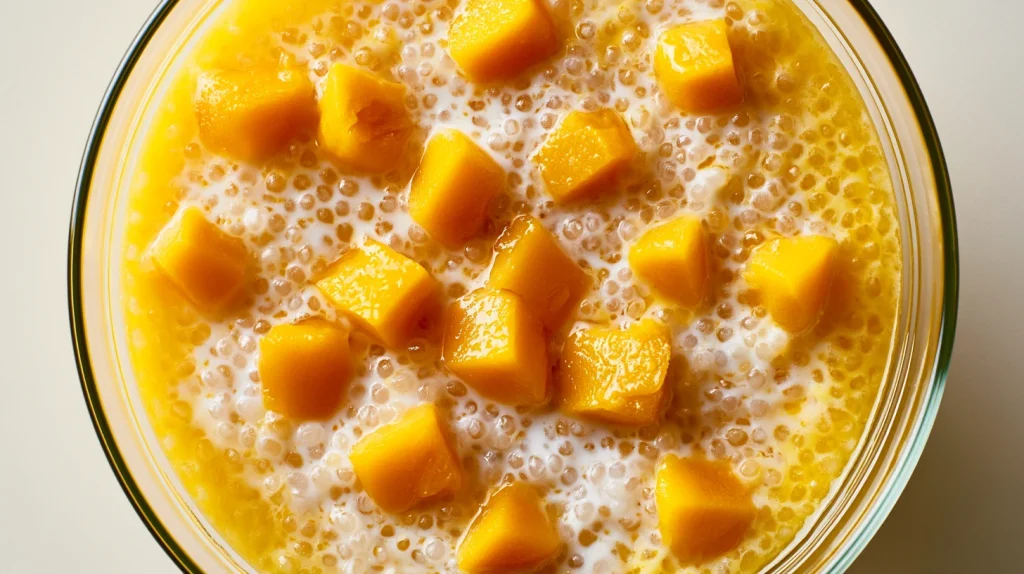
Mango sago is best served well chilled, straight from the refrigerator. The cold temperature keeps the texture refreshing and helps the creamy base stay smooth and light. For a classic presentation, spoon it into clear glass bowls or dessert cups so the bright yellow mango puree and glossy sago pearls are clearly visible.
Additional Tips
Recipe Variations
Freezing and Storage
Nutritional Information
Approximate values per serving:
Values may vary depending on mango sweetness and milk choices.
Final Words
Mango sago is a simple yet impressive dessert that shows how a few basic ingredients can create something truly satisfying. With its creamy texture, soft sago pearls, and fresh mango flavor, it remains one of the most loved Asian Desserts around the world. This recipe is flexible enough for beginners while still offering plenty of room for creativity. Whether you prefer it rich with coconut milk, light with fresh milk, or fruity with extra mango chunks, mango sago adapts easily to your taste.
It is also a great example of how Sweet Dishes Recipes do not need complicated steps to deliver excellent results. Once you understand how to prepare the sago properly and balance the sweetness, you can make this dessert confidently anytime. For anyone who enjoys Fun Easy Recipes or refreshing Food Drinks Dessert ideas, mango sago is a perfect choice. It works for family dinners, celebrations, or even as a chilled treat on a hot day.
With a little practice, you can also present it beautifully for guests, making it look as appealing as anything seen in professional Tasty Recipes Videos or styled dessert tables. Once you try it, mango sago often becomes a regular favorite because it is both comforting and refreshing at the same time.
FAQs

Creamy Mango Sago – Easy & Refreshing Asian Dessert Bowl
Course: Desserts6
servings20
minutes20
minutes320
kcalIngredients
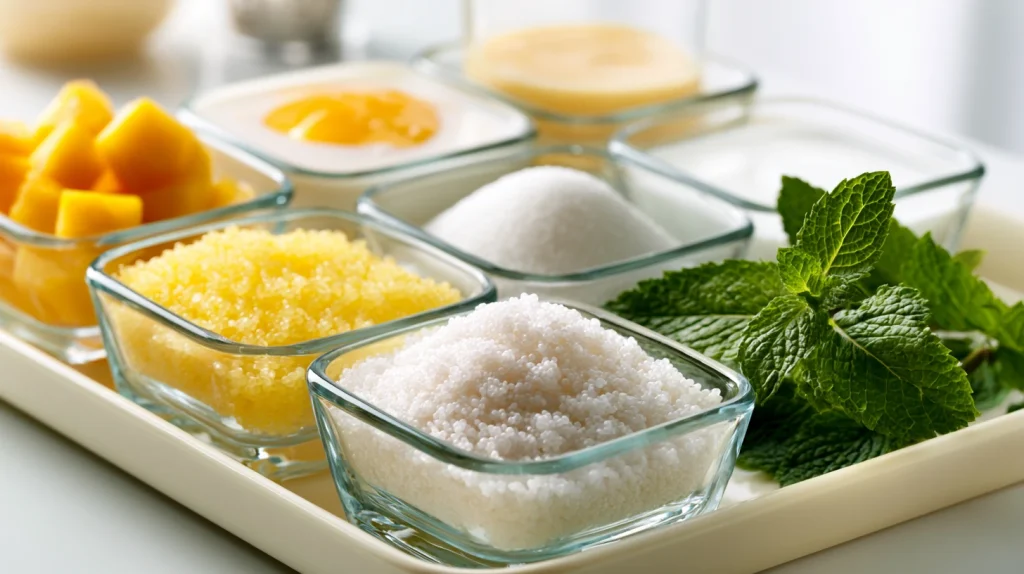
2 large ripe mangoes, peeled and diced
1 large ripe mango, blended into a puree
½ cup small sago pearls
2 cups water for cooking the sago
1 cup full fat coconut milk
1 cup evaporated milk
½ cup sweetened condensed milk
½ cup whole milk
2 tablespoons sugar, or to taste
1 teaspoon vanilla extract
1 cup ice cubes for serving
Fresh mint leaves for garnish
Extra diced mango for topping
Directions
- The quality of mango sago depends greatly on the mangoes you choose. Select ripe mangoes that are fragrant, slightly soft when gently pressed, and free from bruises. Naturally sweet mangoes create a richer flavor and require less added sugar. If possible, allow firm mangoes to ripen at room temperature for a few days before making the dessert.
- Bring two cups of water to a gentle boil in a medium saucepan. Slowly add the sago pearls while stirring continuously to prevent them from sticking together. Reduce the heat slightly and continue cooking according to the package instructions, stirring every few minutes. The pearls are ready when they become mostly transparent with only a tiny white center remaining. Remove the saucepan from the heat, cover it, and allow the pearls to sit for another 10 minutes. This resting period finishes the cooking process gently without overcooking the delicate pearls.
- Drain the cooked sago using a fine mesh strainer and immediately rinse thoroughly under cold running water. This removes excess starch and prevents the pearls from clumping together. Allow the sago to drain completely before adding it to the dessert mixture.
- Peel all of the mangoes carefully. Dice two mangoes into small bite sized cubes for texture. Place the remaining mango into a blender and puree until completely smooth. The puree forms the flavorful base of the dessert while the diced mango provides fresh bursts of fruit in every spoonful.
- In a large mixing bowl, combine the mango puree, coconut milk, evaporated milk, whole milk, sweetened condensed milk, vanilla extract, and sugar. Whisk until completely smooth. Taste the mixture and adjust the sweetness if necessary. The flavor should be naturally fruity with a creamy finish rather than overly sweet.
- Add the cooled sago pearls to the creamy mango mixture and stir gently until they are evenly distributed. Fold in the diced mango pieces carefully so they remain intact. The finished mixture should have plenty of fruit throughout every serving while maintaining a smooth, creamy consistency.
- Cover the bowl with plastic wrap or transfer the dessert into individual serving glasses. Refrigerate for at least two hours. Chilling allows the flavors to blend together while giving the sago pearls time to absorb some of the creamy mixture, creating an even more enjoyable texture.
- Before serving, stir the mango sago gently. Spoon it into chilled dessert bowls or tall glasses filled with a few ice cubes if you prefer a colder dessert. Top each serving with extra diced mango, fresh mint leaves, and additional mango puree if desired. This attractive presentation transforms a simple homemade dessert into one that resembles the beautiful creations often featured in Food Drinks Dessert collections and Tasty Recipes Videos. It is one of those Fun Easy Recipes that looks impressive while remaining wonderfully simple to prepare at home.