

Creamy Cottage Cheese Eggs – Healthy Breakfast Delight
Cottage Cheese Eggs
Cottage cheese eggs are one of the smartest ways to upgrade your breakfast without complicating your morning. This simple combination transforms ordinary eggs into something creamier, softer, and noticeably higher in protein. When prepared correctly, cottage cheese eggs are fluffy, tender, slightly creamy, and rich without feeling heavy.
What makes cottage cheese eggs special is balance. Eggs provide structure and classic flavor. Cottage cheese melts gently into the eggs, adding moisture and a mild tang that enhances rather than dominates. The result feels indulgent but is actually very practical, especially if you are focused on high protein meals.
Many people search for high protein recipes using cottage cheese or look for breakfast with 30g protein that does not require protein powders or complicated steps. Cottage cheese eggs solve that problem naturally. They also adapt easily into cottage cheese and eggs breakfast bowls, cottage cheese scramble plates, or even avocado toast cottage cheese combinations.
If you have ever wondered how to eat cottage cheese for breakfast in a way that feels satisfying and not boring, this recipe gives you a professional approach using simple ingredients and proper technique.
Why You’ll Love This Recipe
This cottage cheese eggs recipe delivers more than just extra protein. It improves texture dramatically. Traditional scrambled eggs can become dry if slightly overcooked. Adding cottage cheese acts as insurance. The curds release moisture gently, helping maintain softness.
You will also appreciate how flexible cottage cheese eggs are. They work as a cottage cheese and eggs breakfast on their own, or they can become part of a larger plate with avocado cottage cheese, avocado egg toast, or even boiled eggs and toast on the side for variety.
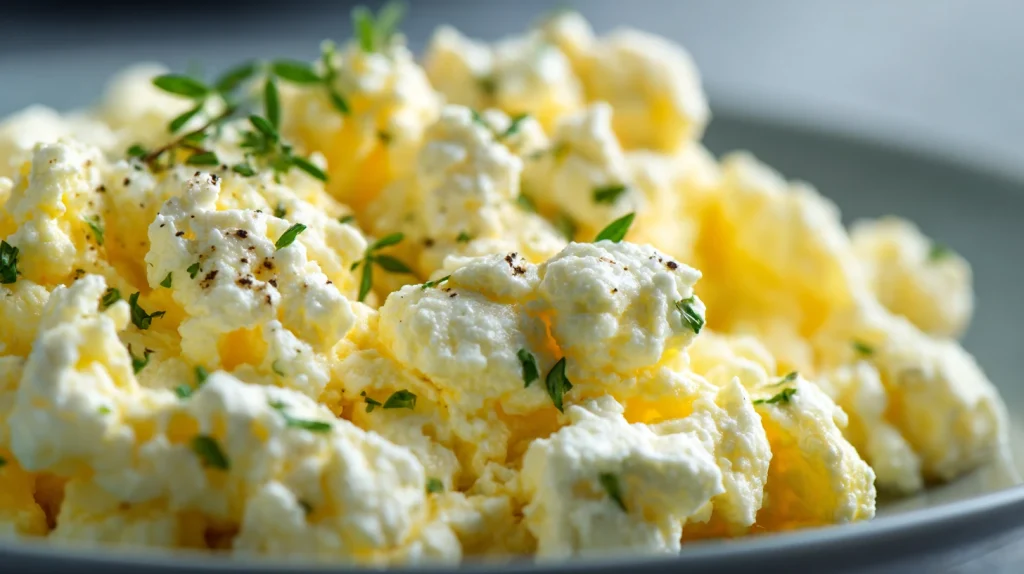
Another reason this method stands out is protein density. Using whole eggs plus cottage cheese easily supports breakfast with 30g protein, especially when paired with toast or avocado. If you are experimenting with protein scrambled eggs or egg white and cottage cheese recipes, this base technique can be adjusted to suit those goals.
Finally, cottage cheese eggs are efficient. They cook quickly, require only one pan, and rely on ingredients most kitchens already have. There is no need for complicated preparation or specialty equipment.
Preparation and Cooking Time
Ingredients
Optional additions:
Substitution Notes:
Step by Step Instructions
Step 1: Prepare the Egg Mixture
Crack the eggs into a bowl. Add the milk, salt, and pepper. Whisk thoroughly until the yolks and whites are fully combined and slightly frothy.
Fold in the cottage cheese gently. Do not overmix. You want visible curds throughout the mixture. This structure helps create a proper cottage cheese scramble texture.
Step 2: Heat the Pan Properly
Place a nonstick skillet over low to medium low heat. Add the butter and let it melt slowly without browning.
Controlling heat is essential for cottage cheese eggs. High heat will tighten the proteins too quickly and release moisture unevenly.
Step 3: Start Cooking Slowly
Pour the egg mixture into the pan. Let it sit undisturbed for about 30 seconds until the edges begin to set slightly.
Using a silicone spatula, gently push the eggs from the edges toward the center. Continue this slow folding motion.
Step 4: Build Soft Curds
As the mixture thickens, continue folding rather than stirring aggressively. The goal is to form large, soft curds typical of quality protein scrambled eggs.
Cook until the eggs are just set but still slightly glossy. Remove from heat while they appear slightly underdone. Residual heat will finish cooking them.
Step 5: Rest Briefly Before Serving
Let the cottage cheese eggs sit in the pan for one minute off heat. This allows moisture to redistribute and final texture to settle.
Serve immediately for best results.
How to Serve
Cottage cheese eggs are extremely versatile, and how you serve them can completely change the experience. The texture is soft and creamy, so presentation should protect that softness rather than compress it. Always spoon the eggs gently onto a warm plate instead of pressing or flattening them. Let the curds sit naturally so they stay light and fluffy.
For a simple and clean cottage cheese and eggs breakfast, serve the eggs as they are with a light sprinkle of chopped chives and freshly cracked black pepper. Pair them with warm whole grain toast on the side. This classic approach highlights the creamy structure of the cottage cheese eggs without distraction. If you want something more filling, add a side of sliced avocado cottage cheese style, lightly seasoned with salt and lemon.
If you enjoy layered breakfasts, cottage cheese eggs work beautifully on toast. Spread mashed avocado onto toasted bread and top it with a generous spoonful of the eggs. This creates a balanced avocado toast egg combination with creaminess from two sources. For a slightly different approach, spread a thin layer of cottage cheese directly on toast first, then add soft scrambled eggs over it. This avocado toast cottage cheese method builds protein and texture in layers.
Another refined serving option is a composed breakfast plate. Place cottage cheese eggs on one side of the plate, add sliced avocado, cherry tomatoes, and a drizzle of olive oil. Include one slice of boiled eggs and toast on the side for contrast. Some people also enjoy pairing cottage cheese eggs with boiled egg and avocado slices to compare textures between creamy scramble and firm egg whites.
For a high protein bowl, spoon the cottage cheese eggs into a shallow bowl and top with sliced avocado cottage cheese garnish, microgreens, and cracked pepper. This format fits perfectly into high protein recipes using cottage cheese and supports breakfast with 30g protein when paired with whole grain toast or additional egg whites.
Secret Behind This Recipe
The secret to perfect cottage cheese eggs is temperature control and timing. Eggs are delicate proteins. They tighten as they cook. Cottage cheese contains moisture that softens that tightening effect, but only if you cook gently.
Low heat gives you control. Removing the eggs from the pan slightly early prevents overcooking. Large curds form when you fold slowly rather than stir constantly.
The second secret is proportion. Too much cottage cheese overwhelms the eggs. Too little will not improve texture. One cup per six eggs creates balance for ideal cottage cheese eggs.
Recipe Variations
Additional Tips
Freezing and Storage
Nutritional Information
Approximate per serving:
When served with toast and avocado, protein can easily reach breakfast with 30g protein or more depending on portion size.
Final Words
Cottage cheese eggs prove that small changes create meaningful improvements. By combining simple eggs with cottage cheese, you transform texture, increase protein, and create a breakfast that feels intentional.
Whether you are exploring how to eat cottage cheese for breakfast, building high protein recipes using cottage cheese, or preparing avocado toast egg combinations, this method gives you a dependable base.
Mastering cottage cheese eggs will give you confidence in the kitchen. With proper heat control and timing, you can create protein scrambled eggs that are soft, rich, and satisfying every single time.
FAQs

Creamy Cottage Cheese Eggs – Healthy Breakfast Delight
Course: Appetizers2
servings5
minutes8
minutes340
kcalIngredients
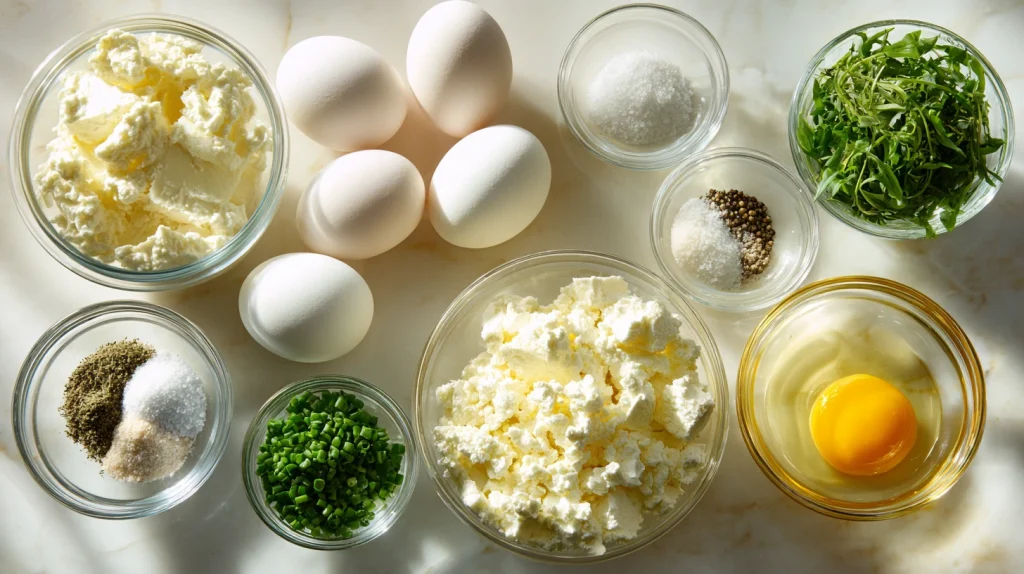
6 large eggs
1 cup full fat cottage cheese
1 tablespoon butter
2 tablespoons milk or cream
1 quarter teaspoon salt
1 quarter teaspoon freshly ground black pepper
- Optional additions:
2 tablespoons chopped chives
1 small avocado, sliced
2 slices whole grain bread
Directions
- Crack the eggs into a bowl. Add the milk, salt, and pepper. Whisk thoroughly until the yolks and whites are fully combined and slightly frothy.
Fold in the cottage cheese gently. Do not overmix. You want visible curds throughout the mixture. This structure helps create a proper cottage cheese scramble texture. - Place a nonstick skillet over low to medium low heat. Add the butter and let it melt slowly without browning.
Controlling heat is essential for cottage cheese eggs. High heat will tighten the proteins too quickly and release moisture unevenly. - Pour the egg mixture into the pan. Let it sit undisturbed for about 30 seconds until the edges begin to set slightly.
Using a silicone spatula, gently push the eggs from the edges toward the center. Continue this slow folding motion. - As the mixture thickens, continue folding rather than stirring aggressively. The goal is to form large, soft curds typical of quality protein scrambled eggs.
Cook until the eggs are just set but still slightly glossy. Remove from heat while they appear slightly underdone. Residual heat will finish cooking them. - Let the cottage cheese eggs sit in the pan for one minute off heat. This allows moisture to redistribute and final texture to settle.
Serve immediately for best results.