

Cauliflower Pizza Crust – Easy Healthy Pizza Crust Recipe
Cauliflower Pizza Crust
Cauliflower pizza crust is a practical alternative to traditional flour-based pizza dough, especially when you want a vegetable-forward pizza base with a lighter texture. Made from cauliflower rice, cheese, egg, and simple seasonings, it can be baked into a firm crust that supports your favorite pizza toppings without requiring yeast or a long rise.
The biggest challenge with cauliflower pizza crust is moisture. Fresh cauliflower contains a surprising amount of water, and if that moisture is not removed properly, the crust can turn soft instead of crisp. The key is to cook the cauliflower rice first and squeeze out as much excess moisture as possible before mixing the crust. This recipe focuses on getting the texture right. The cauliflower provides the vegetable base, mozzarella adds flavor and helps the crust hold together, Parmesan contributes savory depth, and egg acts as a binder. Garlic powder, Italian seasoning, and black pepper give the crust a familiar pizza flavor.
A well-made cauliflower crust should be sturdy enough to lift a slice while remaining tender inside. It will not have exactly the same chew as traditional wheat dough, but it should feel like a proper pizza base rather than a pile of roasted cauliflower.
This Healthy Vegetable Pizza Base is also highly adaptable. You can make it thinner for a crispier result, slightly thicker for a softer center, or season it differently depending on the toppings you plan to use. If you are looking for a Cauliflower Rice Pizza that feels satisfying rather than like a compromise, the preparation technique matters more than complicated ingredients. Properly draining the cauliflower, forming an even layer, and baking the crust before adding toppings are the most important steps.
Why You’ll Love This Recipe
Preparation and Cooking Time, also serving
The timing assumes you are starting with fresh cauliflower and making approximately one 10 to 12 inch pizza crust.
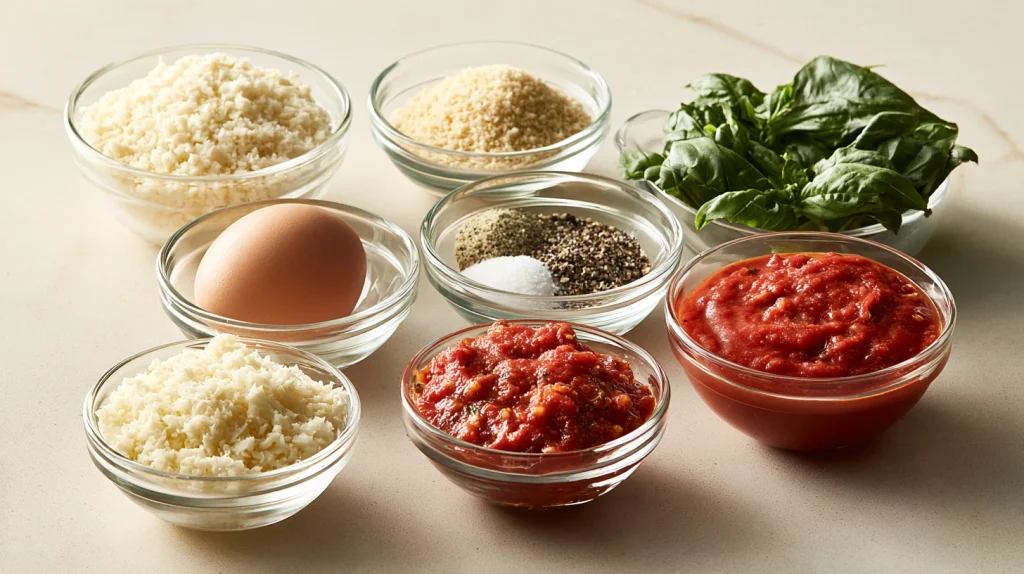
Ingredients
For the Cauliflower Pizza Crust
For the Pizza Topping
Substitution Notes
Step-by-Step Instructions

Step 1: Prepare the Cauliflower Rice
Cut the cauliflower into small florets and process them in a food processor until they resemble fine rice, working in batches if necessary so the pieces are evenly sized. If using prepared cauliflower rice, measure 4 cups and continue directly to cooking, making sure the pieces are not excessively large because fine cauliflower rice creates a more cohesive crust.
Step 2: Cook and Drain the Cauliflower
Transfer the cauliflower rice to a microwave-safe bowl and microwave it for approximately 6 to 8 minutes until tender, or steam it until softened, then allow it to cool enough to handle safely. Place the cooked cauliflower in a clean kitchen towel or several layers of cheesecloth and squeeze firmly over a bowl or sink to remove as much liquid as possible, repeating the process until very little moisture comes out because this step has the greatest effect on the final crust texture.
Step 3: Mix the Crust
Preheat the oven to 425°F and line a baking sheet with parchment paper, then place the drained cauliflower in a bowl and add the egg, mozzarella, Parmesan, Italian seasoning, garlic powder, onion powder, black pepper, salt, and olive oil. Mix thoroughly until the ingredients form a moist but cohesive mixture that holds together when pressed, making sure the cheese and seasoning are evenly distributed throughout the cauliflower.
Step 4: Shape and Bake the Crust
Transfer the mixture to the prepared baking sheet and press it into an even 10 to 12 inch round approximately 1/4 inch thick, using your hands or the back of a spoon to smooth the surface and keeping the edges slightly thicker than the center. Bake for 20 to 25 minutes until the crust is firm, golden around the edges, and dry enough to lift carefully from the parchment without falling apart.
Step 5: Add the Toppings
Remove the baked crust from the oven and allow it to rest for 2 to 3 minutes before spreading a thin, even layer of pizza sauce over the surface, then add the mozzarella and distribute the bell peppers, mushrooms, black olives, and any other toppings evenly. Avoid adding excessive sauce or heavy toppings because the cauliflower base is more delicate than conventional pizza dough and can become difficult to handle when overloaded.
Step 6: Finish Baking and Serve
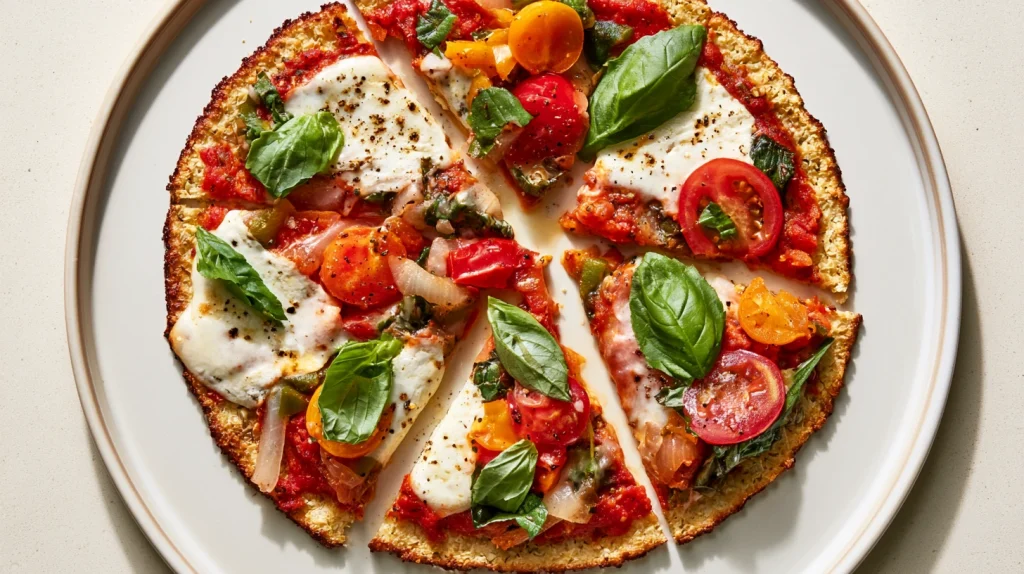
Return the topped pizza to the oven and bake for another 8 to 10 minutes until the cheese is completely melted and bubbling around the edges, then let the pizza rest for approximately 3 to 5 minutes before slicing. Finish with fresh basil and serve while warm, using a sharp pizza cutter and lifting the slices carefully from the baking sheet.
How to Serve
Additional Tips
Recipe Variations
Freezing and Storage
Nutritional Information
The following values are approximate and will vary according to the cheese, toppings, sauce, and portion size used.
The nutritional profile changes significantly depending on toppings. Using additional vegetables and moderate amounts of cheese can keep the overall meal lighter.
Final Words
Cauliflower pizza crust is not meant to imitate traditional dough perfectly. Instead, it offers a different way to enjoy pizza while using cauliflower as the main base. When prepared correctly, it becomes firm enough to support sauce, cheese, and toppings while remaining tender inside. The most important lesson is moisture control. Cauliflower naturally contains a large amount of water, and cooking alone does not remove enough of it. Squeezing the cooked cauliflower thoroughly is what separates a crust that holds together from one that turns soft and fragile.
Cheese also plays an important role. Mozzarella helps bind the cauliflower while Parmesan adds flavor and structure. The egg brings the mixture together, and the seasonings make sure the crust itself tastes good rather than relying entirely on the toppings. If you are searching for a Healthy Pizza Crust, this recipe is worth trying because it is straightforward and adaptable. You can use the same basic crust with traditional toppings, grilled chicken, roasted vegetables, or Mediterranean ingredients. It is also a practical Cauliflower Crust Recipe for meal preparation. Bake the crust ahead of time, cool it completely, and refrigerate or freeze it until you are ready to add toppings.
For anyone looking for Easy Cauliflower recipes that feel more substantial, turning cauliflower rice into pizza is a useful technique to keep in your cooking routine. It transforms a simple vegetable into a satisfying base that can be customized in countless ways. Take your time squeezing the cauliflower, bake the crust before adding toppings, and avoid excessive sauce. Those three details will give you a sturdy, flavorful cauliflower pizza crust that is much easier to handle and far more enjoyable to eat.
FAQs

Cauliflower Pizza Crust – Easy Healthy Pizza Crust Recipe
Course: Appetizers4
servings20
minutes35
minutes330
kcalIngredients
- For the Cauliflower Pizza Crust
4 cups cauliflower rice
1 large egg
1 cup shredded low-moisture mozzarella cheese
1/4 cup finely grated Parmesan cheese
1 teaspoon Italian seasoning
1/2 teaspoon garlic powder
1/4 teaspoon onion powder
1/4 teaspoon black pepper
1/4 teaspoon salt
1 tablespoon olive oil
- For the Pizza Topping
1/2 cup pizza sauce
1 1/2 cups shredded low-moisture mozzarella cheese
1/4 cup sliced bell peppers
1/4 cup sliced mushrooms
1/4 cup sliced black olives
2 tablespoons finely chopped fresh basil
Directions
- Cut the cauliflower into small florets and process them in a food processor until they resemble fine rice, working in batches if necessary so the pieces are evenly sized. If using prepared cauliflower rice, measure 4 cups and continue directly to cooking, making sure the pieces are not excessively large because fine cauliflower rice creates a more cohesive crust.
- Transfer the cauliflower rice to a microwave-safe bowl and microwave it for approximately 6 to 8 minutes until tender, or steam it until softened, then allow it to cool enough to handle safely. Place the cooked cauliflower in a clean kitchen towel or several layers of cheesecloth and squeeze firmly over a bowl or sink to remove as much liquid as possible, repeating the process until very little moisture comes out because this step has the greatest effect on the final crust texture.
- Preheat the oven to 425°F and line a baking sheet with parchment paper, then place the drained cauliflower in a bowl and add the egg, mozzarella, Parmesan, Italian seasoning, garlic powder, onion powder, black pepper, salt, and olive oil. Mix thoroughly until the ingredients form a moist but cohesive mixture that holds together when pressed, making sure the cheese and seasoning are evenly distributed throughout the cauliflower.
- Transfer the mixture to the prepared baking sheet and press it into an even 10 to 12 inch round approximately 1/4 inch thick, using your hands or the back of a spoon to smooth the surface and keeping the edges slightly thicker than the center. Bake for 20 to 25 minutes until the crust is firm, golden around the edges, and dry enough to lift carefully from the parchment without falling apart.
- Remove the baked crust from the oven and allow it to rest for 2 to 3 minutes before spreading a thin, even layer of pizza sauce over the surface, then add the mozzarella and distribute the bell peppers, mushrooms, black olives, and any other toppings evenly. Avoid adding excessive sauce or heavy toppings because the cauliflower base is more delicate than conventional pizza dough and can become difficult to handle when overloaded.
- Return the topped pizza to the oven and bake for another 8 to 10 minutes until the cheese is completely melted and bubbling around the edges, then let the pizza rest for approximately 3 to 5 minutes before slicing. Finish with fresh basil and serve while warm, using a sharp pizza cutter and lifting the slices carefully from the baking sheet.